What We Do Most in This Area
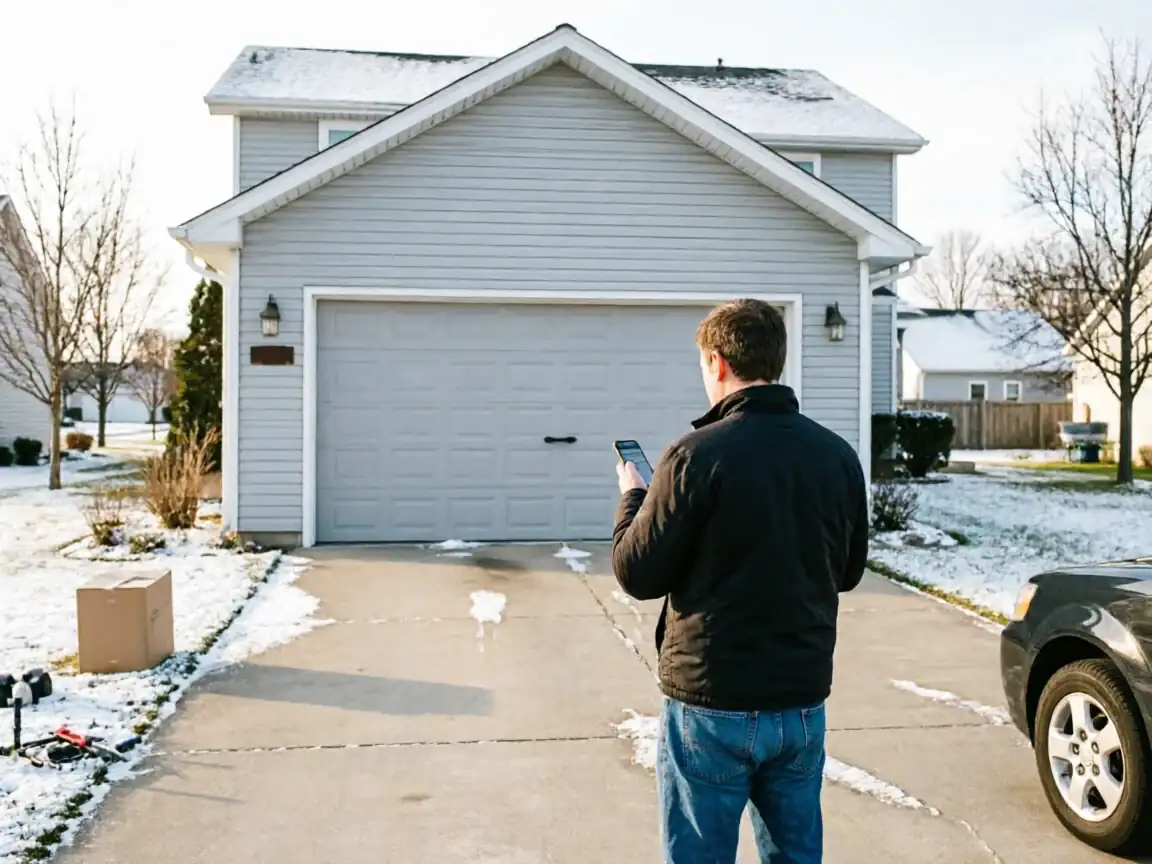
Andover sits about 8 miles from our Blaine shop, and the work we run out here skews newer than a lot of the other towns on our route. Across the wider service area the typical house was built back in 1980, but Andover's median build year lands around 1993 - a solid decade-plus later. That gap matters more than it sounds like it should.
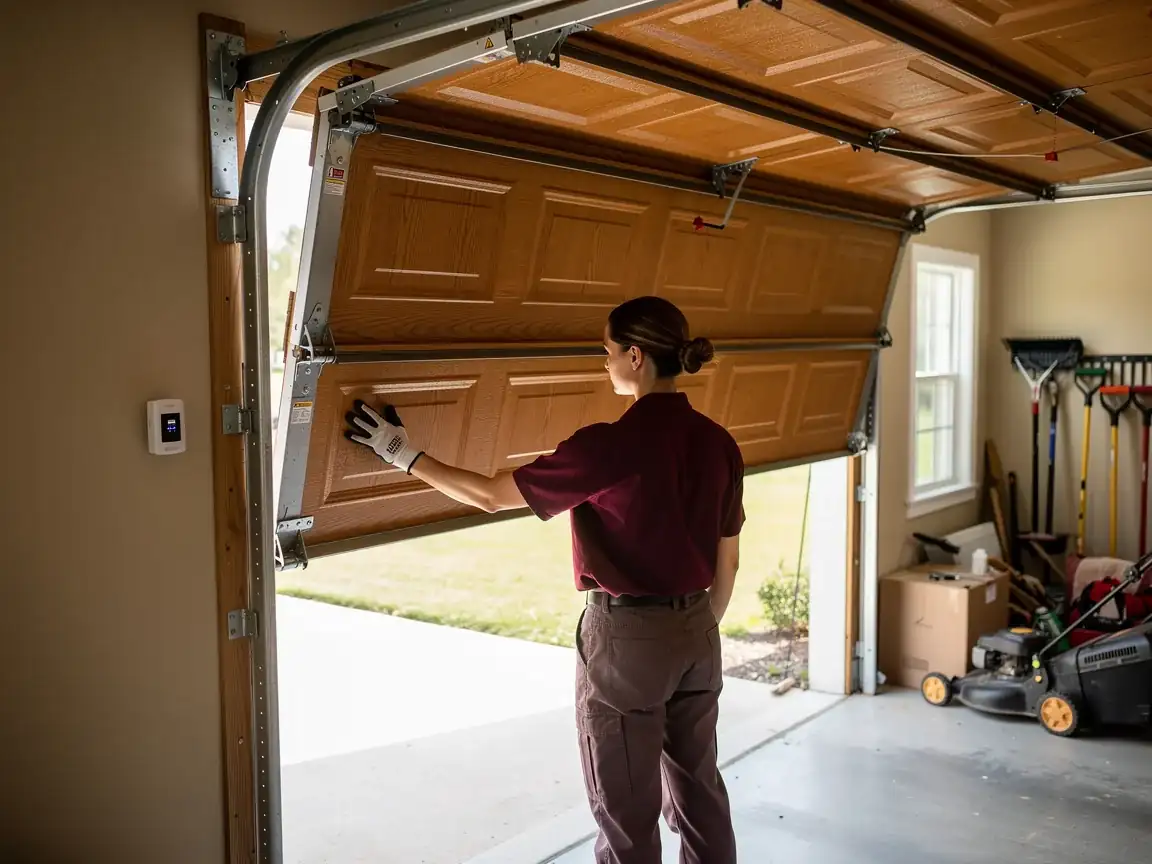
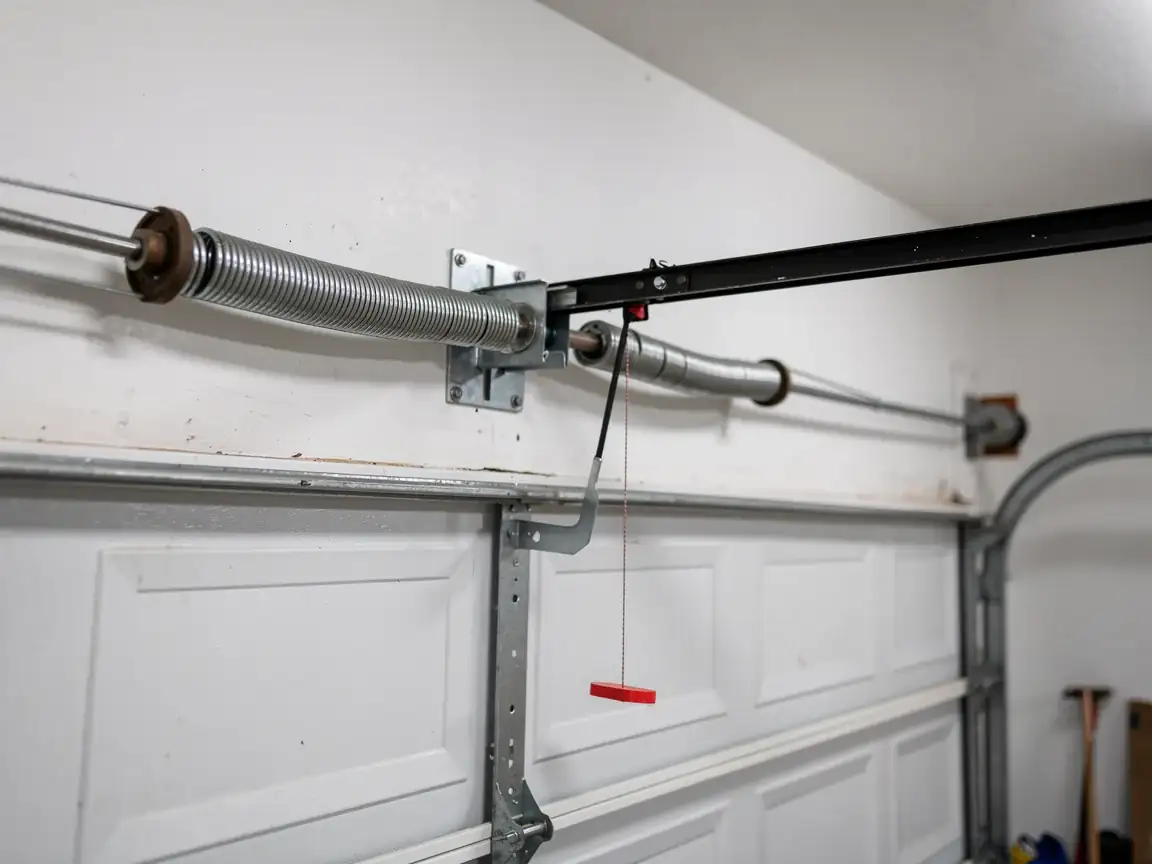
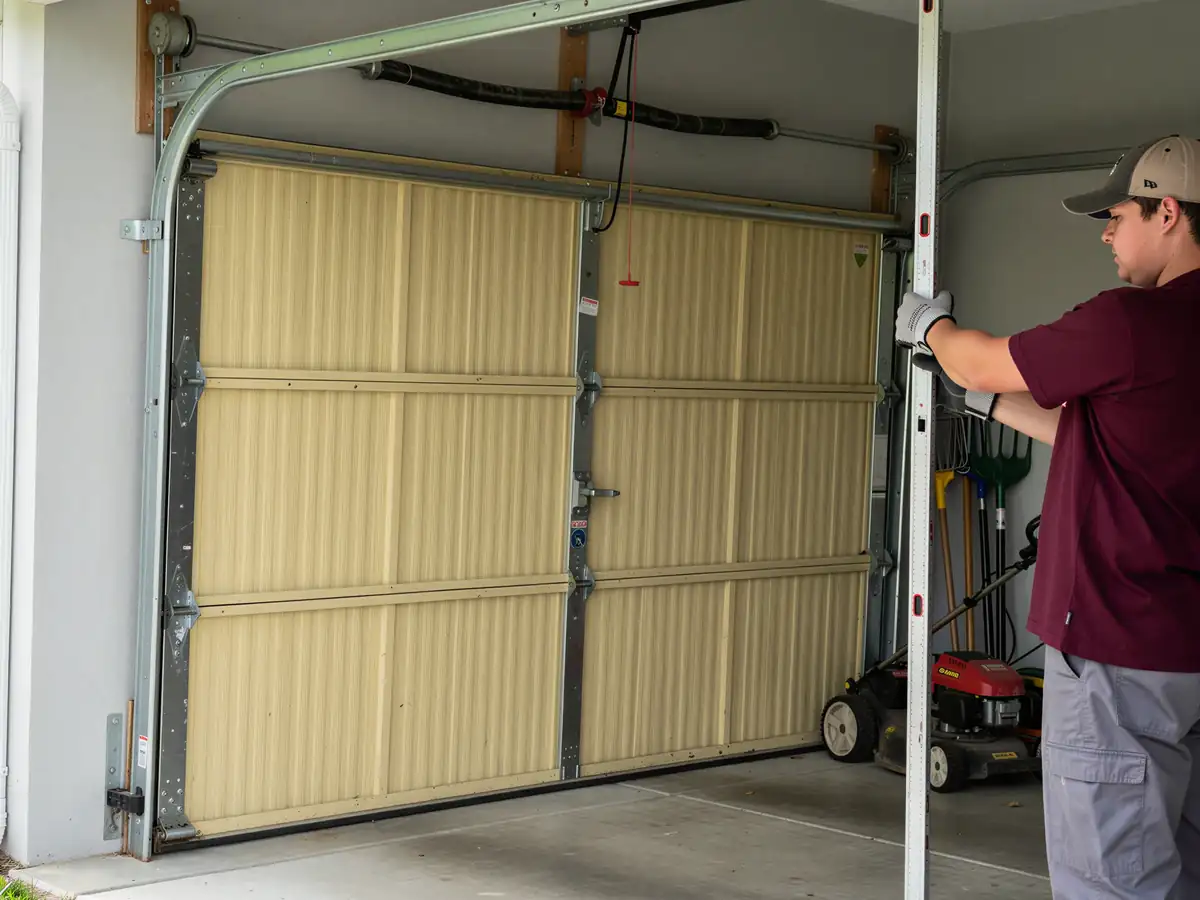
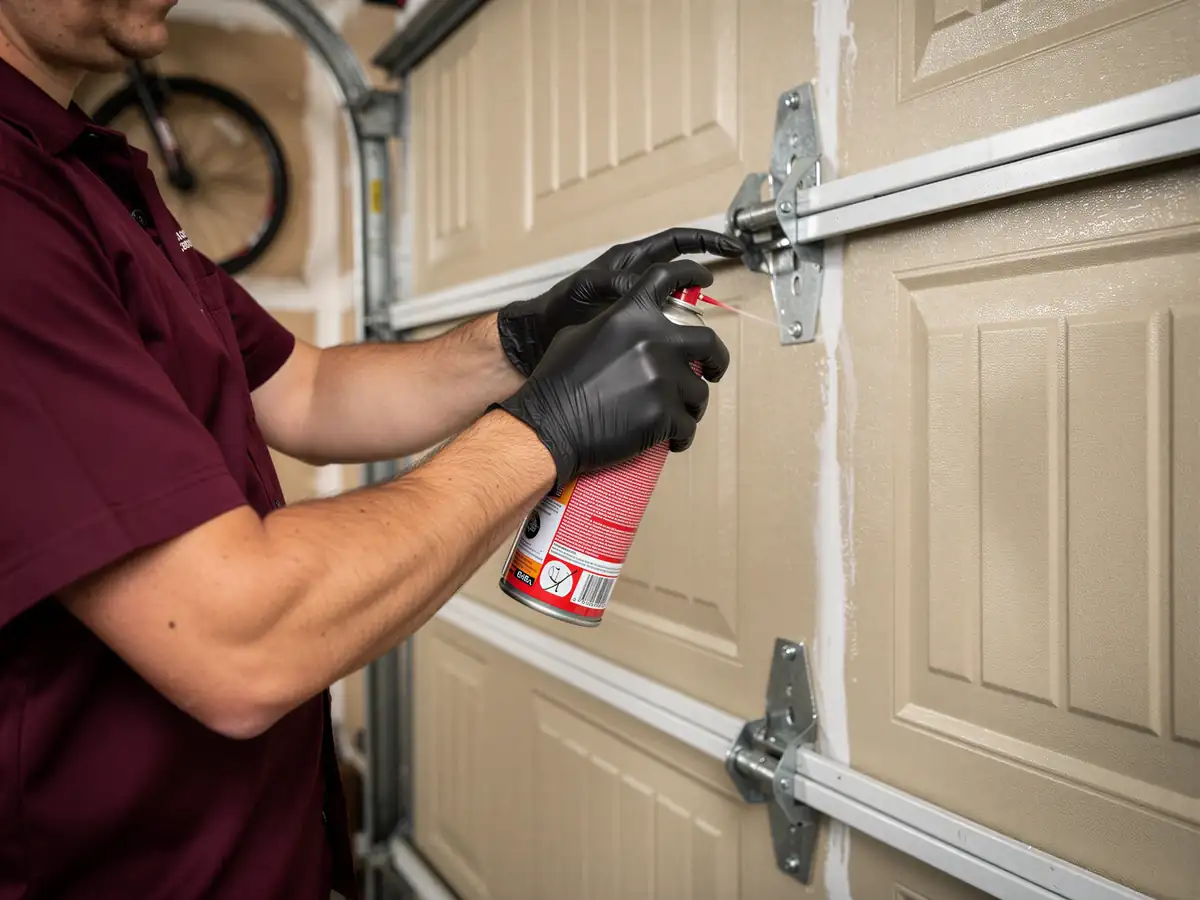
Houses from the early-to-mid 90s came with steel sectional doors on extension or torsion springs that were already fairly standardized, and garage door openers from that window are chain-drive units that have usually been swapped once already, sometimes twice. We spend less time here chasing the oddball hardware you find in older stock - side-mounted torsion setups, one-piece doors, openers with screw-drive mechanisms nobody makes parts for - and more time on openers reaching the end of a normal service life, worn rollers, and springs that have simply cycled out after twenty-plus years of daily use.
What That Means for Doors
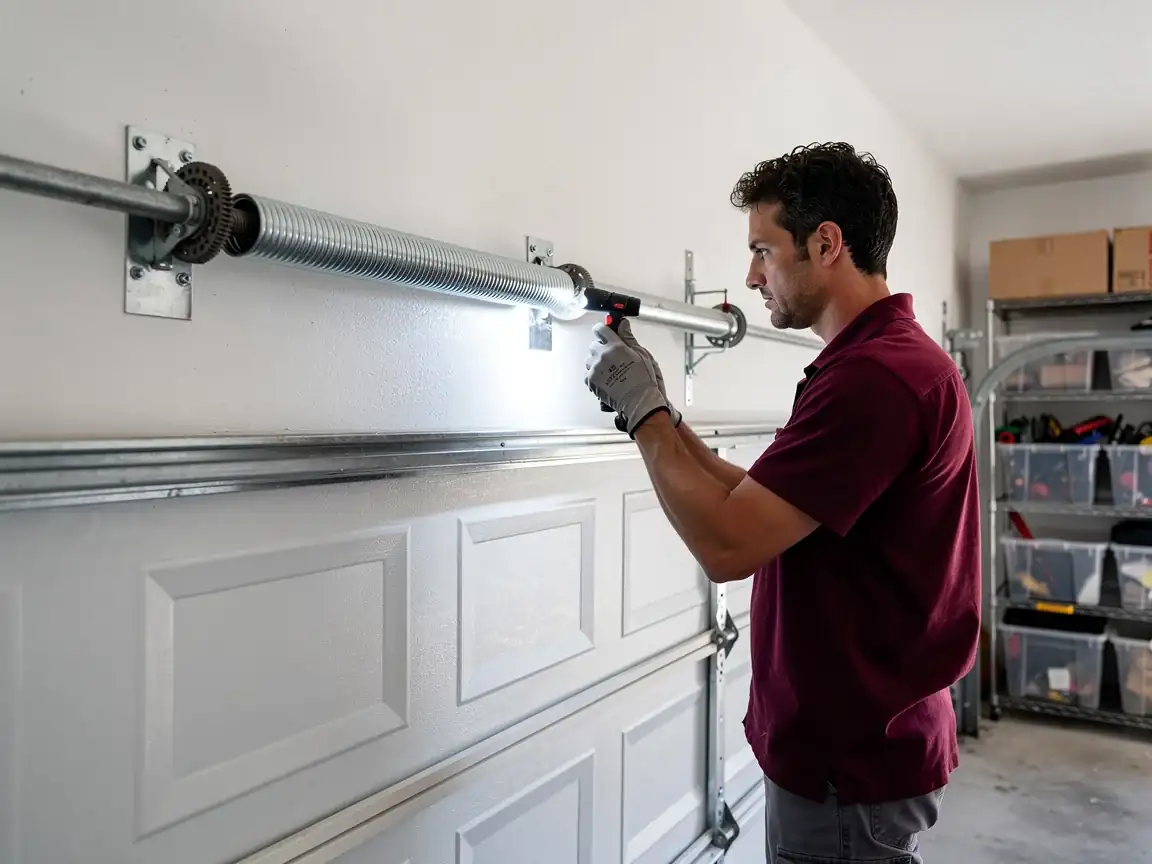
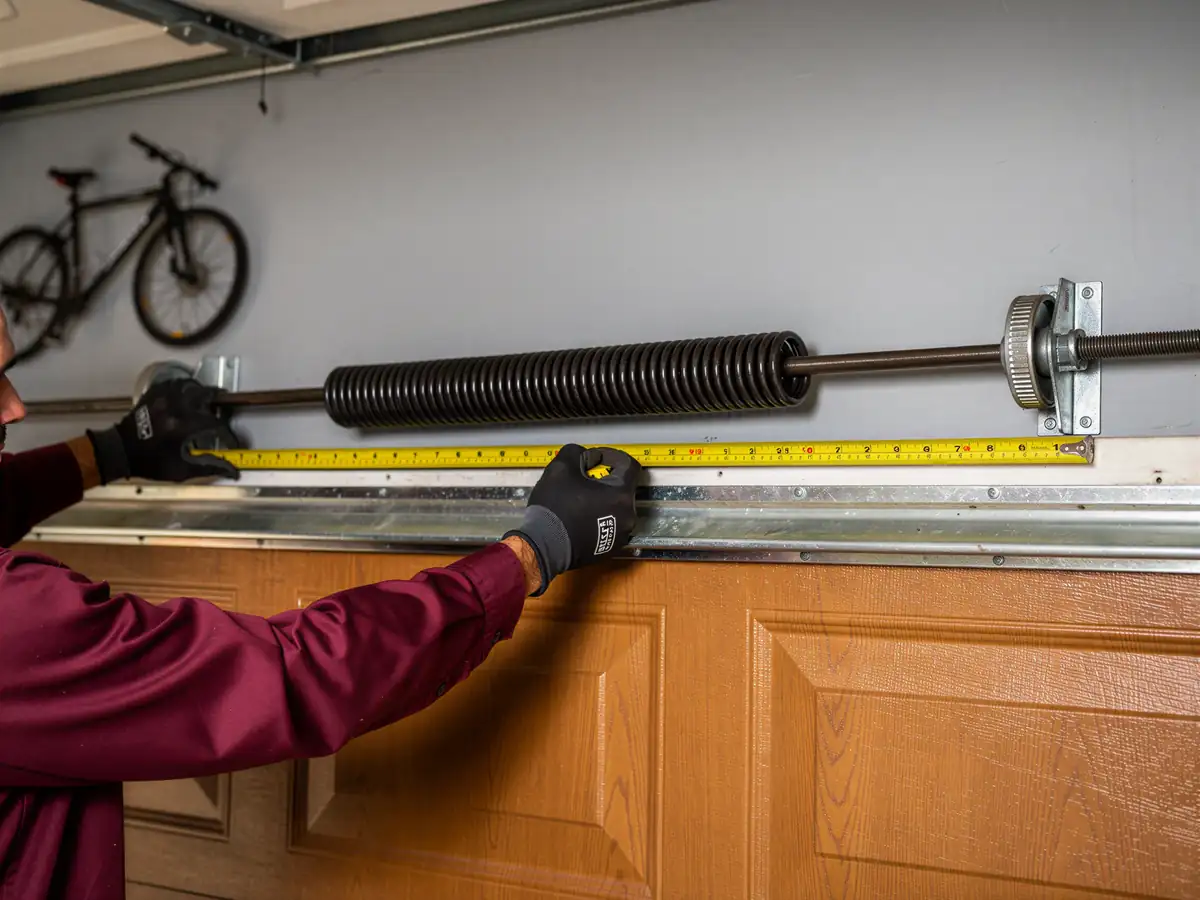
A door built in 1993 is old enough that its original torsion spring is very likely past its rated cycle count
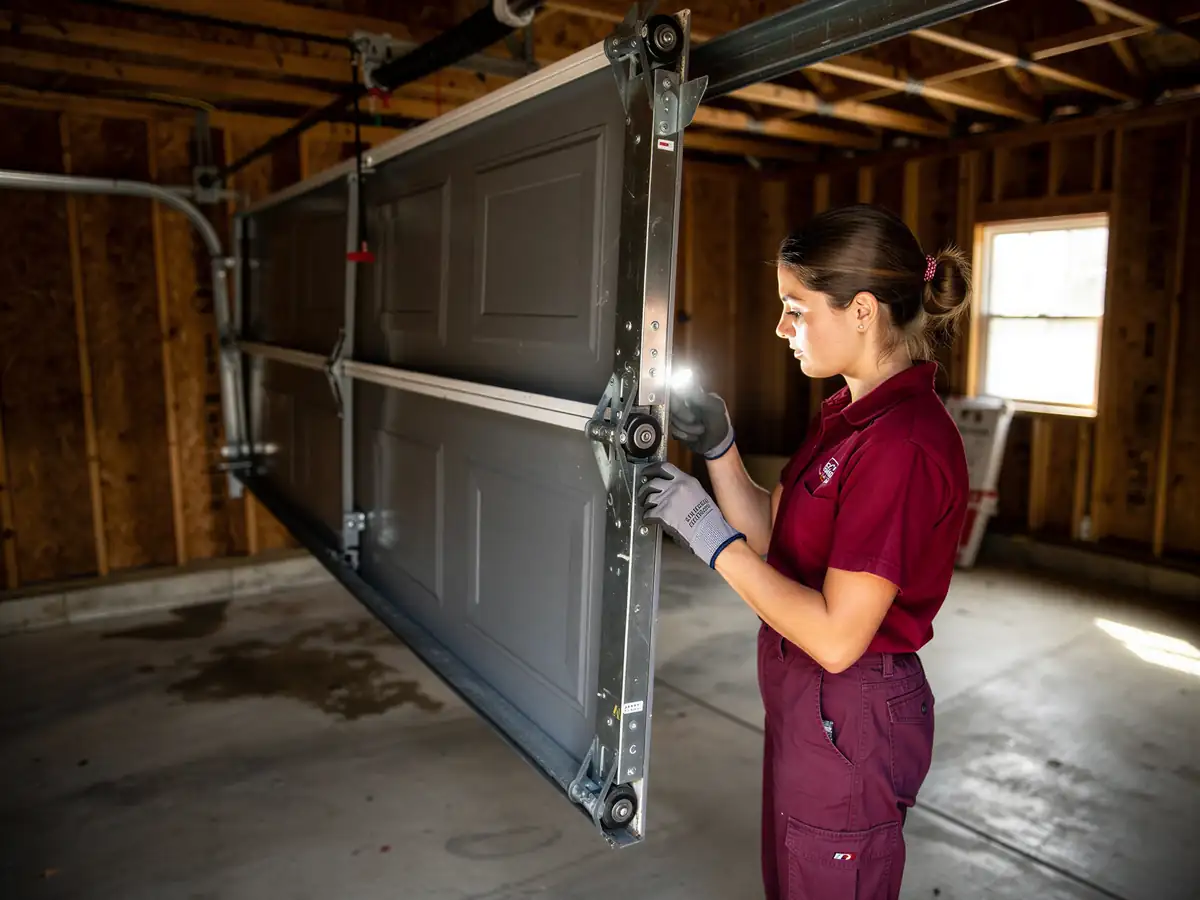
But new enough that the track, drum and cable hardware are still the modern style we carry parts for on the truck. That's a better combination than it sounds - it means most spring jobs out here are straightforward, not a hunt for a discontinued part.
Where Andover's housing stock gets interesting is the openers
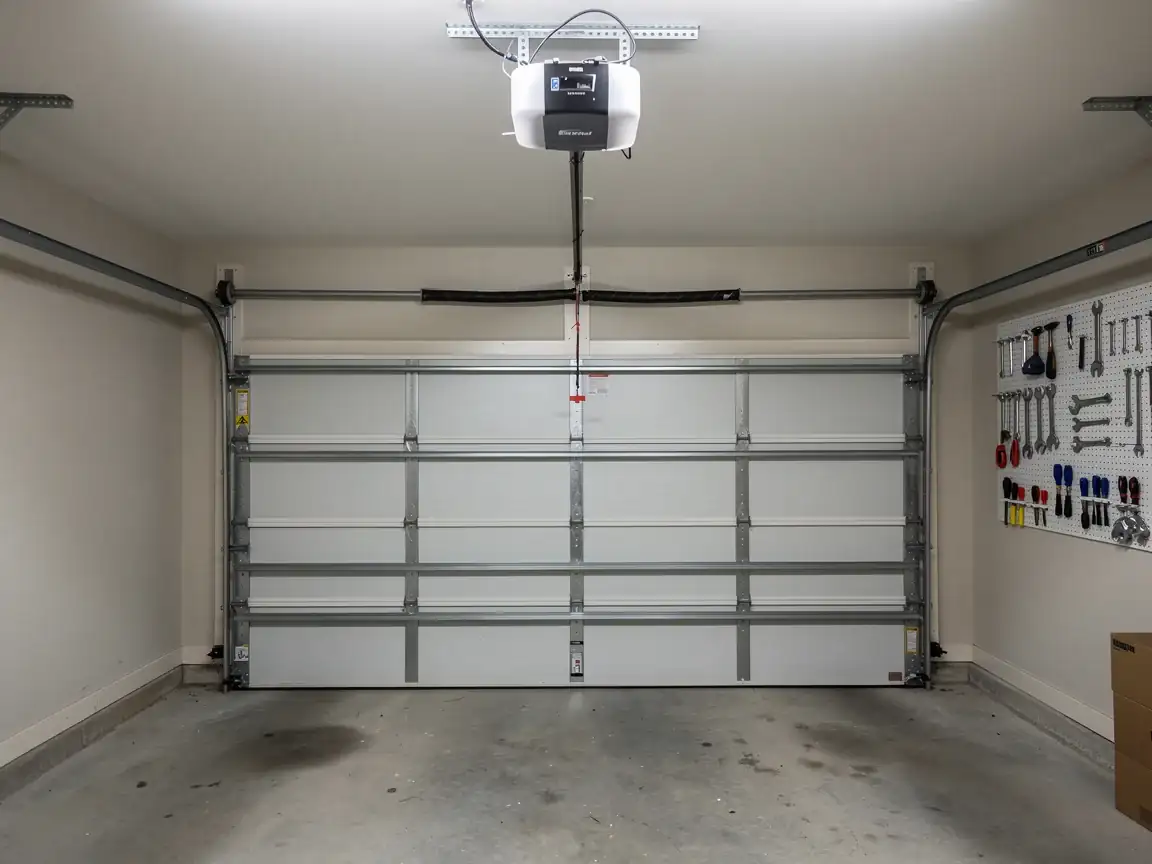
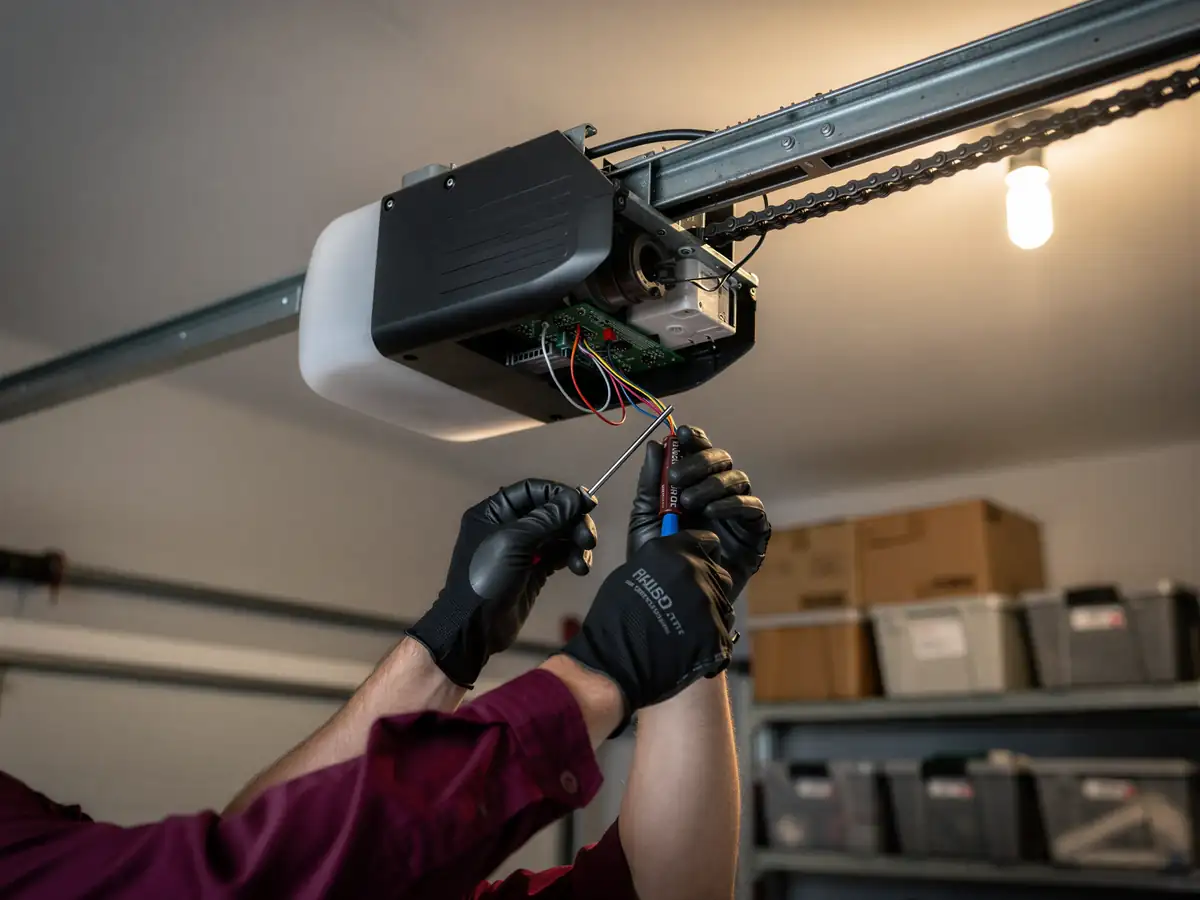
A lot of them are second or third-generation replacements, meaning you'll find a real mix: some houses still running a chain-drive unit from the 90s, others with a belt-drive swapped in sometime in the 2000s or 2010s. We don't guess at compatibility over the phone - we look at the rail, the drive type and the logic board before we say what it needs.
One limitation worth saying plainly
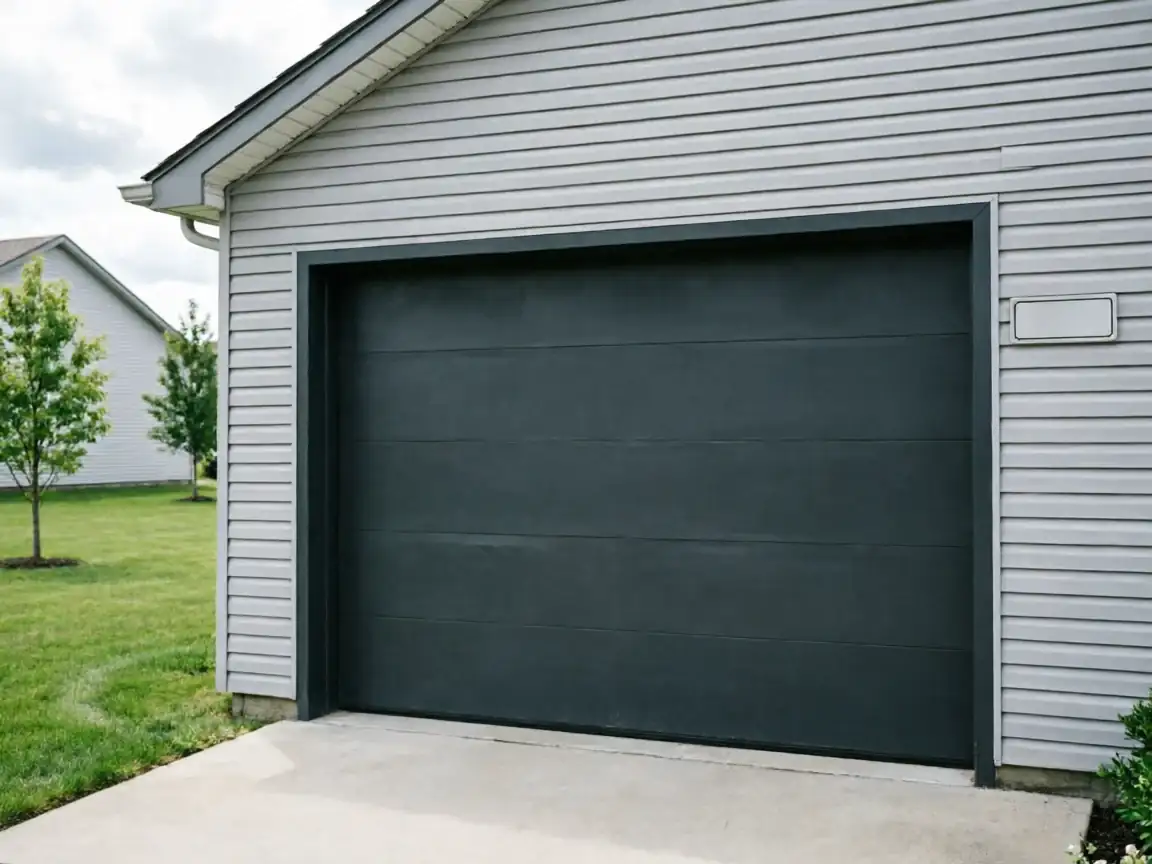
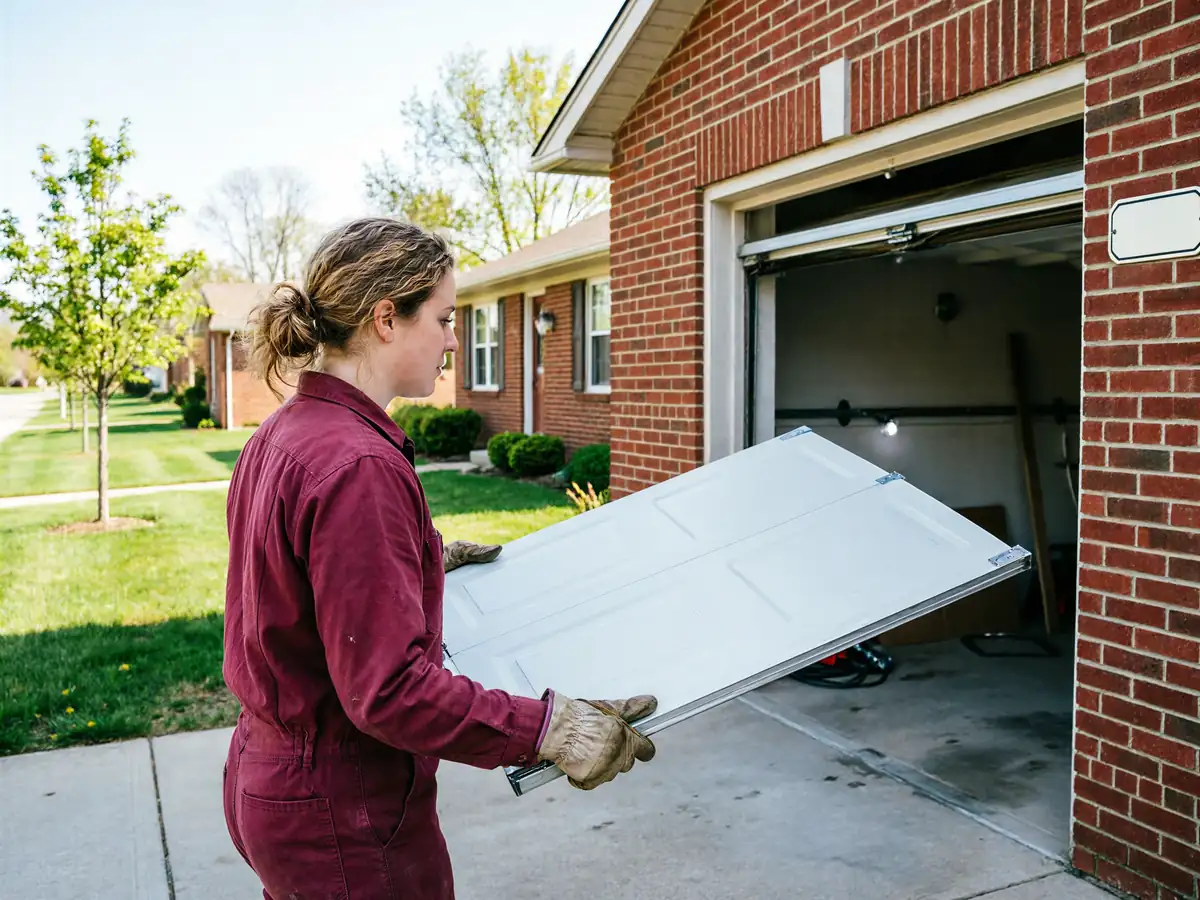
If a panel is cracked or badly dented on a door from this era, we're often better off pricing a new door than hunting down a matching replacement panel, since manufacturers don't keep every color and panel style in production for 30 years.
- 30 years
The Calls We Get From Here
The calls that come out of Andover lean toward wear-and-failure rather than hardware mismatch. Openers that won't respond to the remote, a door that reverses halfway up, a spring that let go with the loud bang homeowners always describe the same way. Minnesota's winters are part of it too - this is a cold-climate service area, and cold makes steel springs and nylon rollers more likely to fail exactly when you need the door most, early morning, car half in the driveway.
With 11,087 households in Andover and a median income of $131,528, we also see a fair number of calls for upgrades rather than straight repairs - insulated doors, quieter belt-drive openers, battery backup units for homes that don't want to get stuck during a winter outage. Those aren't emergency calls, they're planning-ahead calls, and we treat them differently on the schedule than a spring that's already broken.
This Area's Housing
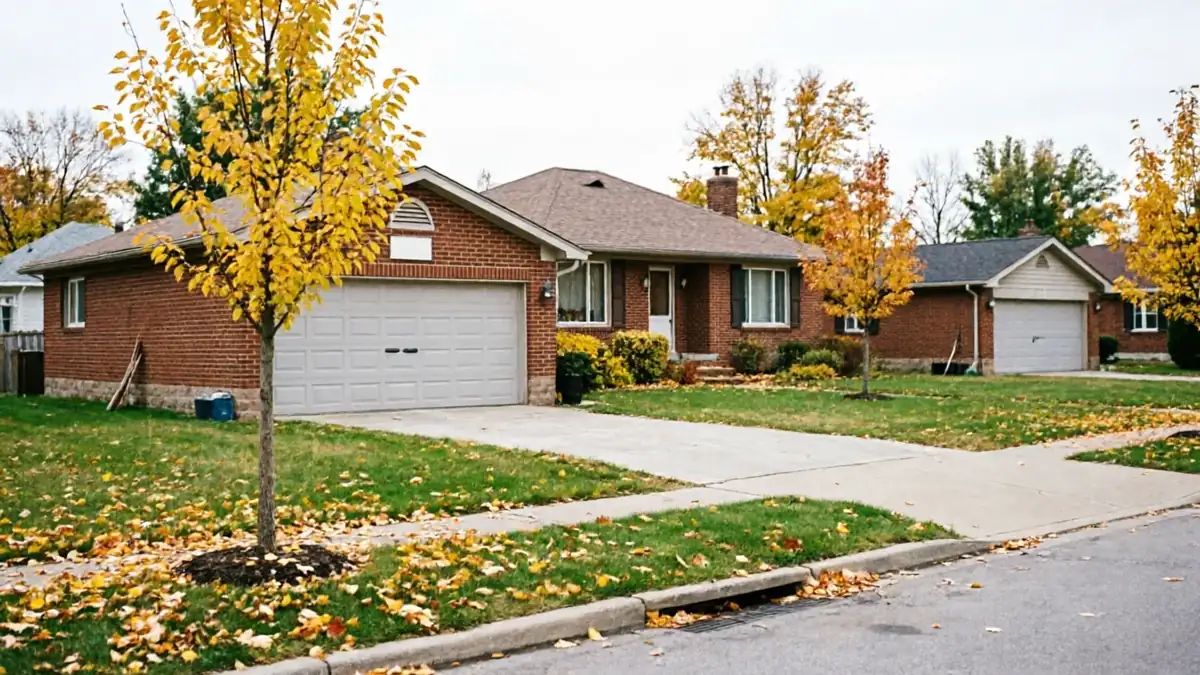
Andover's median year built sits around 1993, newer than the roughly 1980 median across our wider service area. That difference shows up directly in the hardware we're pulling out of garages here versus in some of the older-stock towns nearby. It's not a huge gap in years, but it's enough to put most Andover garage doors on this side of a real transition point in how doors and openers were built - post safety-sensor mandate, post the shift to steel sectional doors as the default, and generally on torsion rather than extension spring systems.
That doesn't mean every house is identical. Andover covers a lot of ground and includes pockets built earlier and later than the median, so a spring or opener here can still be anywhere from 15 to 35 years old depending on the block. What it does mean is that when we show up, we're not starting from zero guessing what's behind the door - the odds favor a configuration we see often.