What We Do Most in This Area
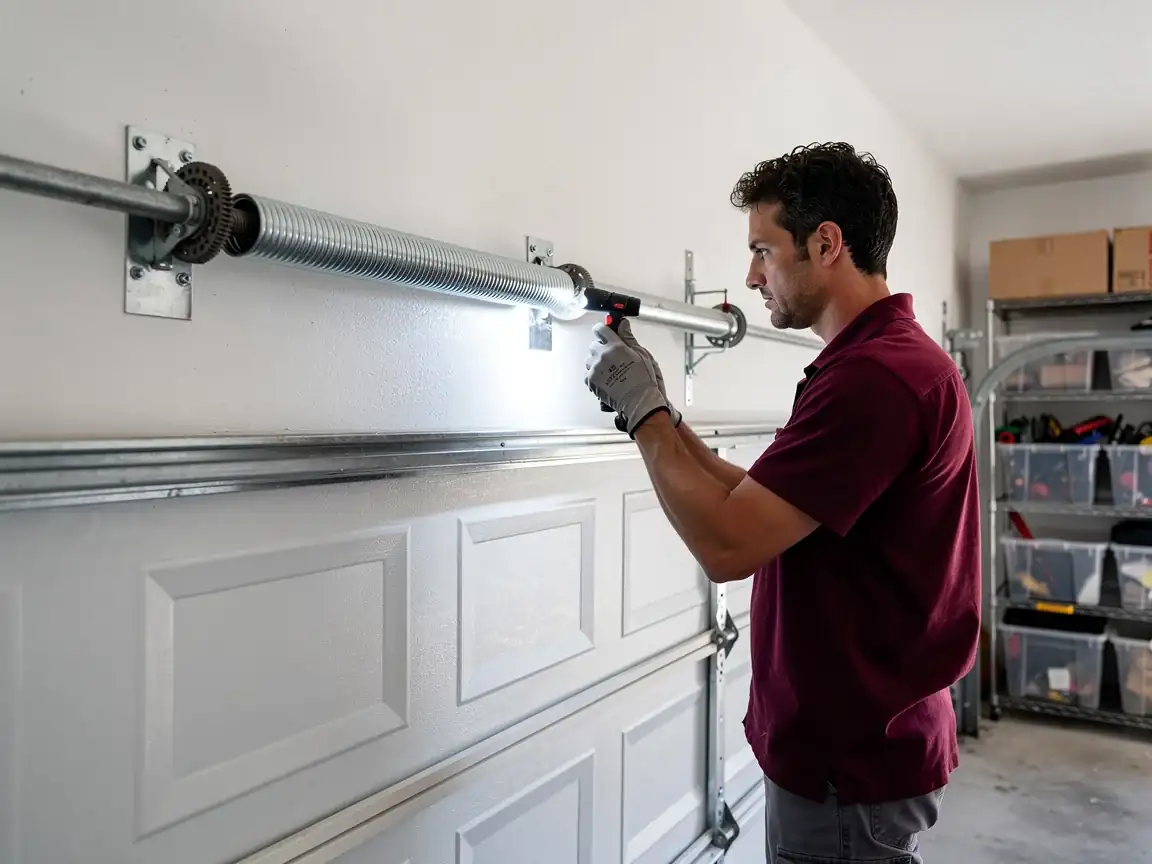
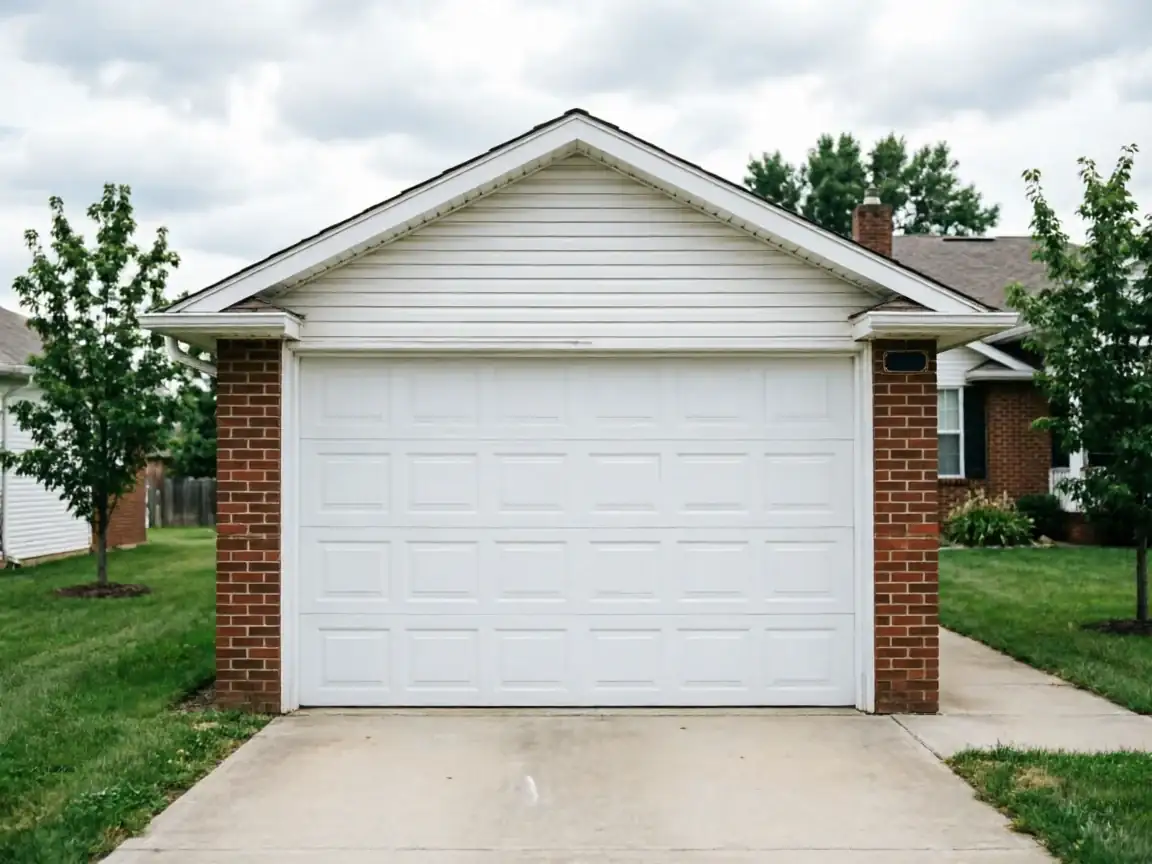
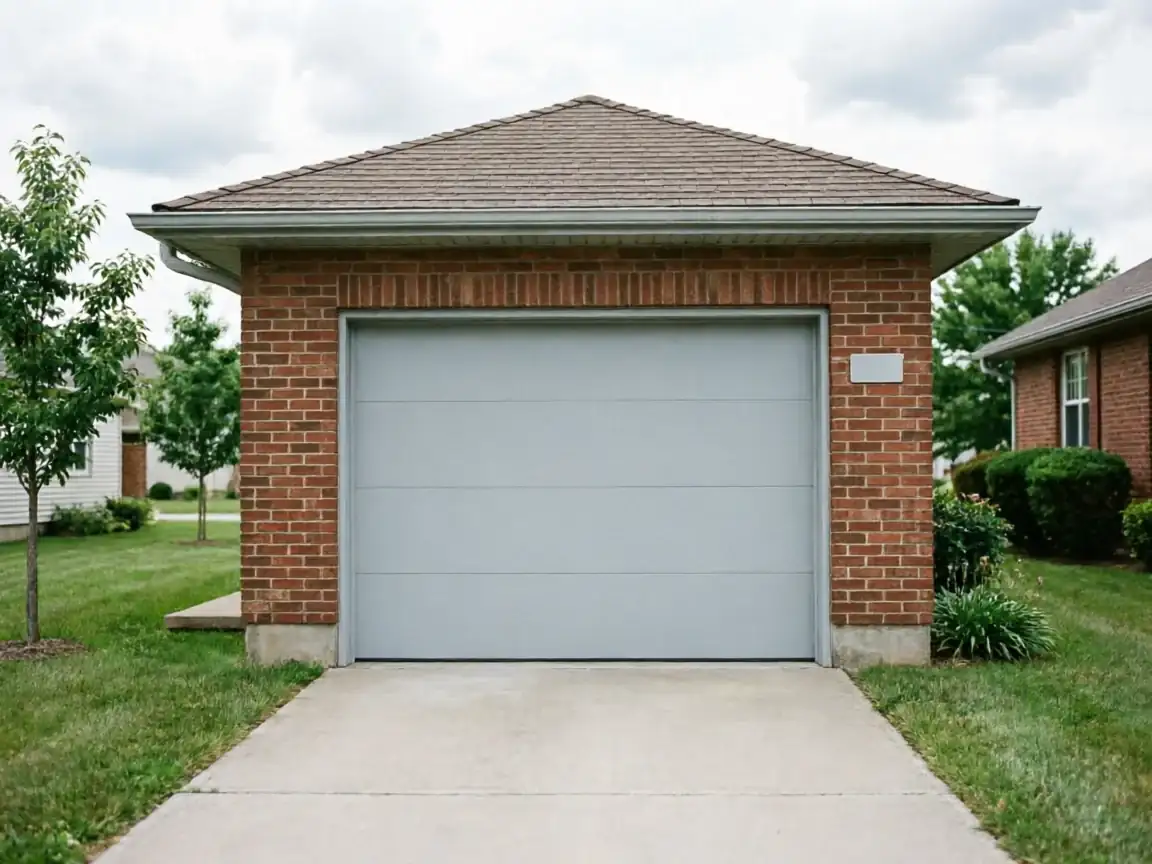
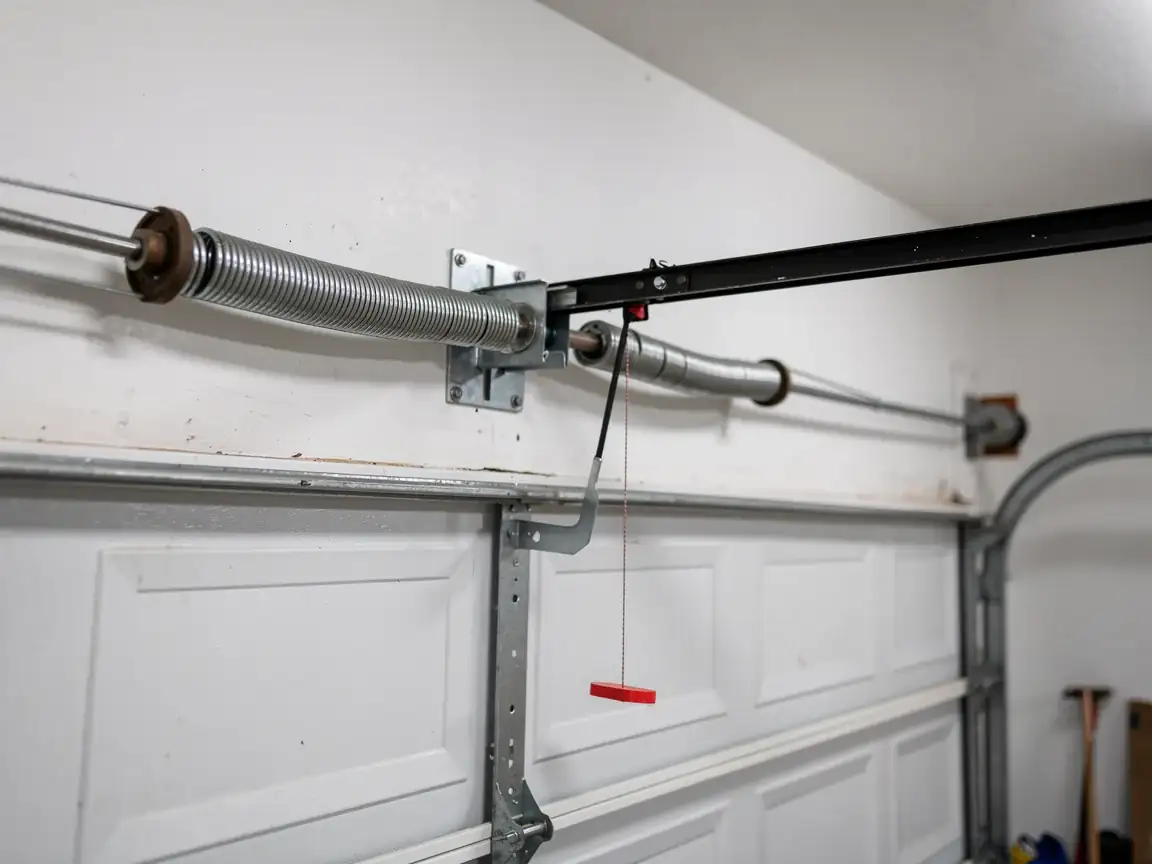
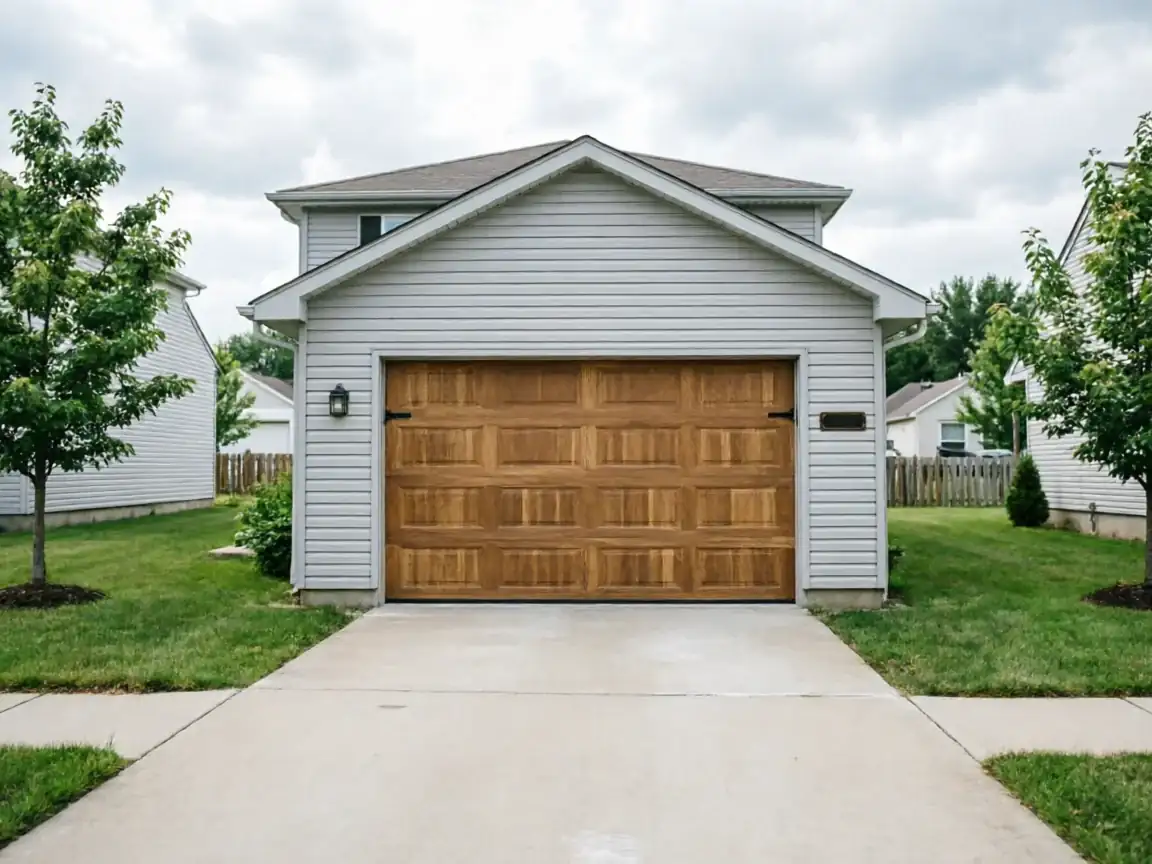
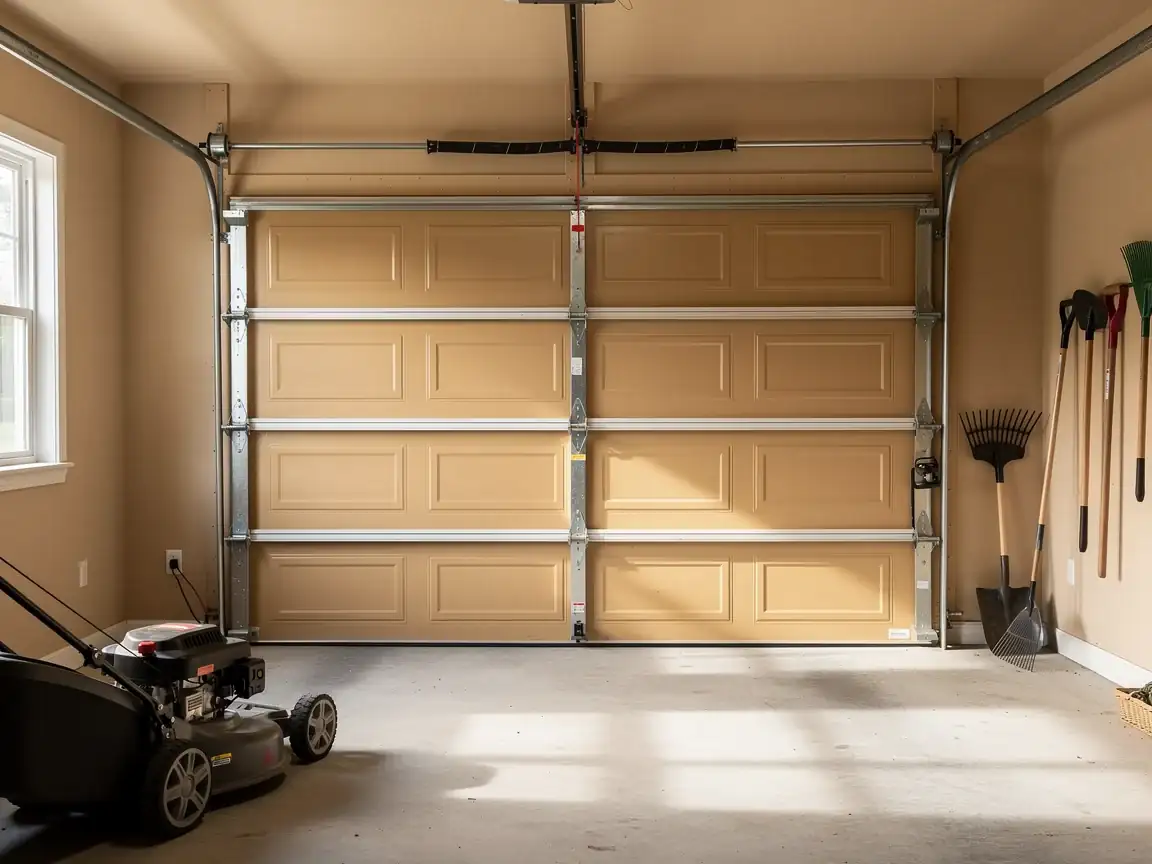
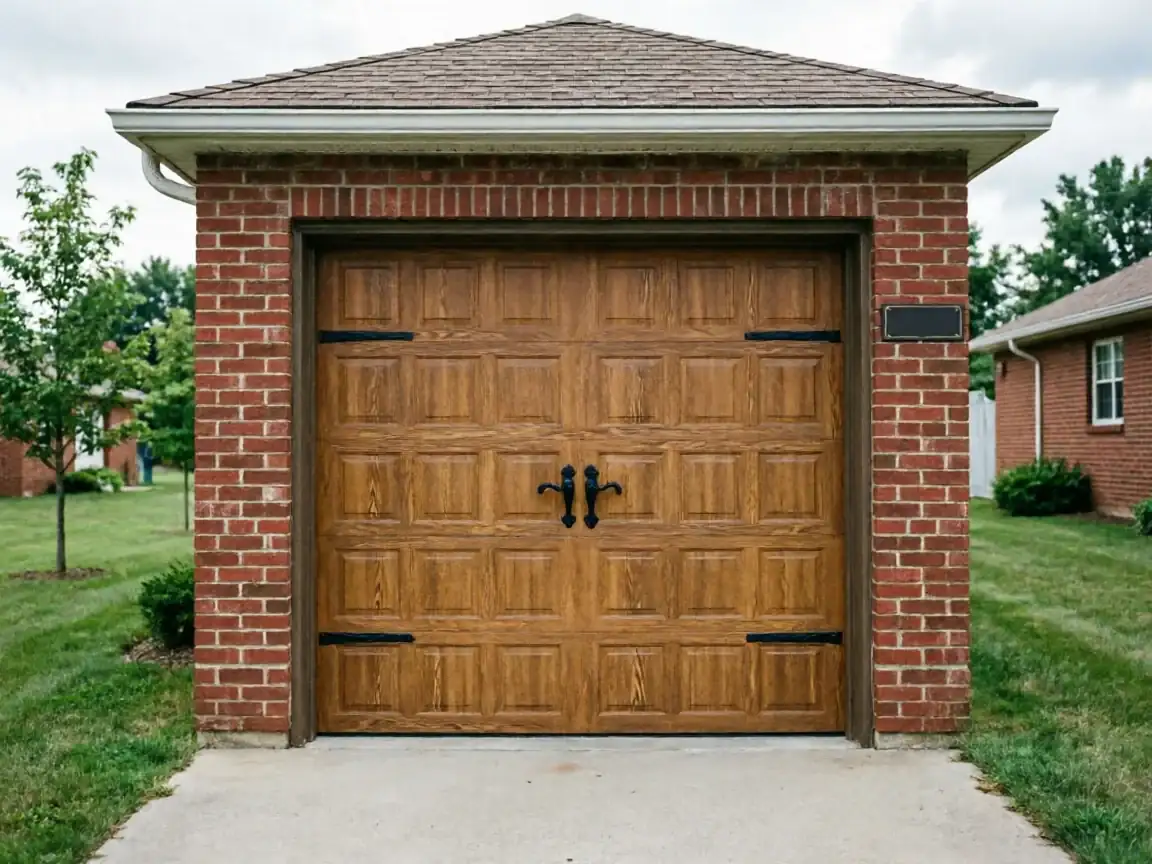
Champlin sits about 9 miles from our Blaine shop, and the calls we get out here skew different from the rest of the service area. The median home in Champlin went up around 1988, which puts most of the neighborhood squarely in the late-80s builder-grade window: steel sectional doors, chain-drive openers from the first wave of residential automation, and torsion springs sized to the lighter doors that era used. That's roughly a decade newer than the median build year across the broader service area (1980), so Champlin doors are usually in better shape structurally, but the openers are old enough that circuit boards and logic units are starting to fail outright rather than just needing a sensor realignment. We spend more time here swapping full opener units than we do chasing wiring gremlins. Springs are the other recurring job - a 35-year-old torsion spring, even a well-maintained one, is past its rated cycle count, and when it lets go on a cold morning it takes the cables with it more often than not.
The Calls We Get From Here
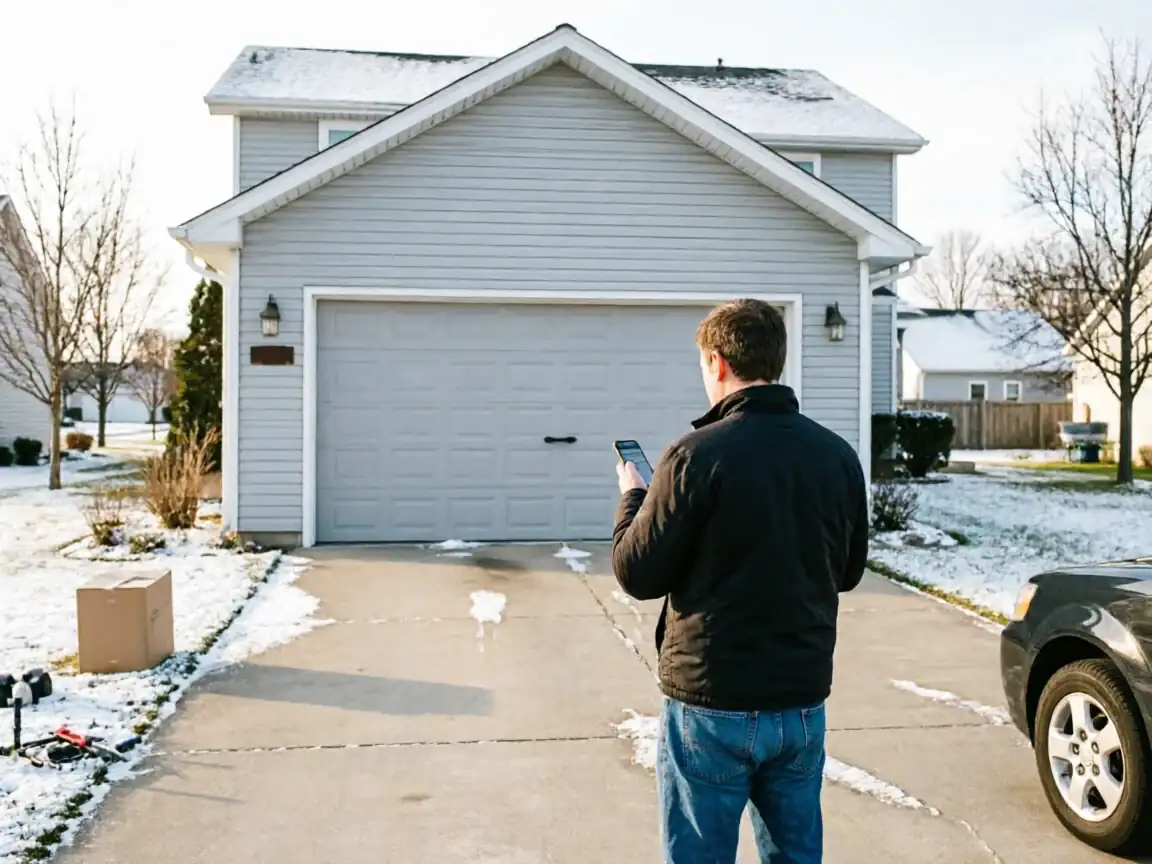
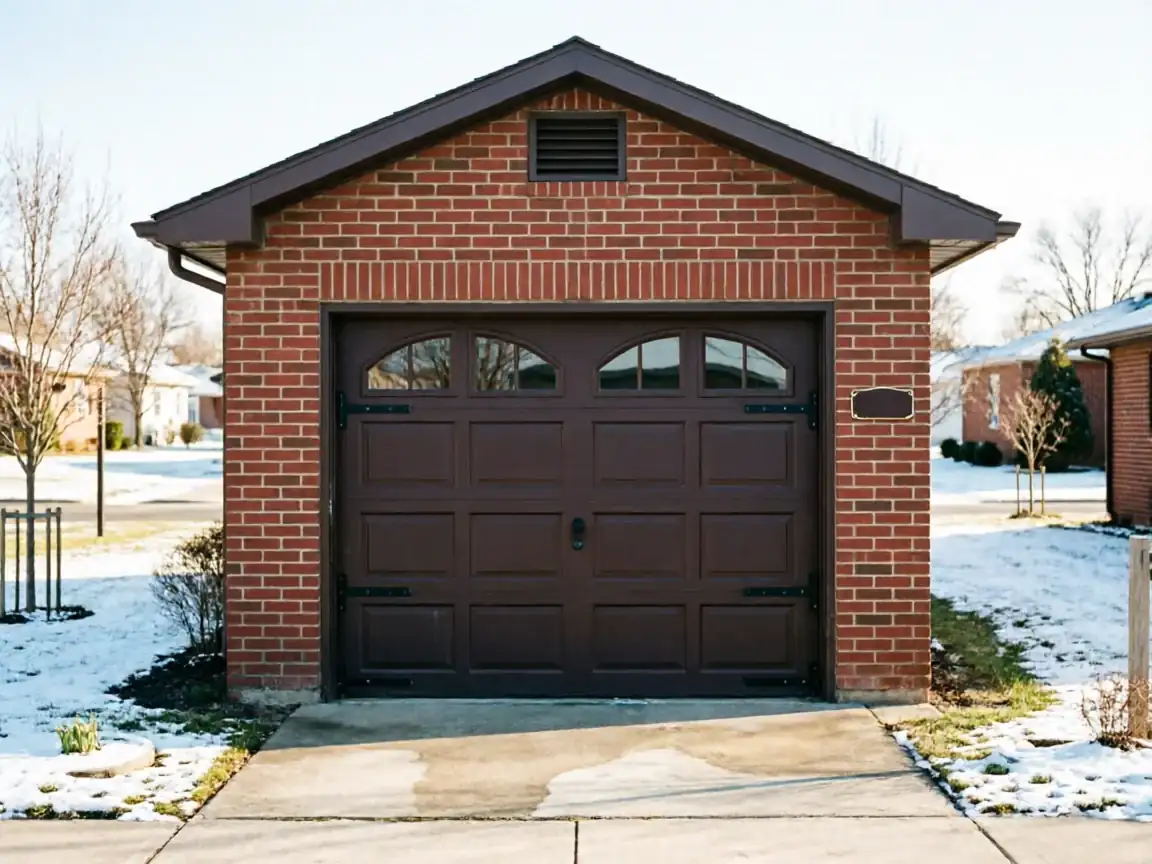
Winter is the busy season for Champlin calls, same as everywhere in this climate, but the failure pattern here is specific: a torsion spring from the late 80s snapping in sub-zero cold, or a chain-drive opener that's been straining against a stiff, cold-contracted door until the gear set strips. We also get a steady run of calls about openers that run but won't respond to the remote - usually a dying circuit board rather than a dead remote battery, which is an easy thing for a homeowner to misdiagnose. With roughly 8,699 households in Champlin and a median income near $115,719, we also see more owners opting for full opener and spring upgrades rather than patch repairs - newer belt-drive units and dual springs hold up better against the cold than what the original builders installed.
This Area's Housing
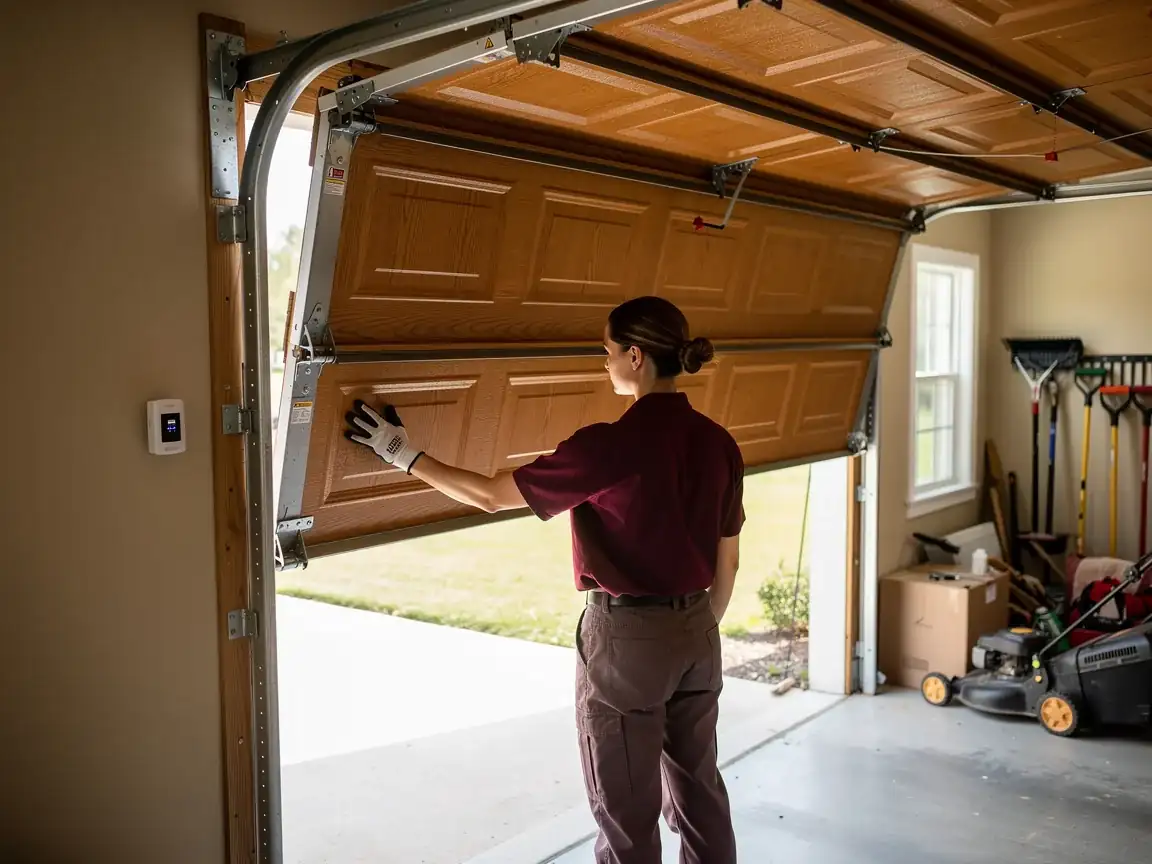
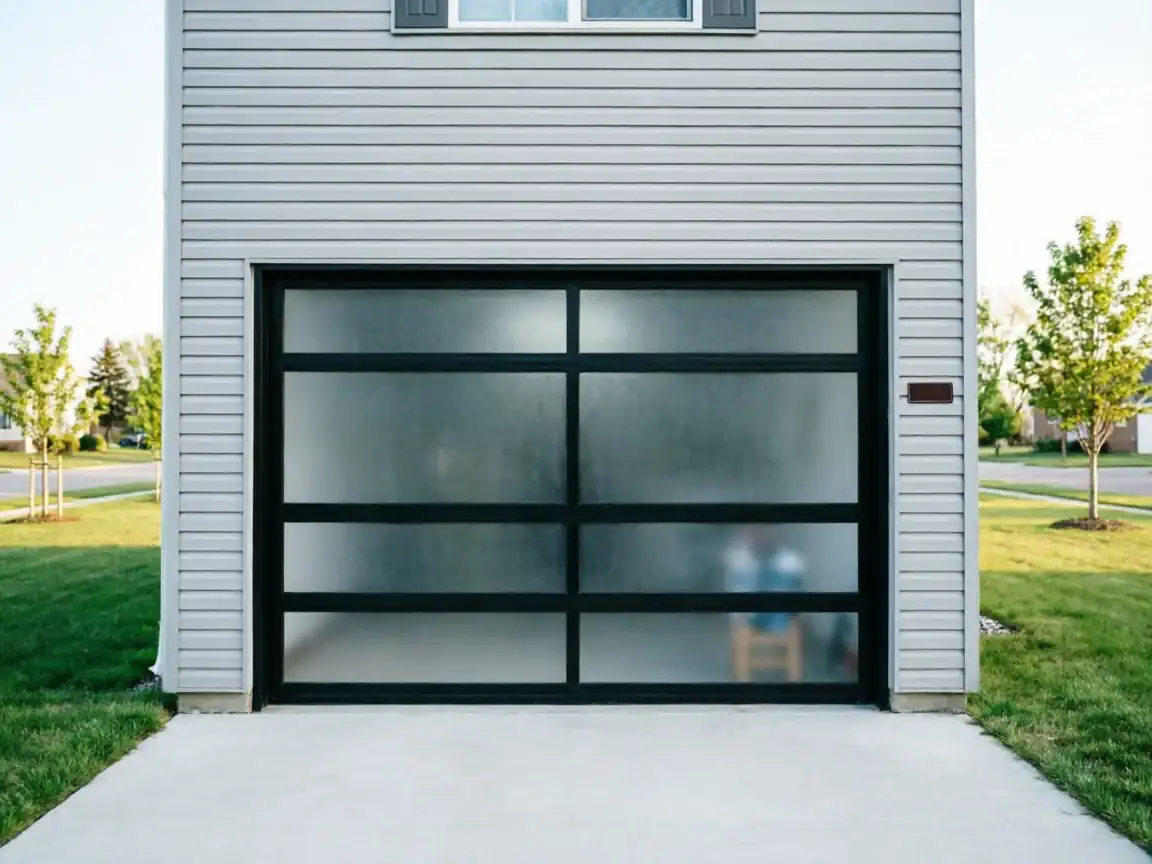
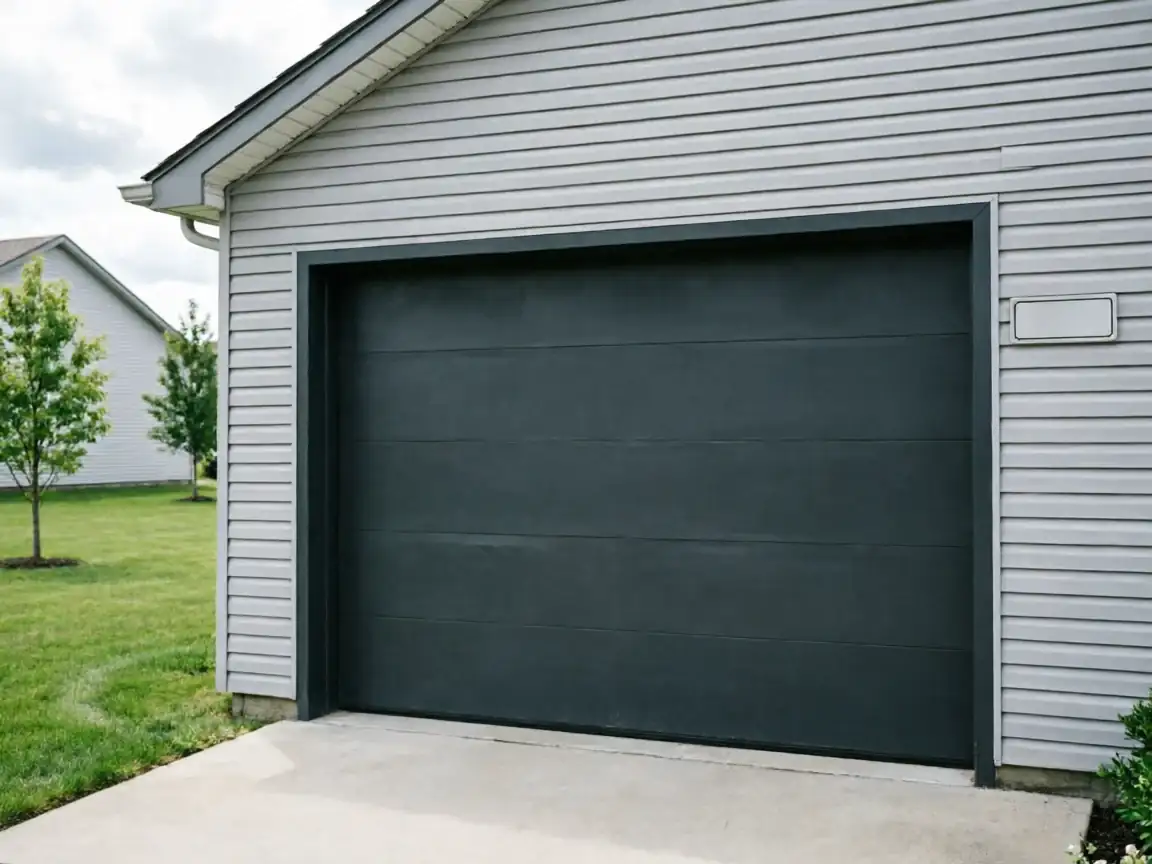
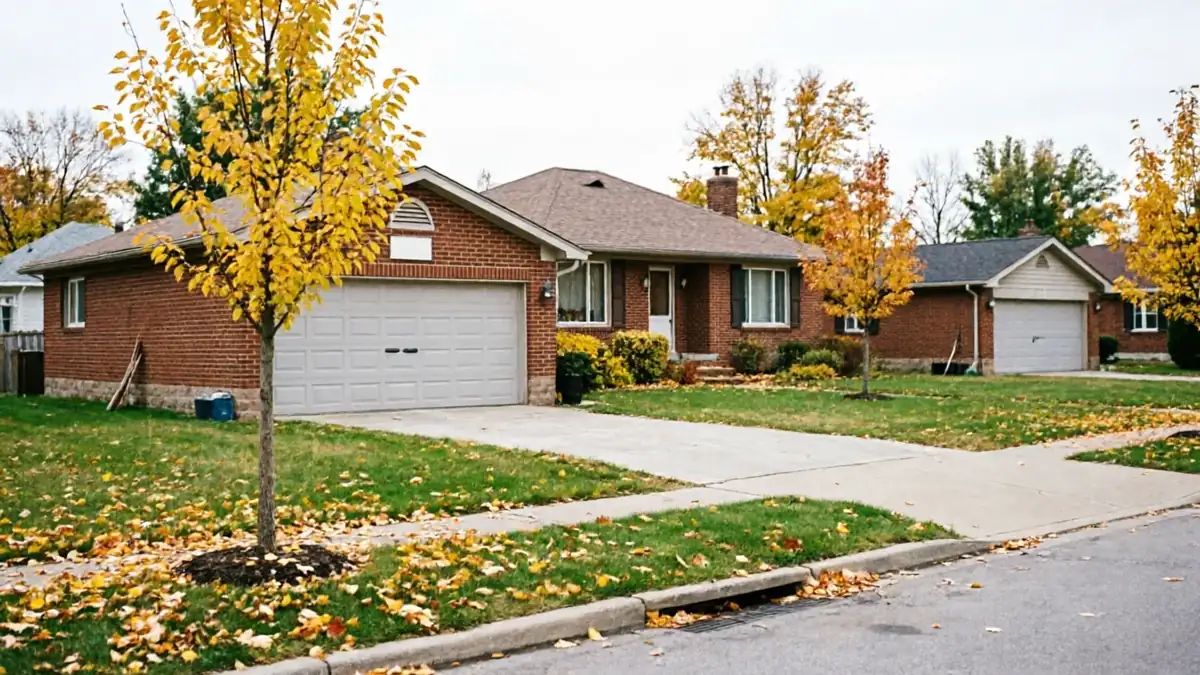
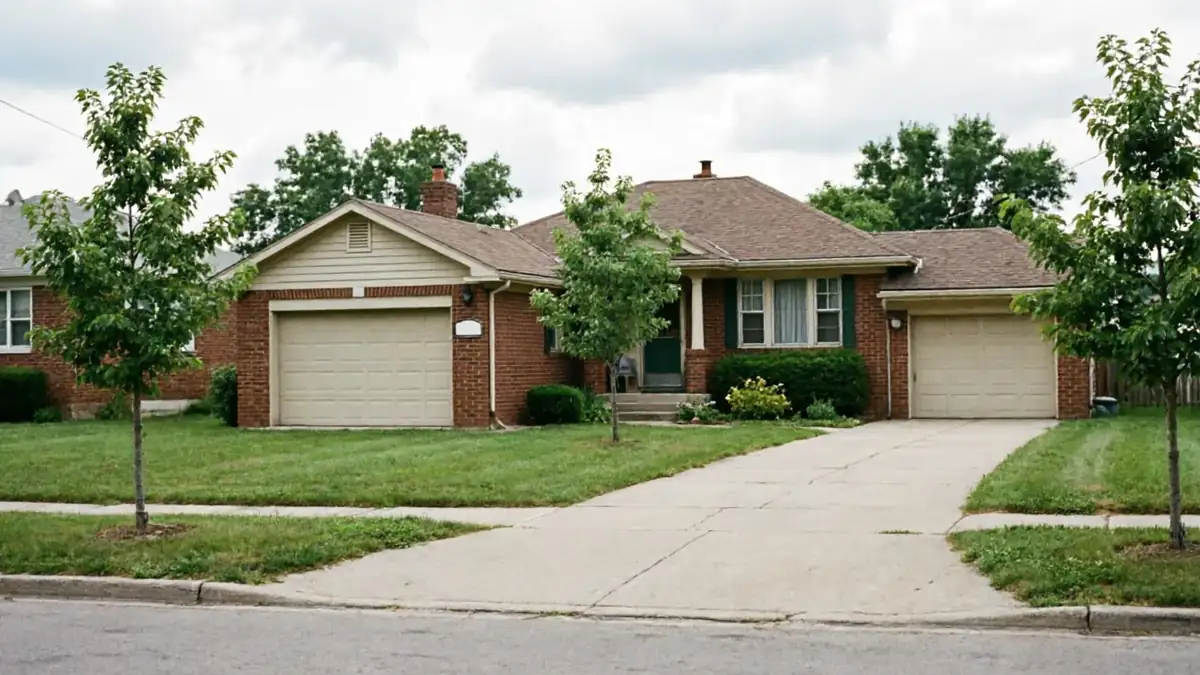
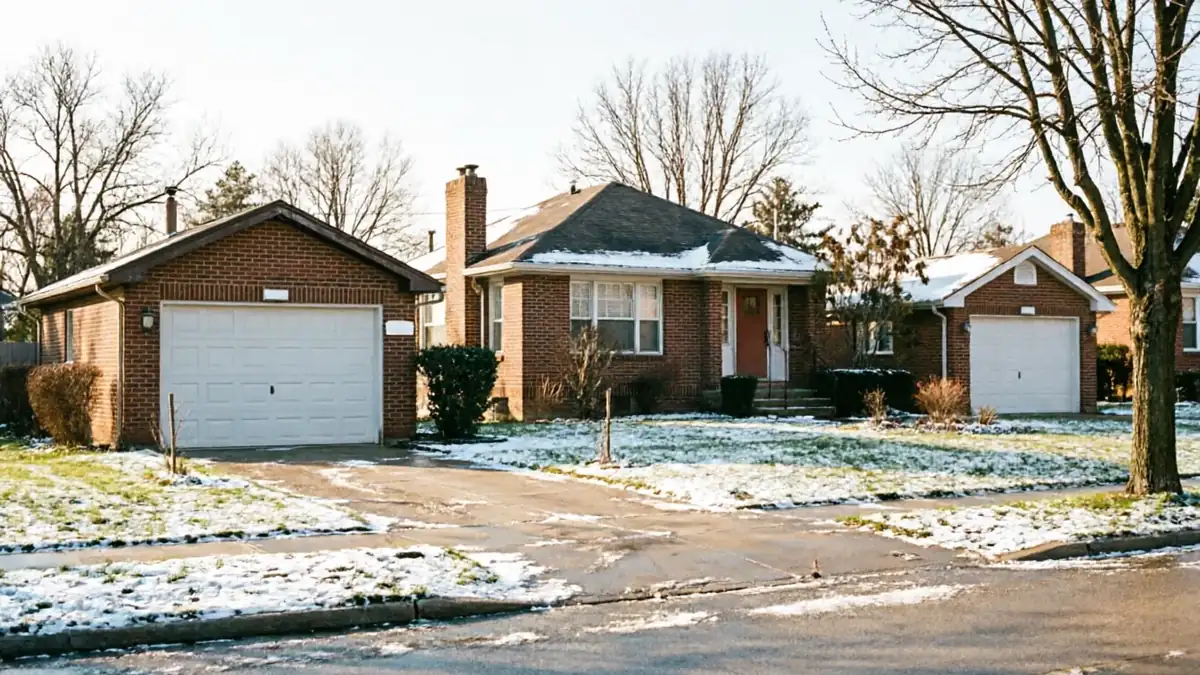
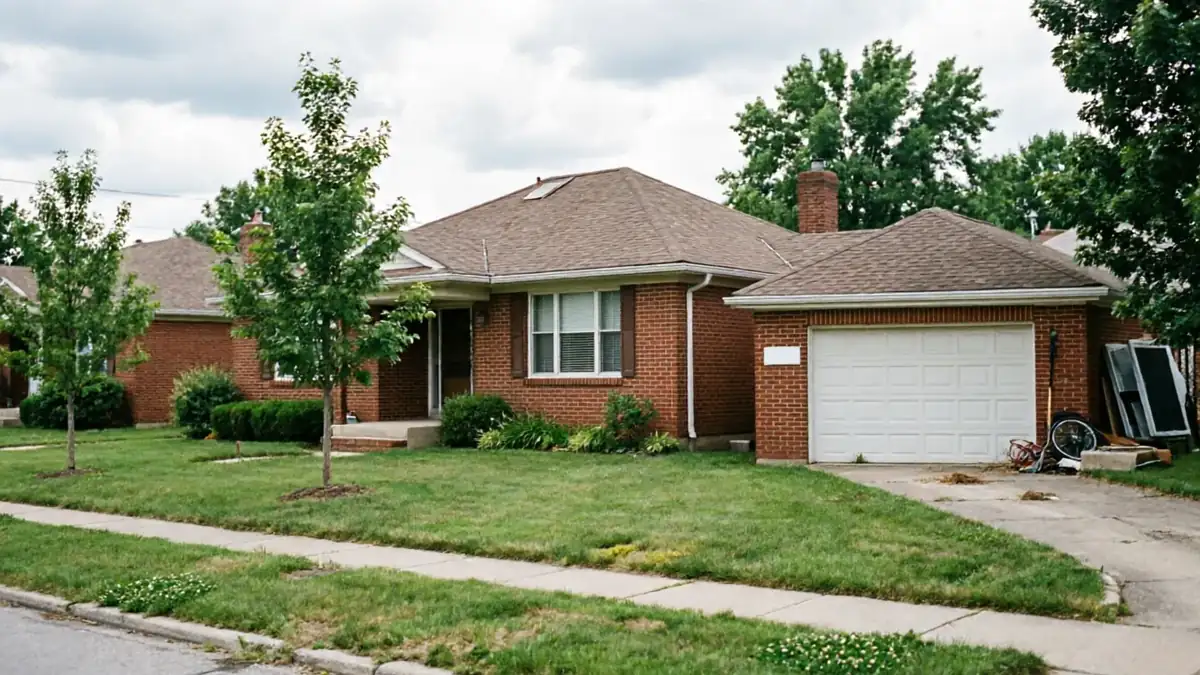
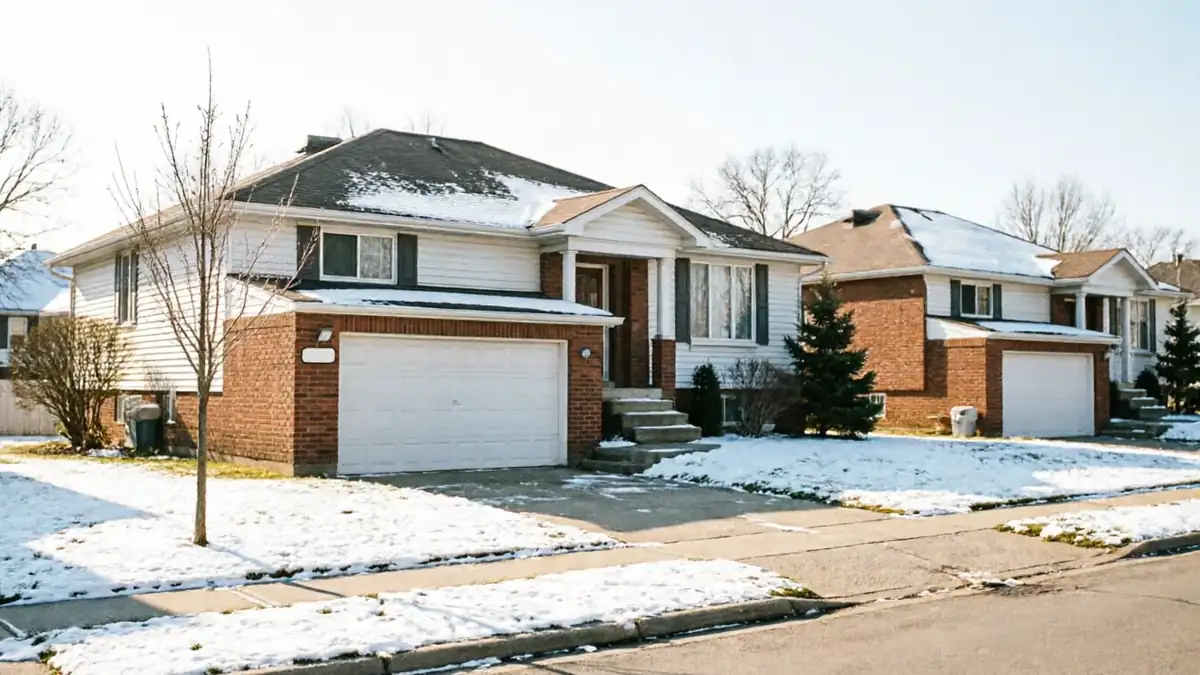
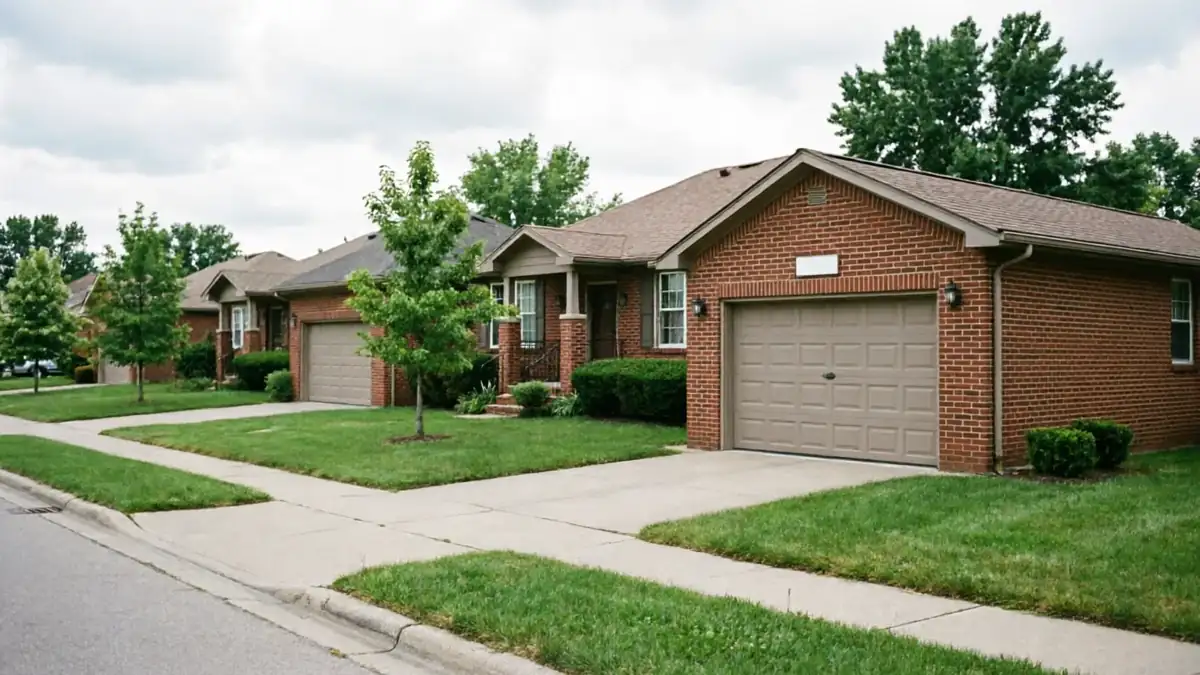
Champlin's housing stock centers on 1988, which is about eight years newer than the median across our wider coverage area and puts most homes here past the first wave of starter-home construction and into the more established subdivisions built through the late 80s and early 90s. That means fewer of the original one-piece doors you'd find on an older 1960s block, and more two-car steel sectional doors on standard torsion hardware - common enough that parts are usually easy to source, unlike some of the older housing stock elsewhere in the area. Severe cold winters are hard on any garage door regardless of age, but a door built in this era is old enough now that springs, cables, and opener electronics are reaching the end of their service life around the same time, which is why we see more full-system jobs than single-part fixes out here.