
Blog
The Noises Your Garage Door Makes - And What They're Telling You in Blaine
Blaine homes built mostly 1957-2003 hit cold Minnesota winters hard. Learn what grinding, popping, or slamming garage door noises mean - and when to call.
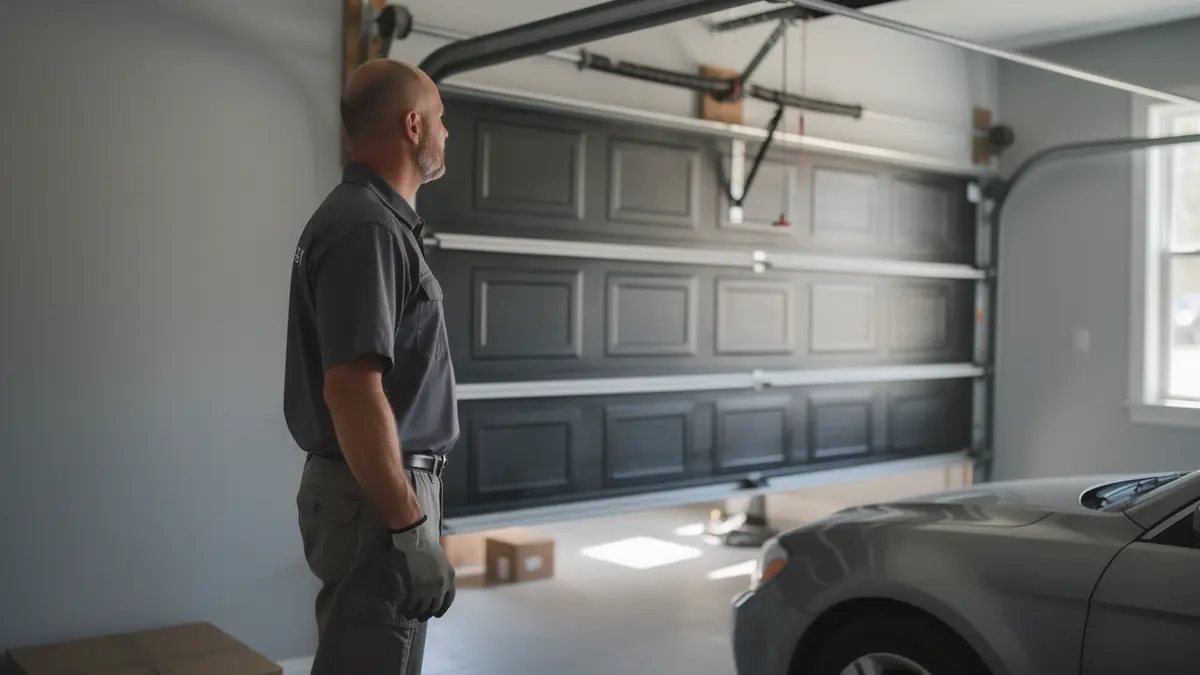
What Changes With the Season
Most houses in Blaine went up between 1957 and 2003, with the median sitting around 1980, which means a lot of original torsion hardware sized for steel doors nobody makes anymore. That hardware was set to a tension that assumed a certain temperature range, and it doesn't hold that setting all year.
In fall, grease in the rollers and hinges starts to stiffen before you notice anything else. The opener has to work a little harder to pull the door through its travel, and you'll hear it in a slightly longer motor hum before the door starts moving. By the time real cold sets in, that stiff grease turns into drag, and drag turns into noise - usually a dry squeak at the rollers first, then a harder scrape if nobody oils it.
Steel contracts as it cools. A panel that fit snug against its neighbor in August can rattle a little in its track come January, not because anything broke, but because the metal is a fraction of an inch narrower than it was. None of this means the door is failing. It means the season changed and nobody adjusted for it. Most of it is a five-minute fix with the right grease and a wrench on the track bolts - if you catch it before something actually breaks.
When to Call Someone
A grind that shows up only when the door is moving and goes away when it stops is usually a dry roller or a worn bearing - annoying, not urgent. A loud pop followed by the door refusing to move, or sitting crooked in the opening, is different. That's often a cable or a spring giving out, and a door sitting on a broken spring is a door that can drop.
A slam at the top or bottom of travel, especially if it's gotten louder over a few weeks, usually means the limit settings or the opener's force adjustment have drifted off from where they were set. That's worth a call before it turns into a cracked panel.
Here's the honest limit: we can't tell you over the phone which of these it is. A grinding noise can mean a $20 part or a $400 one, and guessing wrong on a torsion spring - where a lot of the double doors on 1980s-built Blaine houses still run older hardware - is how people get hurt. If the door is moving unevenly, making a new noise it didn't make last month, or has started slamming instead of settling into its stops, that's the point to call instead of keep oiling it.
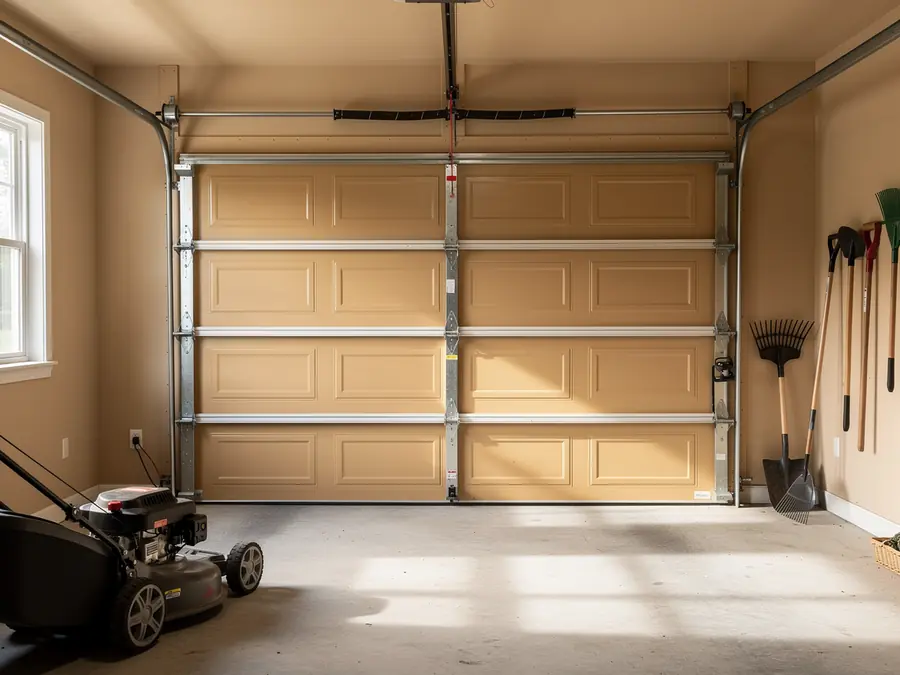
What the Weather Here Does to It
Blaine sits in a cold-severe climate band, so spring tension shifts enough between a 20-degree morning and a 70-degree afternoon that a door balanced in July can groan in January. Steel springs lose a little flex as temperatures drop, which means the door feels heavier to the opener and the opener compensates by pulling harder - often with a strained, higher-pitched motor sound you won't hear in warmer months.
Condensation is the other piece. Across the 128,969 owner-occupied houses in this service area, a huge share were built before double-insulated steel panels were standard, so single-layer panels pop and flex more as the metal contracts overnight and expands again once the garage warms up. That tick-tick-tick you sometimes hear after the door's been sitting closed for a few hours on a cold night is usually just that: the panel settling as it changes temperature, not a mechanical fault.
Where it does become a fault is at the weatherstripping and bottom seal. Cold makes rubber brittle, and a seal that's already a few years old can crack and let the bottom of the door bind slightly against the frame, which shows up as a scrape at the very bottom of travel. That's a cheap fix if it's caught early and an opener strain problem if it's ignored through a whole winter.
What Is Going On
With 258,628 households in the area and a median income of $100,179, a lot of these doors are overdue for replacement rather than another spring swap, especially once a door is into its third decade and the steel has thinned at the stress points around the hinges. Repair makes sense for a worn roller, a stretched cable, or a seal gone brittle. It stops making sense once the panels themselves are flexing out of square - at that point you're paying to patch something that's going to need doing again next winter.
If you're within a few miles of Circle Pines, Spring Lake Park, or Mounds View, your house was likely built in that same 1957-2003 window and carries the same cold-weather habits: stiffening grease in fall, tighter tolerances in deep cold, panels that tick as they contract. None of that is a defect. It's what this housing stock does in this climate, every year, on a schedule you can mostly get ahead of with a fall tune-up instead of a January emergency call.
Services
Garage door services in Blaine
- 01
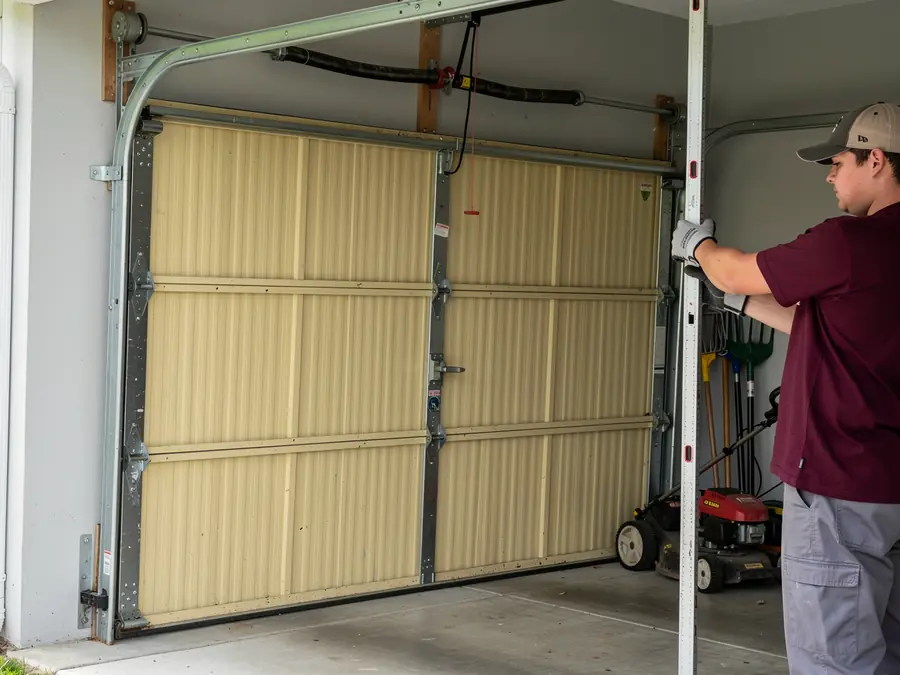 Garage Door RepairBlaine's 1980s-90s housing and severe winters often strain torsion springs and openers. Blaine Garage Door Pros repairs springs, cables, and openers fast.
- 02
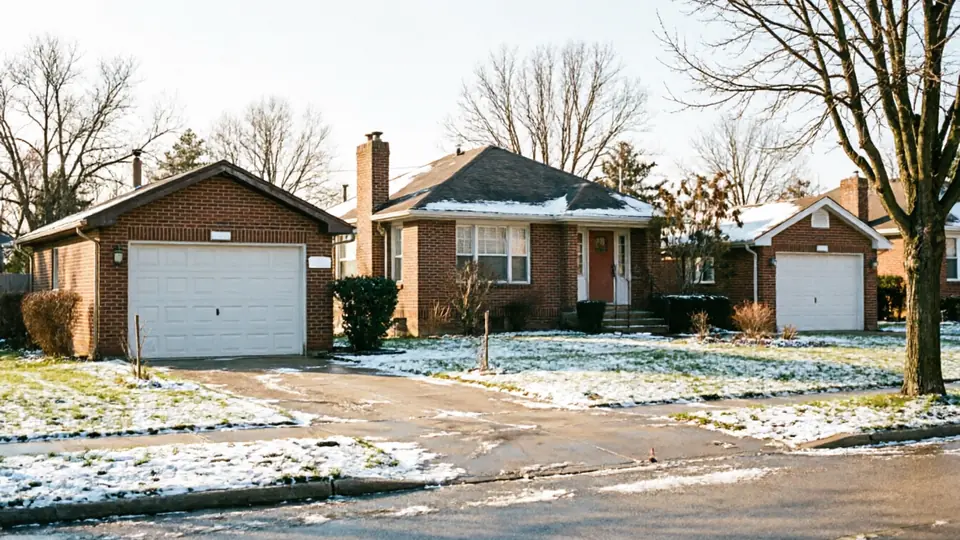 Garage Door InstallationNew garage door installation in Blaine, MN for homes built 1957-2003, sized and insulated for our severe winters and matched to original rough openings here.
- 03
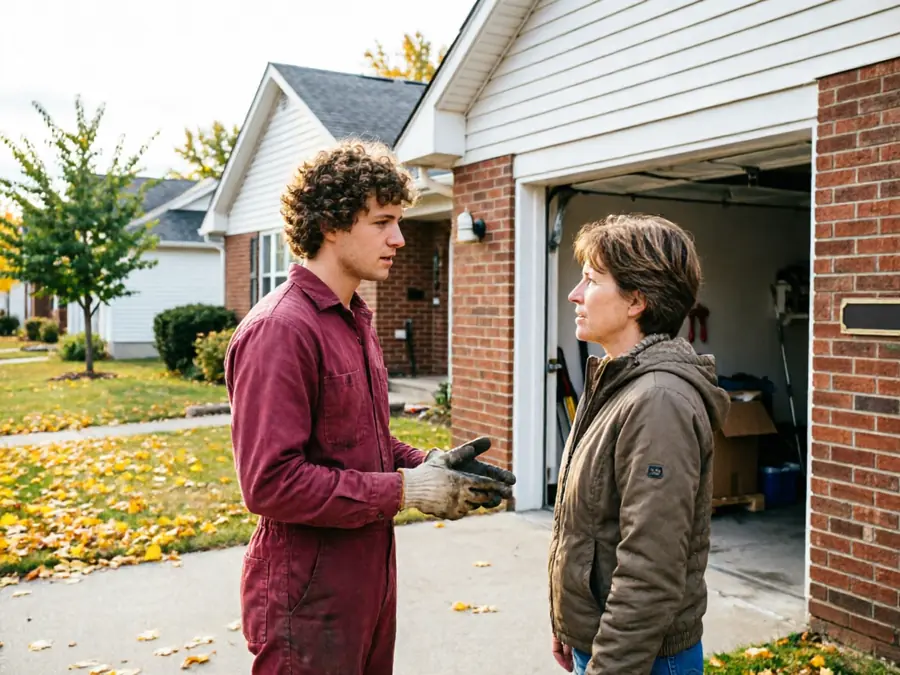 Garage Door ServiceBlaine's housing stock dates mostly to the 1980s and 90s, and cold winters push springs and openers hard. Blaine Garage Door Pros handles repair and tune-ups.
- 04
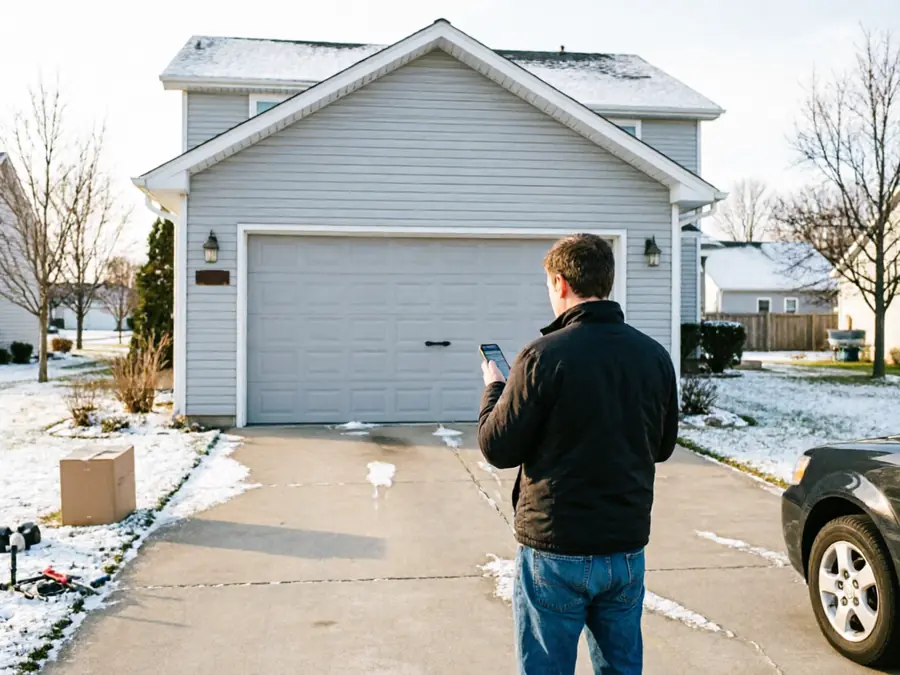 Opener RepairOpener acting up in cold weather or on an older Blaine house? We fix dead openers, grinding gears, and remote failures across the Blaine service area.
- 05
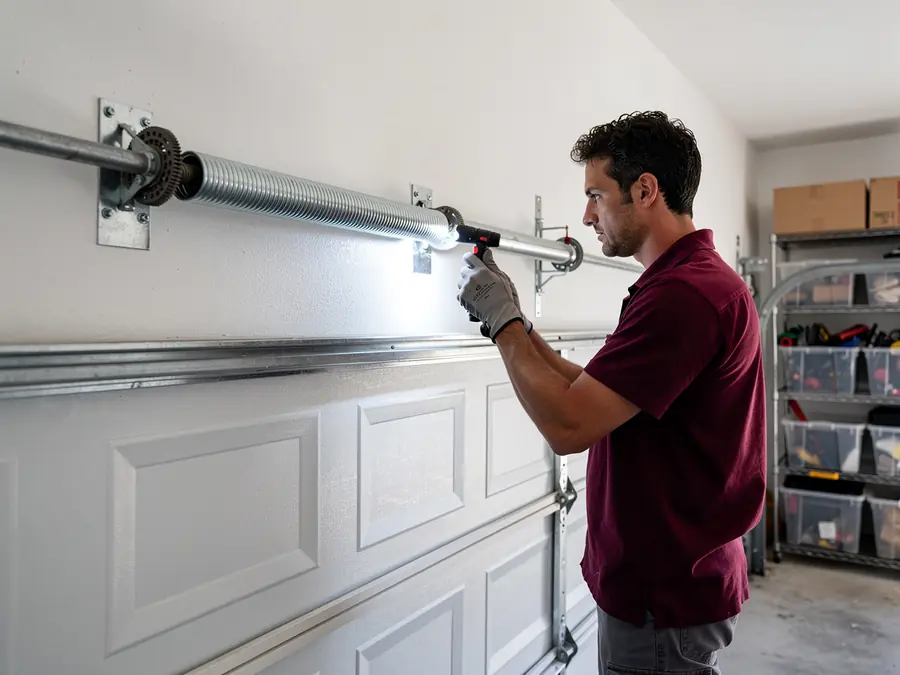 Spring RepairTorsion and extension spring repair for Blaine-area homes built 1957-2003, where cold winters and original hardware push springs past their rated cycles.
- 06
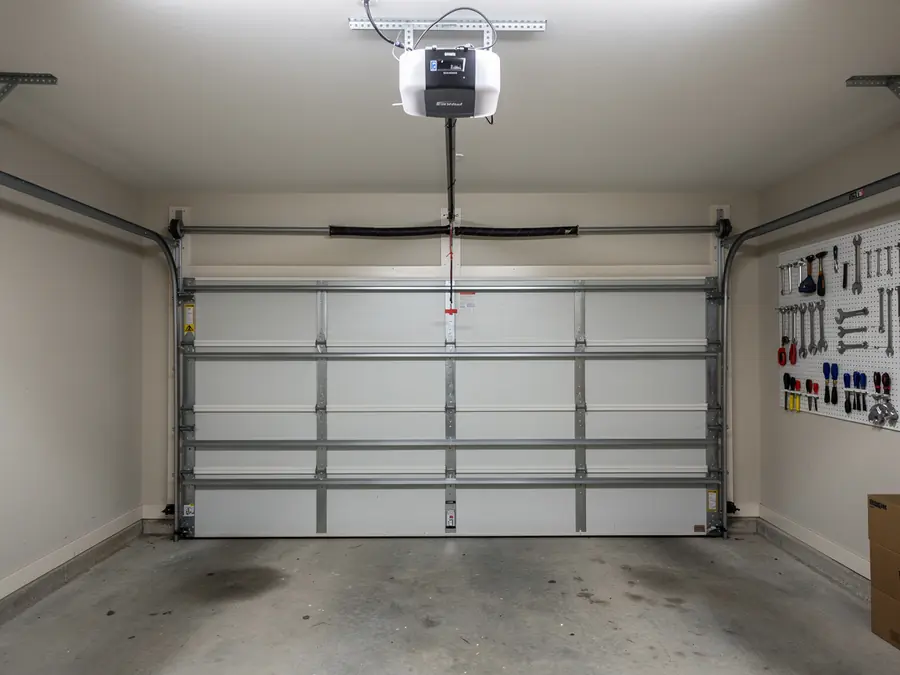 Off-Track RepairBlaine-area homes built mostly from 1957 to 2003 run tracks that shift with severe cold winters. We find and fix off-track doors across Blaine, Circle Pines.
- 07
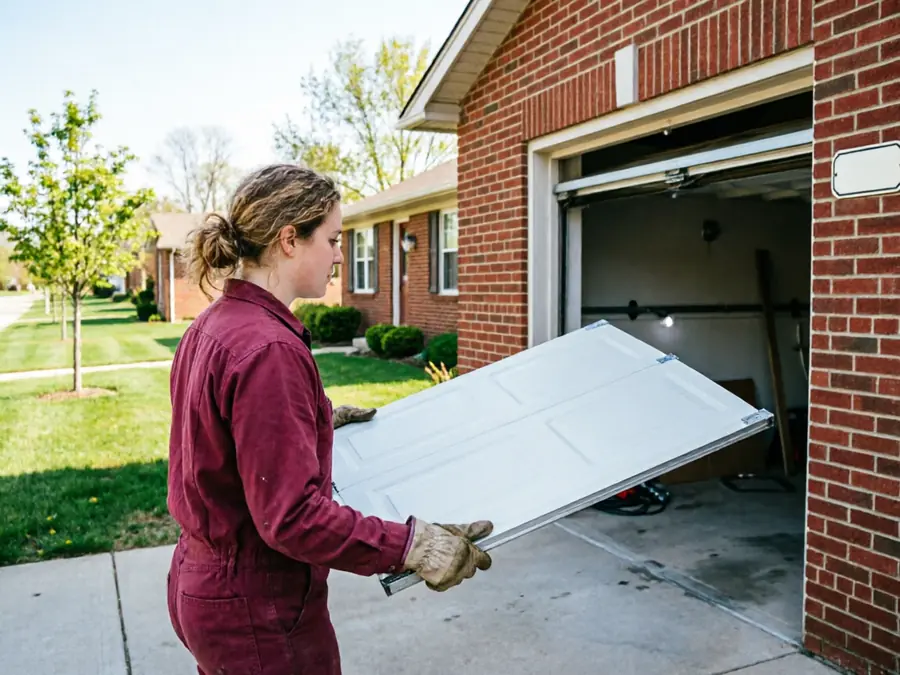 Panel ReplacementPanel replacement for Blaine homes built mostly in the 1980s and 90s, where steel sections crack and bow under hard winters. One dented or rusted panel, replaced without a full new door.
- 08
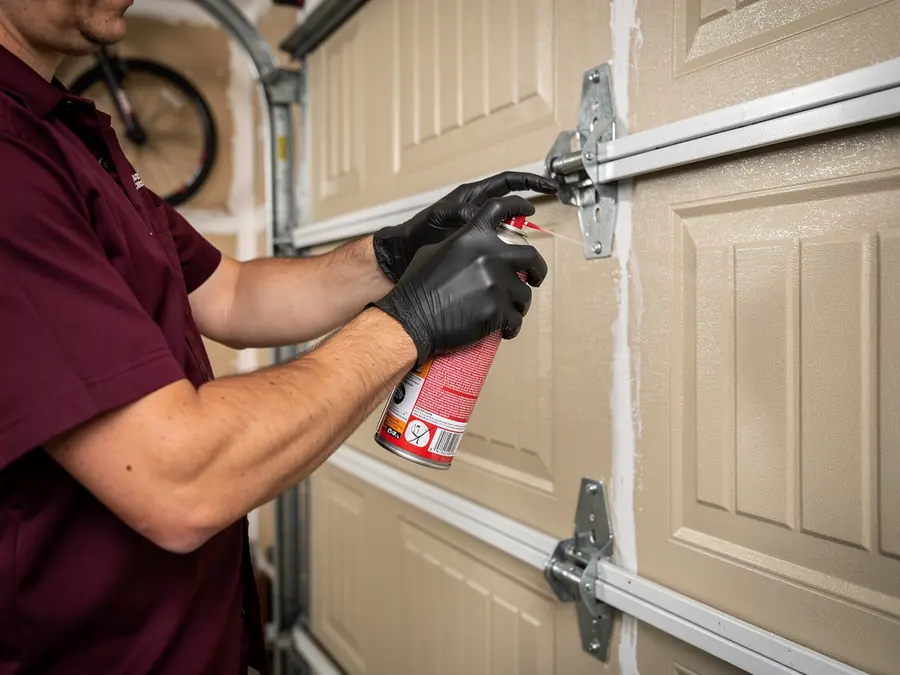 MaintenanceGarage door maintenance in Blaine, MN for homes built 1957-2003, tuned for Minnesota's severe cold winters and the area's aging springs, rollers, and tracks.
FAQ
Questions about this
Why does my garage door bang loudly on cold mornings?
In a cold-severe climate like Blaine's, torsion springs lose some flex as temperatures drop, so the door feels heavier and the opener can slam it the last few inches if the force setting hasn't been adjusted for winter. It's usually a settings fix, not a broken part - but check it before the panel takes the impact long-term.
My opener chain rattles more in winter - should I worry?
A little extra rattle is normal once grease stiffens up in cold weather and the chain runs with more drag. If the rattle is new, gets louder week over week, or comes with the door hesitating mid-travel, that's worth a look rather than more oil.
Is a grinding noise always a spring problem?
No. Grinding that happens throughout the whole travel of the door is usually a dry or worn roller. A grind right at the top, paired with the door feeling heavy or uneven, points more toward the spring or cable. We'd want eyes on it before guessing further.
Do the older doors around Blaine need different parts than newer ones?
Often, yes. A lot of houses here date to the 1957-2003 window, and doors from that era frequently run torsion hardware and spring sizes that aren't what's stocked for current steel doors. That's part of why we don't quote spring jobs sight unseen.
Tell us what your door is doing.
We serve Blaine, MN and nearby communities. Every job starts with a diagnosis, so you know what failed before any work begins.