What We Do Most in This Area
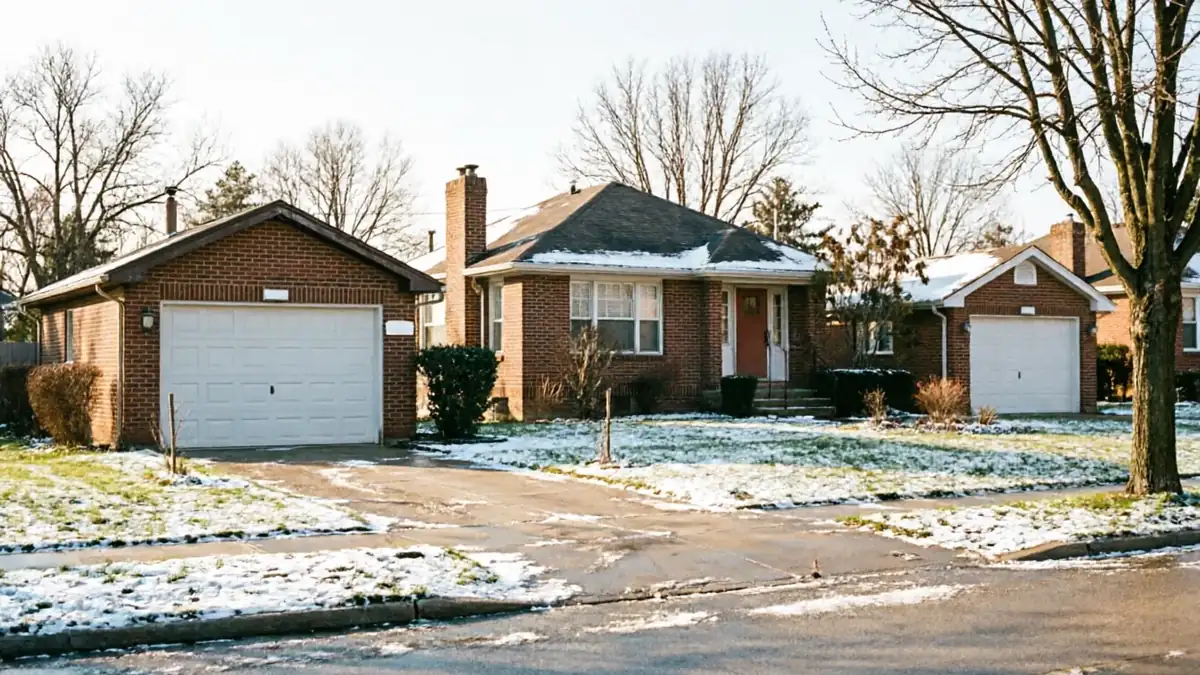
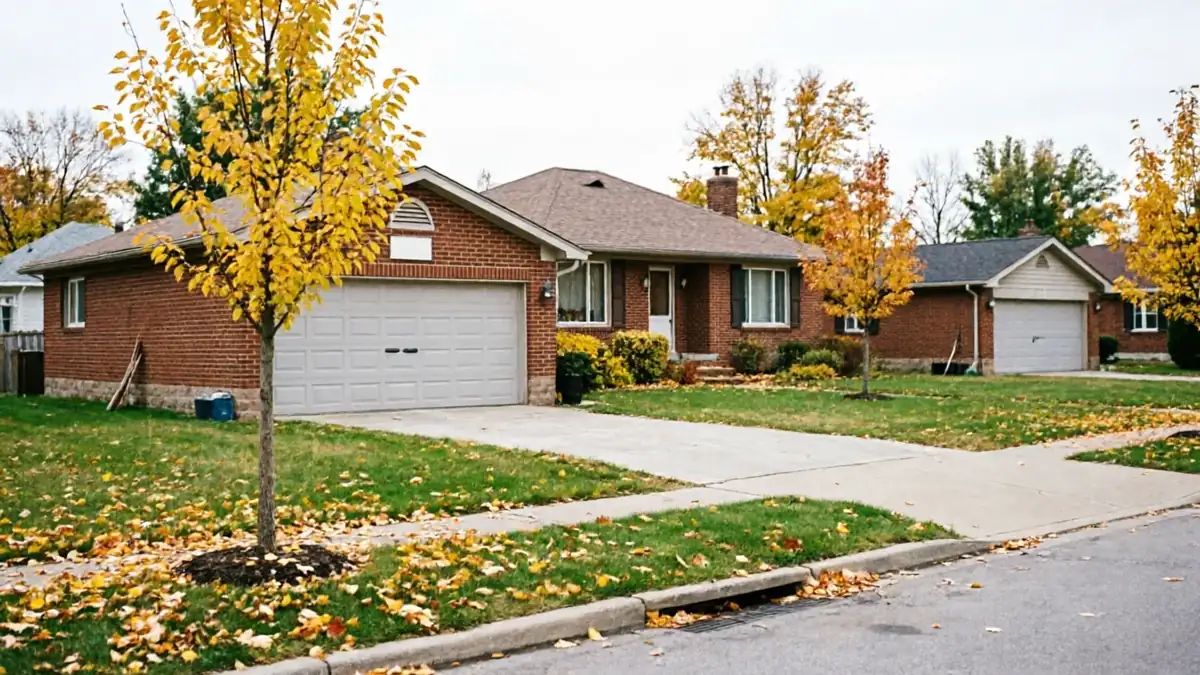
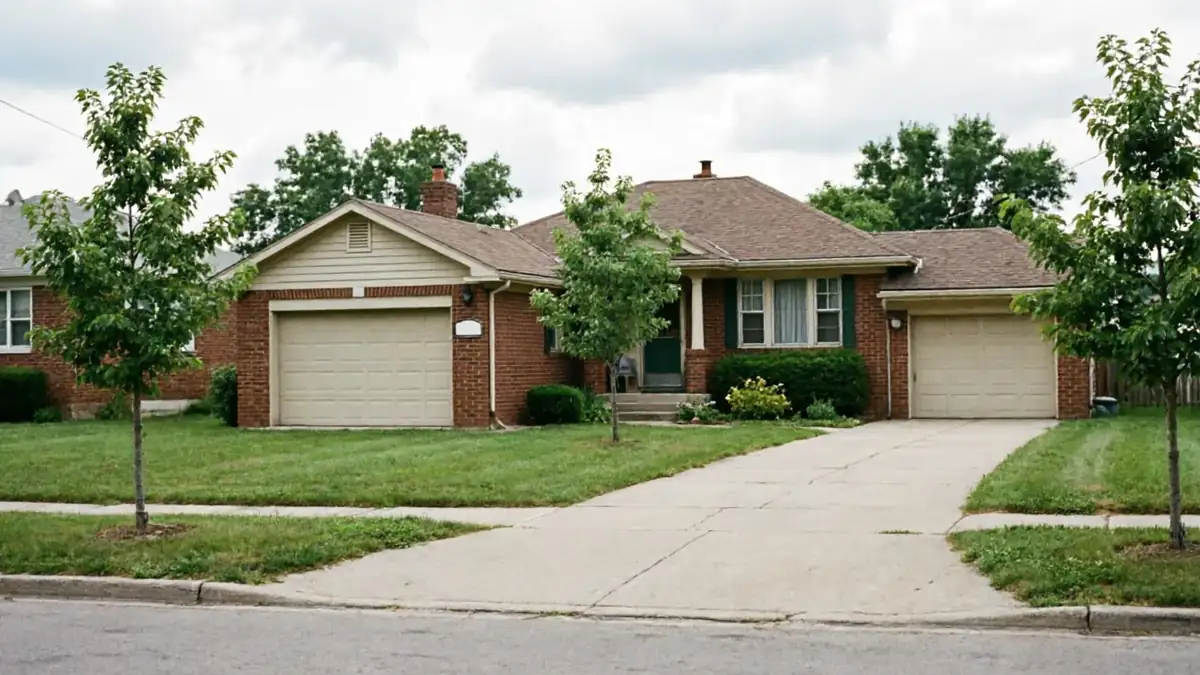
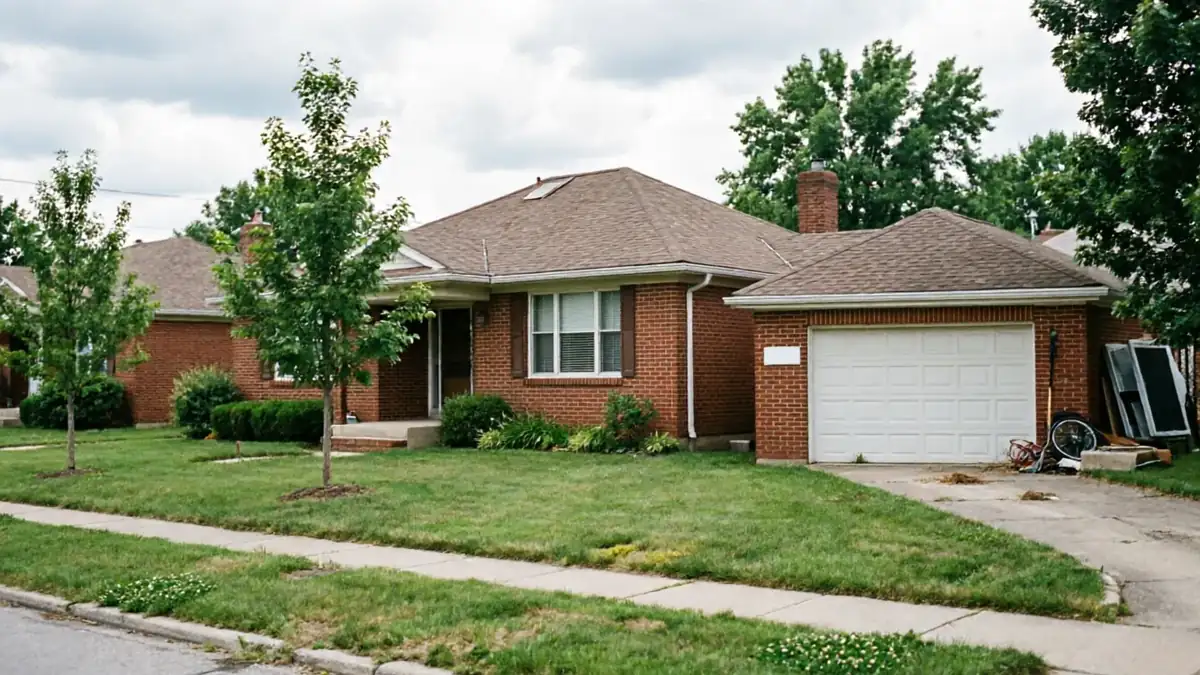
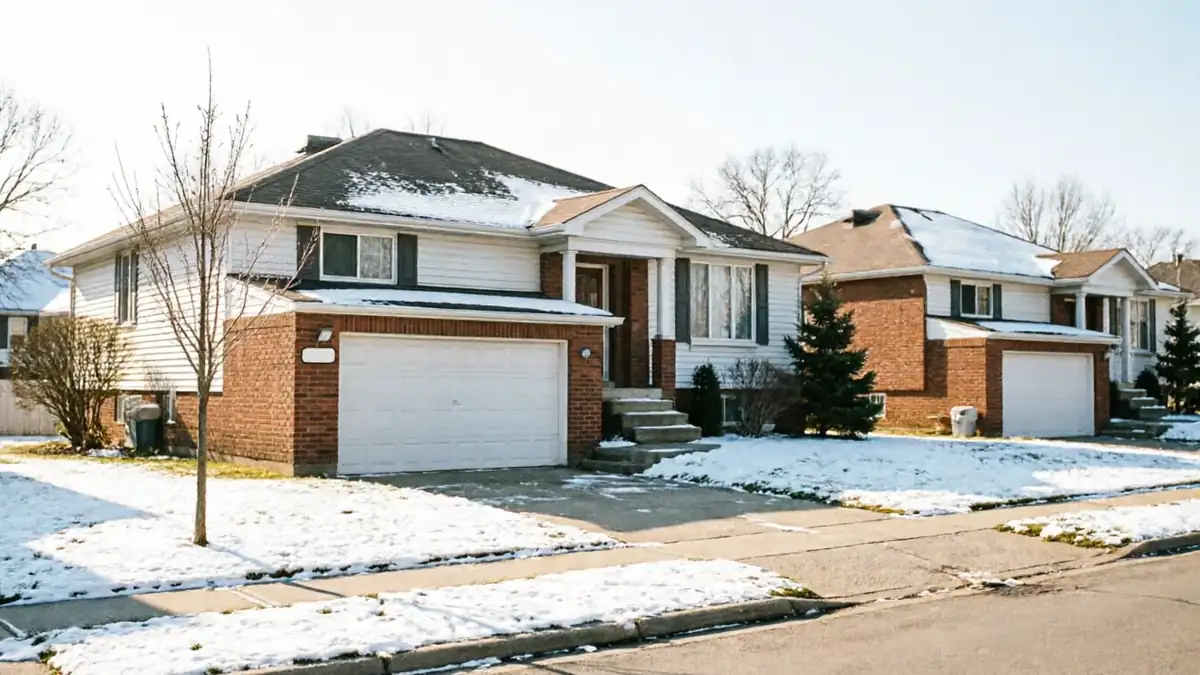
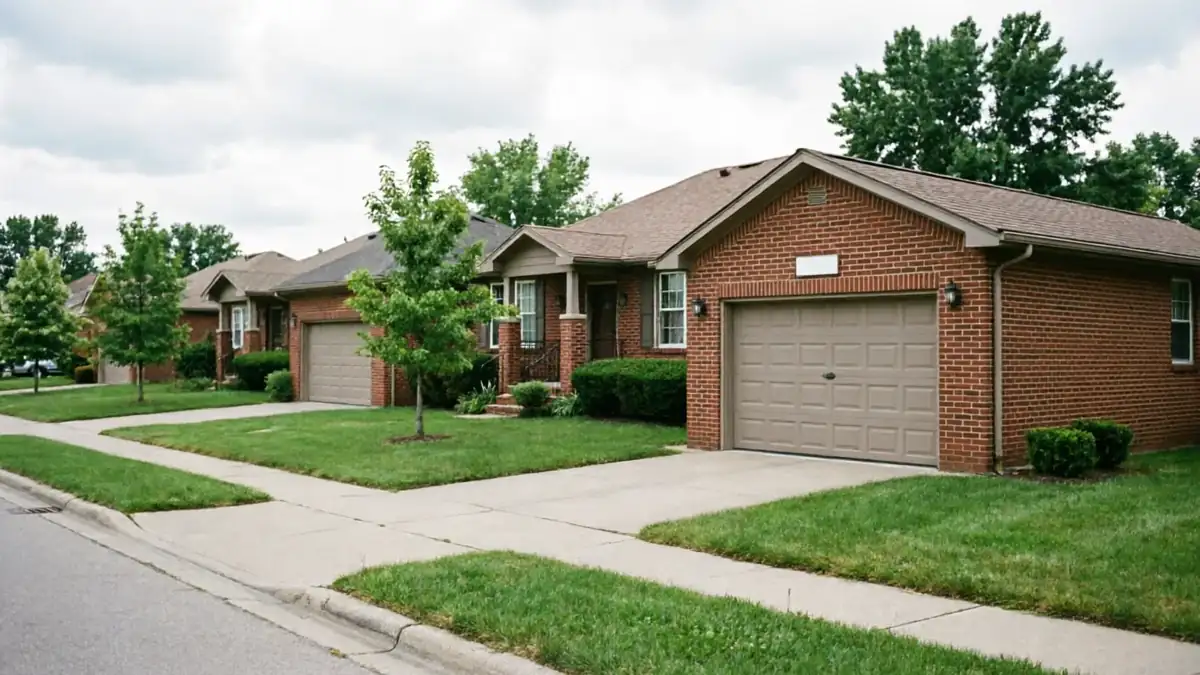
Golden Valley's housing centers on a median build year of 1966, a good 14 years ahead of the 1980 median across our wider coverage area, where most houses date to the 1980s and 90s. That gap matters more than it sounds. A door built when the house went up in 1966 is a different animal from one installed during a 1988 remodel, and most of what we get called out for here traces back to that older generation of hardware still hanging on. We're driving out from Blaine, roughly 14 miles each trip, and what we find on arrival tends to be original equipment nobody's touched since the house was built - not a retrofit, not a replacement, the actual first door. That's worth knowing before you call, because parts for that generation aren't sitting on a shelf the way current stock is.
We're not based in Golden Valley and we don't claim a local depot here. We travel in for the job, same as we do for the rest of our coverage area, and the work itself is what you'd expect: diagnosing what's failing, replacing what's worn, and being straight about what's worth fixing versus what's cheaper to swap outright on a door this old.
What That Means for Doors
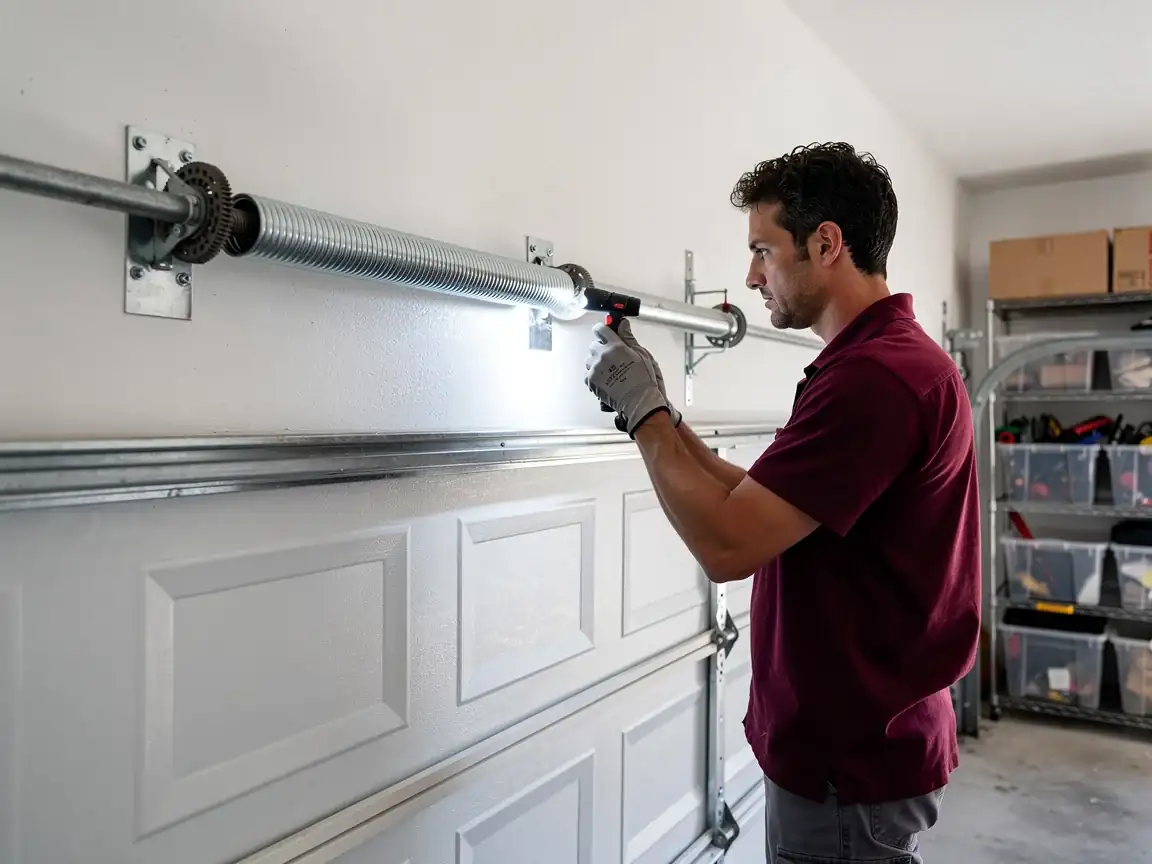
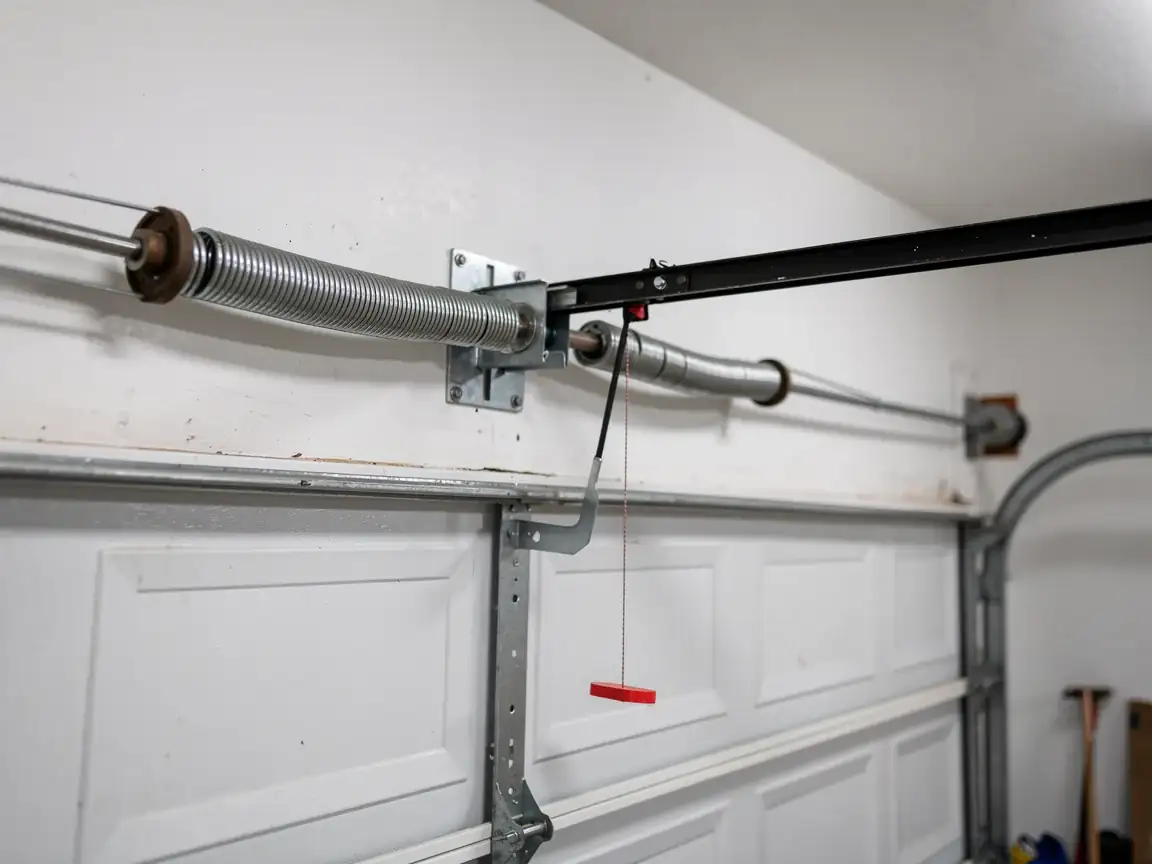
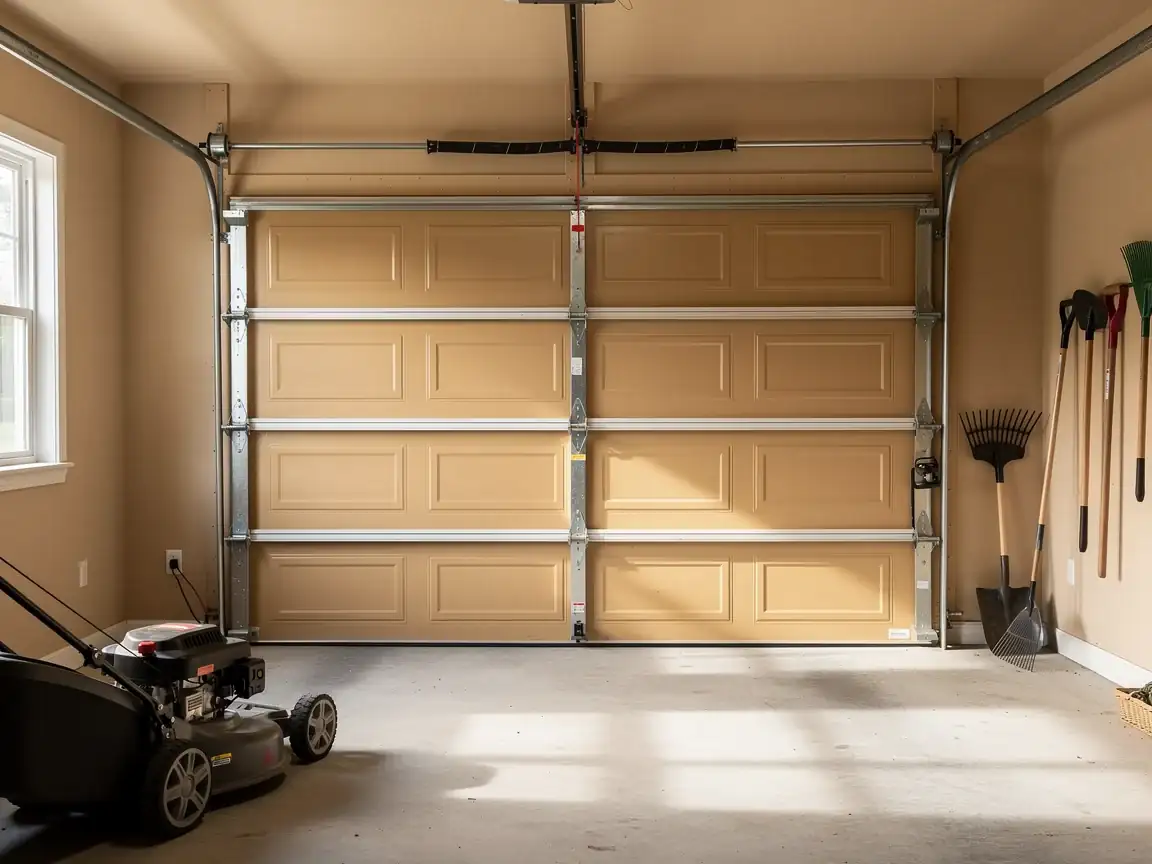
Houses from 1966 typically shipped with extension springs mounted along the horizontal track
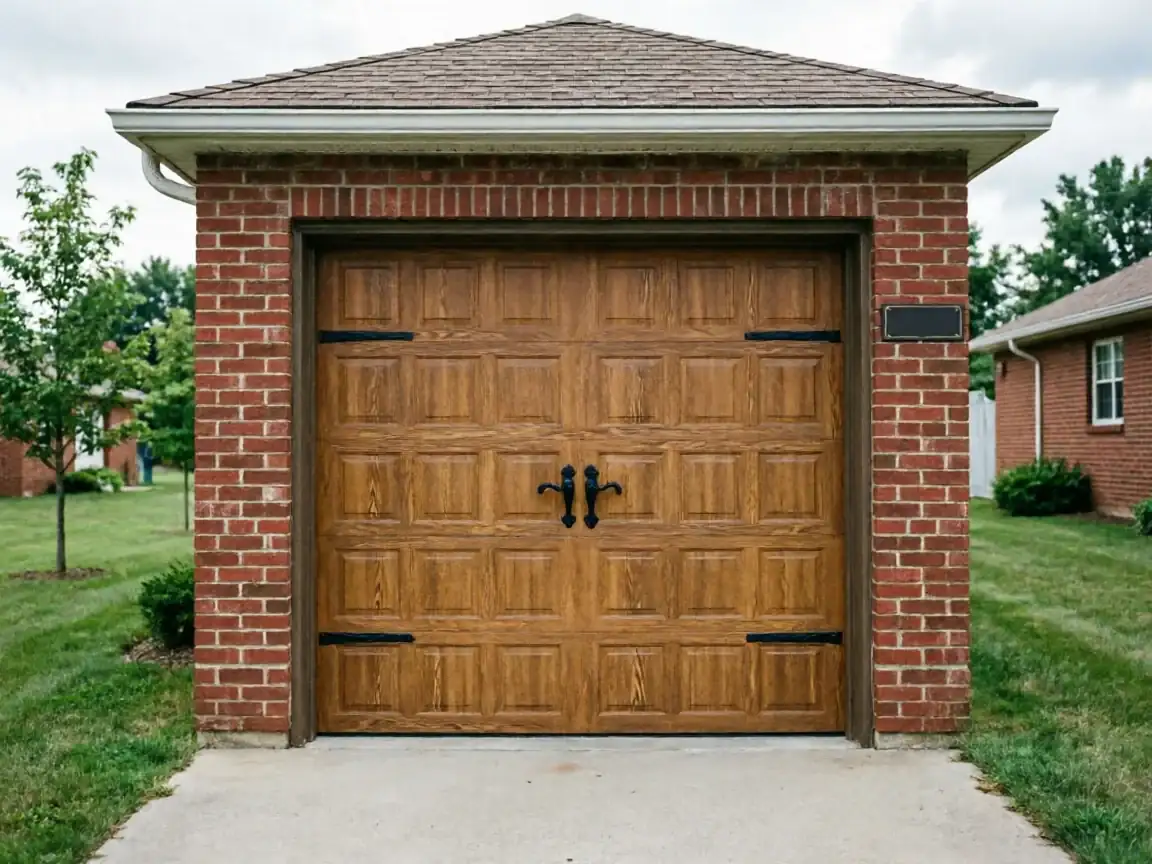
Not the torsion bar you'd find on anything built from the 1980s forward. Extension springs fail differently - they stretch and fatigue rather than lose tension evenly, and when one side goes, the door racks sideways instead of just sagging. Track width on these older doors also tends to run narrower than current standard, which means replacement rollers and brackets don't always drop in without adjustment.
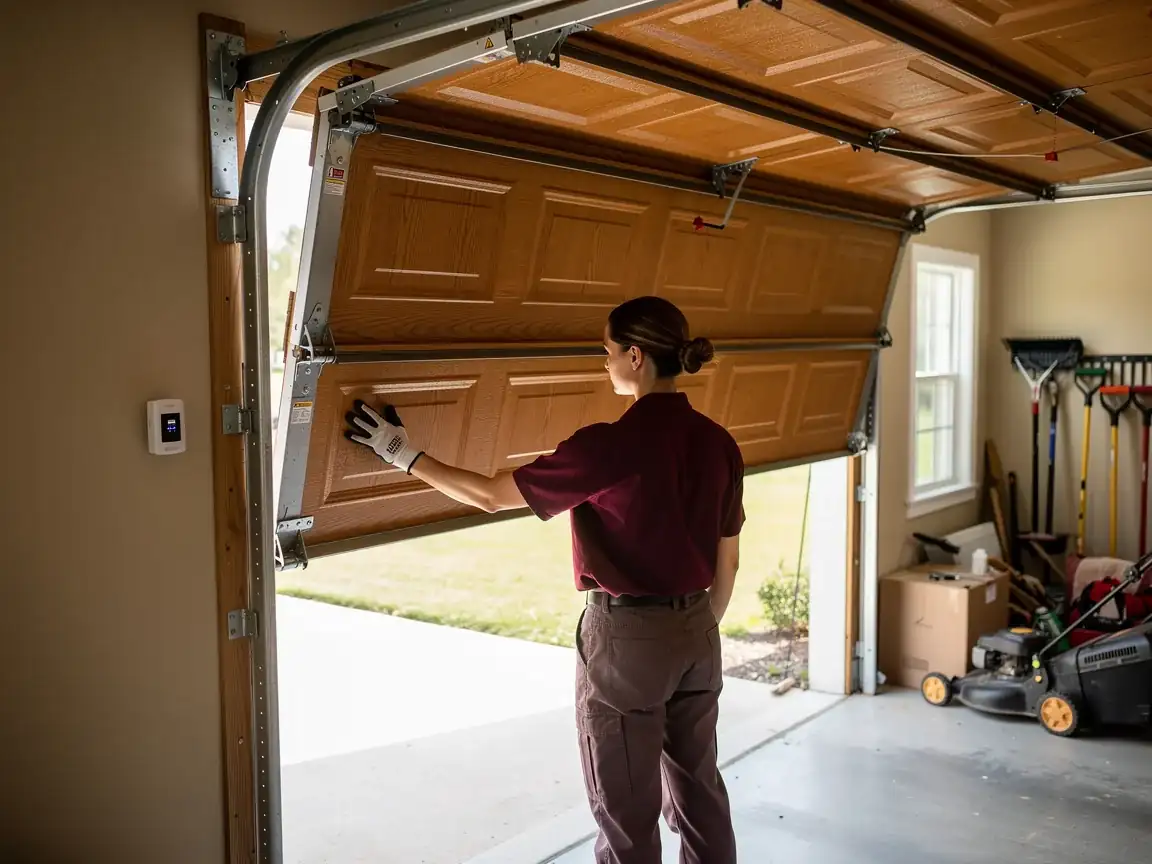
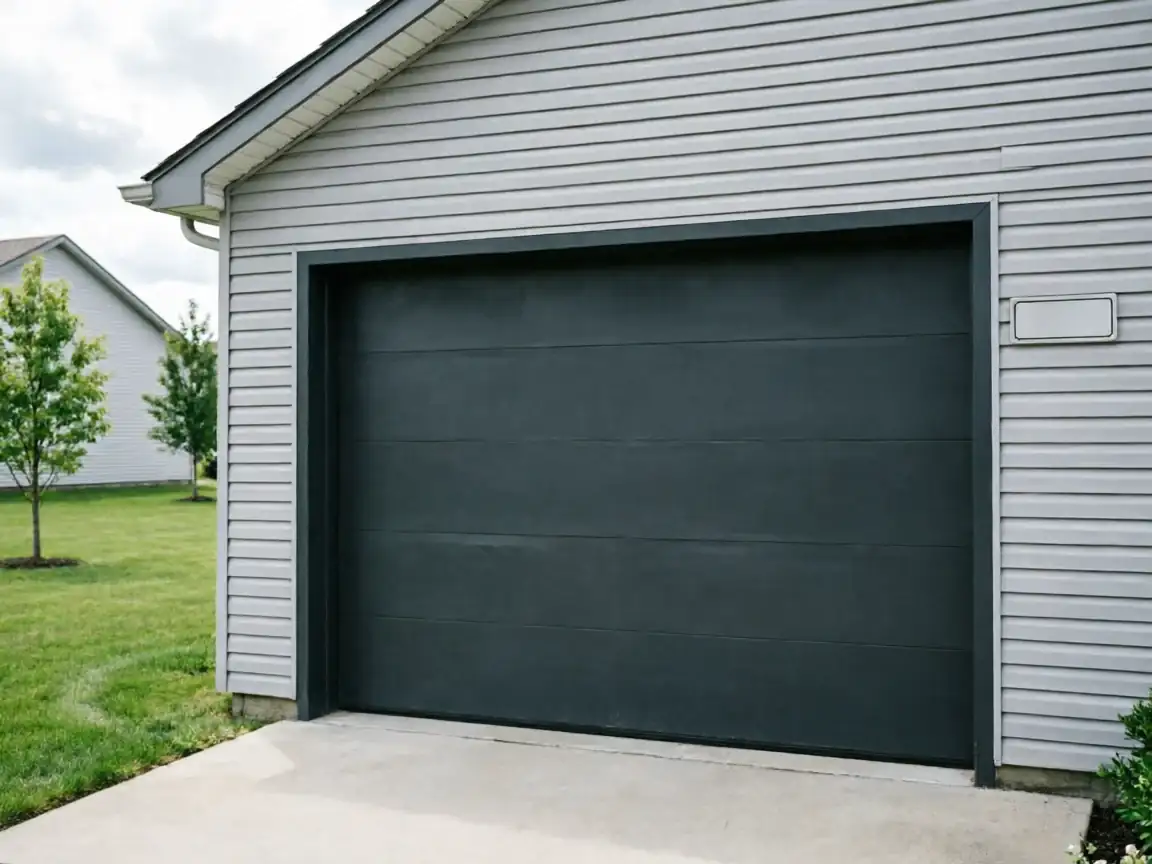
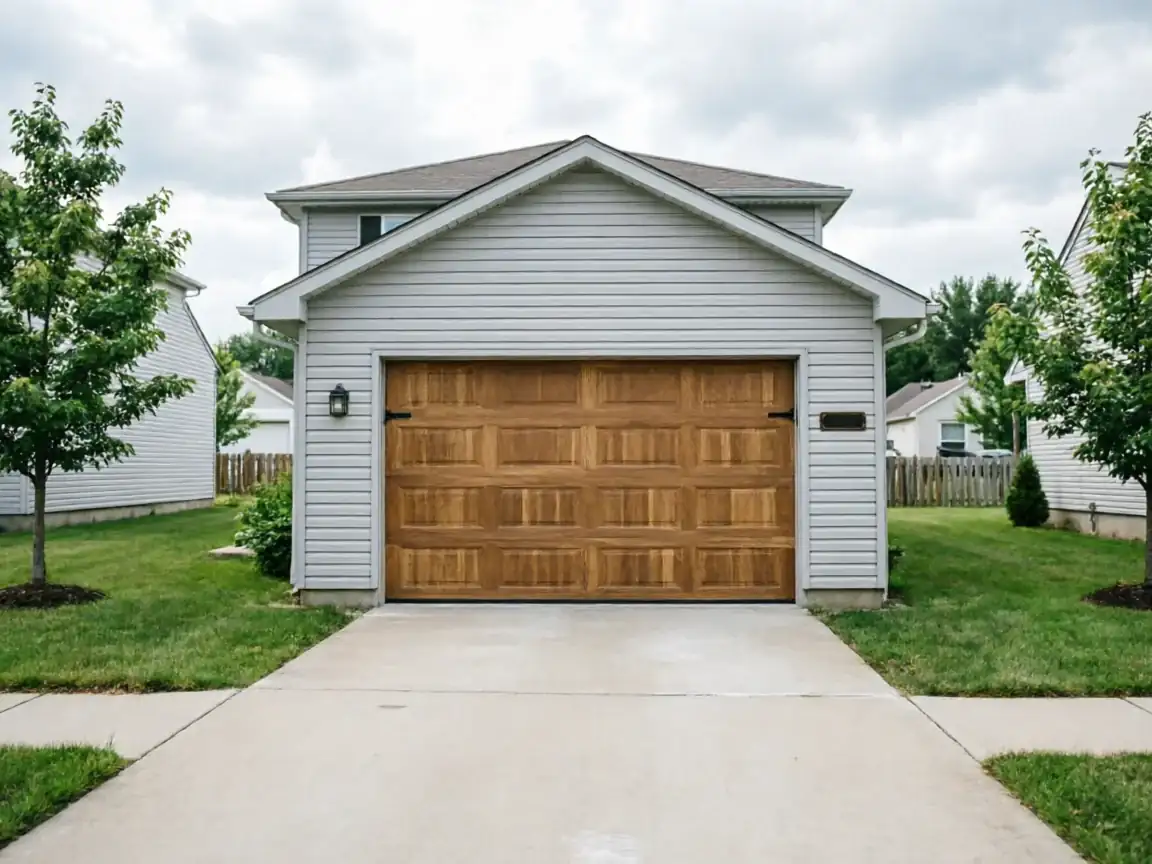
Panels from this era are often the original steel sections too
Sometimes with foam backing added later rather than built in. That matters for insulation and for noise, but it also means a section that's dented or rusted through usually can't be ordered as a single matching panel - the manufacturer and the run are long gone. In practice that means a full panel replacement or a full door swap once one section goes, not a patch job. We'll tell you straight when a repair isn't worth chasing on a door this old versus just replacing the unit.
The Calls We Get From Here
The climate here runs cold and severe by the numbers we work from, and that hits older hardware harder than new. Extension springs lose tension faster in deep cold than torsion springs do, so a lot of our Golden Valley calls are a door that worked fine in October and won't lift in January. Cables on original 1960s-era doors are also more prone to rust where they thread through the drum, especially after repeated freeze-thaw cycles, and a frayed cable on an extension-spring door is a different repair than on a torsion setup - the whole assembly geometry is different.
We also see rollers that have gone stiff or cracked in the cold, more often on the narrower, older track than on anything built to current spec. None of this is exotic work, but it's specific: matching a 1966-era extension spring system means knowing the wire gauge and coil length that generation used, not just grabbing whatever's on the truck for a standard torsion replacement.
This Area's Housing
Golden Valley has about 9,671 households, and the median household income here runs $114,435 - noticeably higher than the $100,179 median across our full coverage area. That income level often means owners are willing to put real money into a door replacement rather than patch an aging one indefinitely, which lines up with what we see on site: more requests for full upgrades once a repair call turns up original 1960s hardware.
The housing stock itself sits at a median build year of 1966, earlier than the 1957-2003 range and 1980 median that describes most of our coverage area. That puts Golden Valley closer to the early edge of that window rather than the middle, which is the whole reason the hardware conversation here looks different from a lot of the other areas we serve. If your house here still has its original door, there's a decent chance it's an extension-spring, narrow-track setup, and that's the detail worth mentioning when you call.