What We Do Most in This Area
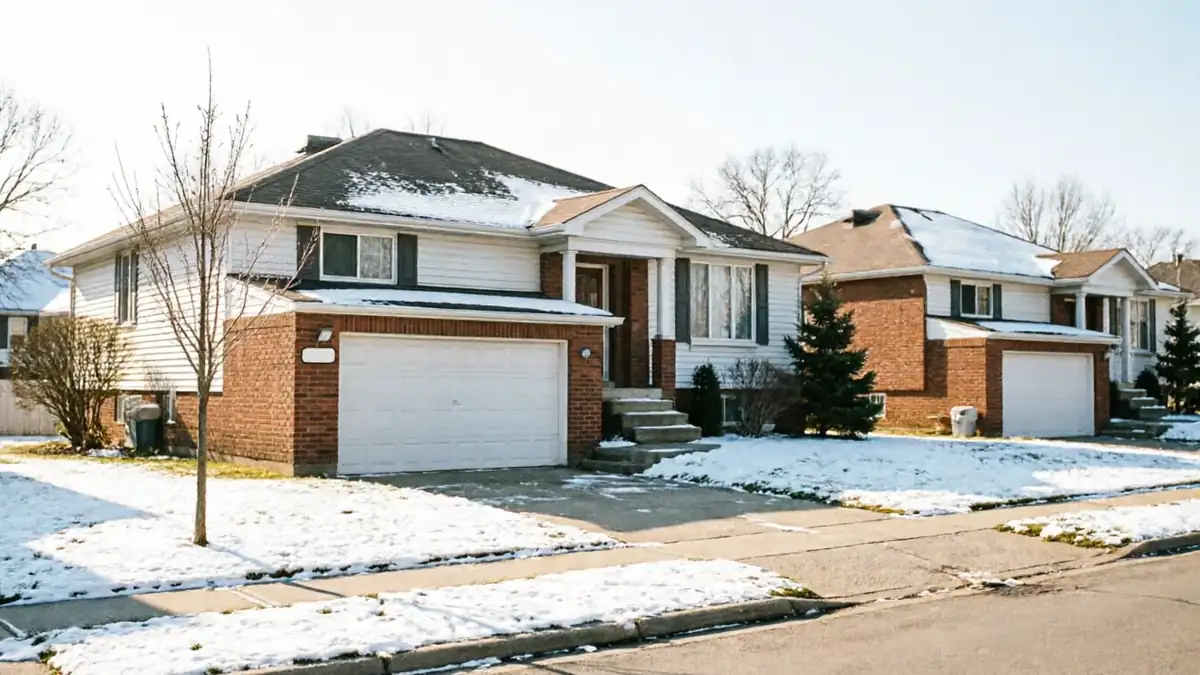
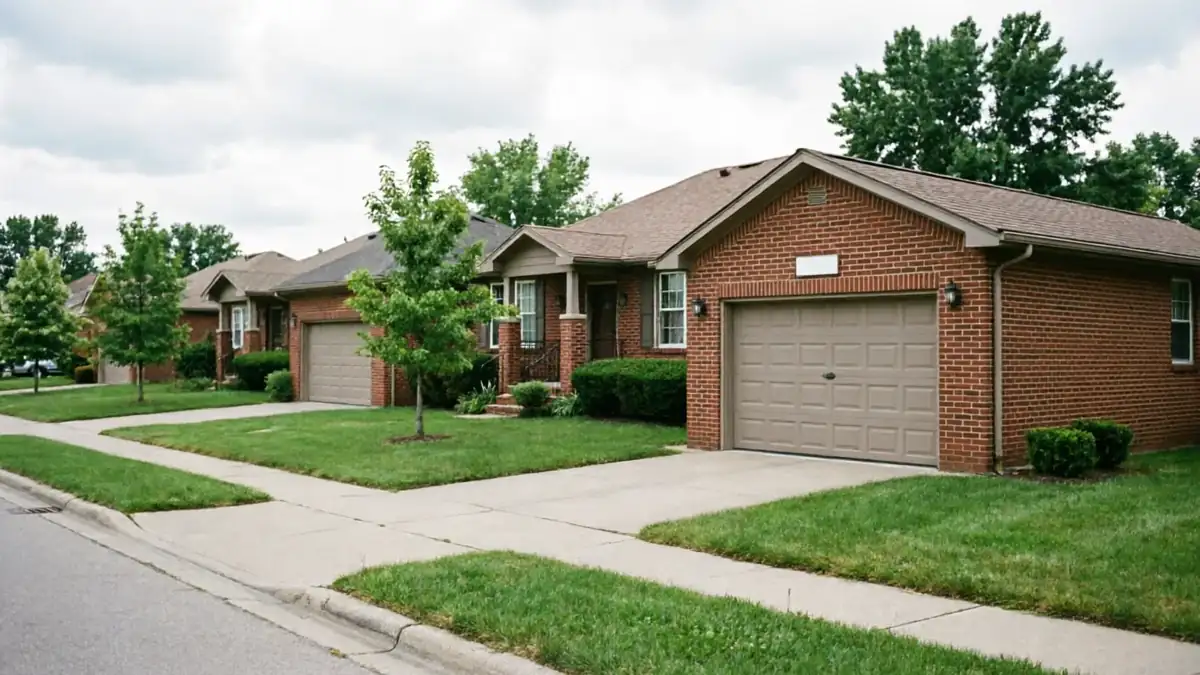
St. Louis Park's housing mostly went up in the 1960s, with a median build year around 1965 - a decade or more earlier than a lot of the stock across our wider service area, which runs from 1957 up through 2003. That earlier build date matters more than people think. Doors and openers from that era weren't replaced on any set schedule, so you get a mix: original steel sectional doors that have been repainted twice, openers swapped out in the 90s, and torsion springs that were sized for a door that's since been replaced with a heavier one. We get called out here for jobs that are a little different from the newer-build suburbs - more rework on hardware that's been patched over the years rather than straight replacement of factory-matched parts. We travel in from Blaine, about 17 miles, so we batch service calls in this area rather than promising same-hour arrival - if your spring lets go on a Tuesday morning, we're honest about the drive time before we quote anything else.
The Calls We Get From Here
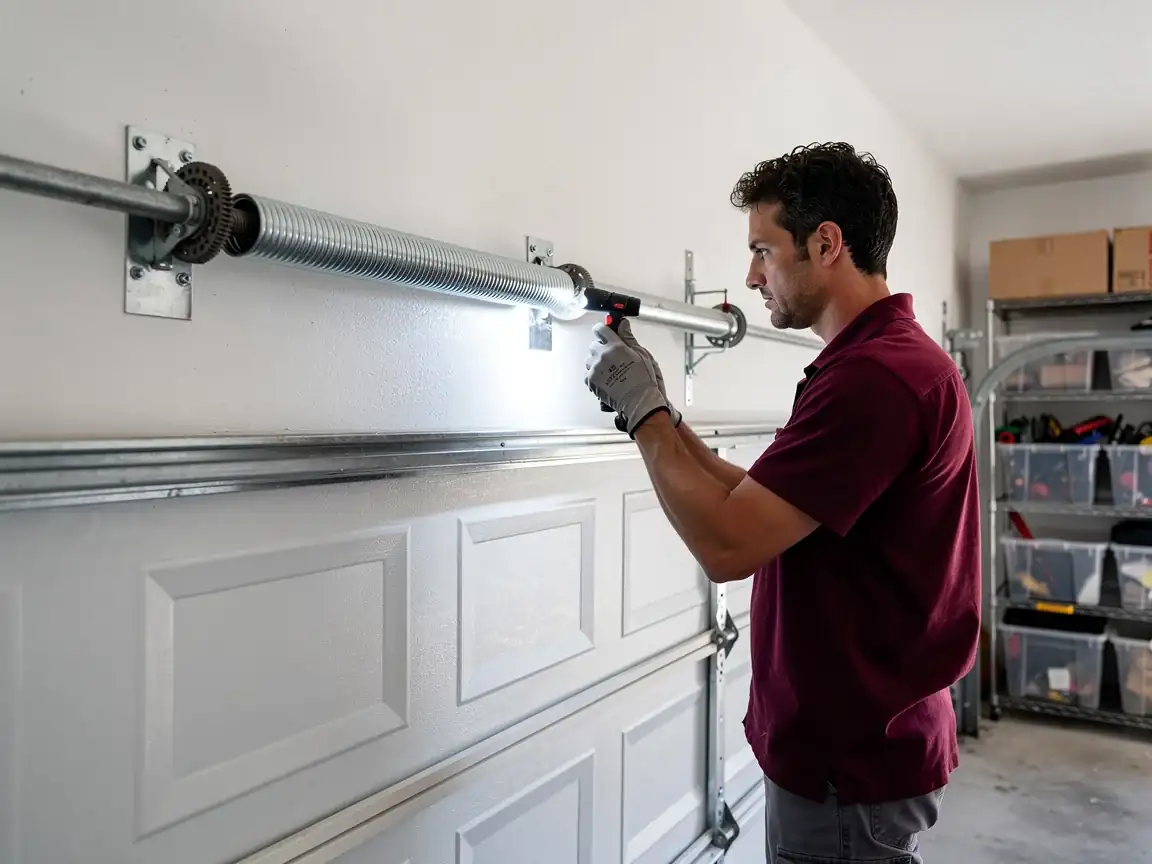
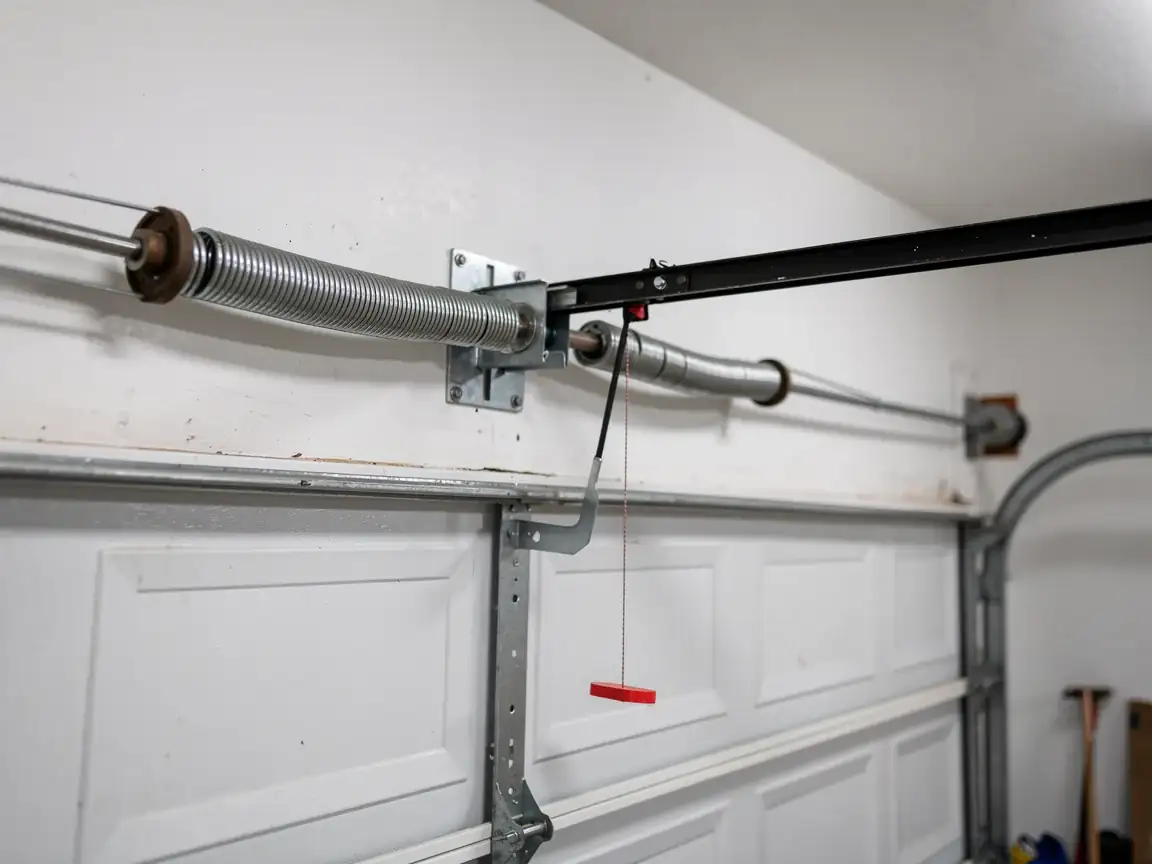
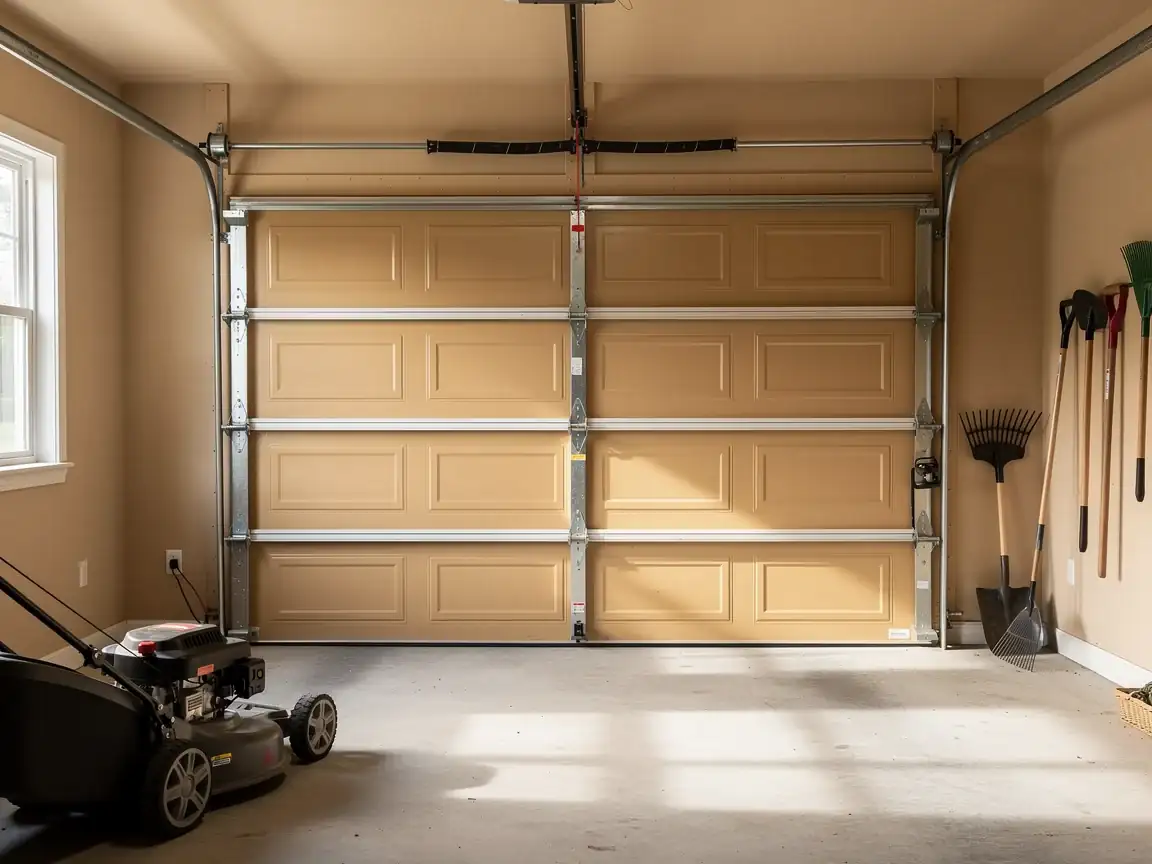
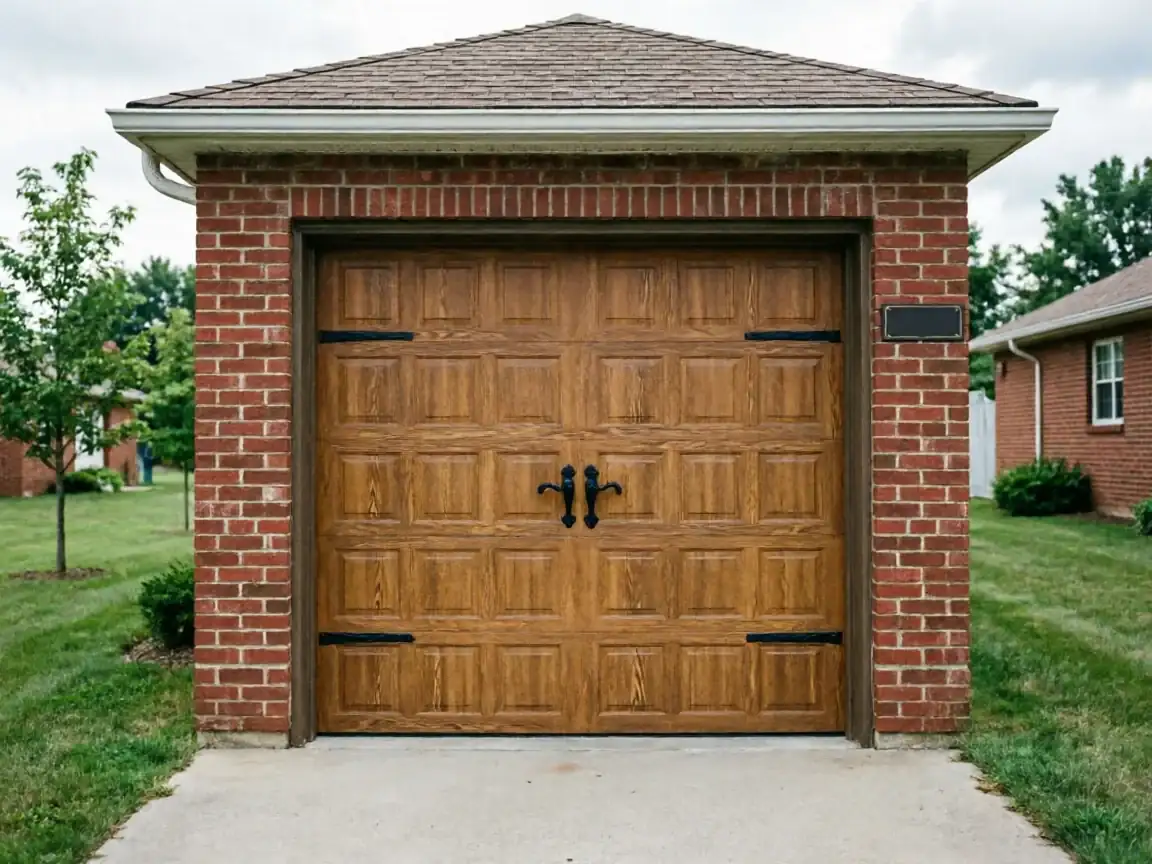
The calls from St. Louis Park skew toward spring failure on original or near-original systems, worn pulleys on extension setups, and openers that have outlived their circuit boards. We also hear from owners who've had a newer door installed on old track hardware - a common patch job from past decades that eventually binds or slips. Minnesota's cold climate plays into timing here too: a severe cold band means steel contracts, grease stiffens, and a spring already near the end of its cycle count tends to go in the coldest stretch of the year, not the mildest. With median household income in this area around $100,250, we see a fair number of owners who'd rather pay for a correct repair once than a cheap patch twice, and we price jobs accordingly rather than pushing a sale.
This Area's Housing
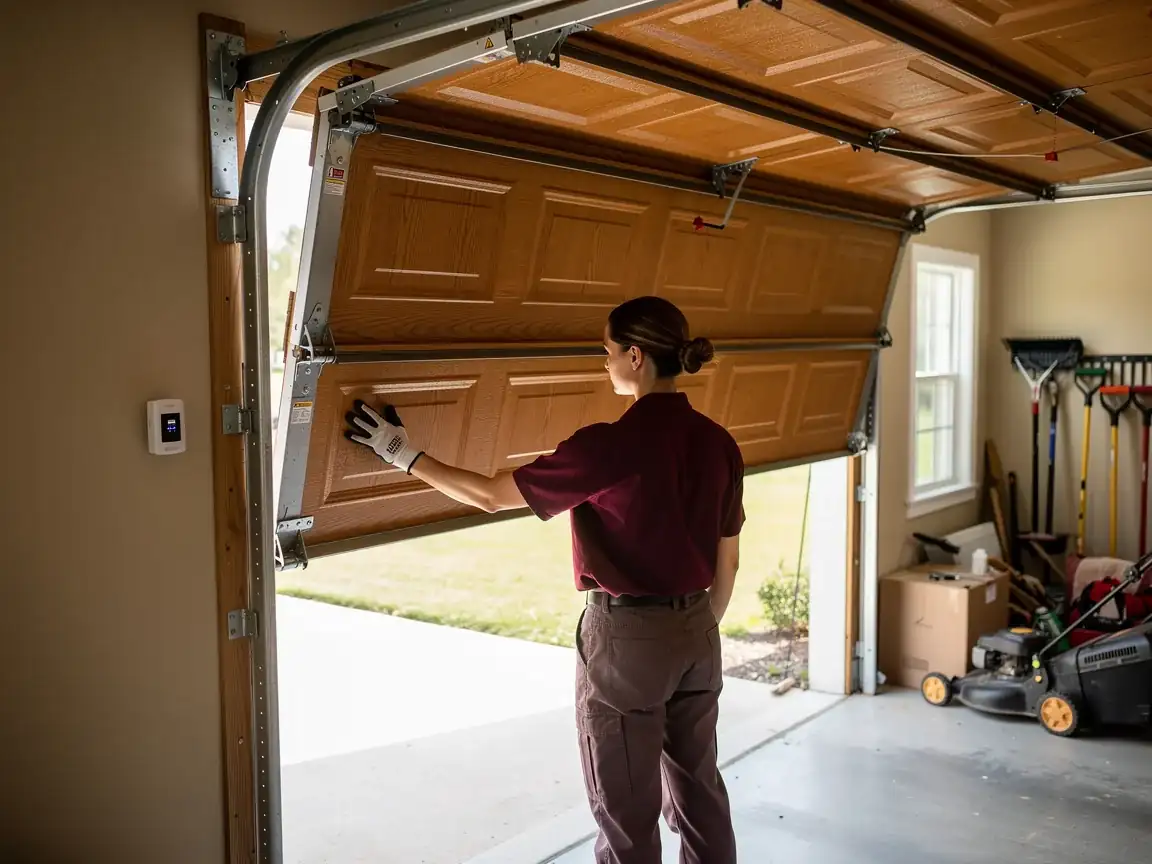
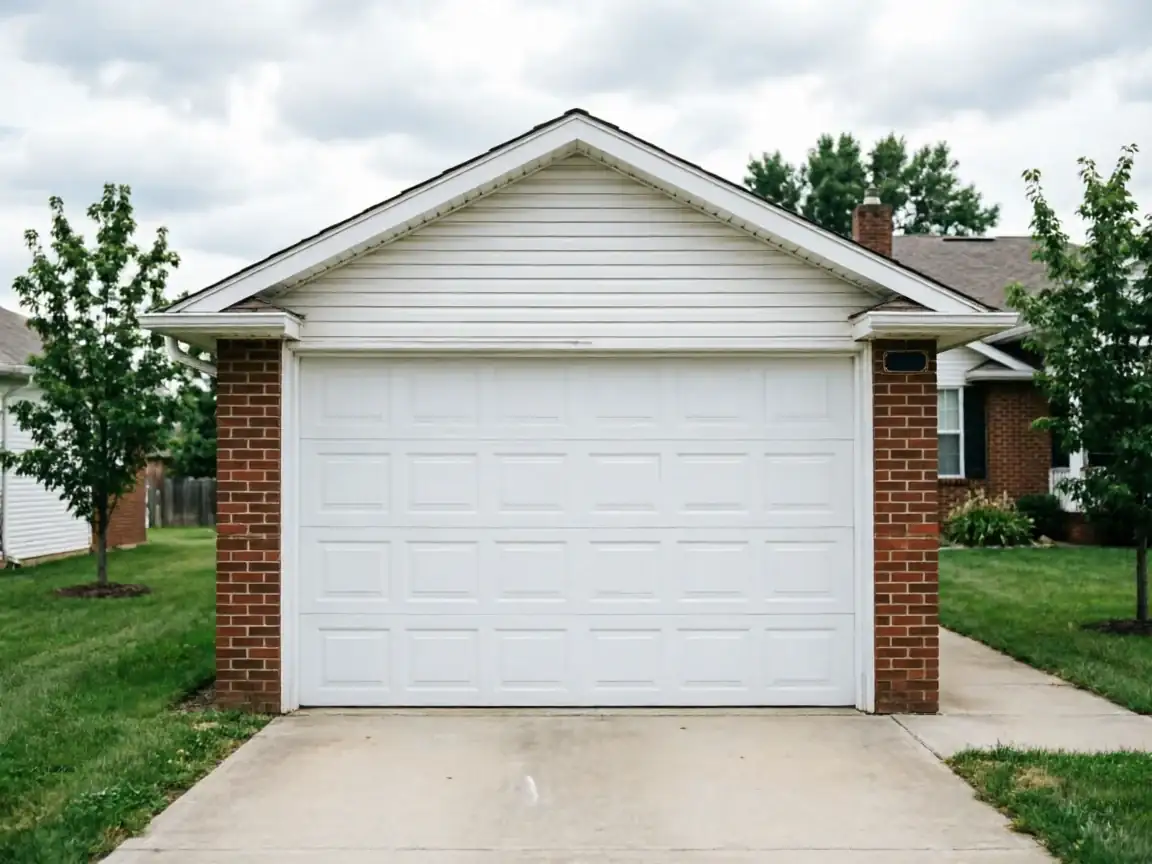
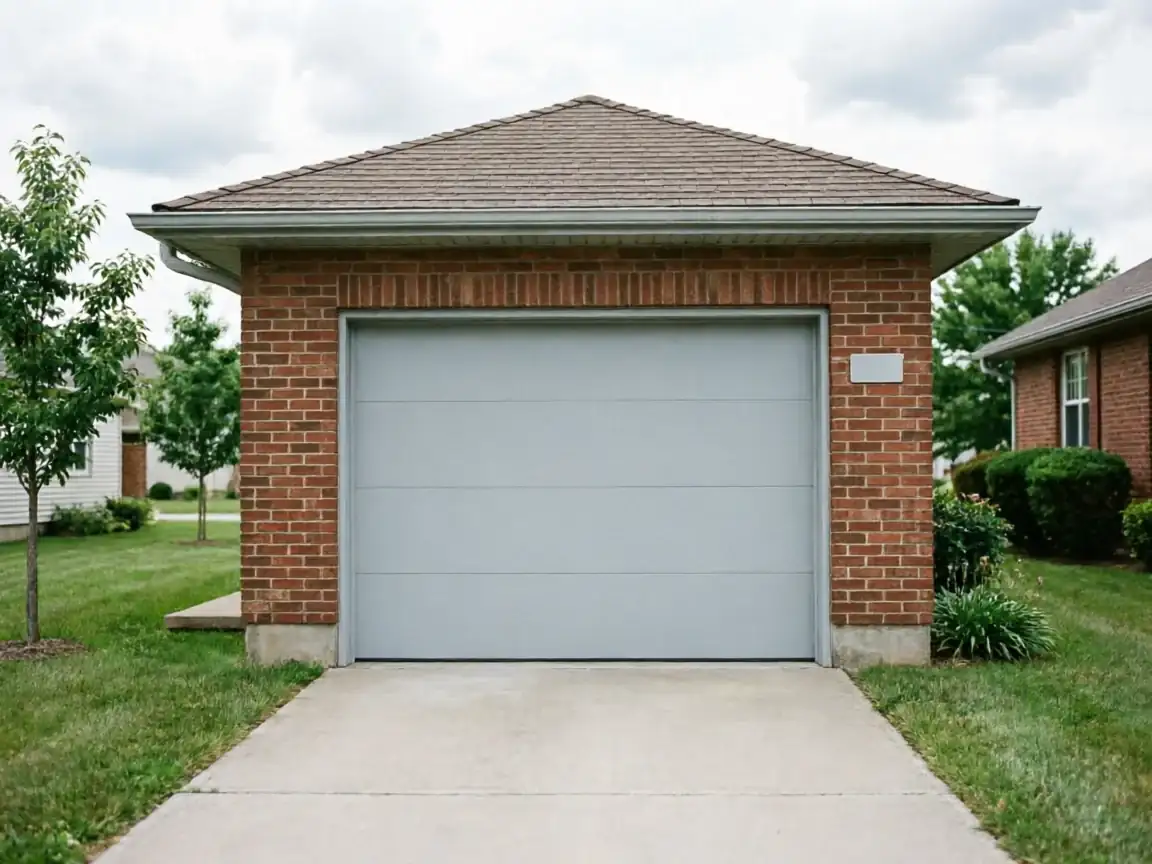
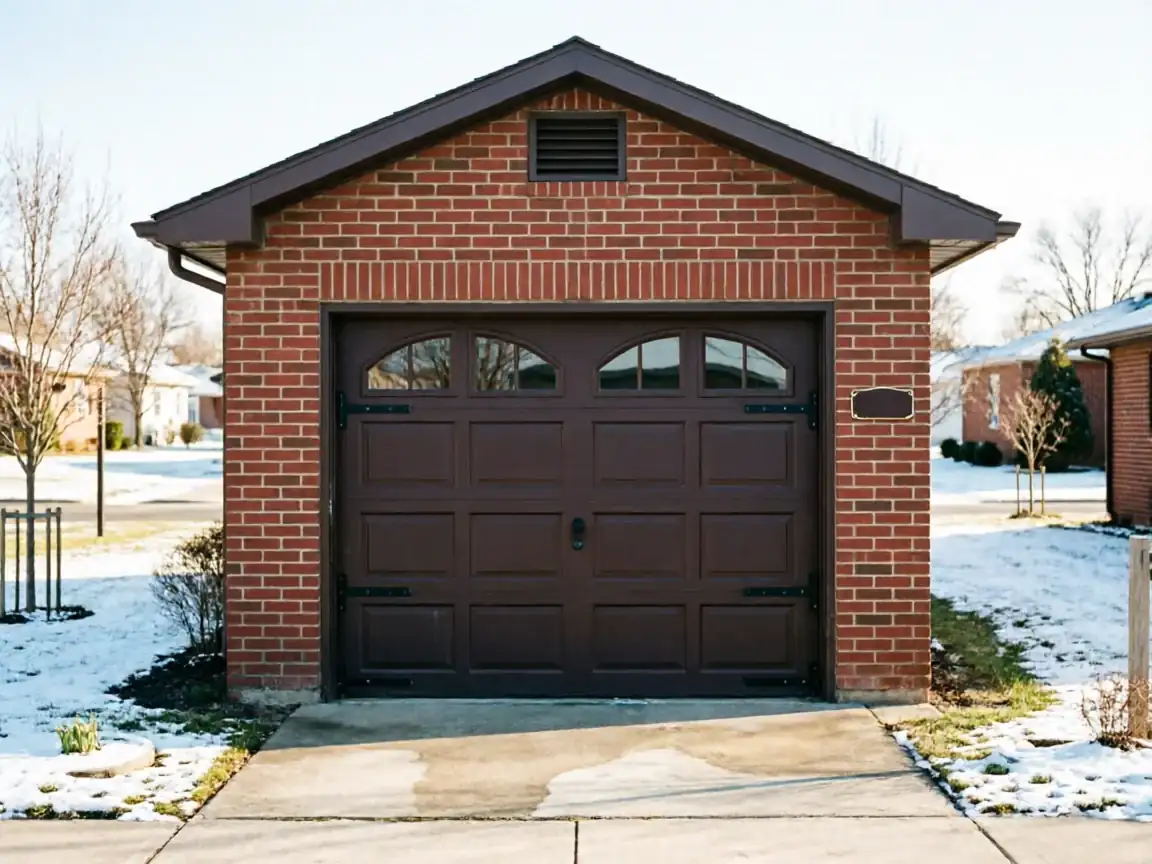
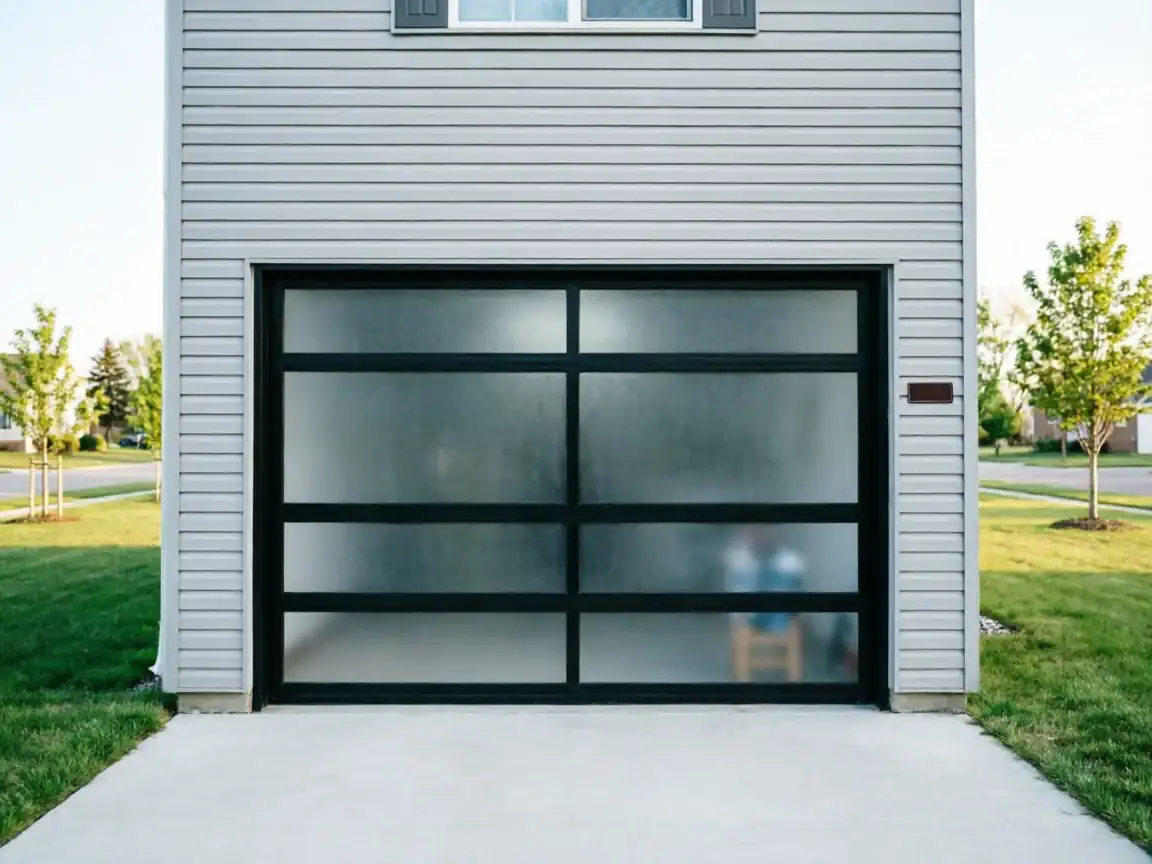
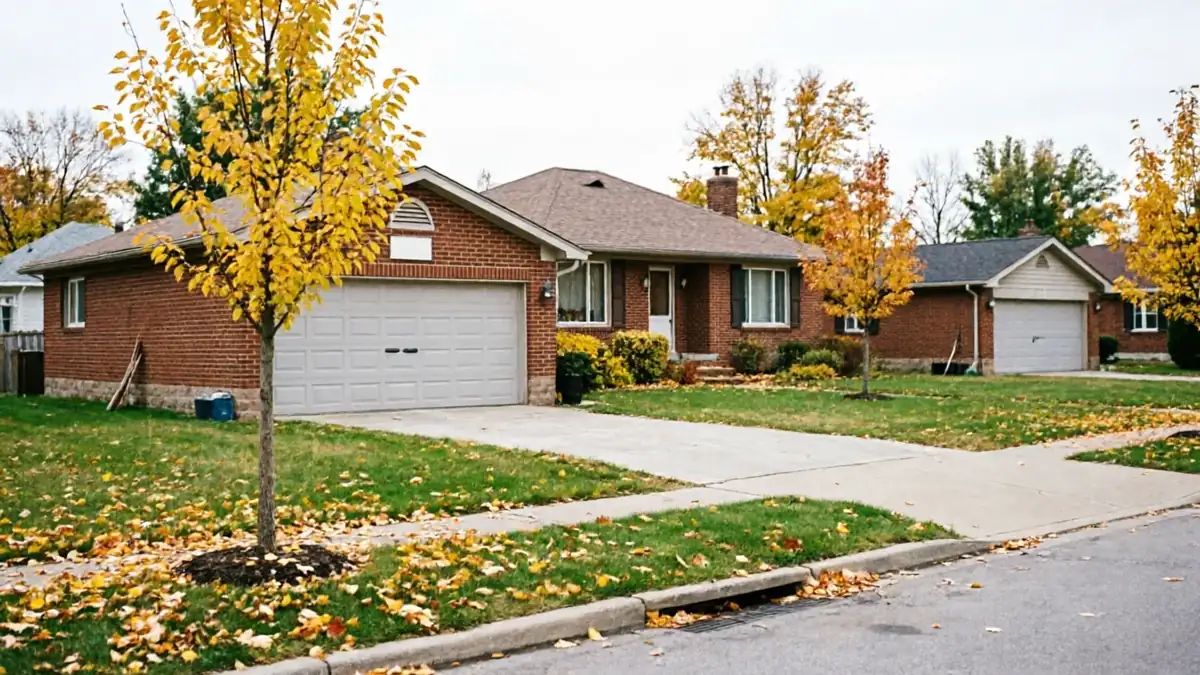
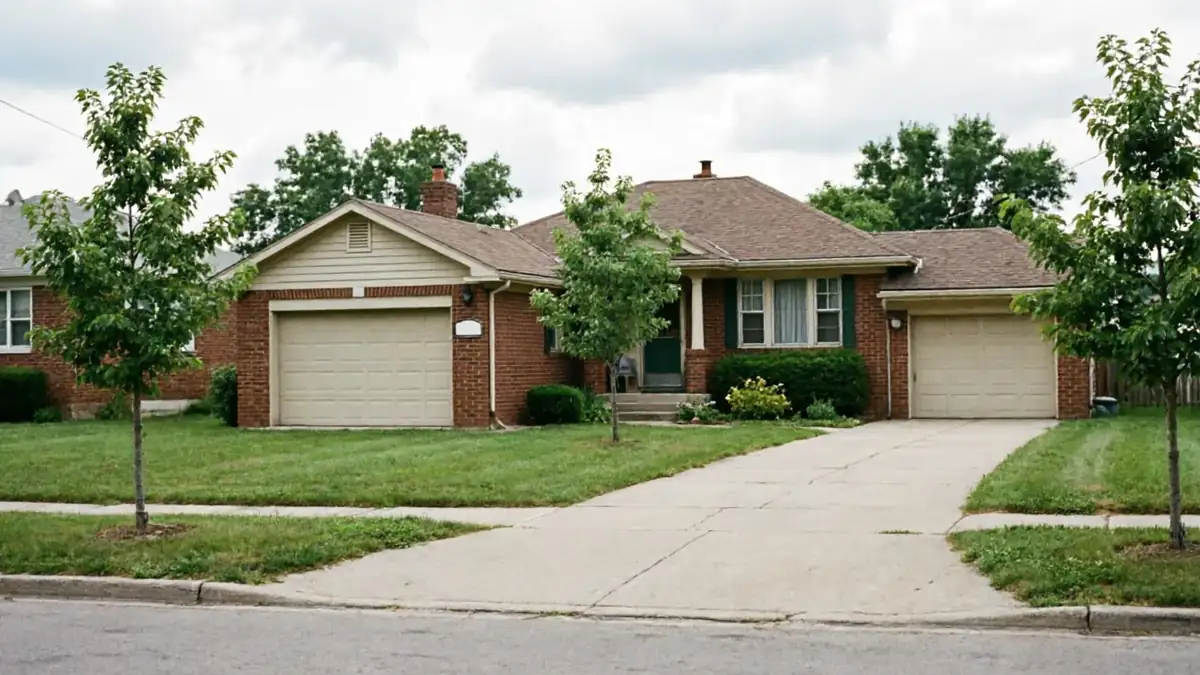
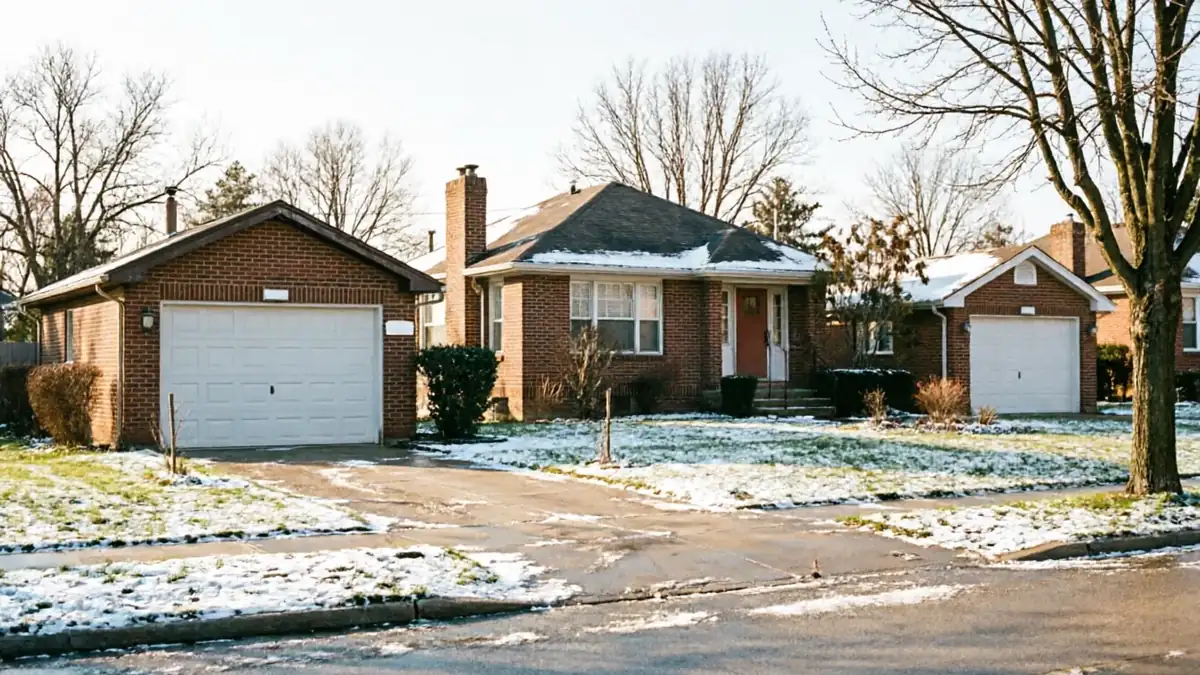
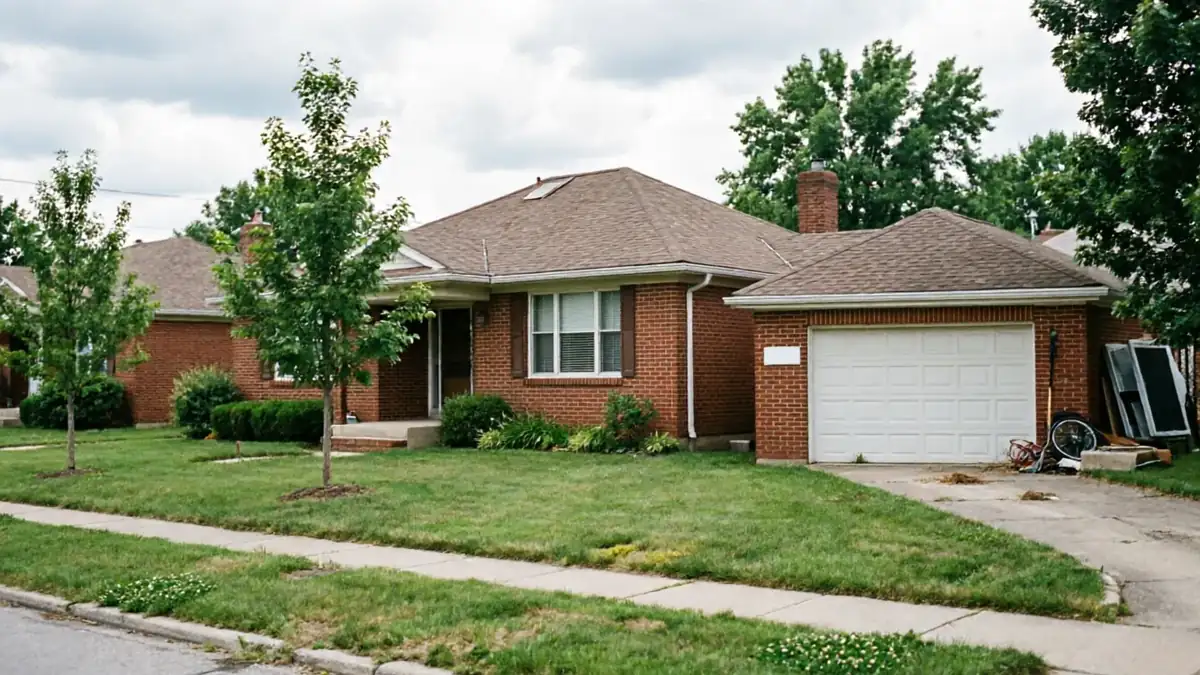
St. Louis Park has roughly 24,126 households, and the housing is older than the service-area average - median build year near 1965 against a broader range of 1957 to 2003 across the 46 communities we work in. That means original brick-and-frame garages, narrower door openings by today's standards, and hardware that's been serviced piecemeal rather than replaced as a set. It's a different job than the 1990s-built subdivisions closer to Blaine, where torsion systems are more standardized and parts are easier to match off the shelf. If you own one of these older houses, the door and track in your garage are probably not original to the house but also probably not matched to each other - which is usually the first thing we check before quoting a repair.