Can You Do This Yourself
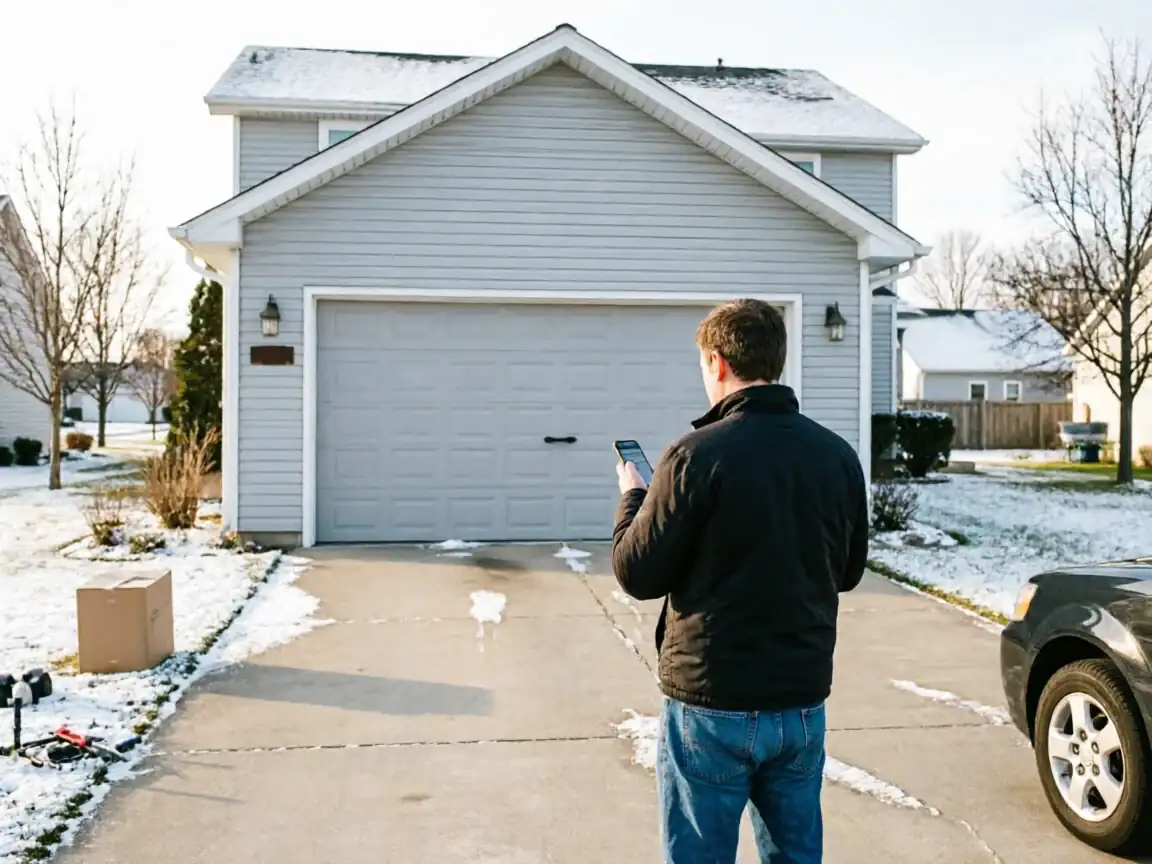
Andover has about 11,087 households, which is a small enough town that panel damage here tends to follow a pattern instead of being scattered across fifty different door styles. Because most houses went up around 1993, the doors behind them are steel sectional units, usually with a foam core, not the plain wood or single-skin aluminum panels you'd find on a much older street.
Swapping one dented panel yourself is possible if you can find an exact match - same manufacturer, same ribbing profile, same color run. That's the hard part. Panel runs get discontinued, and a door built in 1993 may not have an identical replacement panel sold today even by the original maker. If the color is slightly off or the rib spacing is a half-inch different, it shows on a sectional door every time the sun hits it at an angle.
What you shouldn't try alone: pulling the old panel on a door where the track has shifted, or where insulation has delaminated and is holding the skin together. At that point you're not swapping a part, you're diagnosing a door, and that's where a bad DIY attempt turns into buying a whole new door instead of saving the one you have.
How Long It Takes
We come from Blaine, 8 miles out
So the job here starts with sourcing the right panel before a truck ever loads. On a 1990s-built door in Andover, that usually means a steel sectional panel in a common size - those are easier to track down than panels for the mixed older stock closer to Blaine, where doors can run anywhere from 1957 vintage up.
- 8 miles
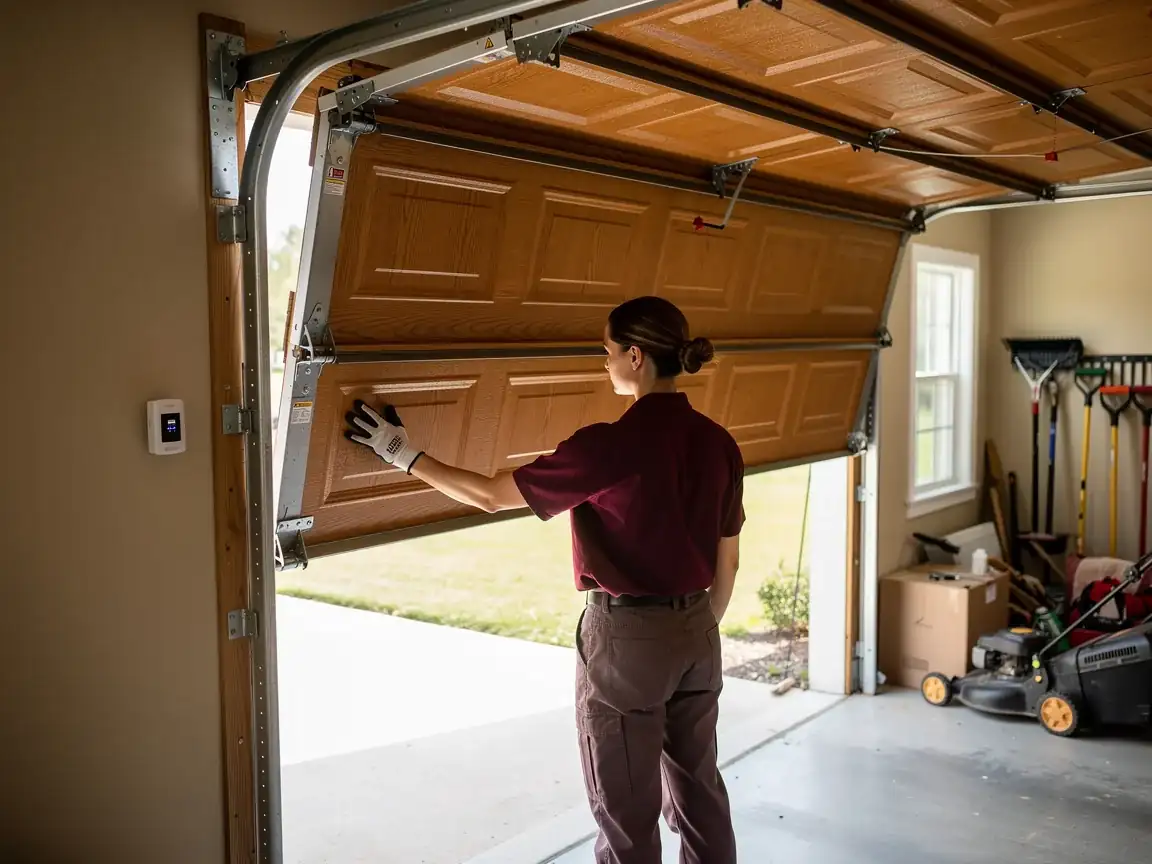
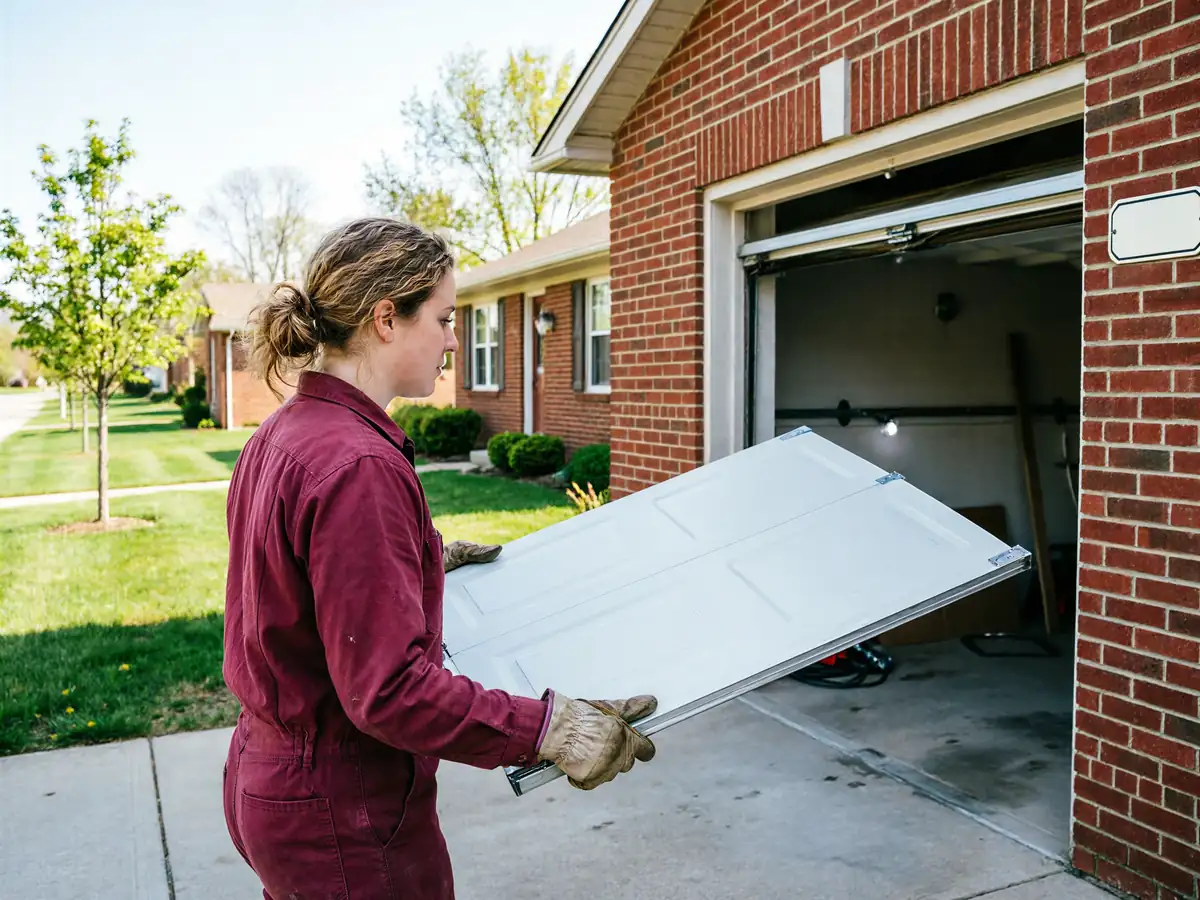
Once the panel's in hand, swapping a single section on a sectional door is a shorter job than most homeowners expect
It's bolted in, not welded, and the hinges and rollers transfer over if they're not bent. What stretches the timeline isn't the swap itself, it's waiting on the exact panel to ship if your door's a less common width or if the color needs a factory match rather than a stock one.
We won't quote a number of days here
Because that depends on what's in stock when you call, not on anything specific to this town. What we will say: if the panel's a standard width in a common color, it's a same-visit job once we're on site with the part.
How It Shows Up
Andover sits in a cold-climate band with hard winters, and that changes what panel failure looks like on a foam-core steel door versus an older, uninsulated one. On a door built around 1993 with a foam core bonded between two steel skins, a failing panel often shows up as frost or condensation on the inside face before you ever see a crack or a dent from outside. The foam has separated from one skin, air's getting behind it, and the panel is quietly losing its insulating value months before it looks broken.
The more obvious failure is still a direct hit - a backed-into panel, a thrown rock, a ladder that fell against the door. On a steel sectional panel that's a clean dent or puncture, usually confined to one section, which is exactly the kind of damage a single-panel swap is built for.
What doesn't show up as panel damage, even though homeowners often assume it is: a door that won't sit flush at the bottom. That's more often a track or hinge problem than the panel itself, and treating it as a panel issue wastes a service call.
What the Repair Takes
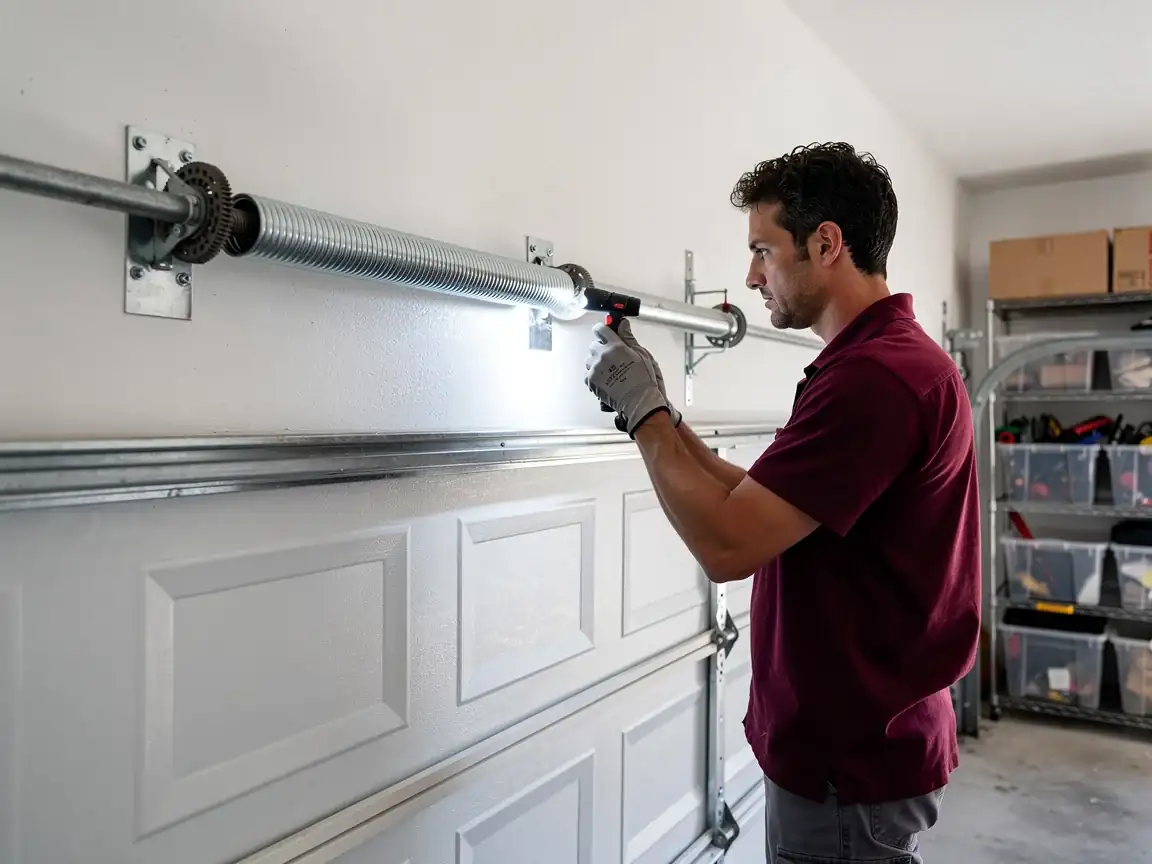
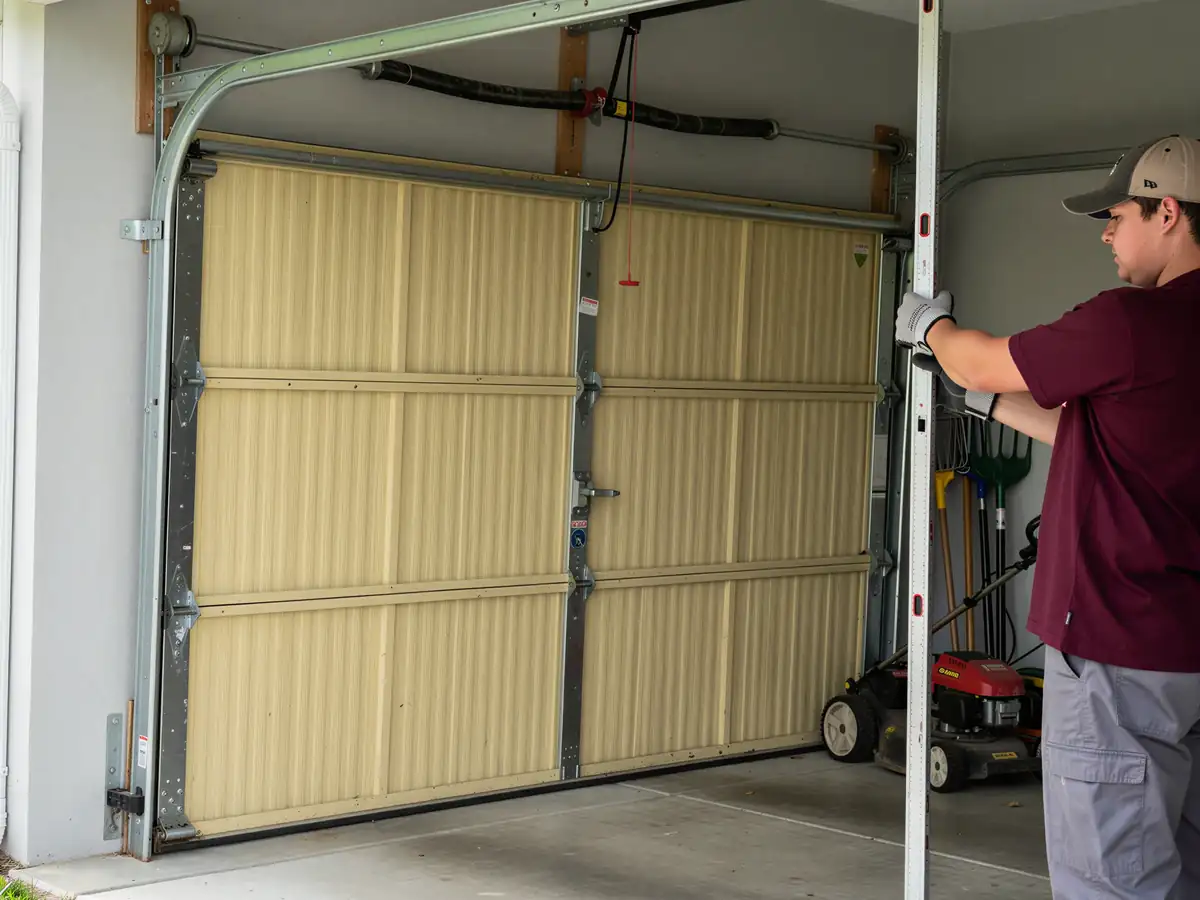
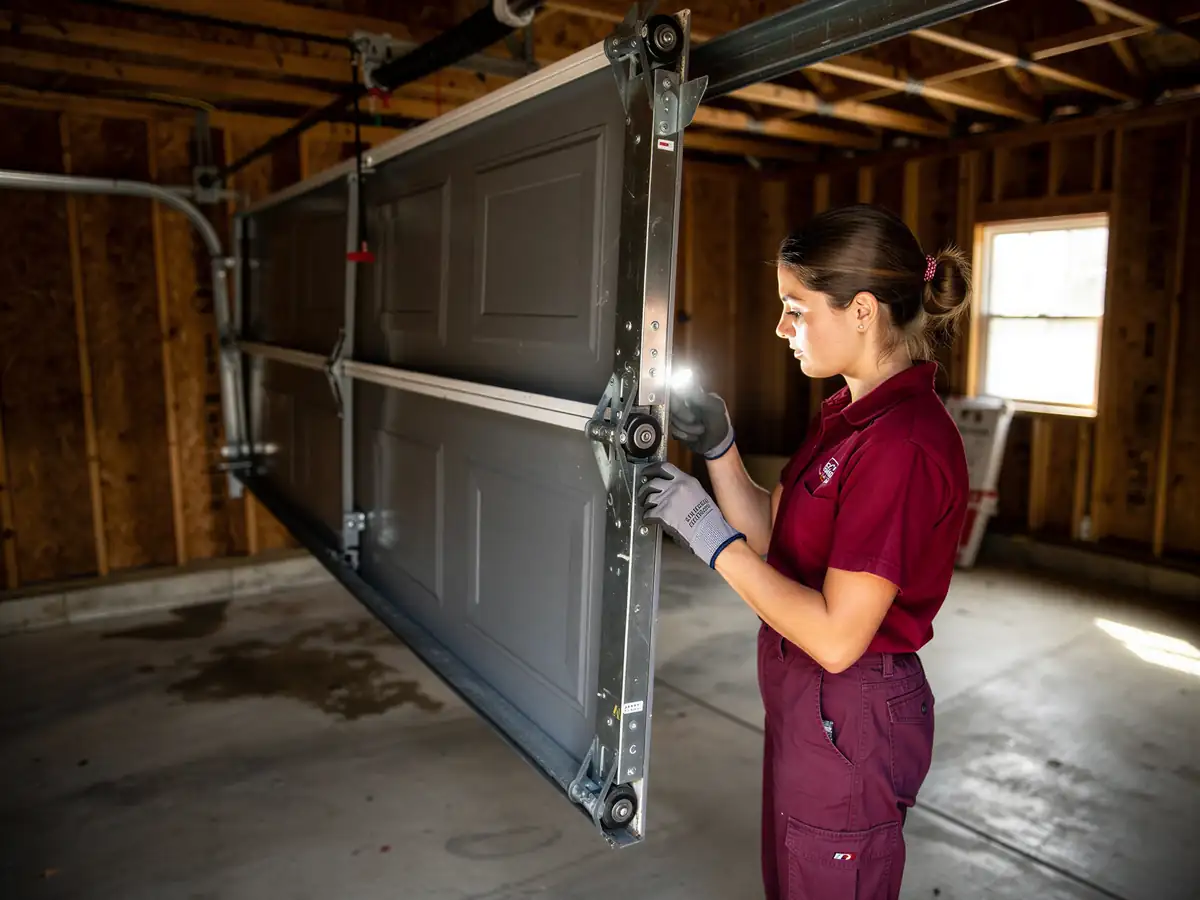
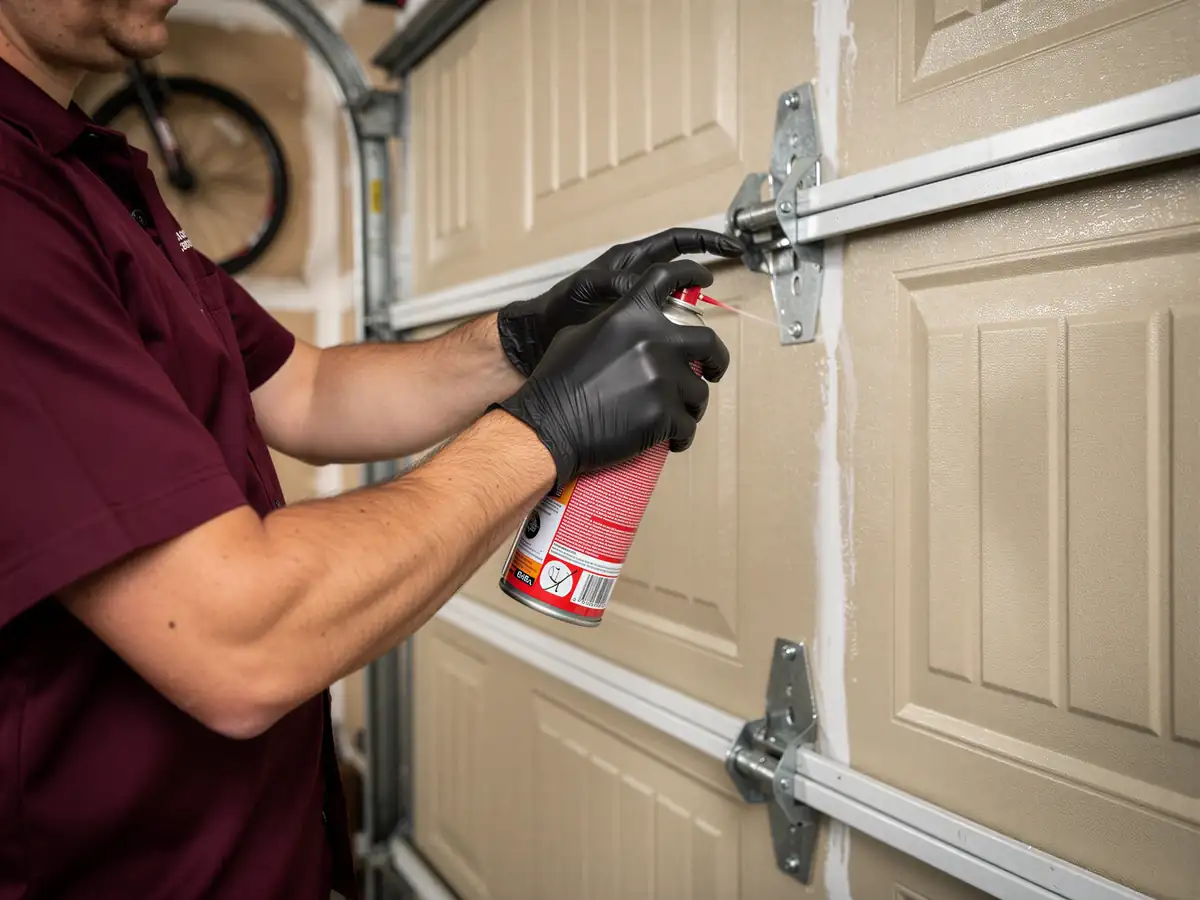
The job is matching the panel, not reinventing the door. For a house built in Andover's typical 1990s range, that means identifying the door's manufacturer, panel width, and color code, then ordering the one section that's damaged rather than the whole door. Sectional doors from this era are bolted together panel to panel, so the work is unbolting the hinges and rollers off the damaged section, swapping in the new panel, and bolting the hardware back on in the same positions.
If the color's an exact match, you won't see a seam. If it's a close match instead of exact - which happens when the original run is discontinued - there will be a visible line between old and new panels, more noticeable in direct sun. We'll tell you up front if that's the situation rather than let you find out after the fact.
One limitation worth saying plainly: if more than one or two panels on a door are damaged, or the door's track has racked from the impact, replacing panels stops making financial sense next to replacing the door. We'll tell you when that line is crossed instead of selling parts past the point they're worth it.