
Blog
What Blaine's 1957-2003 Housing Stock Means for Your Garage Door
Blaine's houses mostly date from 1957 to 2003, and severe cold winters wear out weather seals and springs fast. Here's what to watch for and when to call.
What Changes With the Season
Most of the garage doors we see in Blaine sit on houses built somewhere between 1957 and 2003, with the bulk of that stock going up through the 1980s and 90s. That matters because steel sectional doors from that run were never built with today's insulation standards, and the rubber bottom seals and side weatherstripping on a door that age have usually been replaced once already, if at all.
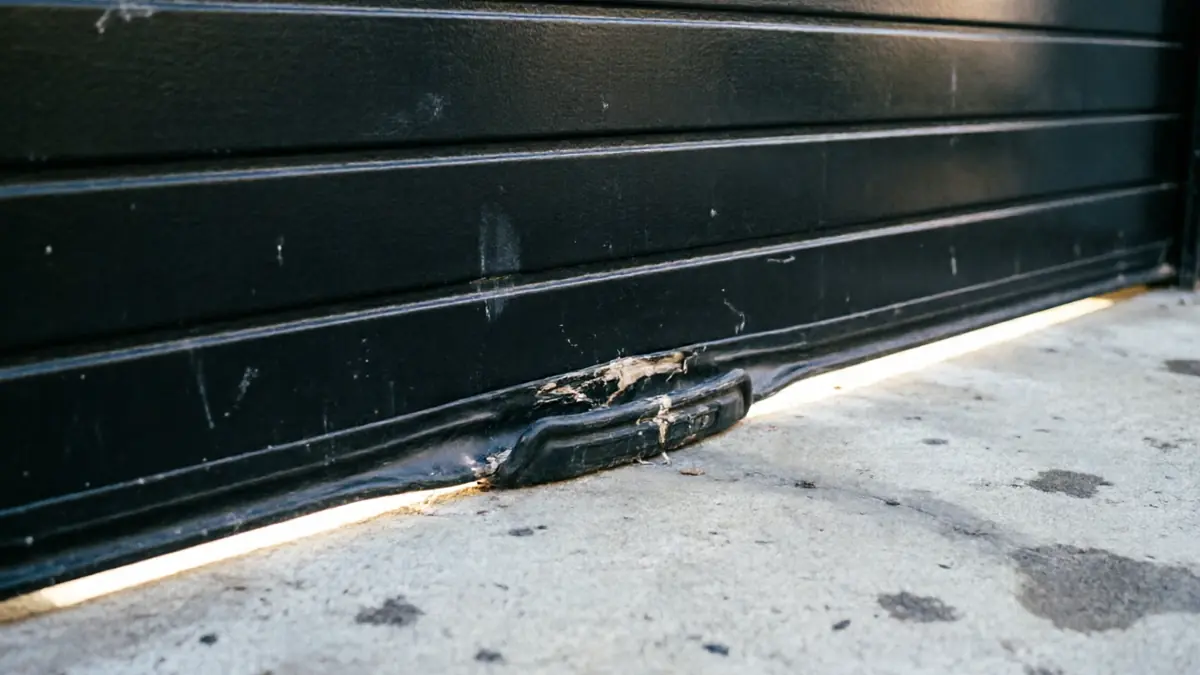
When the first hard freeze comes through, the gap between the door and the slab opens up as the slab contracts and the steel panel shrinks at a different rate. That's when you start feeling weather seals and draughts at the bottom corners, usually the side closest to the prevailing wind. On a 1980s door with the original vinyl retainer track, the seal often doesn't seat right anymore because the track itself has warped slightly over 40-plus winters.
Spring tension also shifts with temperature. A torsion spring that was adjusted in July can feel noticeably heavier to the opener in January, because cold steel is stiffer and the lift calculation changes. None of this means something is broken. It means the hardware is doing exactly what aging steel and rubber do in a severe cold climate, and it's worth checking before the coldest stretch rather than during it.
When to Call Someone
Call before the door stops working, not after, if your house falls into that 1957-2003 build range and you haven't had the springs or seals looked at. A torsion spring on a door that old has had decades of cycles, and in a severe cold climate the steel gets more brittle as it ages, which is when a spring snaps rather than just wearing out slowly.
Signs worth a call: the door feels heavier to lift by hand than it used to, the opener strains or reverses partway up, or you can see daylight at the bottom corners even with the seal in place. On homes from the 1980s and 90s specifically, we also see the original steel jamb brackets working loose from the wood framing after years of freeze-thaw movement in the lumber.
One honest limit: if the track or hinges are original to a house built in the late 1950s or early 60s, parts for that specific hardware aren't something we stock, and sourcing them can take longer than most people want to wait on a door that won't close. In those cases replacing the section or the whole door is usually the faster and more sensible call than chasing an exact match.
What the Weather Here Does to It
This is a severe cold climate, and that's the single biggest factor in how a garage door ages here, more than the brand or how often it's used. Steel contracts in the cold, which is why a door that closed flush in August can leave a visible gap in February. On doors from the 1980s and 90s housing boom, the gauge of steel used was generally thinner than what's installed today, so that contraction shows up more.
Moisture is the other half of it. Snow melting off a car and refreezing at the base of the door works into any gap in the bottom seal, and over enough winters that moisture finds its way to the bottom panel seam and the track mounting hardware. Rust at the bottom foot or so of the track is one of the more common things we find on doors from that original housing stock.
Opener motors also work harder in the cold, since the grease in an older gear-driven opener thickens and the chain or belt has more resistance to pull against. None of this is unique to one house. It's what happens to a steel door, a vinyl seal, and a gear motor over 30 to 60 winters in this climate, which is most of the garage doors standing in Blaine right now.
What Is Going On
Blaine's housing didn't go up all at once. The stock here spans 1957 through 2003, with the median build year landing around 1980, and it's spread across roughly 46 named areas of the service territory rather than concentrated in one subdivision. That spread means the specific hardware problem your door has often depends on which decade your block went up in, not just how old the house feels.
Nearby, Circle Pines sits about 3 miles out, Spring Lake Park and Mounds View around 4, and Lino Lakes about 5, with Fridley, North Oaks, Arden Hills, New Brighton, and Centerville all within roughly 7 miles. Those communities share a lot of the same build era and the same winters, which is part of why the seal and spring issues we see repeat across that whole stretch rather than being specific to one street.
Across the broader service area there are 258,628 households and 128,969 owner-occupied houses, with a median household income of $100,179. That's a lot of garage doors built in a narrow 40-year window, in one climate band, which is exactly the combination that produces predictable wear patterns rather than random ones.
Services
Garage door services in Blaine
- 01
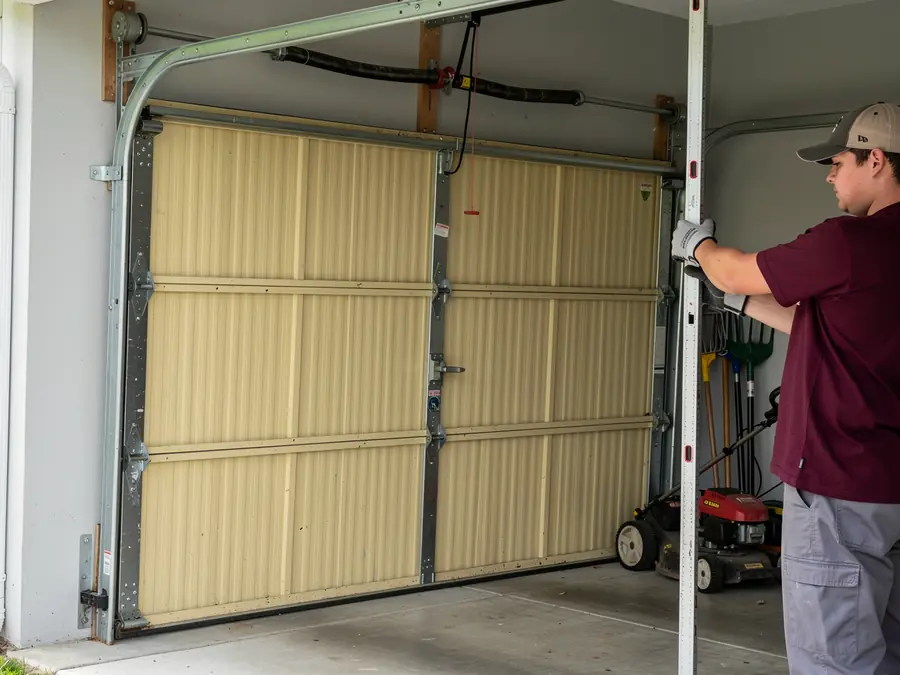 Garage Door RepairBlaine's 1980s-90s housing and severe winters often strain torsion springs and openers. Blaine Garage Door Pros repairs springs, cables, and openers fast.
- 02
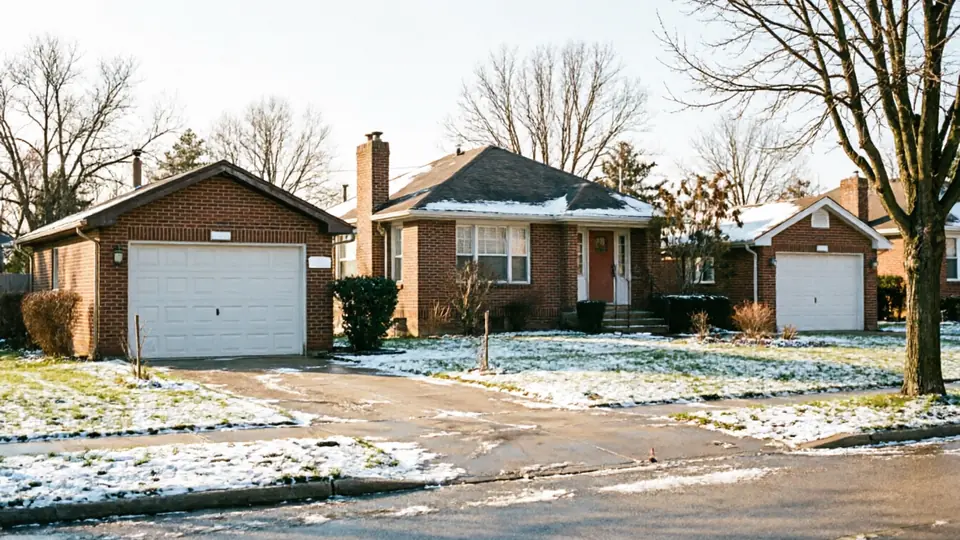 Garage Door InstallationNew garage door installation in Blaine, MN for homes built 1957-2003, sized and insulated for our severe winters and matched to original rough openings here.
- 03
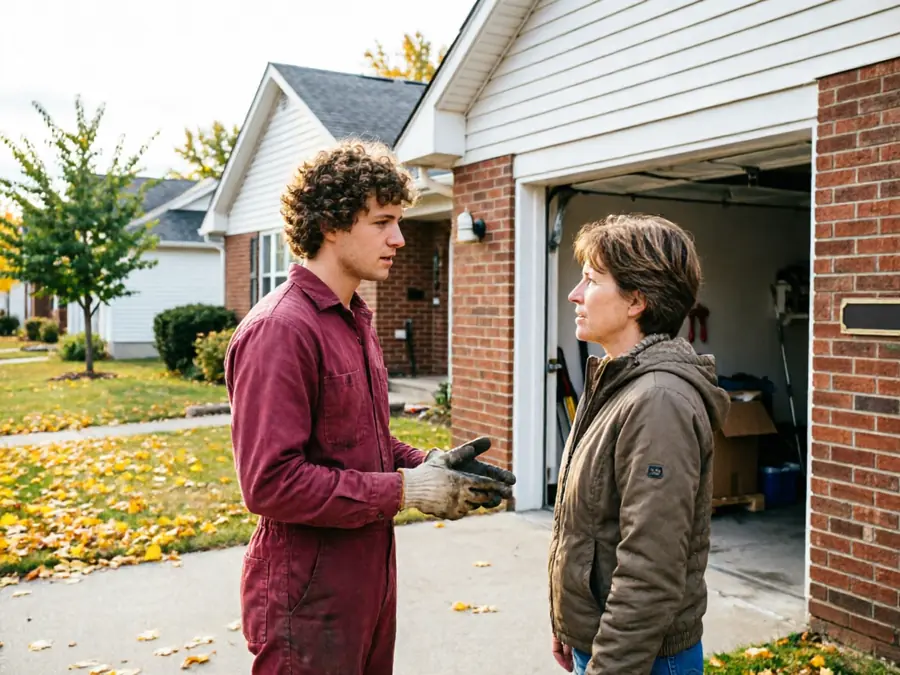 Garage Door ServiceBlaine's housing stock dates mostly to the 1980s and 90s, and cold winters push springs and openers hard. Blaine Garage Door Pros handles repair and tune-ups.
- 04
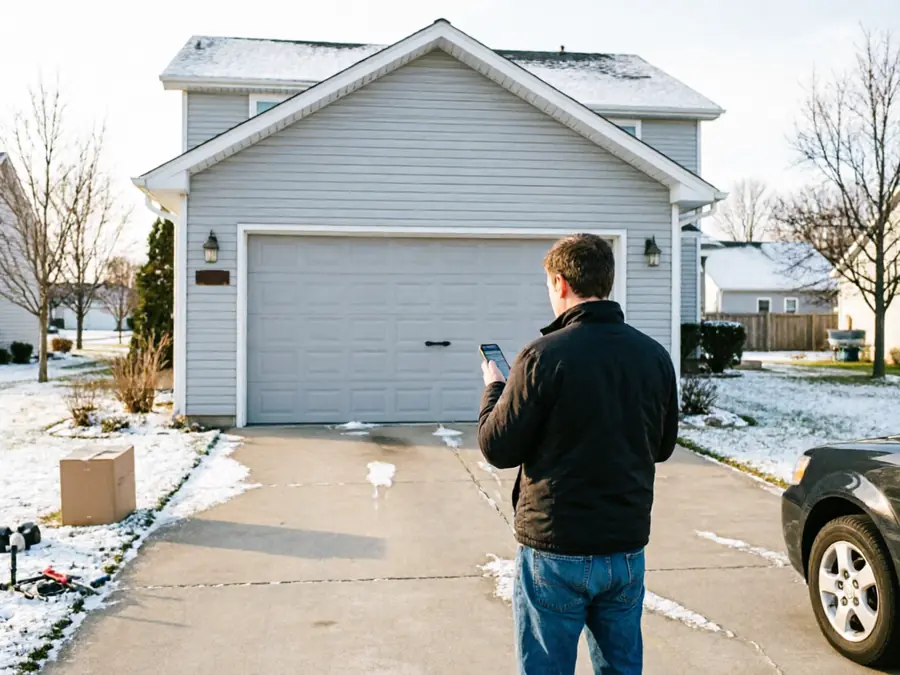 Opener RepairOpener acting up in cold weather or on an older Blaine house? We fix dead openers, grinding gears, and remote failures across the Blaine service area.
- 05
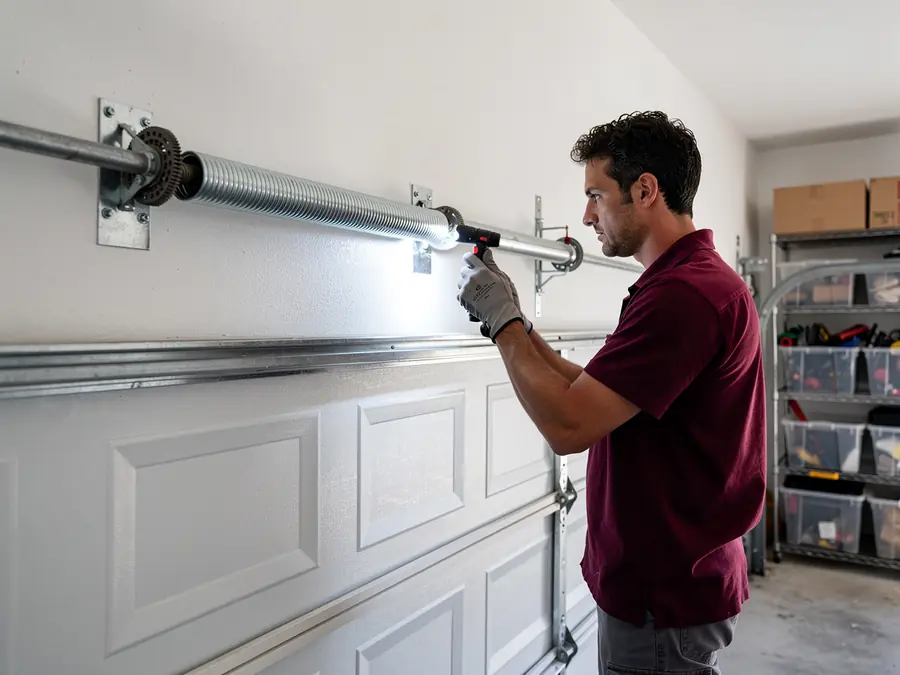 Spring RepairTorsion and extension spring repair for Blaine-area homes built 1957-2003, where cold winters and original hardware push springs past their rated cycles.
- 06
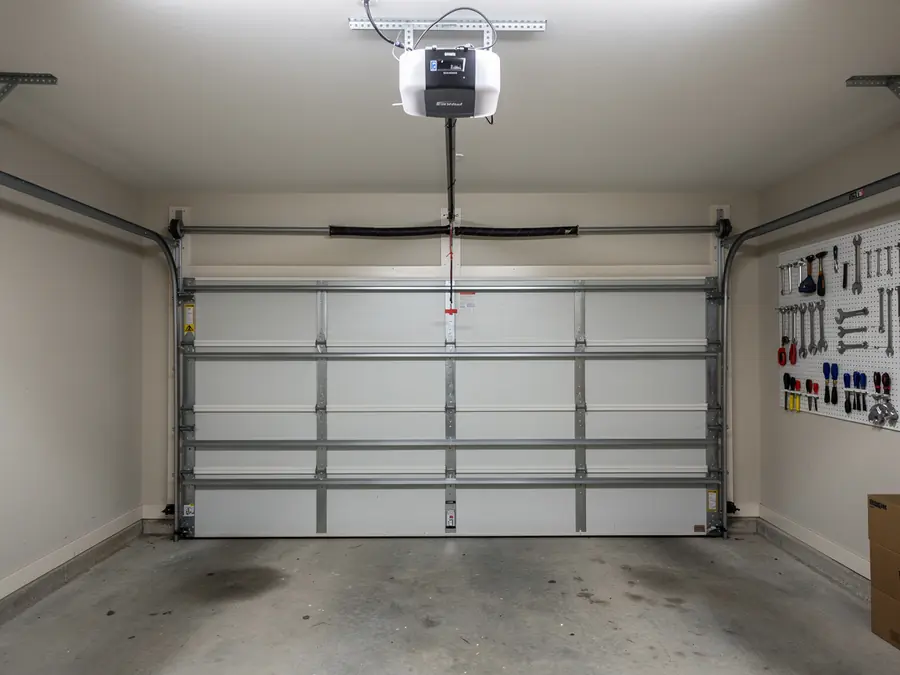 Off-Track RepairBlaine-area homes built mostly from 1957 to 2003 run tracks that shift with severe cold winters. We find and fix off-track doors across Blaine, Circle Pines.
- 07
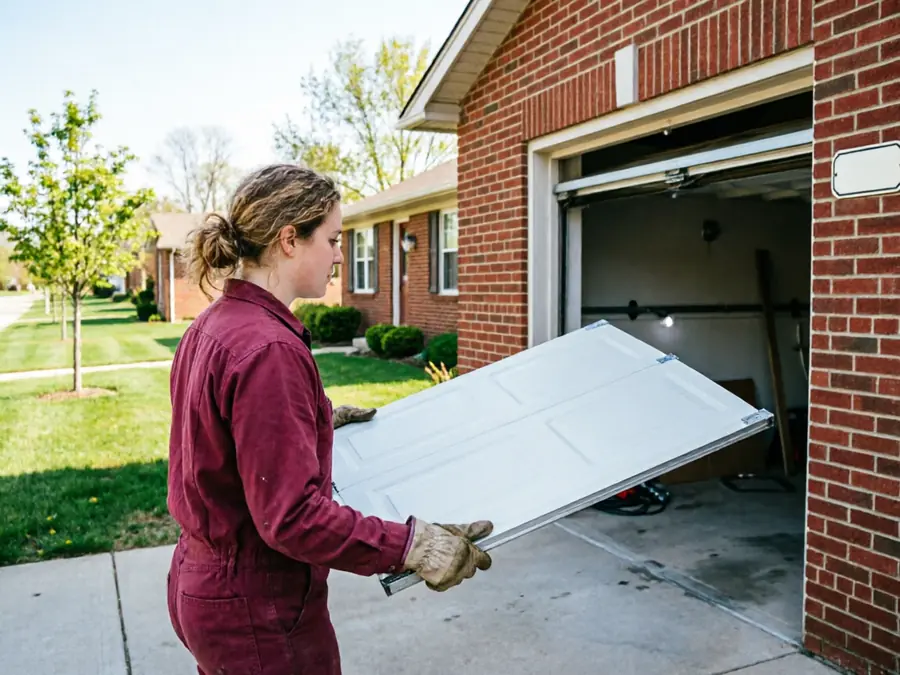 Panel ReplacementPanel replacement for Blaine homes built mostly in the 1980s and 90s, where steel sections crack and bow under hard winters. One dented or rusted panel, replaced without a full new door.
- 08
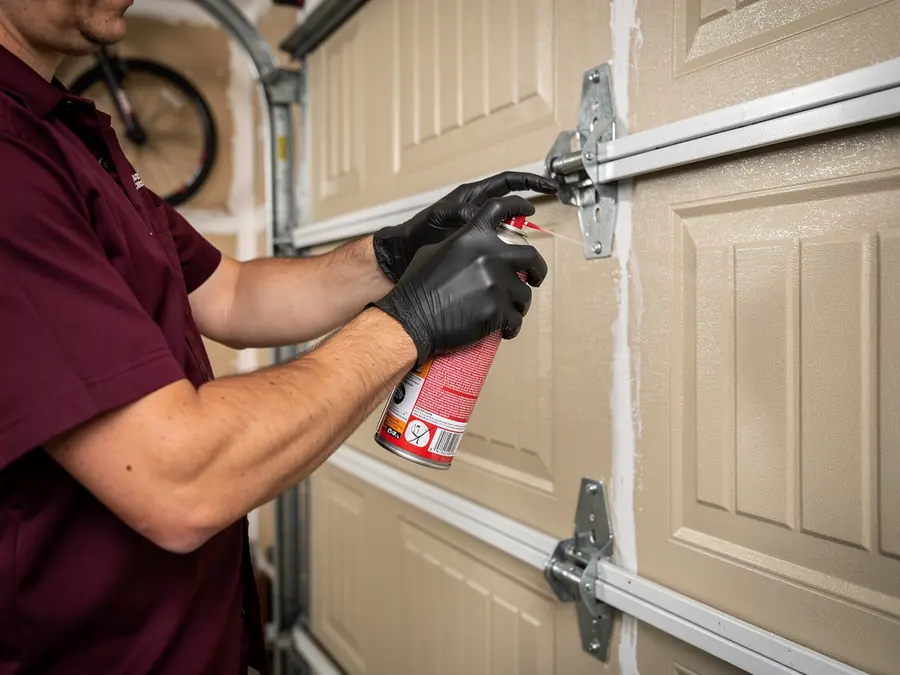 MaintenanceGarage door maintenance in Blaine, MN for homes built 1957-2003, tuned for Minnesota's severe cold winters and the area's aging springs, rollers, and tracks.
FAQ
Questions about this
My house was built in the 1980s. Is my garage door original?
It's possible but not guaranteed. A lot of Blaine's housing stock from that era still has original torsion springs and track, especially if the door itself looks dated. If you don't know the install date, a loud grinding sound or a door that's suddenly heavier to lift by hand is a better signal than the house's age alone.
Why does my door seal worse in January than in July?
Cold steel contracts and the slab shifts slightly with frost, which opens a gap that wasn't there in warmer months. That's when weather seals and draughts show up at the bottom corners. It's normal movement for this climate, not necessarily a sign the seal has failed, though an old seal makes it worse.
Is it worth repairing a door from the original 1960s housing stock?
Sometimes, but not always. If the track or hinges are original to a house from the late 1950s or early 60s, exact parts aren't something we keep on hand, and the wait can be longer than people expect. For doors that old, replacing the section or the door is often faster than chasing original hardware.
Tell us what your door is doing.
We serve Blaine, MN and nearby communities. Every job starts with a diagnosis, so you know what failed before any work begins.