
Blog
What We Check First on a Blaine Service Call
Blaine Garage Door Pros explains what a tech checks first on Blaine's 1957-2003 housing stock in a cold-severe climate, and when to call before a small issue becomes a stuck door.
What Changes With the Season
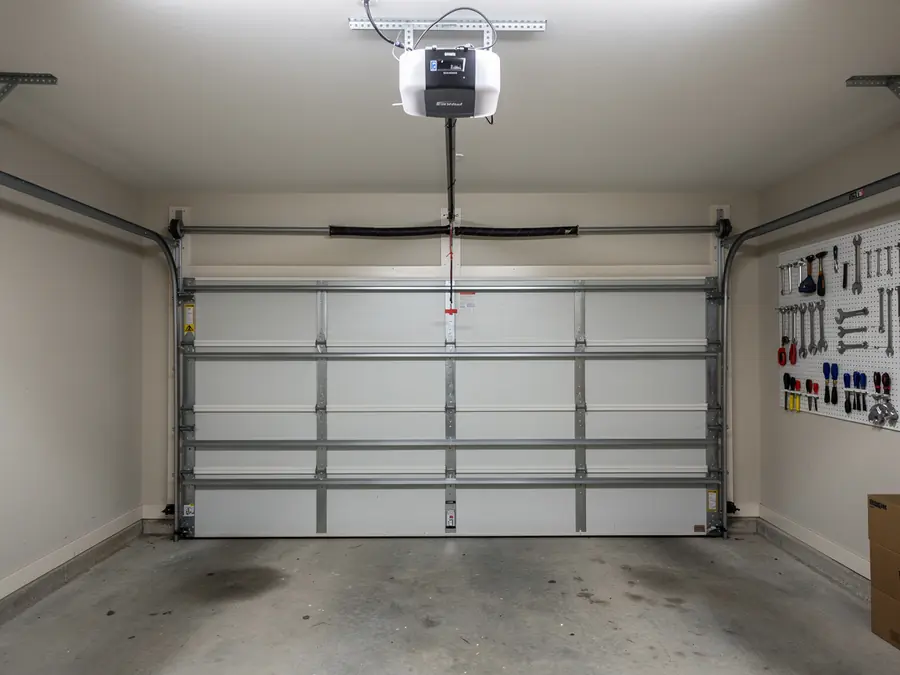
Blaine's housing mostly went up between 1957 and 2003, with the thickest band of construction in the 1980s and 90s. That matters because a door and opener installed when a house was built is now anywhere from twenty to sixty-five years old, and the hardware doesn't age the same way in every season. Cold tightens steel. A torsion spring that felt fine in August can bind or sag in January once the metal contracts, and nylon rollers from that era get brittle faster than the newer composite ones. When we pull up to a job, the first thing we ask isn't "what's wrong" - it's roughly when the house was built, because a 1980s door on original hardware behaves nothing like a door replaced ten years ago. Spring tension gets checked against the current temperature, not just the door's weight, since a spring calibrated for mild weather can be under-tensioned once the cold sets in. Track alignment gets a second look too, because older track brackets on these houses were often set with less tolerance than code calls for now. None of this is dramatic. It's just the order that makes sense given what's actually bolted to the house in front of us.
When to Call Someone
Call before the door stops working, not after. A door that's noticeably heavier to lift by hand, or an opener that strains and reverses partway, is telling you the spring is losing tension - and on a house in this age range, that spring has likely never been replaced. We're not going to tell you every noise means a service call. A squeak that goes away with a shot of the right lubricant isn't a job. But a cable that looks frayed, a track bracket pulling loose from the jamb, or a door that drops suddenly instead of lowering smooth - those don't wait. Given how many houses in this service area are sitting on original or first-replacement hardware from the 1980s and 90s, the gap between "working but off" and "broken" tends to be short once cold weather starts working on tired steel. One honest limit: if a spring has already snapped, we don't recommend trying to run the opener to "see if it still works." That's the fastest way to turn a spring job into a track and opener job.
What the Weather Here Does to It
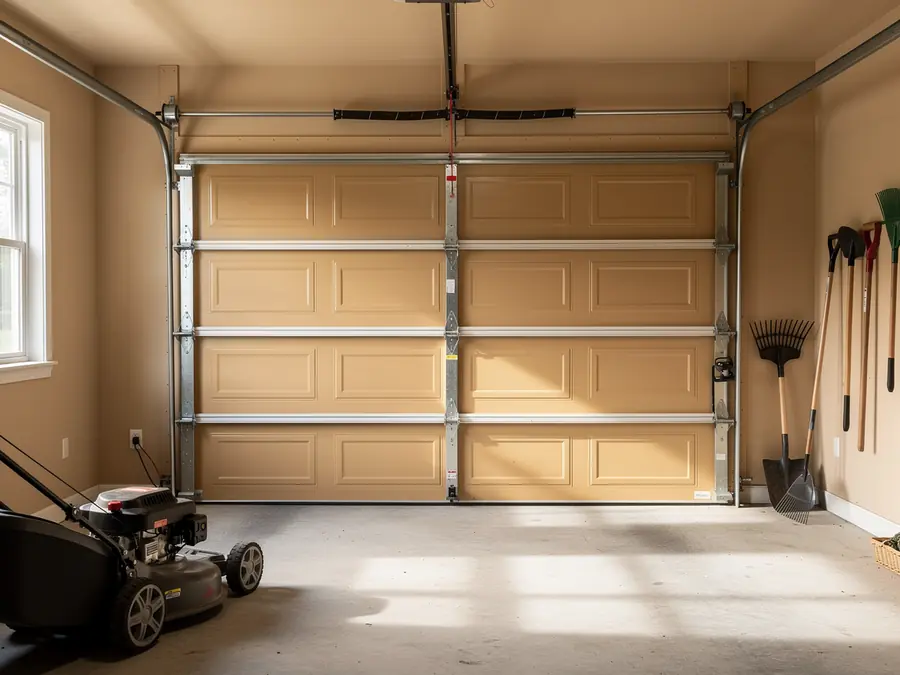
This area sits in a cold-severe climate band, and that's the single biggest factor in how we diagnose a door, not an afterthought. Cold doesn't just stiffen springs - it shrinks the slab, which can shift the door's bottom seal just enough that the door reads as misaligned when it isn't. We check the bottom seal and the slab gap before we touch the track, because adjusting a track to compensate for seasonal slab movement is a mistake we see other jobs leave behind. Weatherstripping on doors from the 1980s and 90s stock common to Blaine houses is frequently original or close to it, and it hardens with repeated cold cycles until it stops sealing at all. That's a cheap fix if caught early and a drafty garage if it isn't. Opener force settings also drift in cold weather - a setting that was safe in July can make the door close with too much force in January once the mechanism is stiffer. We recheck force settings as part of a winter call, not just the spring.
What Is Going On
Most of what we see on a Blaine call traces back to the same thing: hardware built for a house, not for forever, now meeting its second or third decade of Minnesota winters. With median construction around 1980 across this service area, a lot of doors are running original torsion springs that have simply outlived their cycle count, original rollers that have gone from quiet to rattling, or openers with gear sets worn down from years of cold-weather strain. We don't treat every call the same - a 1995-built house with a replaced opener needs a different look than a 1960s house that's never had the hardware touched. What we won't do is replace a whole door system when the actual problem is one worn part; that's a judgment call we make on-site, out loud, before any work starts.
Services
Garage door services in Blaine
- 01
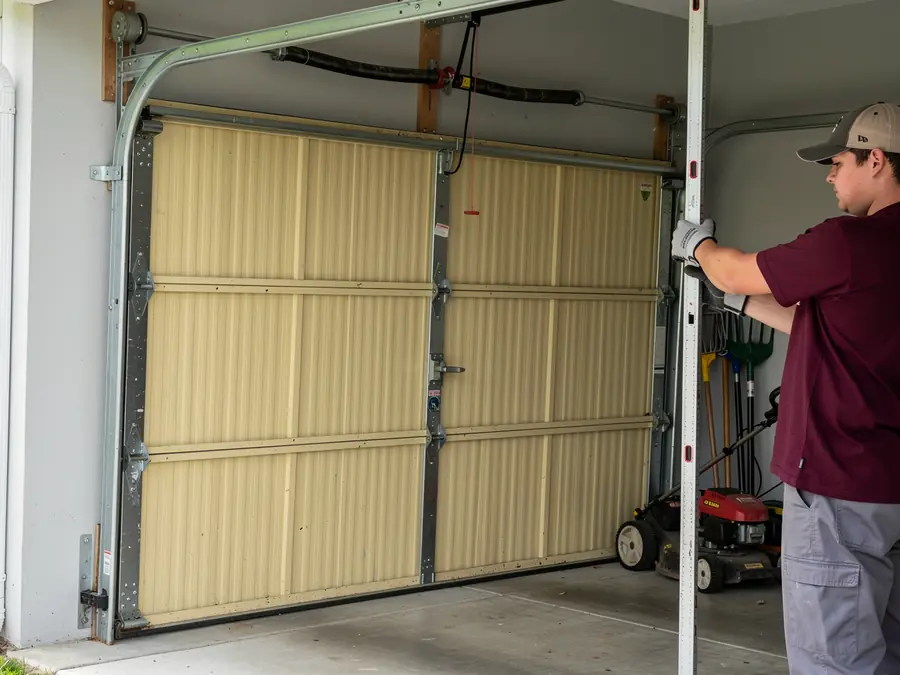 Garage Door RepairBlaine's 1980s-90s housing and severe winters often strain torsion springs and openers. Blaine Garage Door Pros repairs springs, cables, and openers fast.
- 02
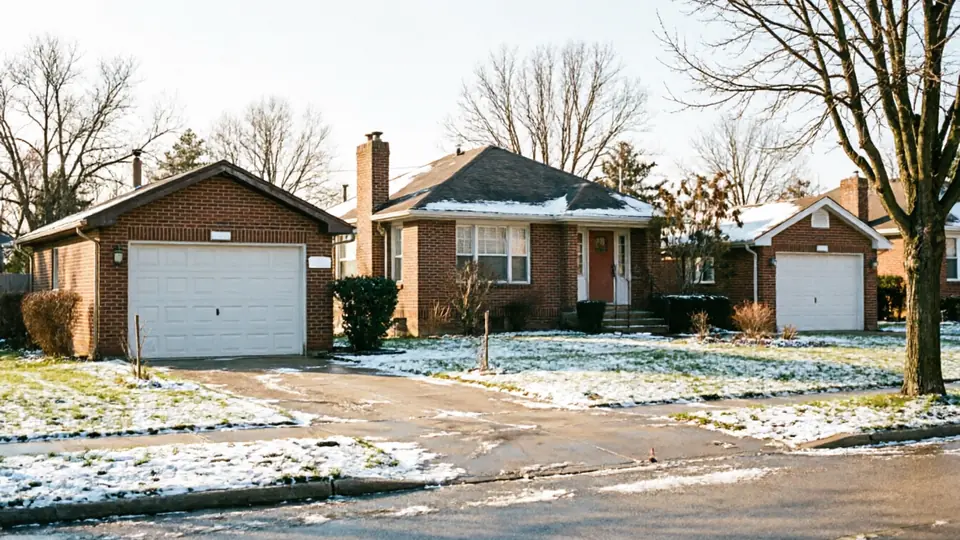 Garage Door InstallationNew garage door installation in Blaine, MN for homes built 1957-2003, sized and insulated for our severe winters and matched to original rough openings here.
- 03
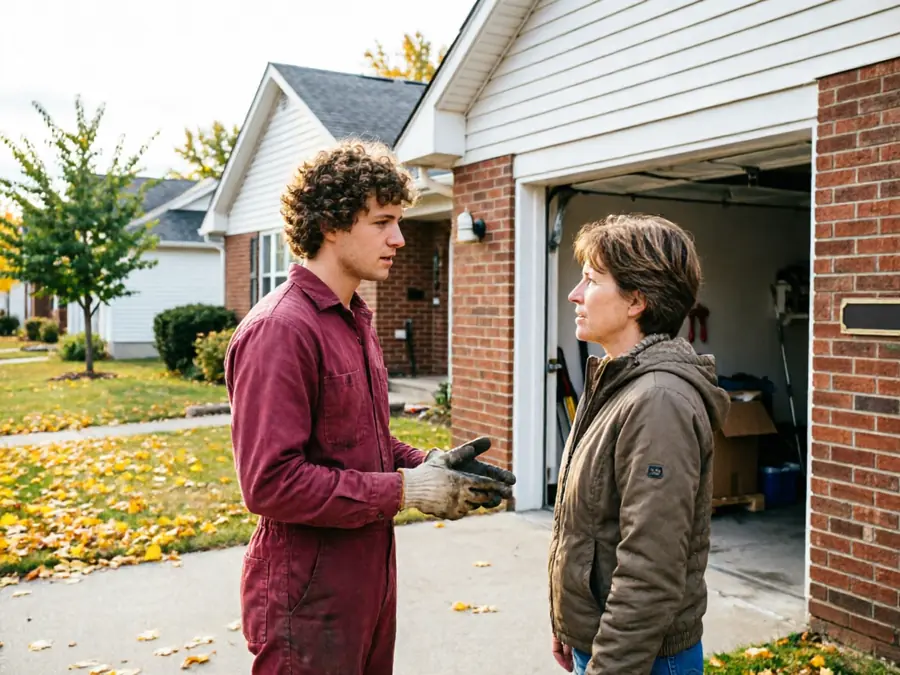 Garage Door ServiceBlaine's housing stock dates mostly to the 1980s and 90s, and cold winters push springs and openers hard. Blaine Garage Door Pros handles repair and tune-ups.
- 04
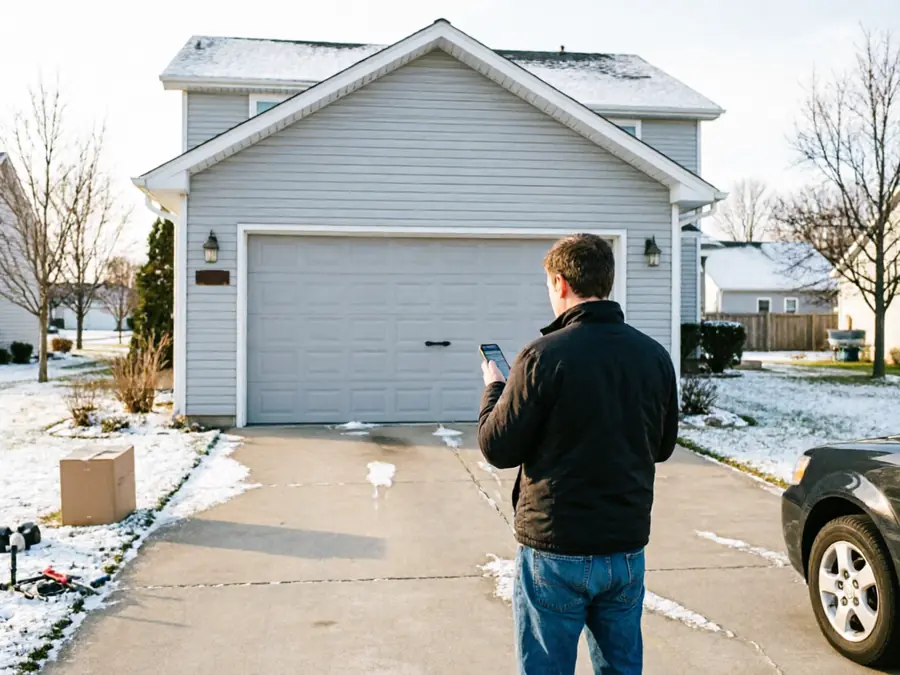 Opener RepairOpener acting up in cold weather or on an older Blaine house? We fix dead openers, grinding gears, and remote failures across the Blaine service area.
- 05
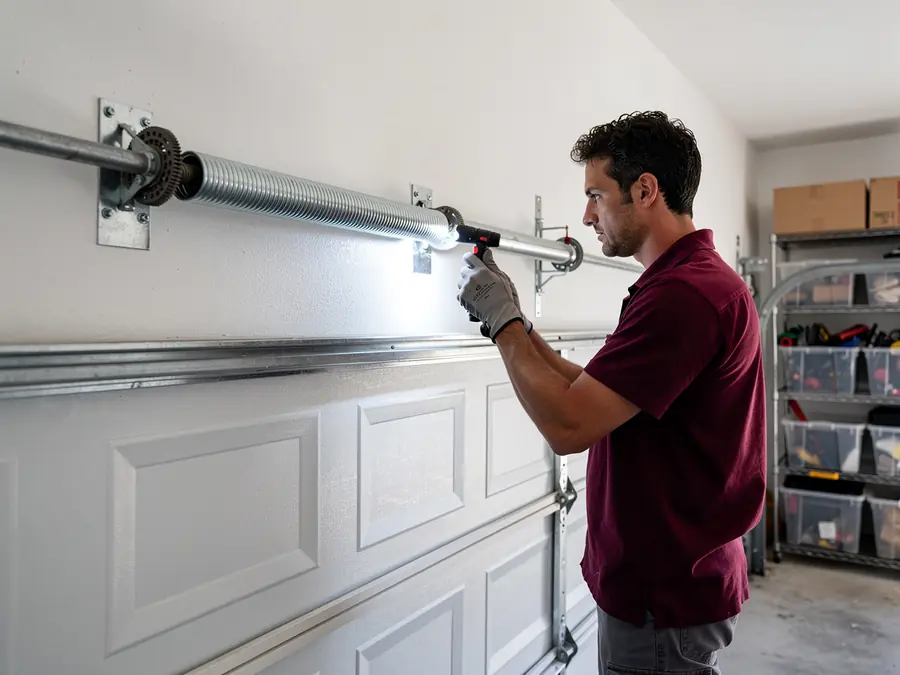 Spring RepairTorsion and extension spring repair for Blaine-area homes built 1957-2003, where cold winters and original hardware push springs past their rated cycles.
- 06
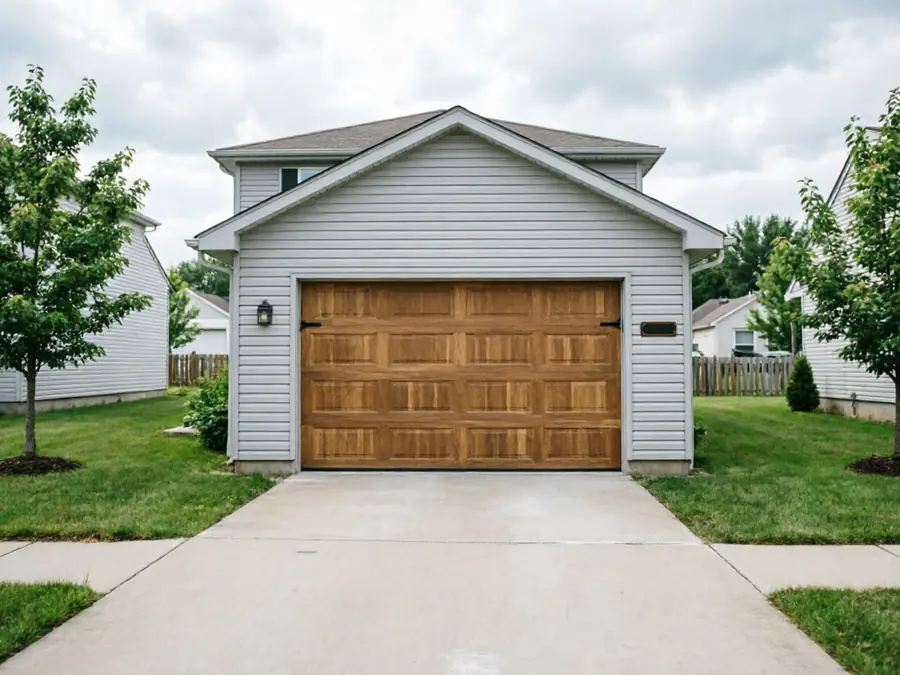 Off-Track RepairBlaine-area homes built mostly from 1957 to 2003 run tracks that shift with severe cold winters. We find and fix off-track doors across Blaine, Circle Pines.
- 07
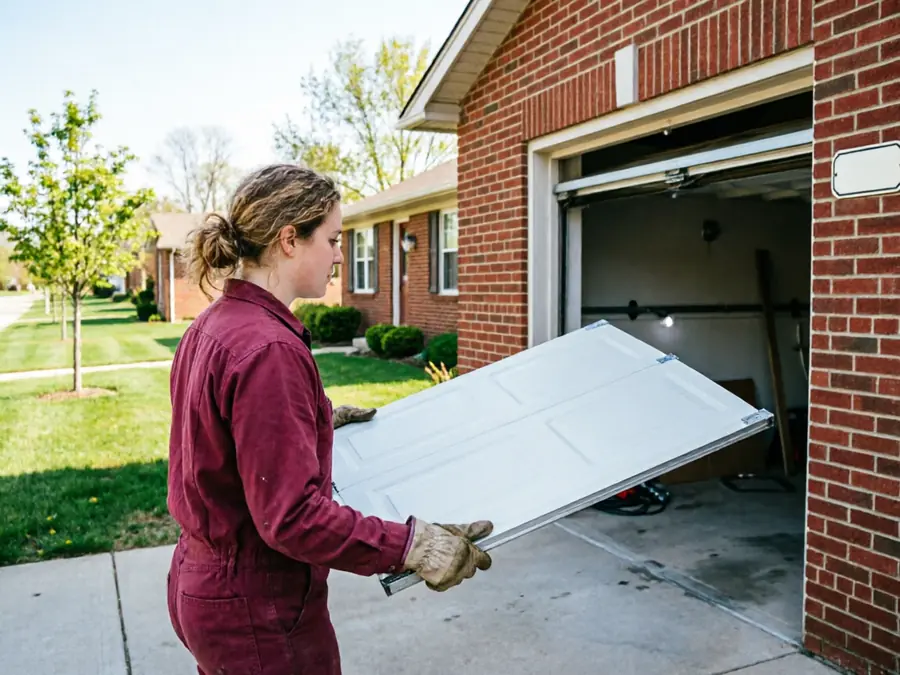 Panel ReplacementPanel replacement for Blaine homes built mostly in the 1980s and 90s, where steel sections crack and bow under hard winters. One dented or rusted panel, replaced without a full new door.
- 08
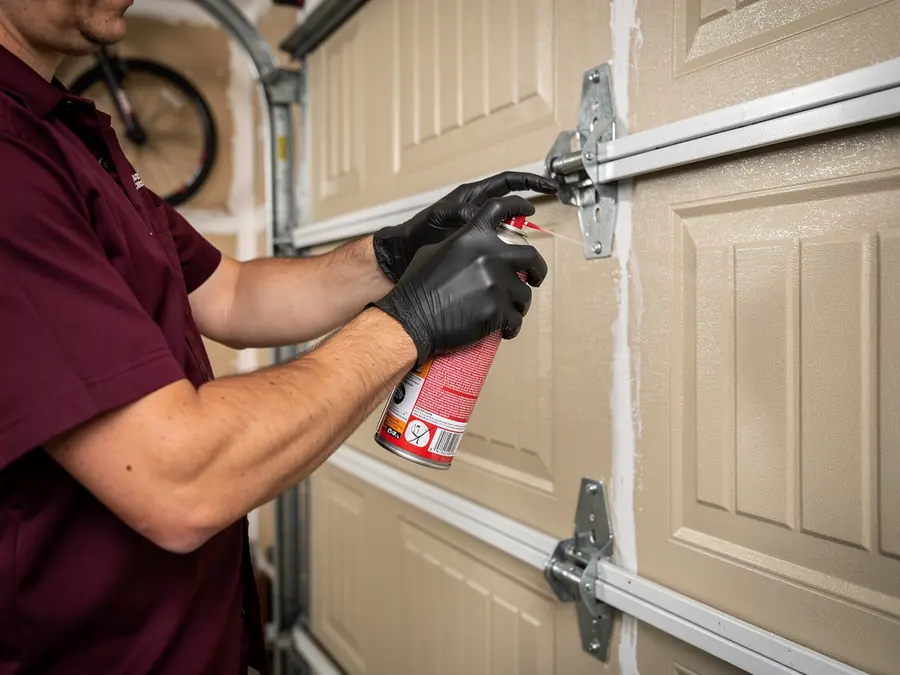 MaintenanceGarage door maintenance in Blaine, MN for homes built 1957-2003, tuned for Minnesota's severe cold winters and the area's aging springs, rollers, and tracks.
FAQ
Questions about this
How old is the typical garage door in Blaine likely to be?
It depends on the house, but since most homes in this service area were built between 1957 and 2003 with a concentration in the 1980s and 90s, a lot of doors and openers are original to a house built two to four decades ago. That age range is exactly where springs, rollers, and opener gear sets start failing.
Does the cold really affect a garage door that much?
Yes. This area sits in a cold-severe climate band, and steel springs lose tension as temperatures drop while slab concrete contracts and shifts seal alignment. A door that worked fine in summer can bind, drag, or reverse unexpectedly once winter sets in, even with no other change to the hardware.
Should I try to fix a broken spring myself before calling?
No. If a spring has already snapped, don't run the opener to test it - that risks damaging the track or opener on top of the spring. Springs under tension are also not a safe DIY repair. Call before trying to force the door open or closed.
Do you serve areas near Blaine like Circle Pines or Spring Lake Park?
Yes, this service area covers Blaine and the surrounding communities, including Circle Pines about three miles away and Spring Lake Park about four miles away, along with other nearby areas listed on our service page.
Tell us what your door is doing.
We serve Blaine, MN and nearby communities. Every job starts with a diagnosis, so you know what failed before any work begins.