Can You Do This Yourself
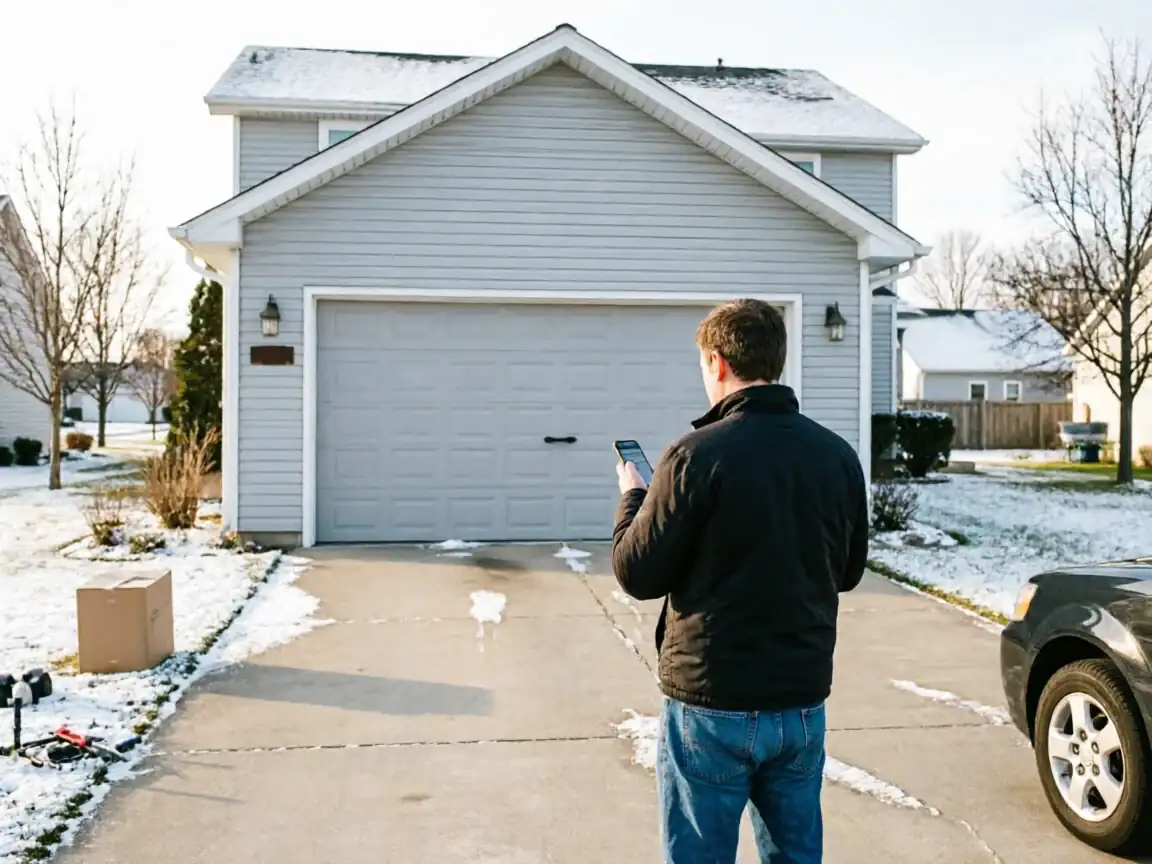
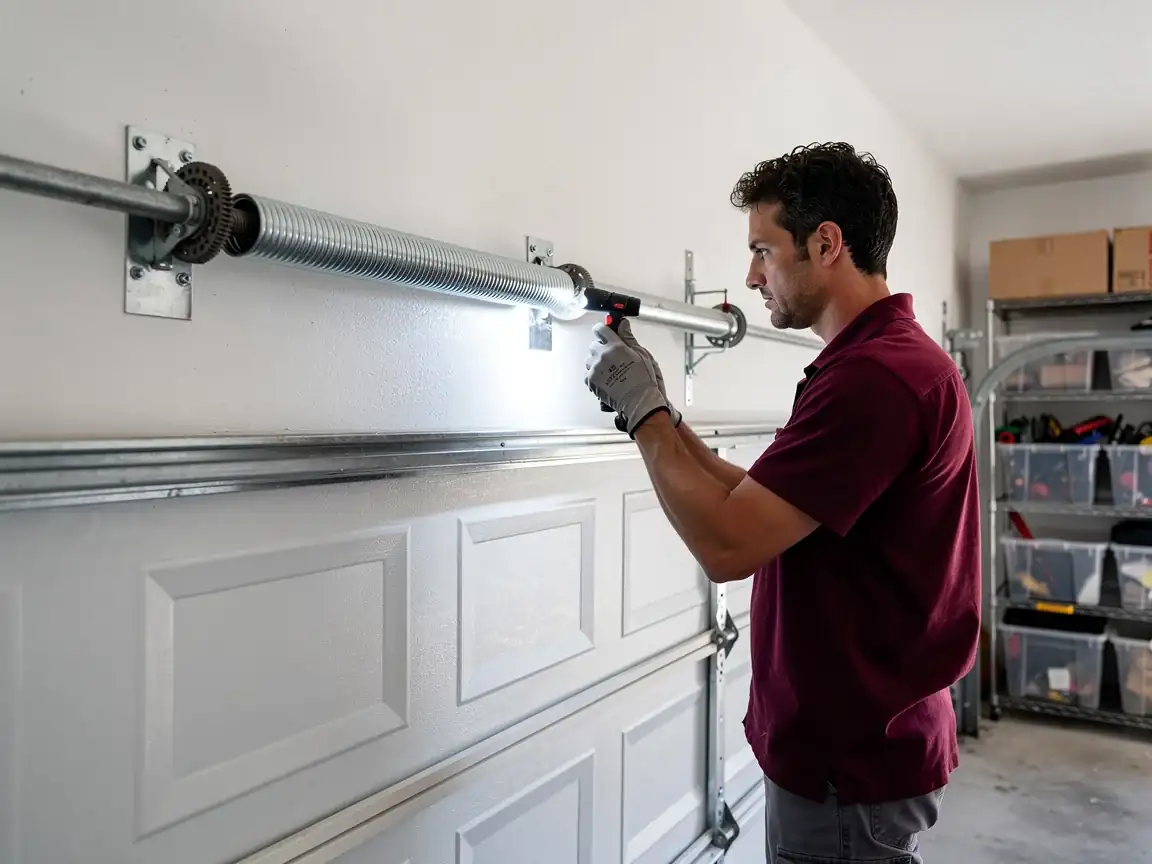
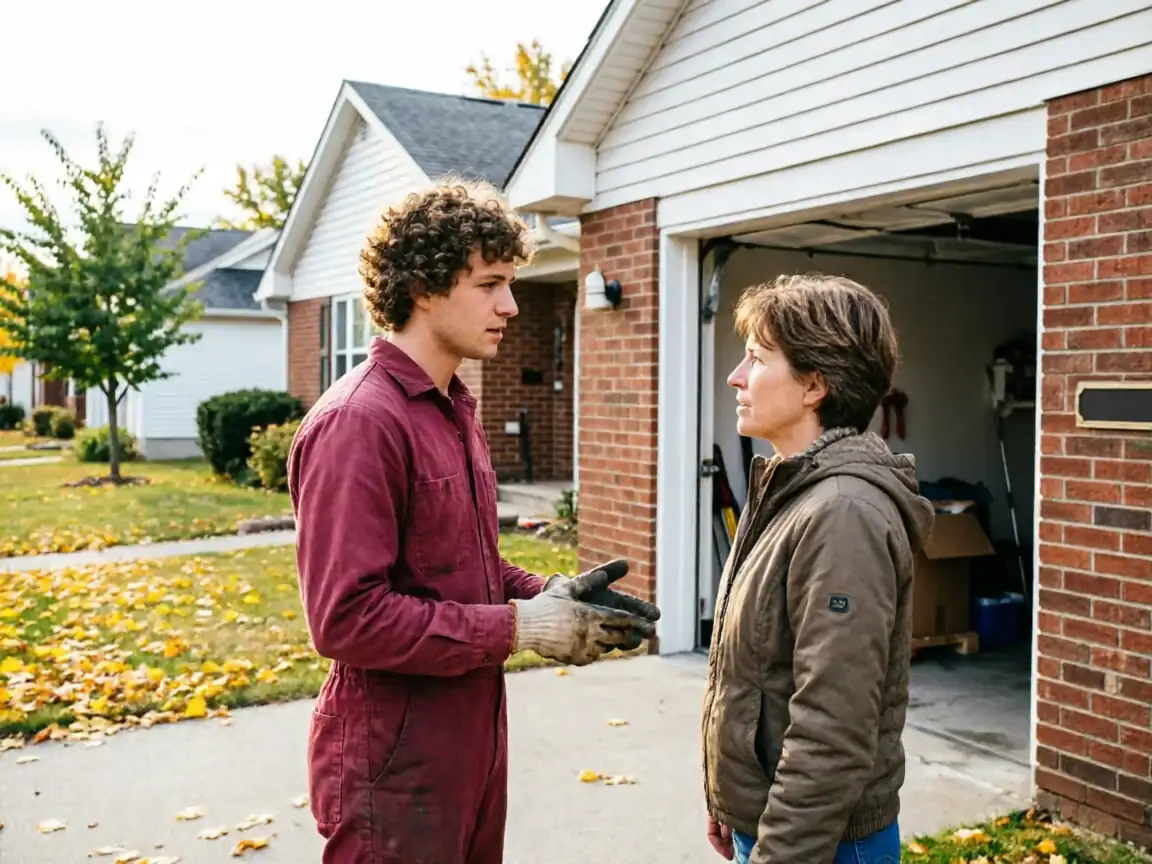
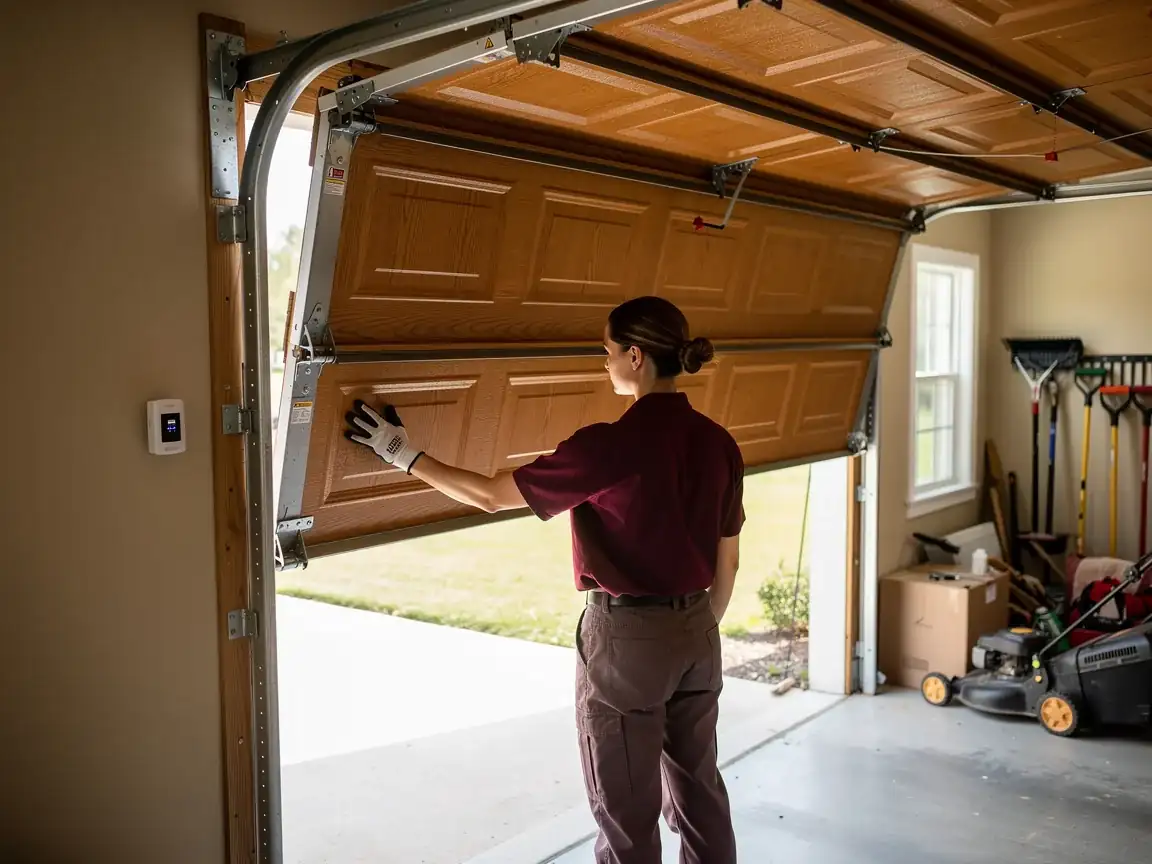
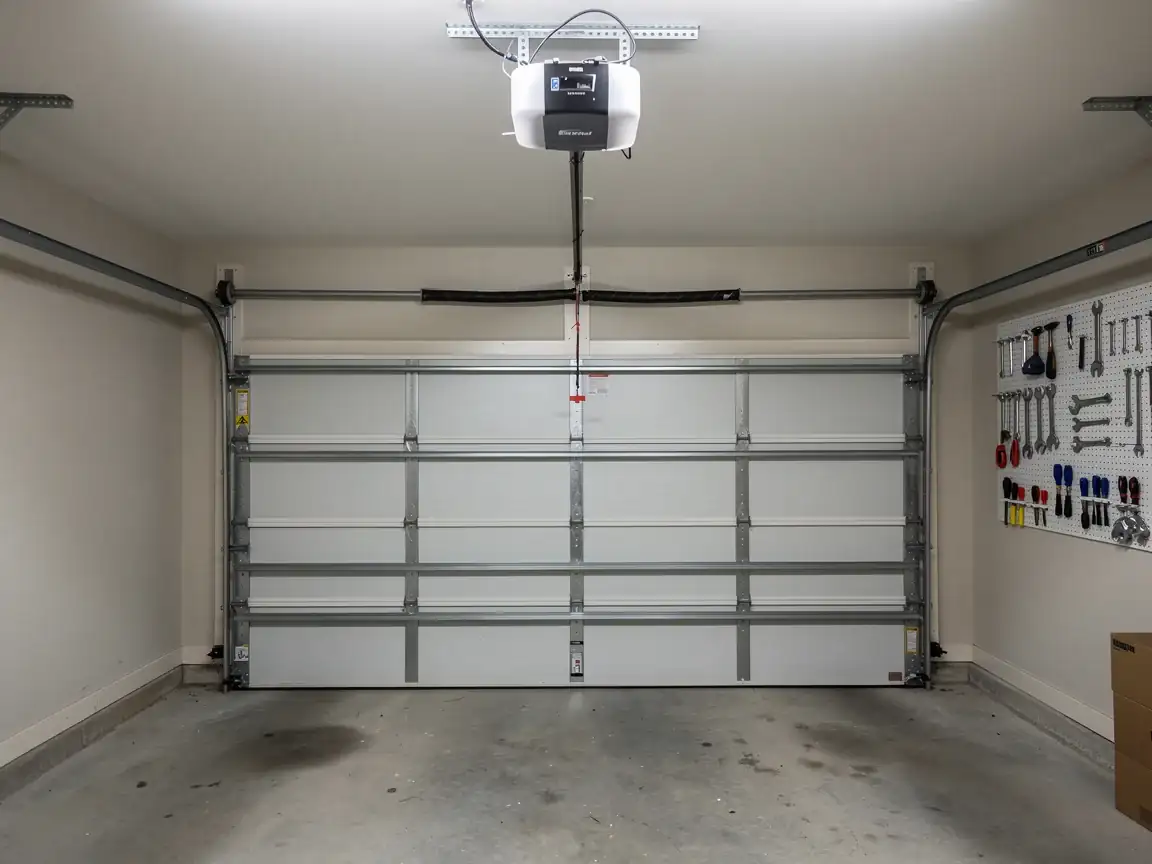
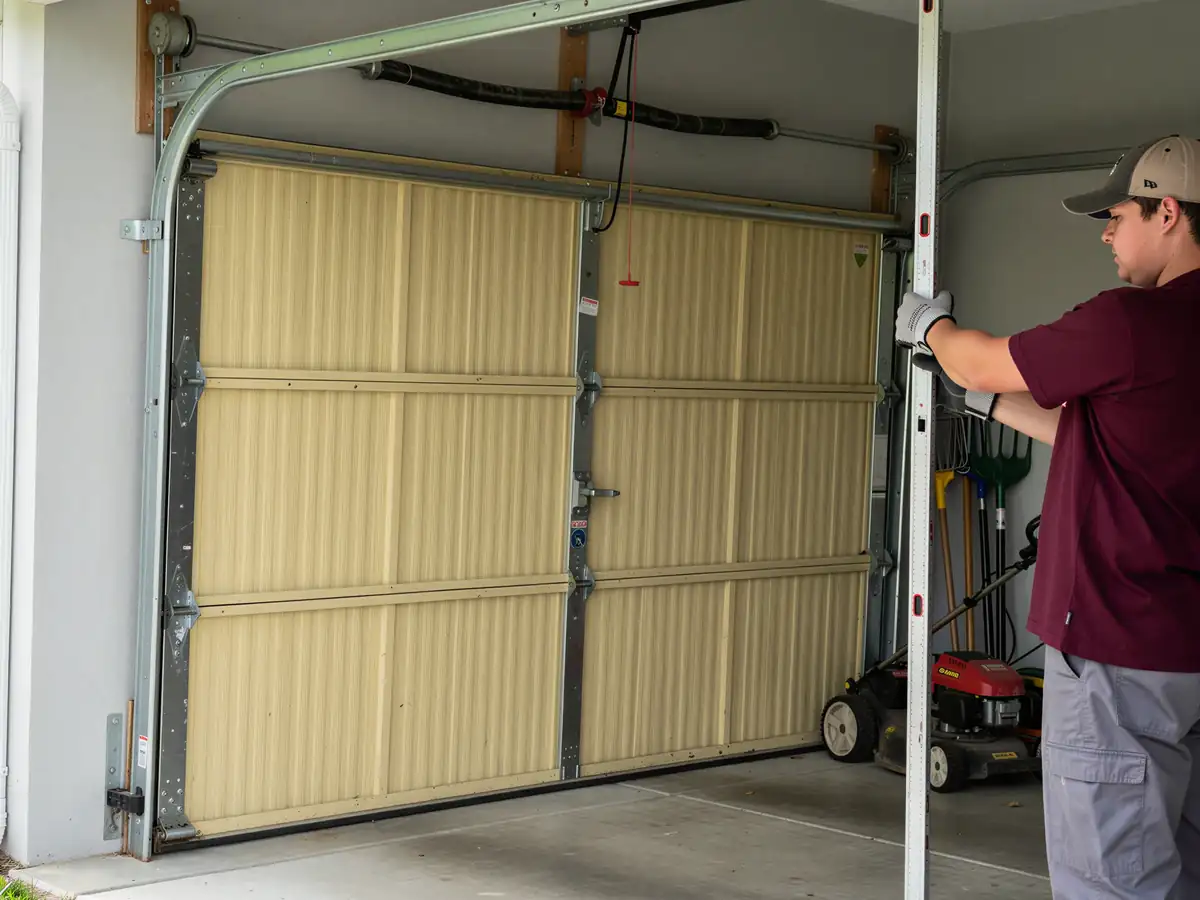
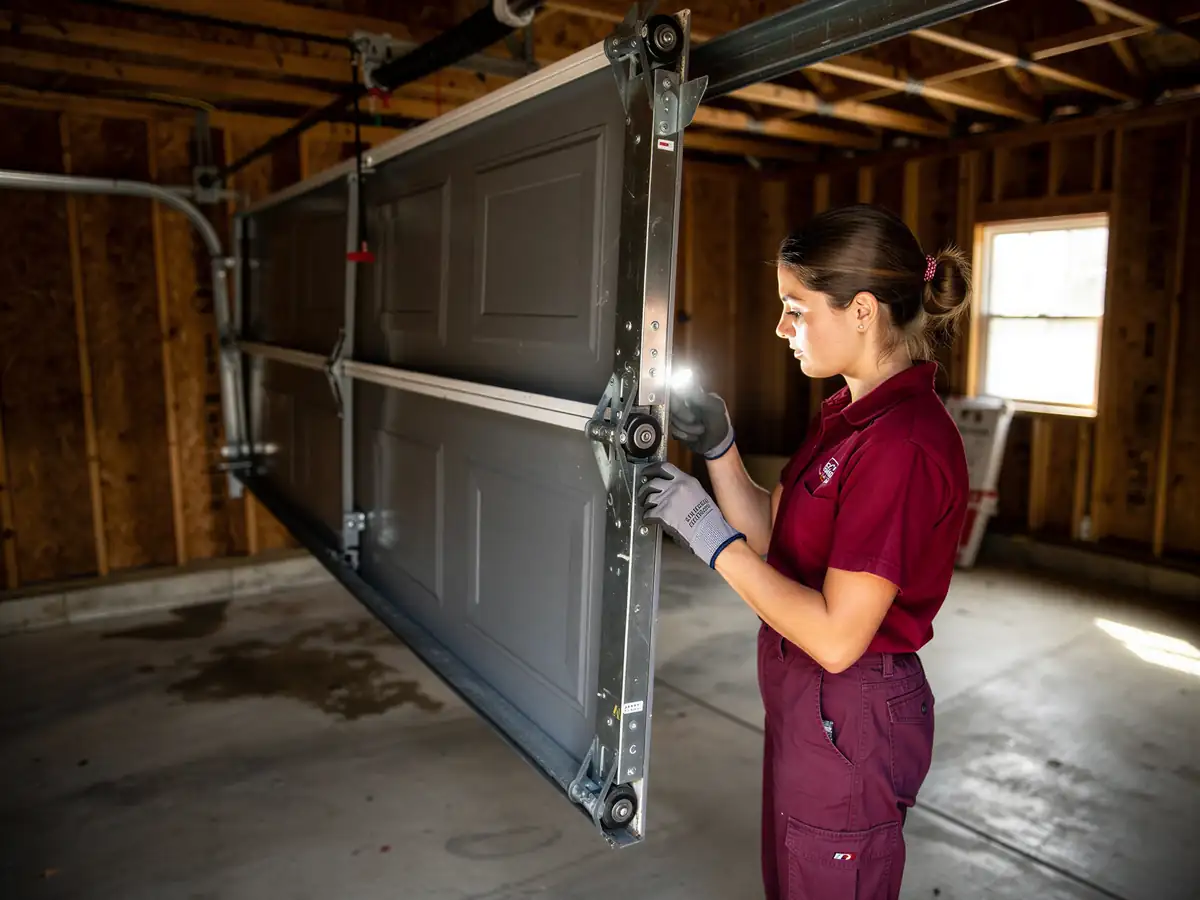
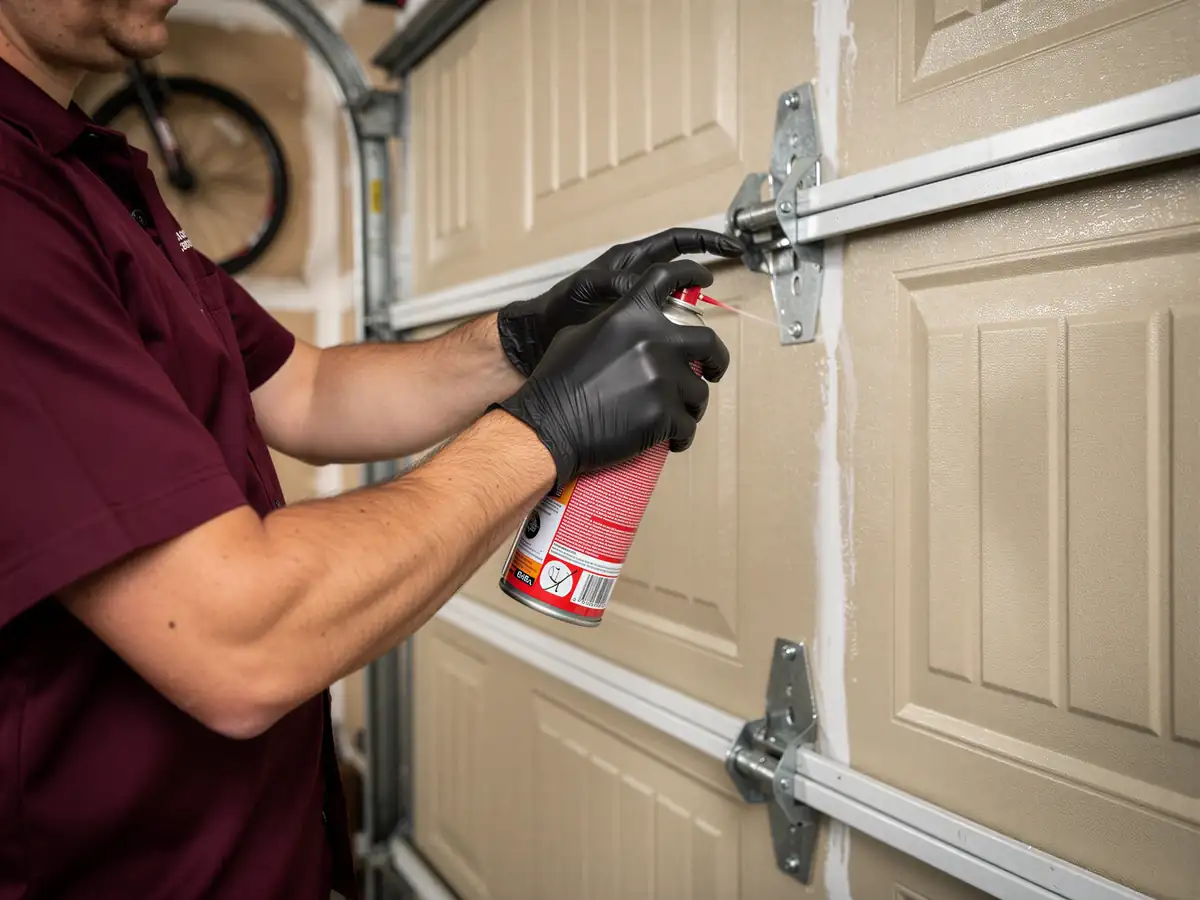
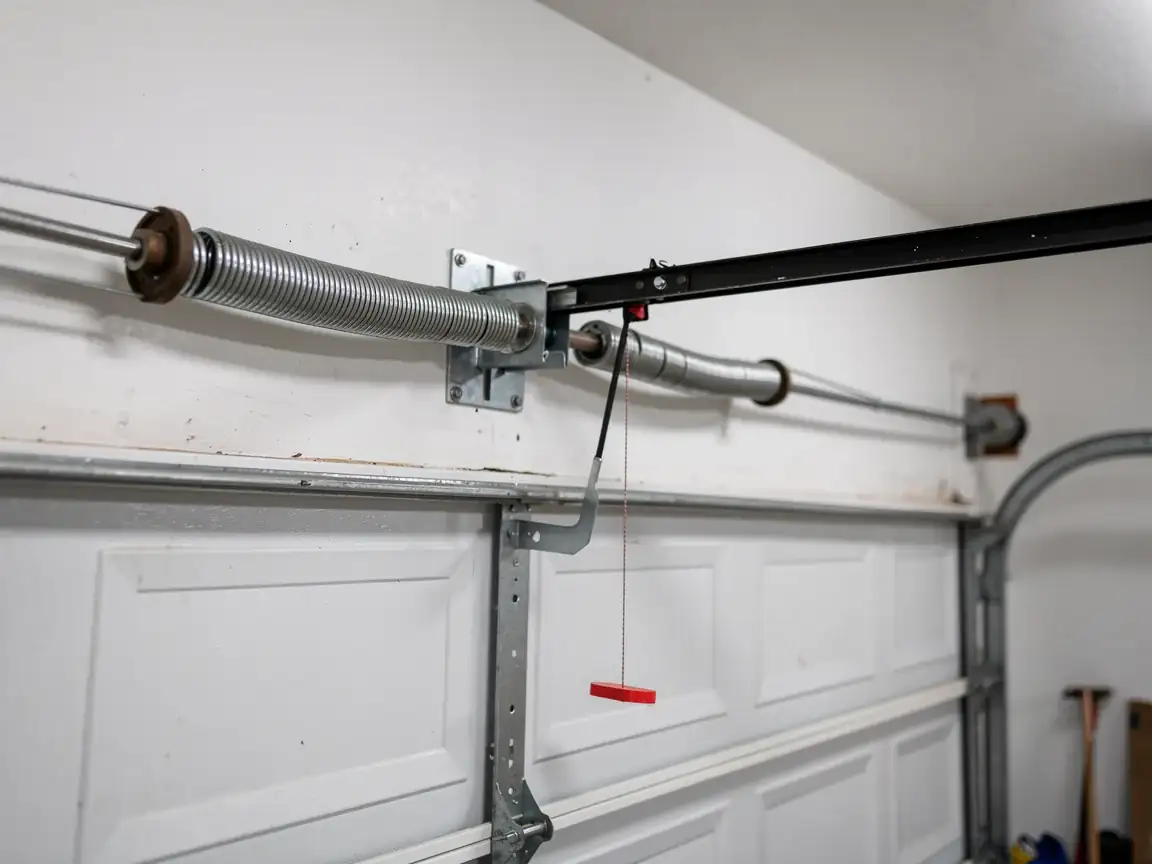
Most Andover garage doors date to right around 1993, which means you're dealing with steel sectional doors on torsion springs rather than the older extension-spring setups common in neighborhoods built decades earlier. That's actually good news for DIY safety checks: tightening hinge bolts, lubricating rollers, and testing the auto-reverse sensors are jobs a homeowner can handle with basic tools. What you shouldn't touch is the torsion spring itself. A wound spring under tension can break a finger or worse, and on a door this age the spring has likely seen 15,000-20,000 cycles already, putting it near the end of its rated life. If the door is sagging on one side, or the opener strains and reverses before it closes, that's a spring or cable job, not a weekend project. We come out from Blaine, about 8 miles away, for exactly that kind of call.
How It Shows Up
The cold-climate band this whole area sits in is severe, and that matters more on doors from the early 1990s than it does on newer units, because the weatherstripping and bottom seals from that era have had three decades of freeze-thaw cycling to harden and crack. The symptom isn't always obvious frost. More often it's a door that binds slightly in January and runs fine in July, or an opener that strains on the first cold morning of the season because grease in the torsion spring and track has stiffened up. Homeowners in Andover tend to notice it as a grinding or hesitation right at the top of the door's travel, which is where cold-stiffened rollers meet a track that hasn't been lubricated in years. Left alone, that hesitation turns into a stuck roller or a bent track panel, which costs more to fix than a seasonal lube and adjustment would have.
What the Repair Takes
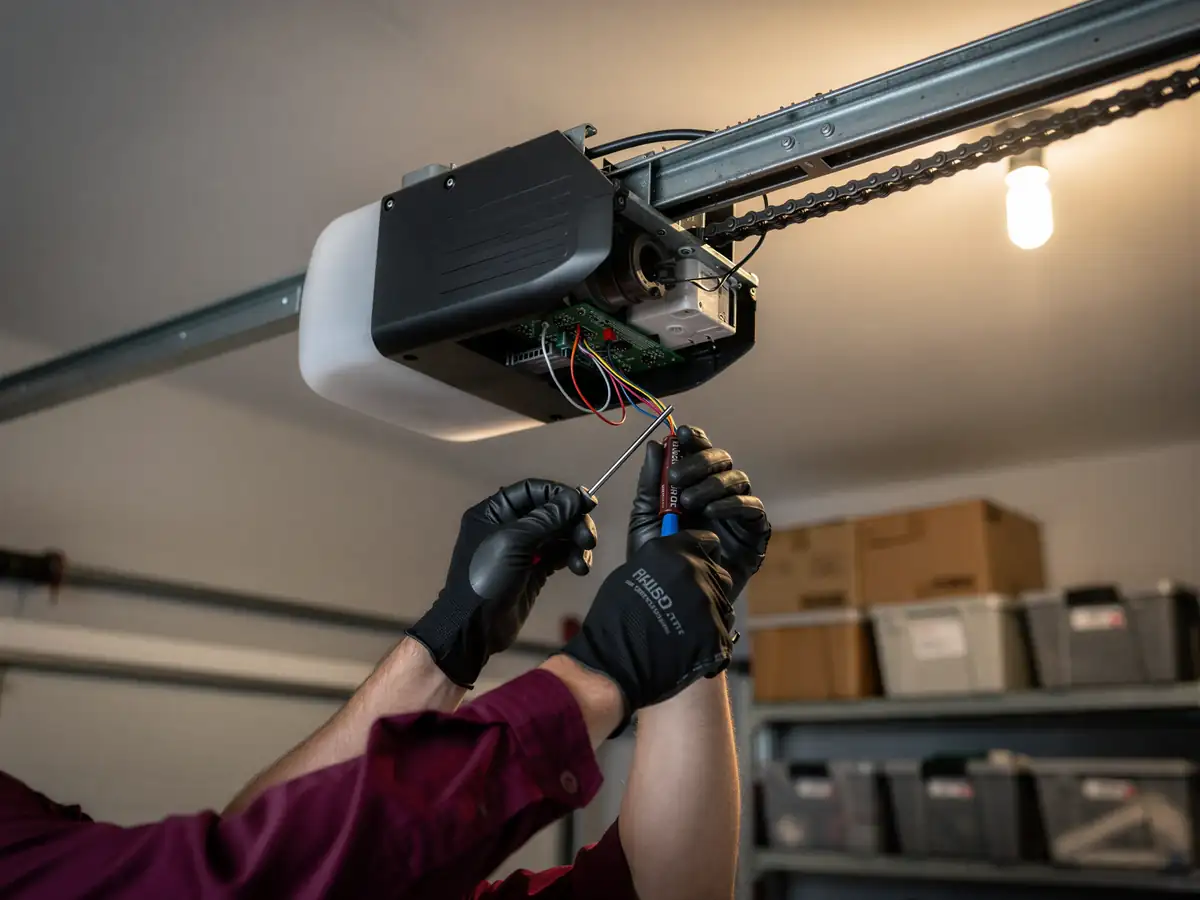
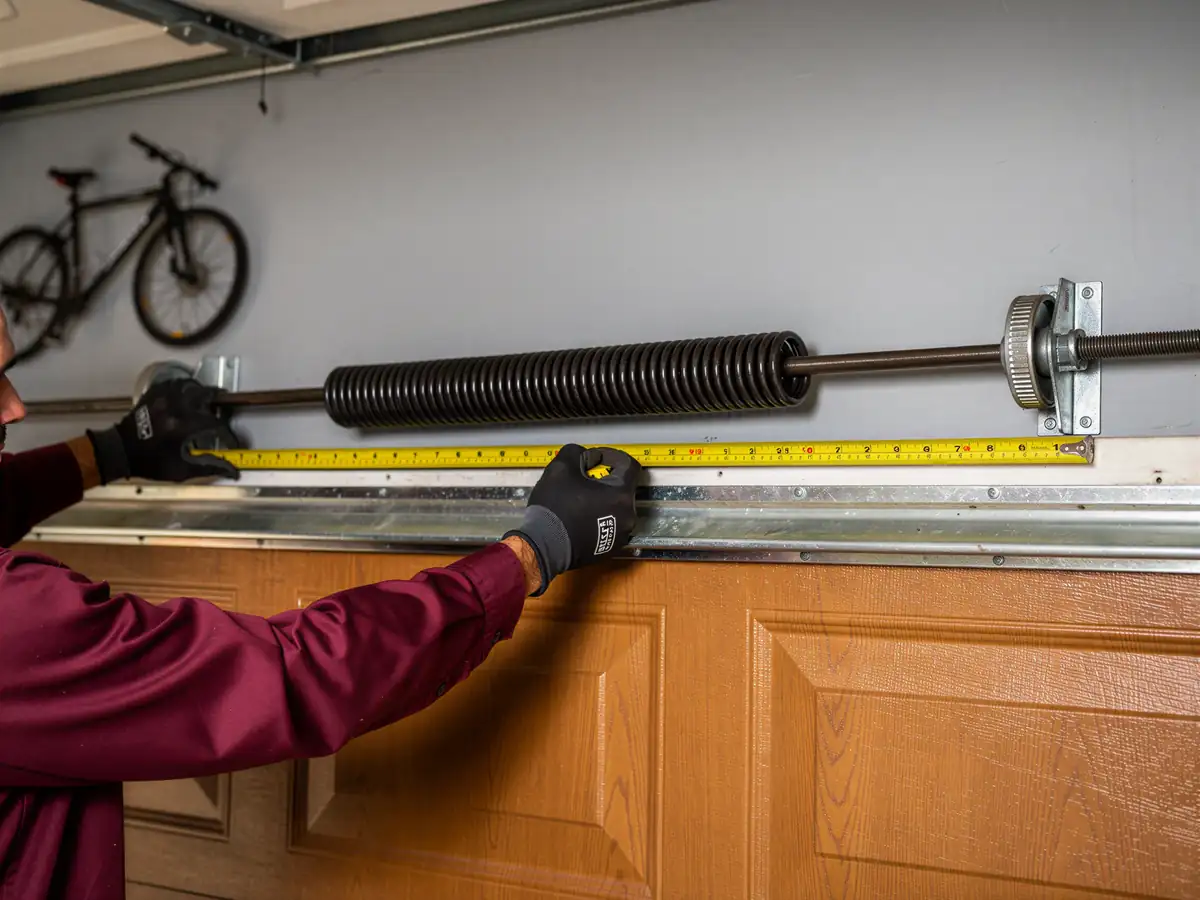
For a door built around 1993, the repair kit is usually standard: 2-inch torsion springs sized to the door's weight, steel rollers (nylon if the household wants quieter operation), and galvanized track sections matched to the original spacing. We don't carry every spring wire gauge on the truck, since older Andover doors occasionally used a non-standard size that's harder to source, so a same-visit fix isn't guaranteed on every call. Openers from this era are often chain-drive units nearing the end of their service life; when the motor itself is the problem rather than the sensors or gears, replacement is usually the better call than a repair, since parts for 30-year-old opener models are getting scarce. We'll tell you straight when that's the case instead of patching something that'll fail again next winter.