Can You Do This Yourself
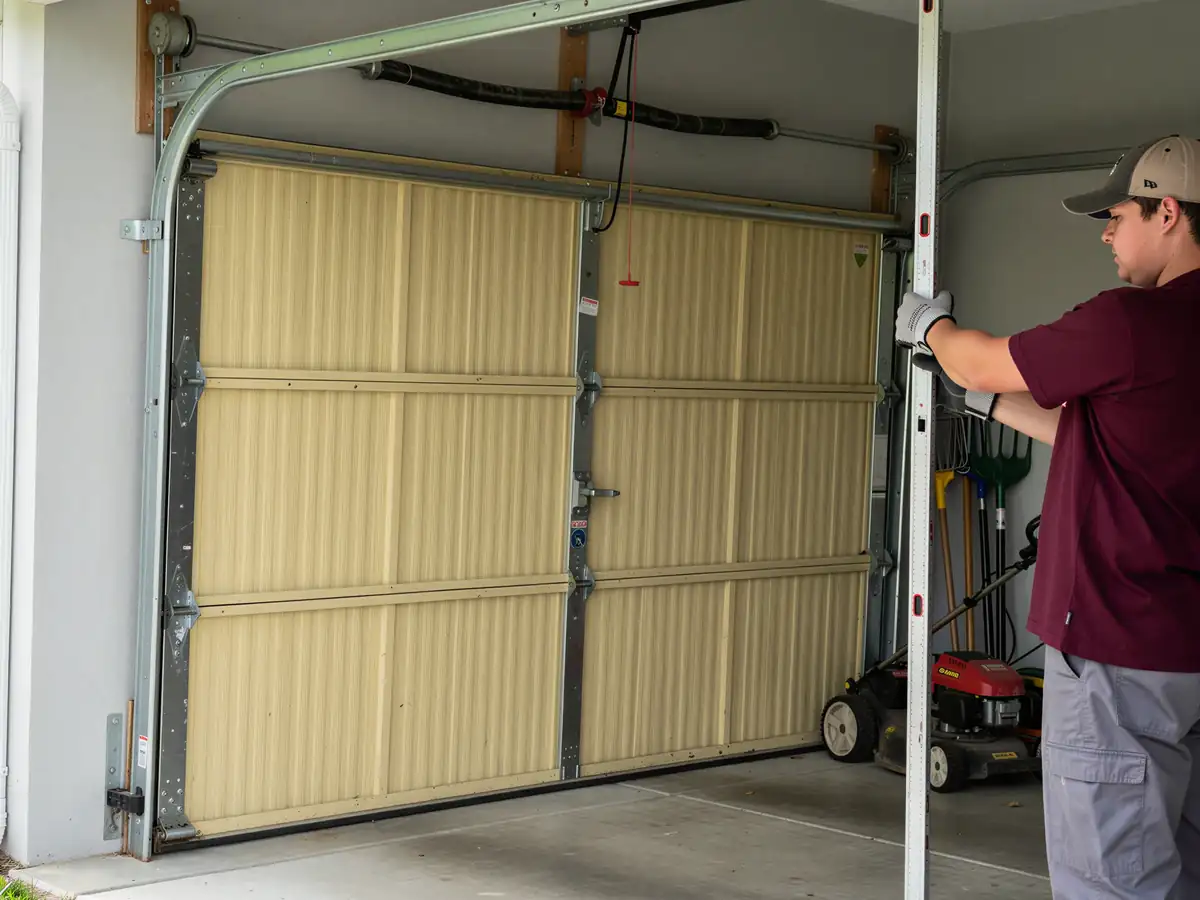
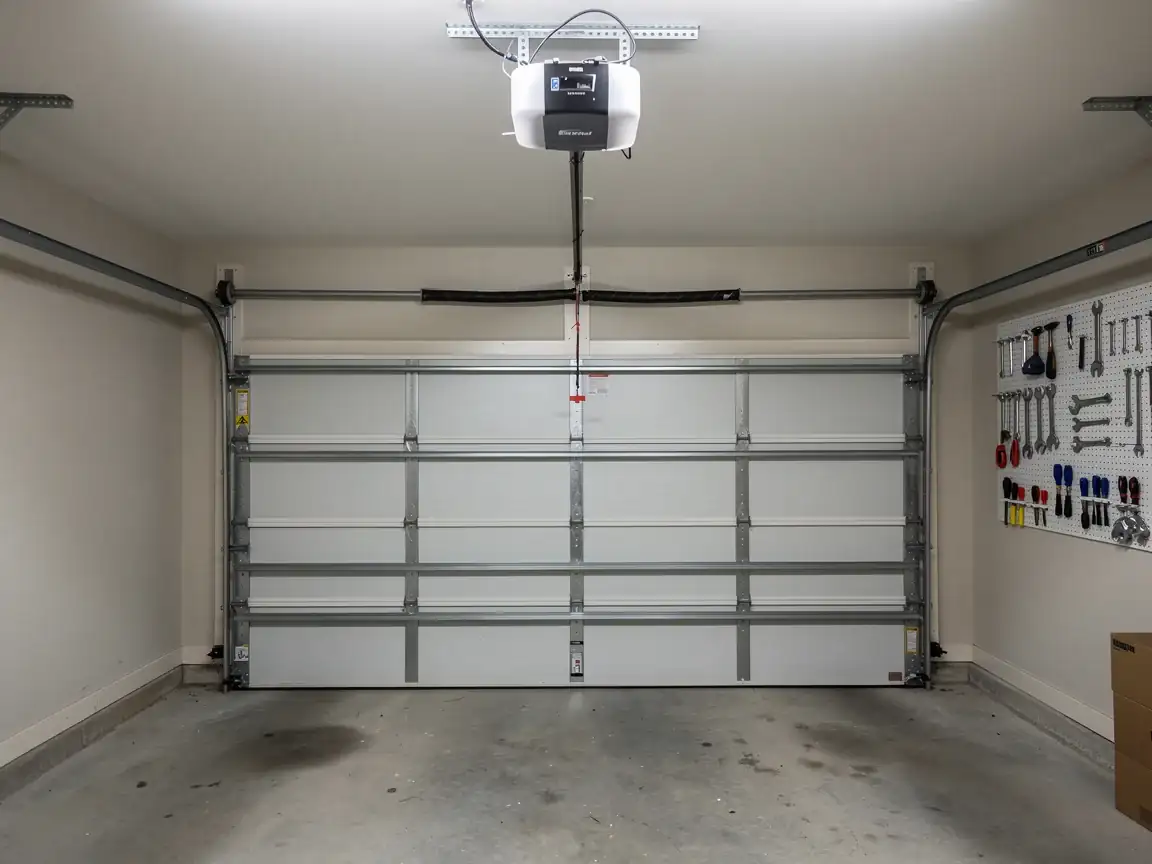
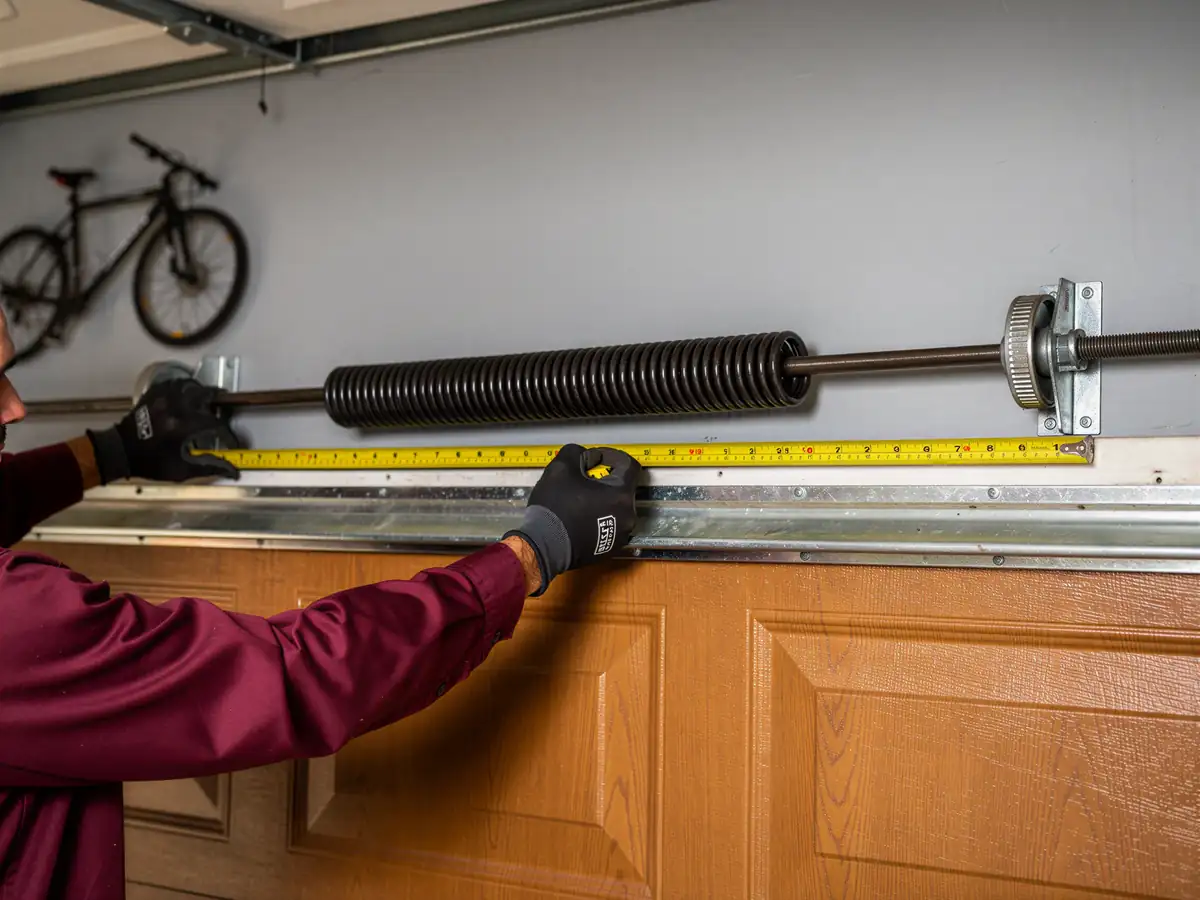
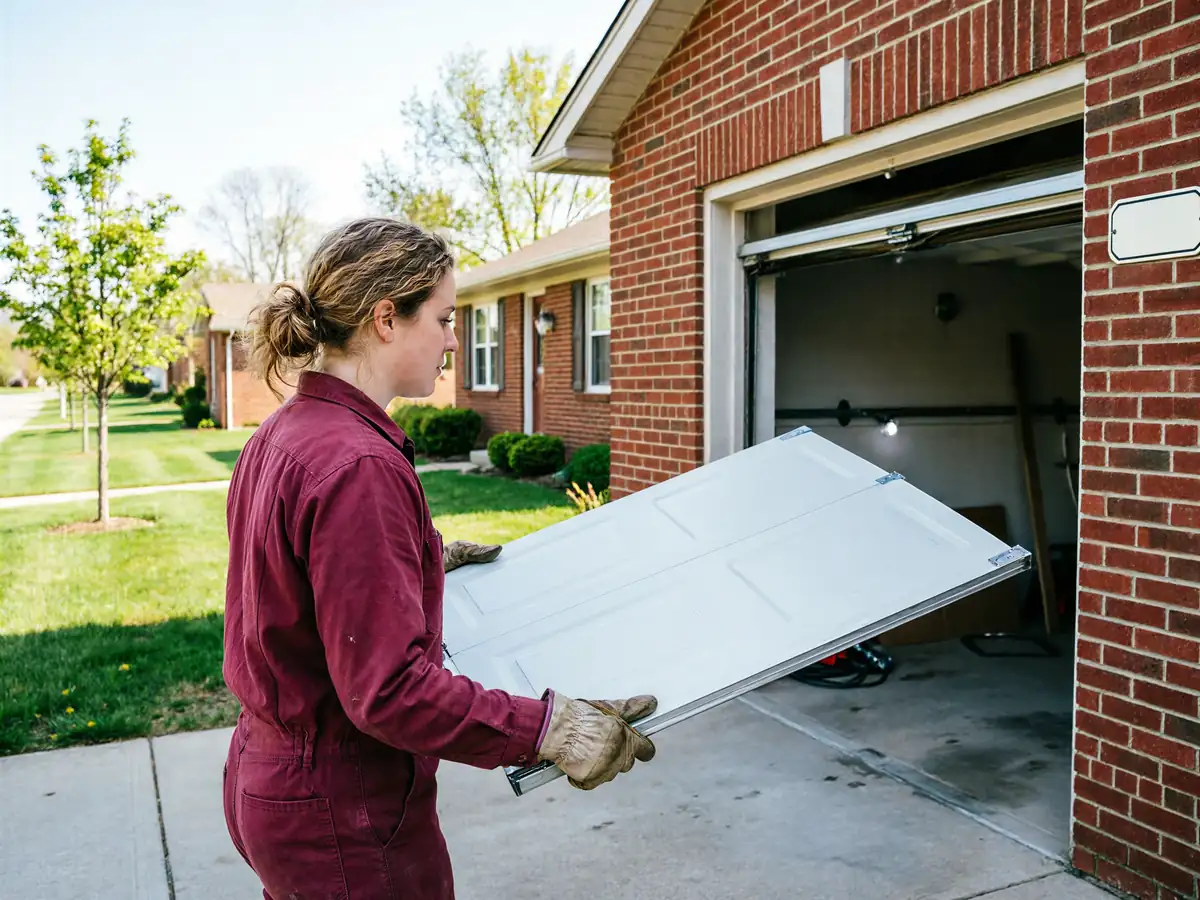
A single cracked or dented panel on a sectional door is one of the few garage door jobs a handy homeowner can sometimes do without a torsion spring in the mix - if, and only if, the panel is still made. Doors on houses built in the 1957-2003 range that makes up most of this area often used section profiles the original manufacturer no longer stocks. You can measure the section height and width, call around, and sometimes order a match. If the door is 25-30 years old, you may not find an exact panel, and a mismatched one looks worse than the dent.
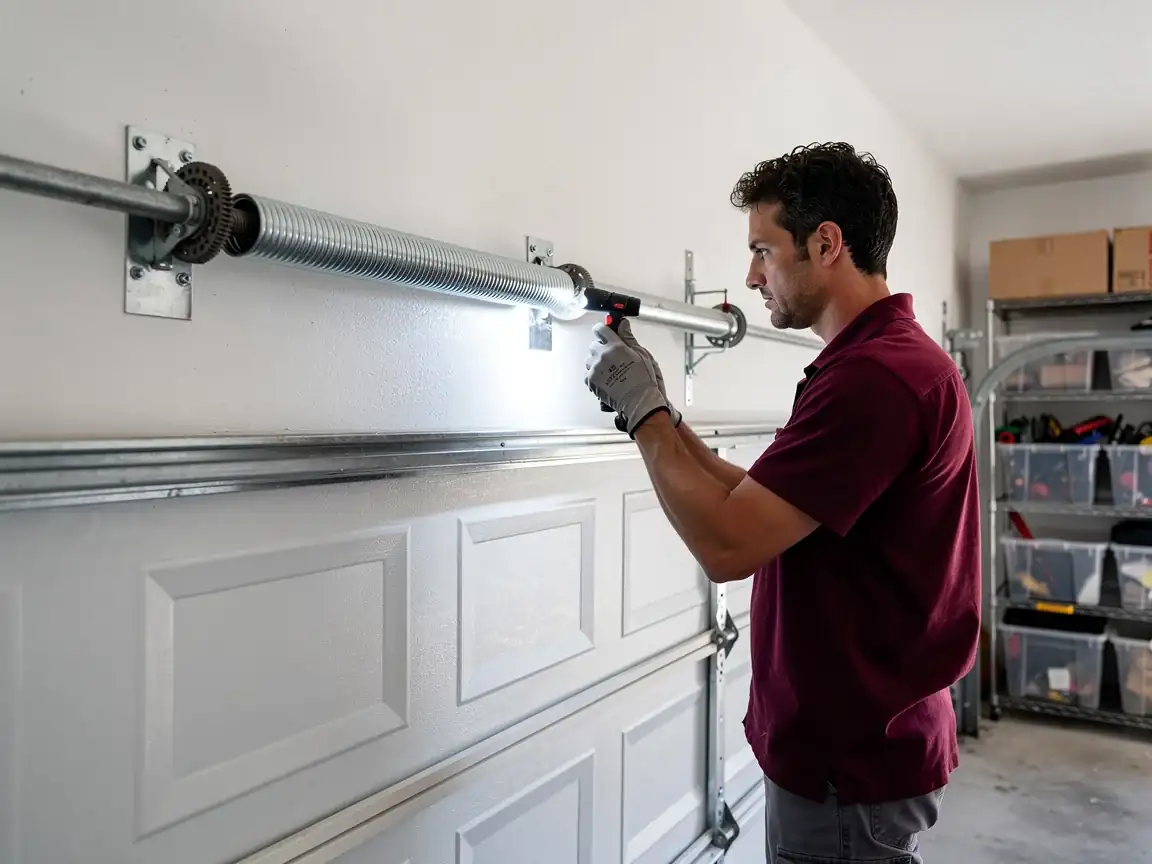
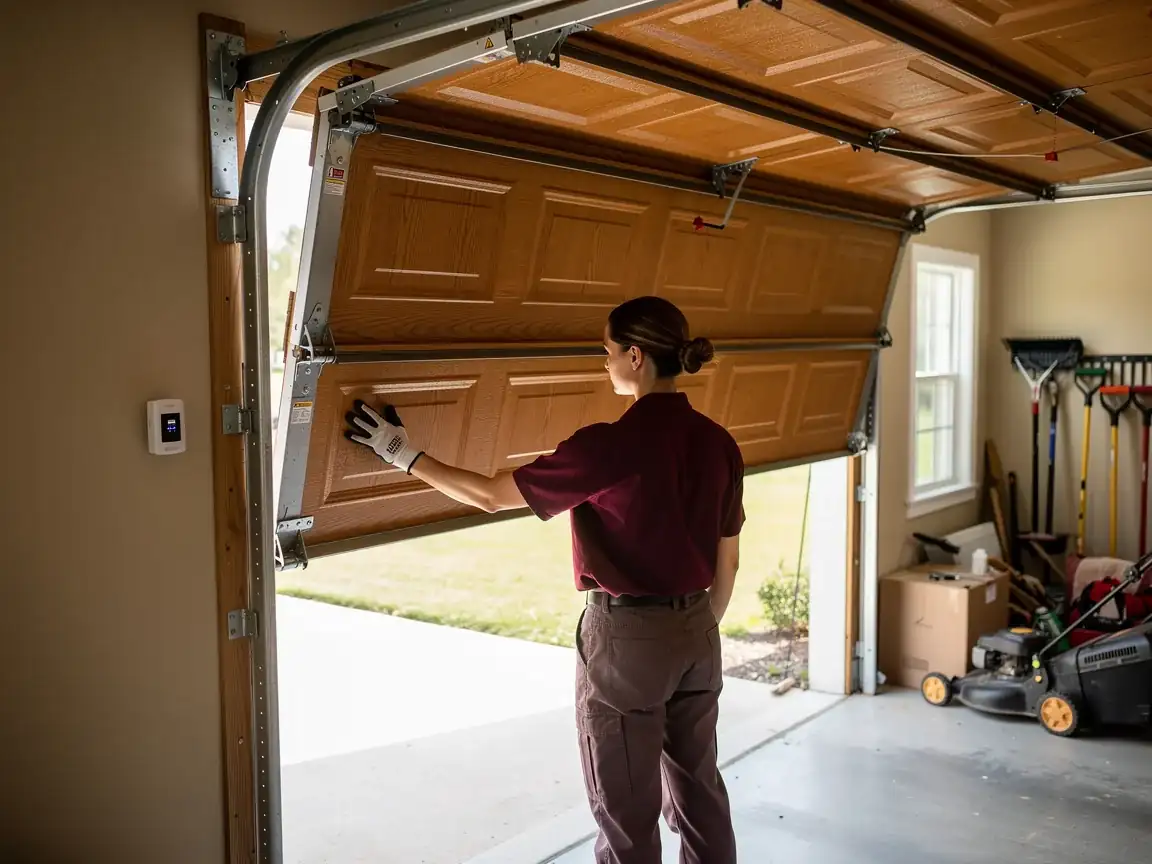
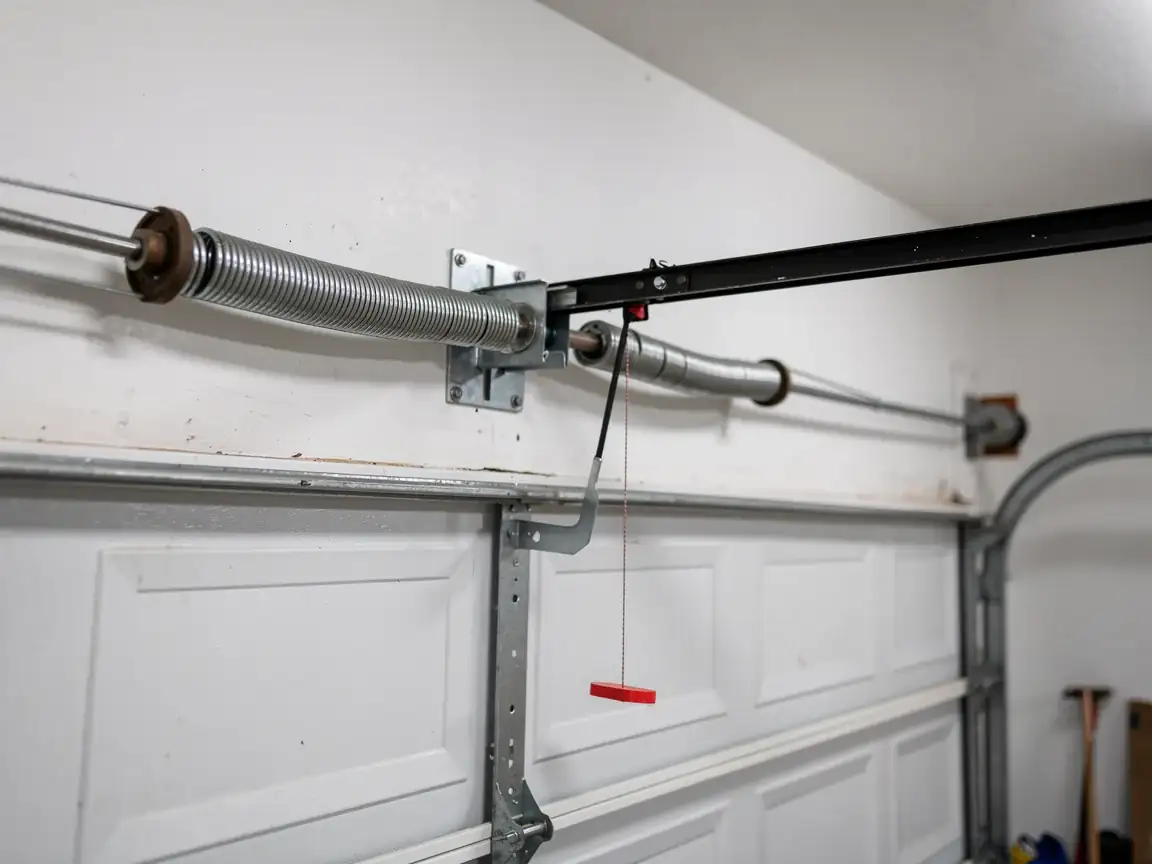
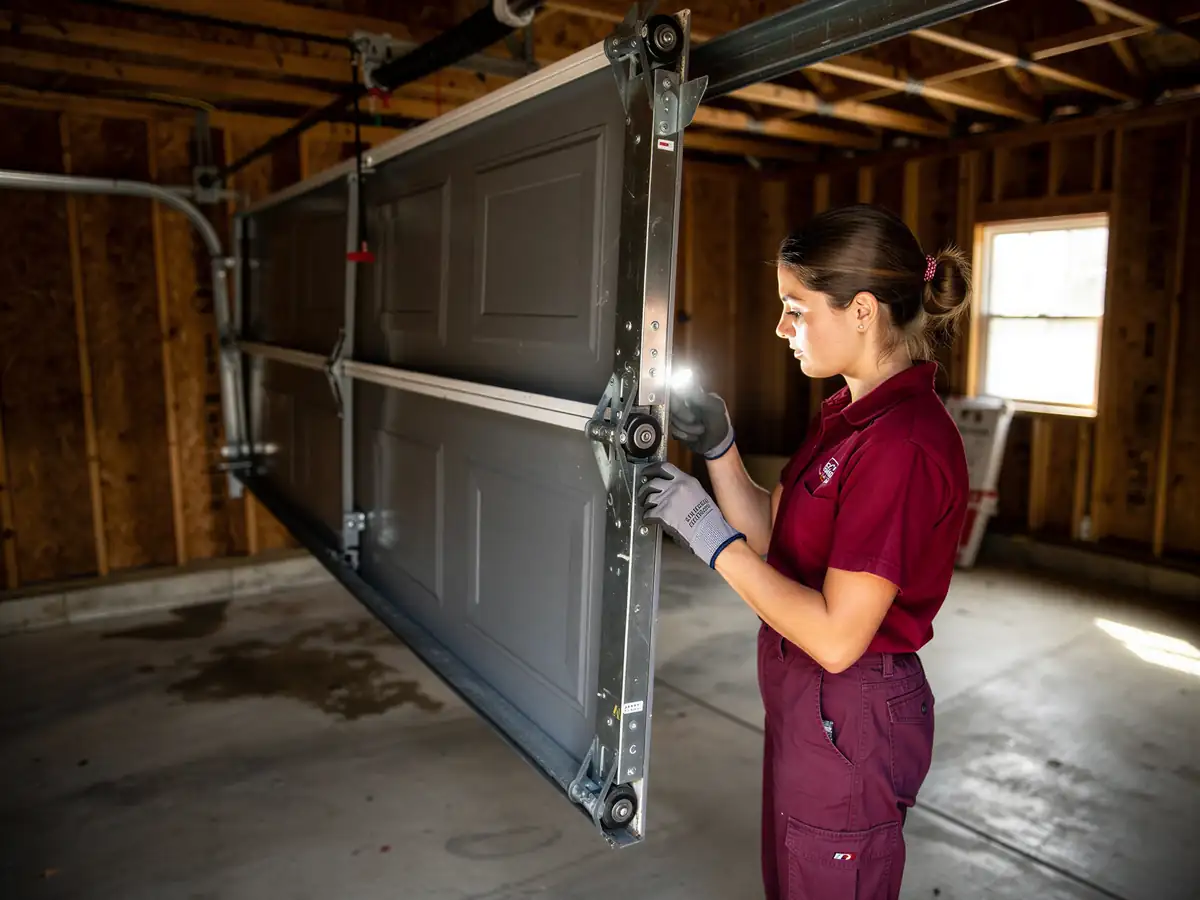
What trips people up isn't the panel itself - it's the end stiles, hinges, and the cable drum that may need to come off to swing a bottom or middle section out without racking the track. On a double-wide door that's binding on one side already, pulling a panel with the door still under spring tension is how people hurt a hand or warp the track further. If it's a top section near the opener arm, or any section with a window unit built in, the fit tolerances get tighter and a bad seam shows every time the door closes. We'll say plainly: if the panel is cosmetic and low, DIY is reasonable. Anything load-bearing or above shoulder height, call it in.
How It Shows Up
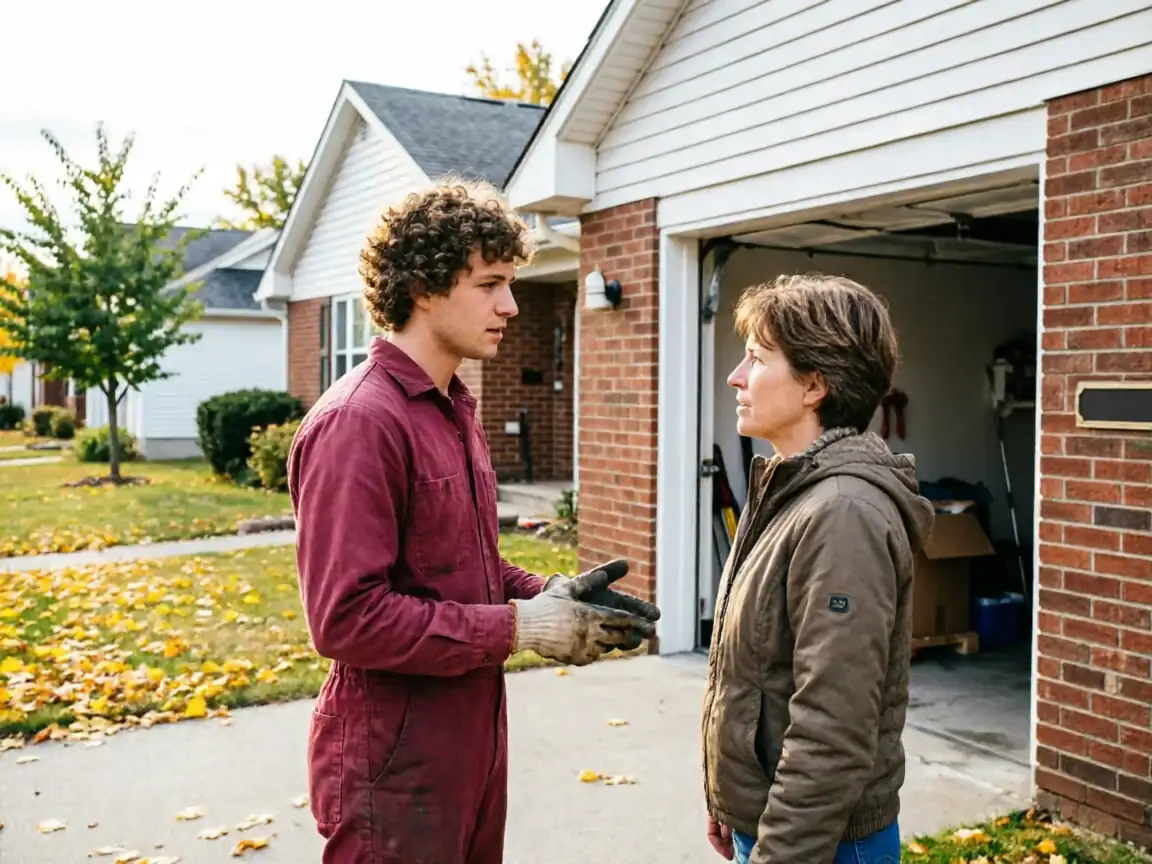
Most calls start the same way
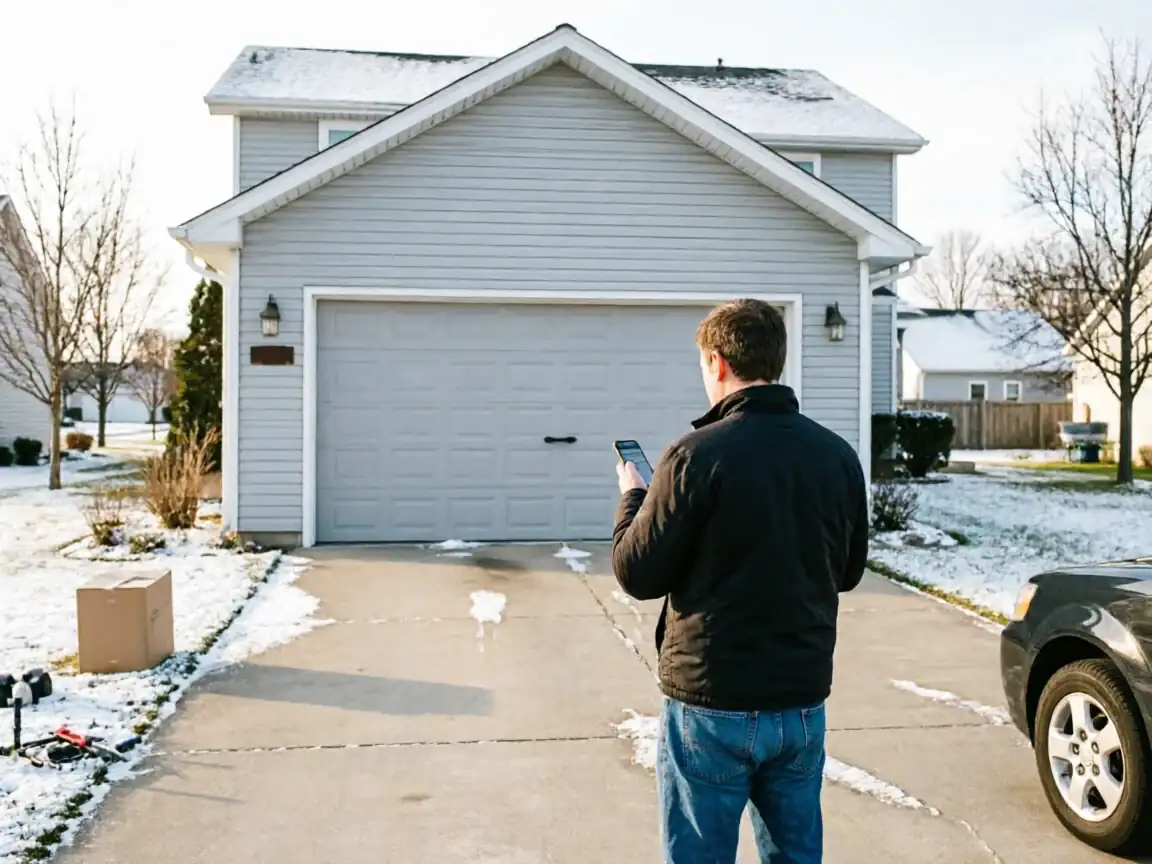
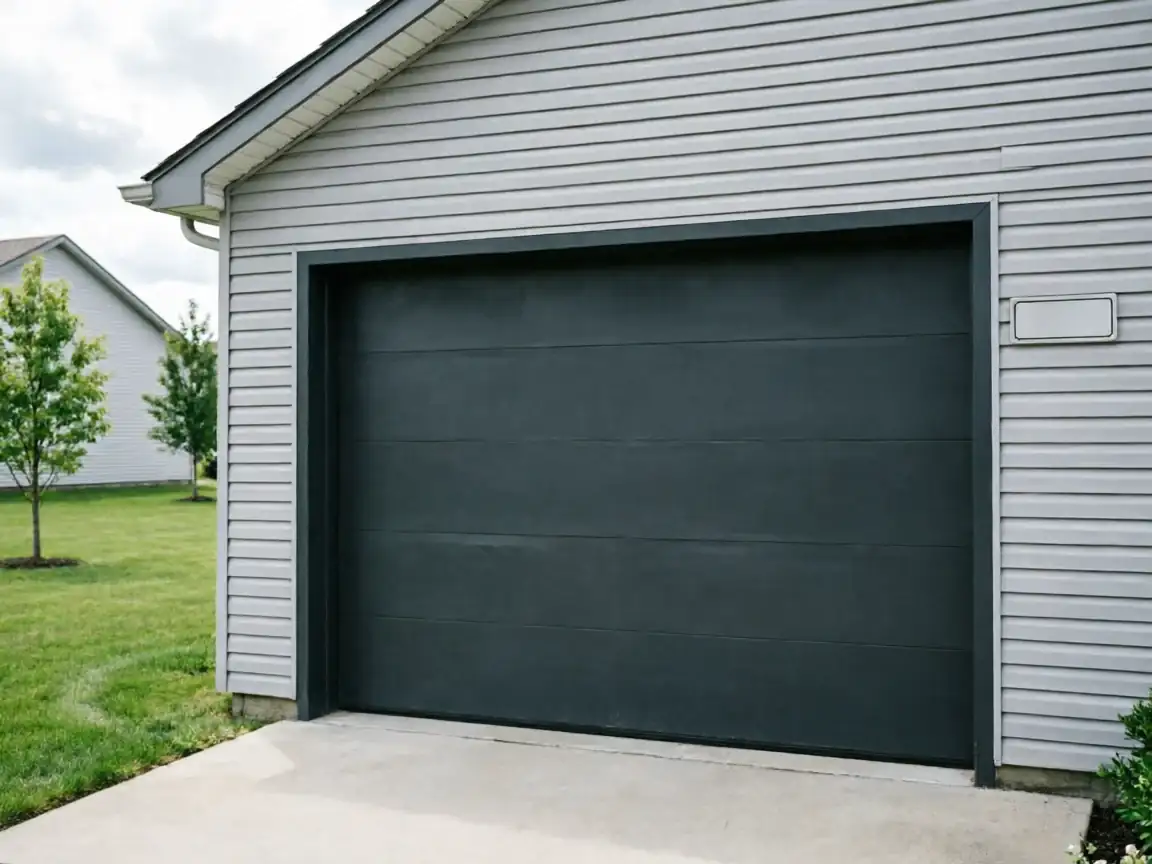
A bottom panel that's dented from a car bumper or a snowblower, or a middle section that's bowed inward and won't let the door seat flat on the floor. In homes from the 1980s-90s stock that dominates the area, the steel gauge on original doors runs thinner than what's sold today, so a hit that would just scuff a newer door tends to crease the old steel and stay creased.
The other common pattern is a panel that looks fine in summer and then develops a visible gap or whistle once temperatures drop
That's usually a seam that's lost its seal, not an impact. You'll notice it as a draft along the bottom edge, or daylight showing between two sections when the door is down. Sometimes it's one panel; sometimes the whole run of sections has thinned and flexed enough over the decades that replacing just one leaves the rest looking tired by comparison. We'll tell you straight when that's the case instead of selling you a single panel that won't match.
What Can Go Wrong
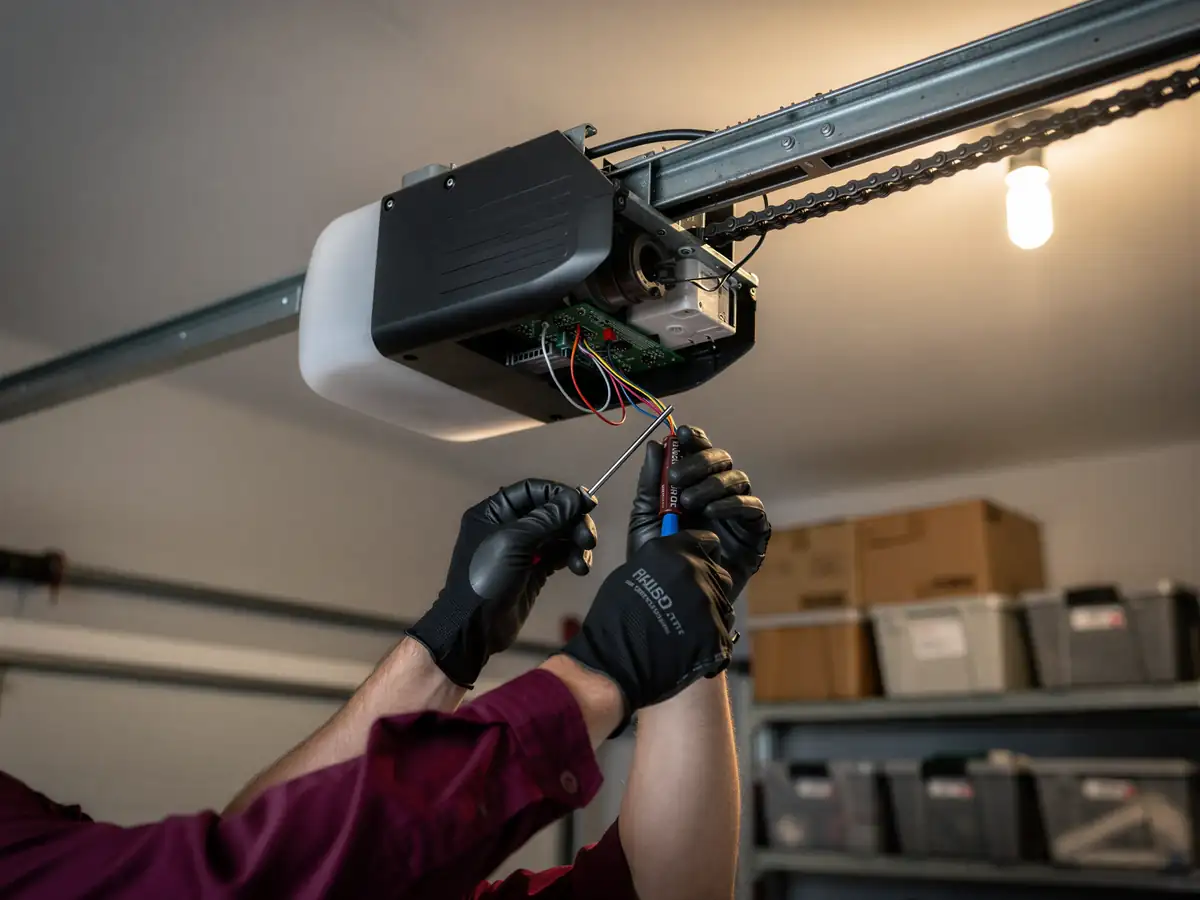
A damaged panel is rarely just cosmetic. Once a section is dented or bowed, the door isn't making even contact with the track rollers anymore, which puts uneven load on the hinges next to it and, over time, on the opener that's trying to pull a door that doesn't travel straight. We've seen a single bad panel accelerate wear on the opener's gears because the motor is fighting resistance it shouldn't have to fight.
The other risk is sourcing. If you order a panel that's close but not exact - a slightly different embossing pattern or panel height, common with doors from the wide 1957-2003 build window here - the door can look patched for good, and worse, the section seams may not gasket properly against cold air. In a climate this severe, a gap that lets in a draft in October is a gap that lets in ice and condensation by January, which then freezes the bottom seal to the slab. Our honest limitation: on doors old enough that the exact panel profile is discontinued, we'll tell you when replacing the whole door costs little more than chasing a mismatched part, rather than push a patch job that won't hold.
What Causes It Around Here
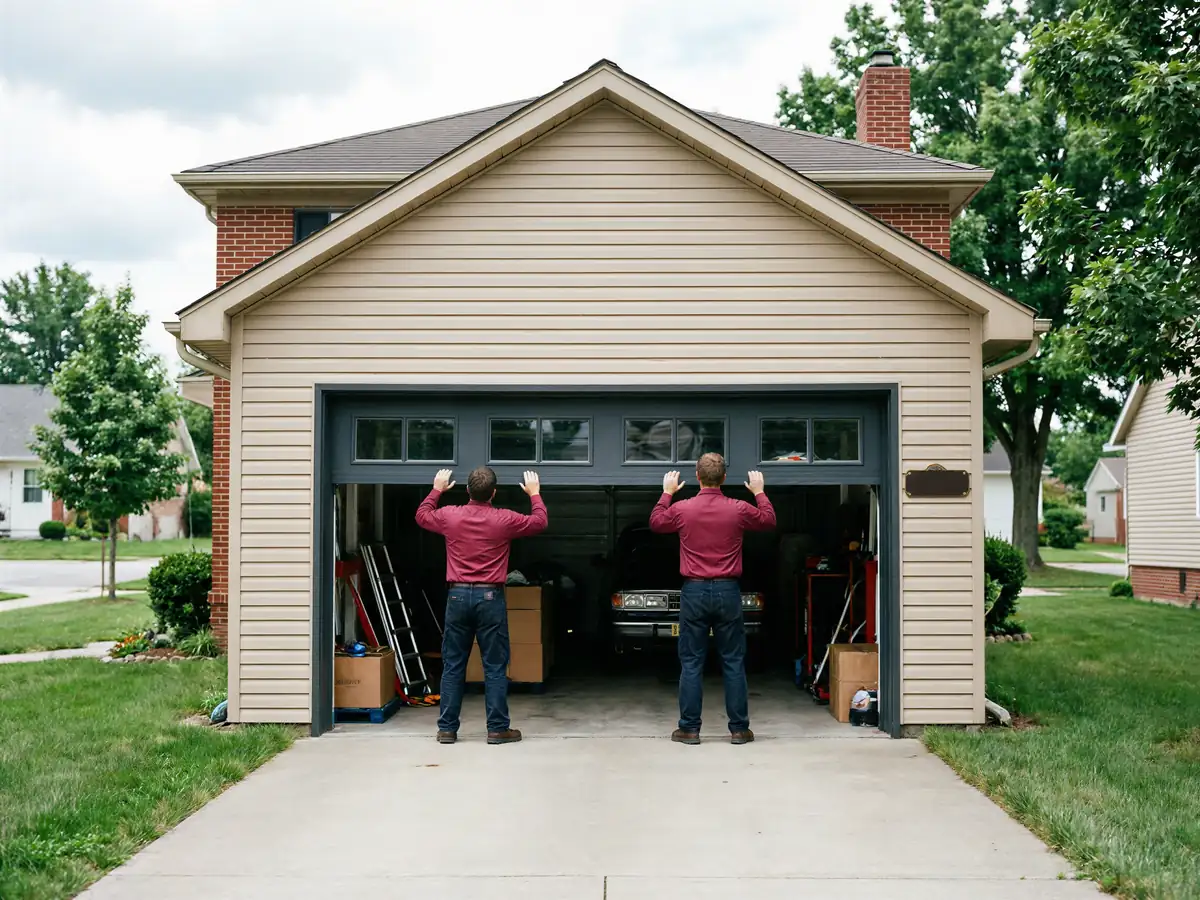
Two things line up badly for garage door panels in this area. First, the housing stock: median build year 1980, with most homes going up across the 1980s and 90s. That means a large share of garage doors in the service area are themselves 25-45 years old, running original steel sections that have already taken four decades of door-opener cycling, sun on the south-facing side, and road salt tracked in from the driveway. Steel that age is simply more prone to stress cracks at the hinge screw points and bowing at the center where the door takes the most flex.
Second, the climate. This is a severe cold climate, which means panels go through a wide temperature swing every single day in winter - cold overnight, then whatever direct sun and a warm garage interior add during the day. That expansion and contraction cycle is hard on seams and on any panel that already has a dent or crack starting, because that's exactly where the metal flexes most and fails first. A door that might coast another decade in a milder climate tends to show panel damage here years sooner.