What We Do Most in This Area
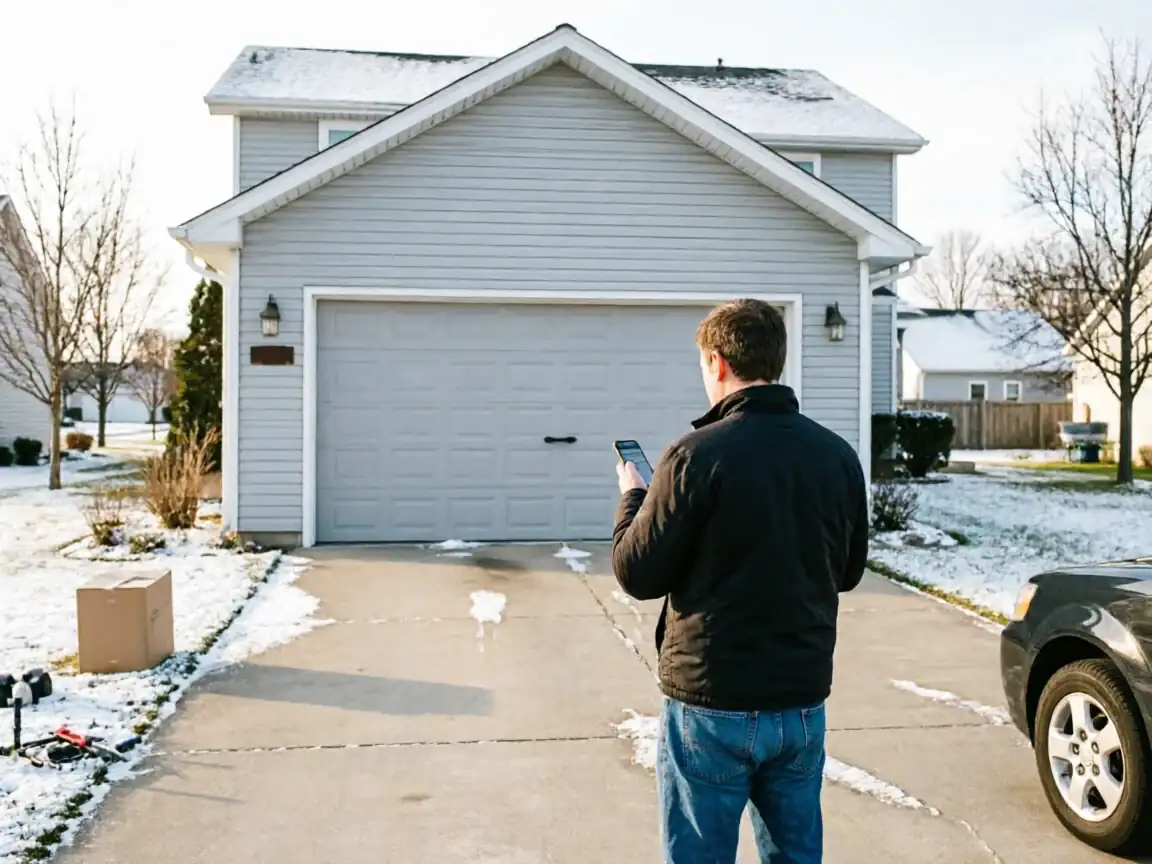
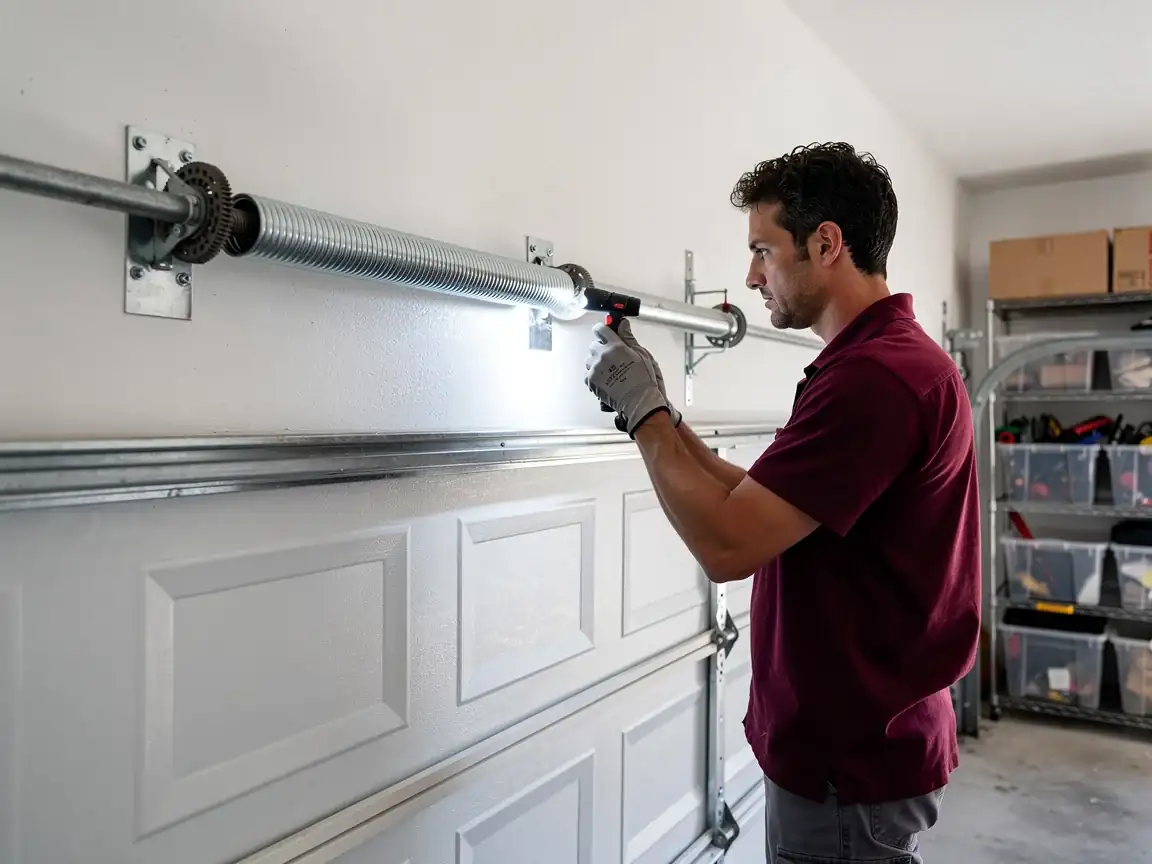
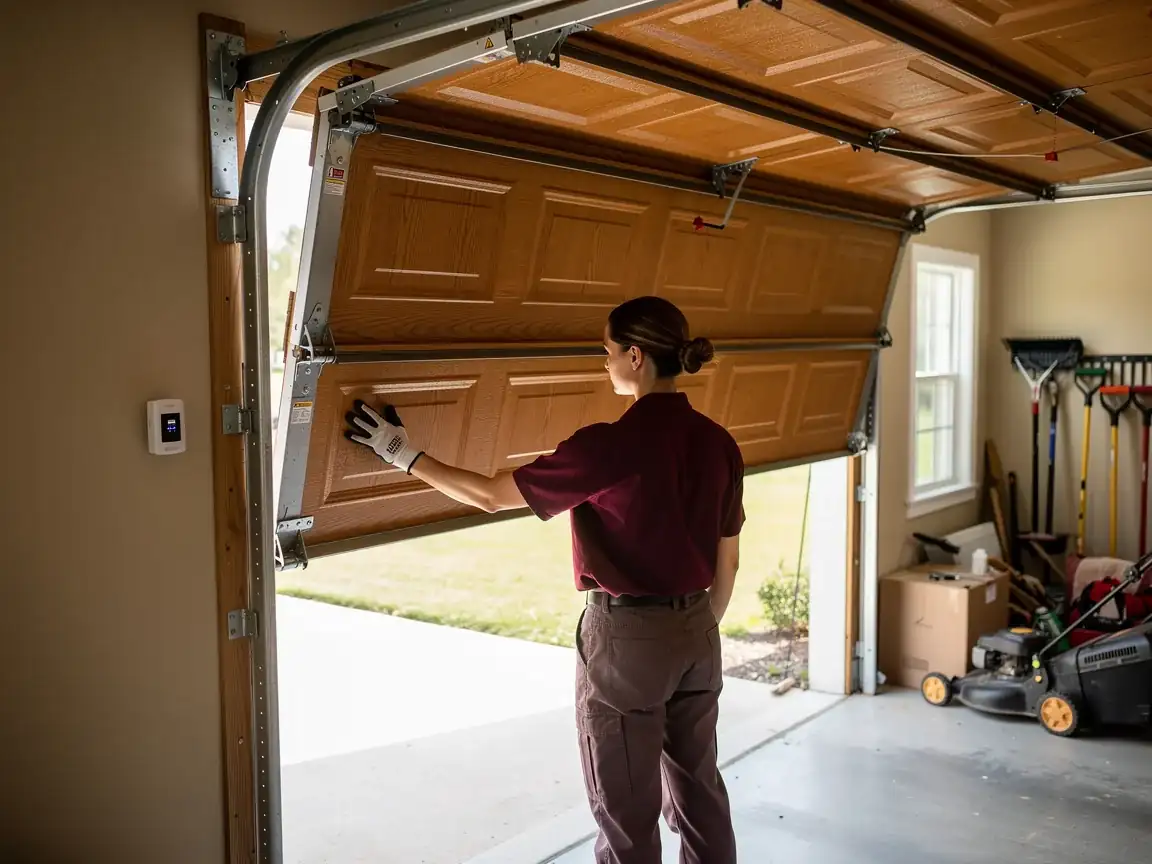
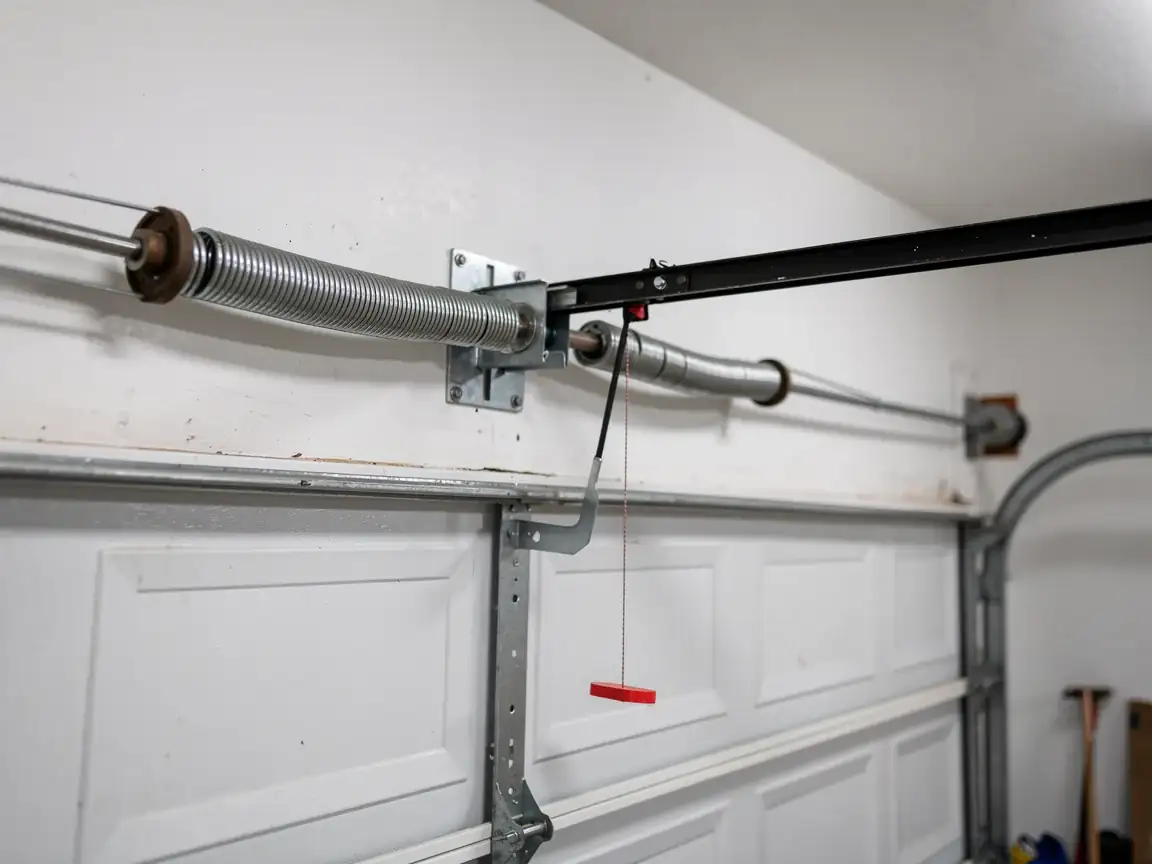
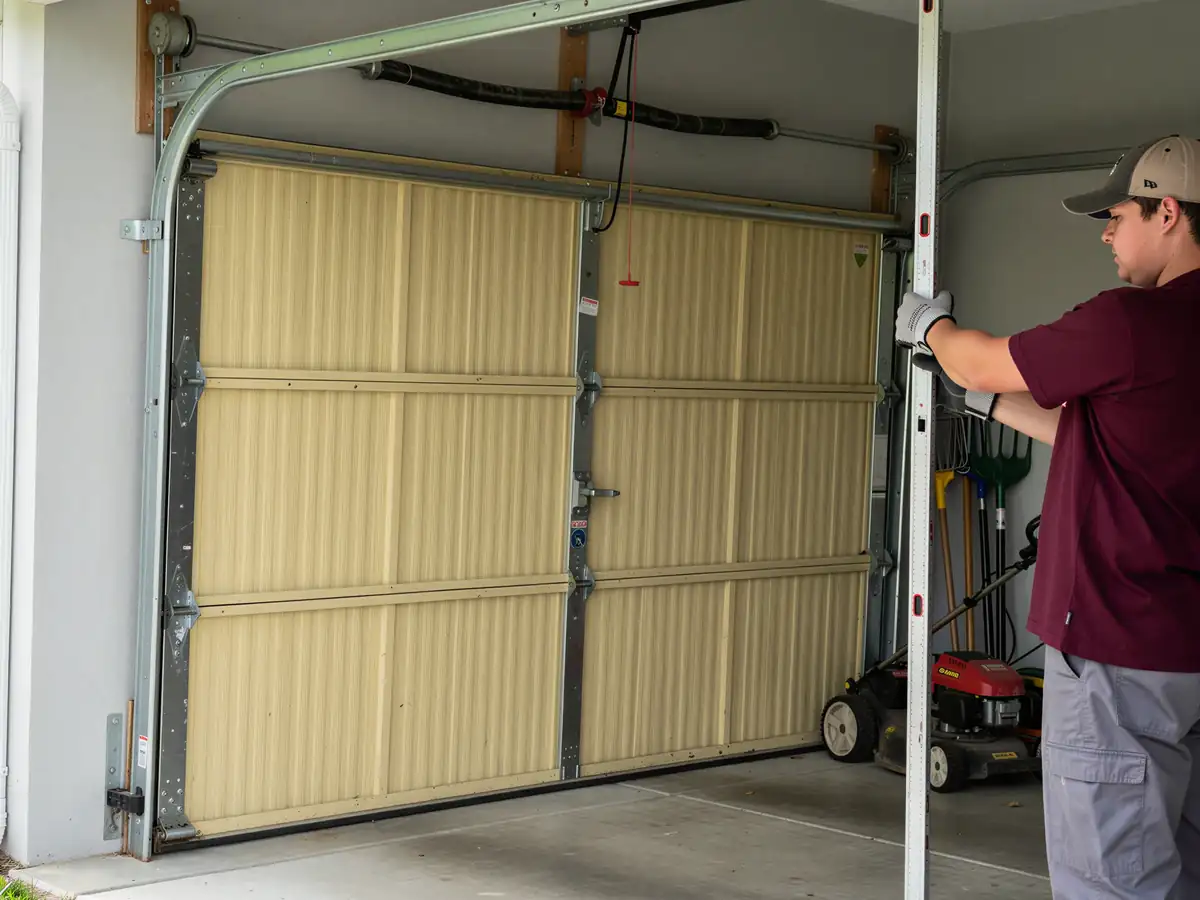
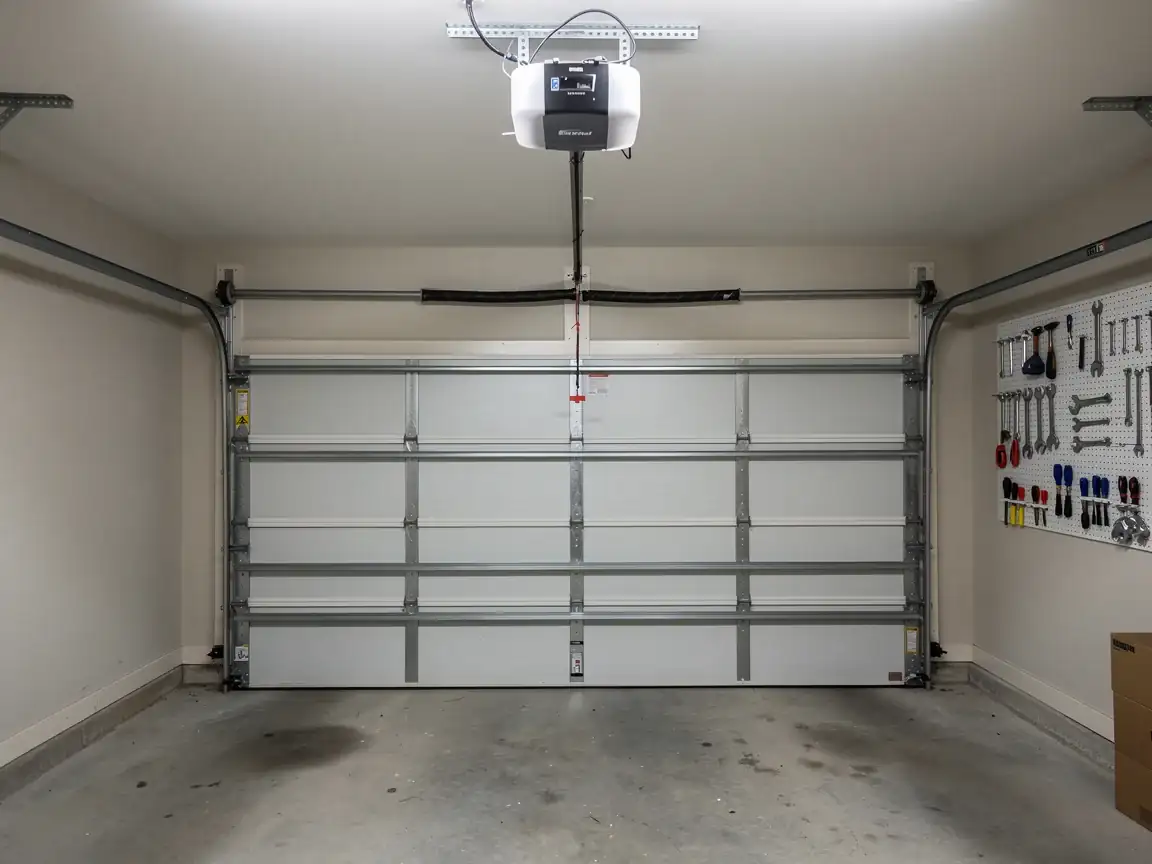
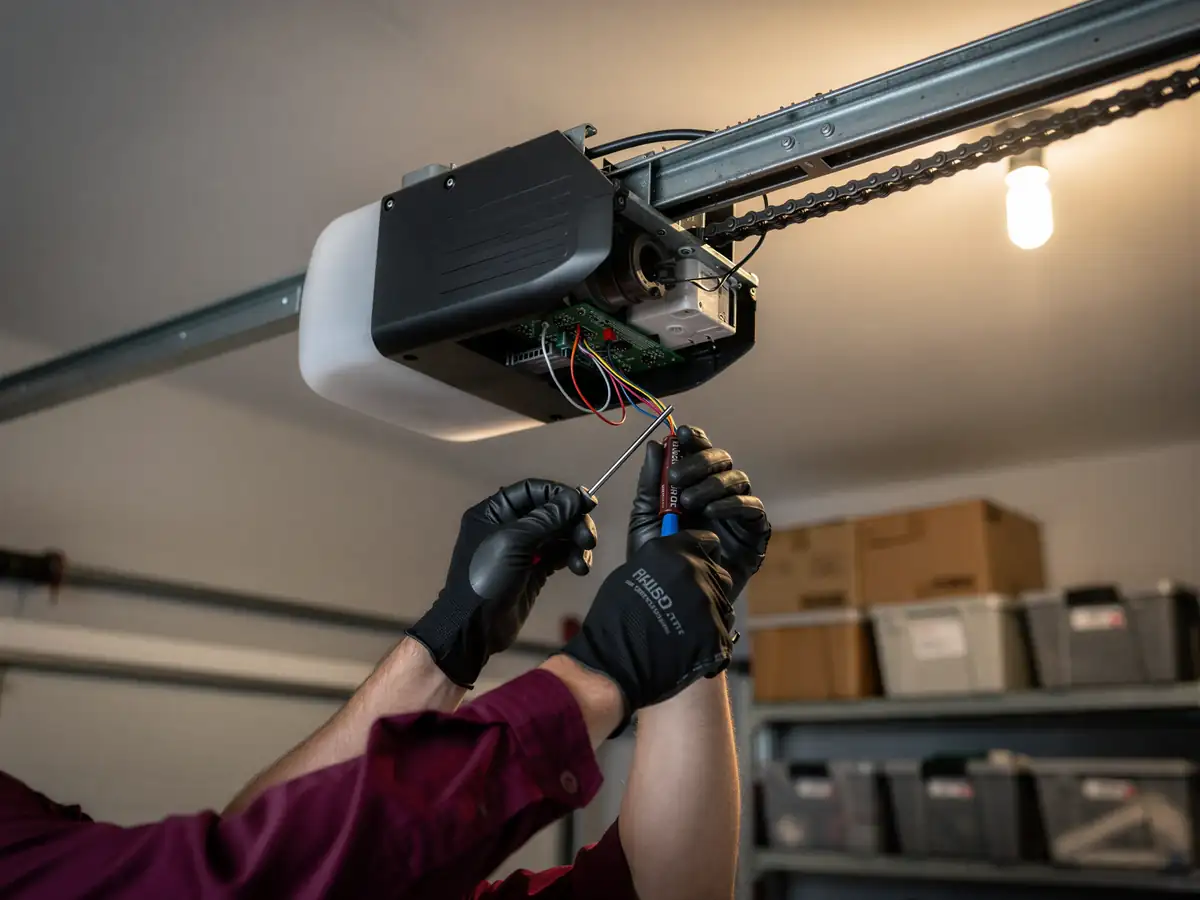
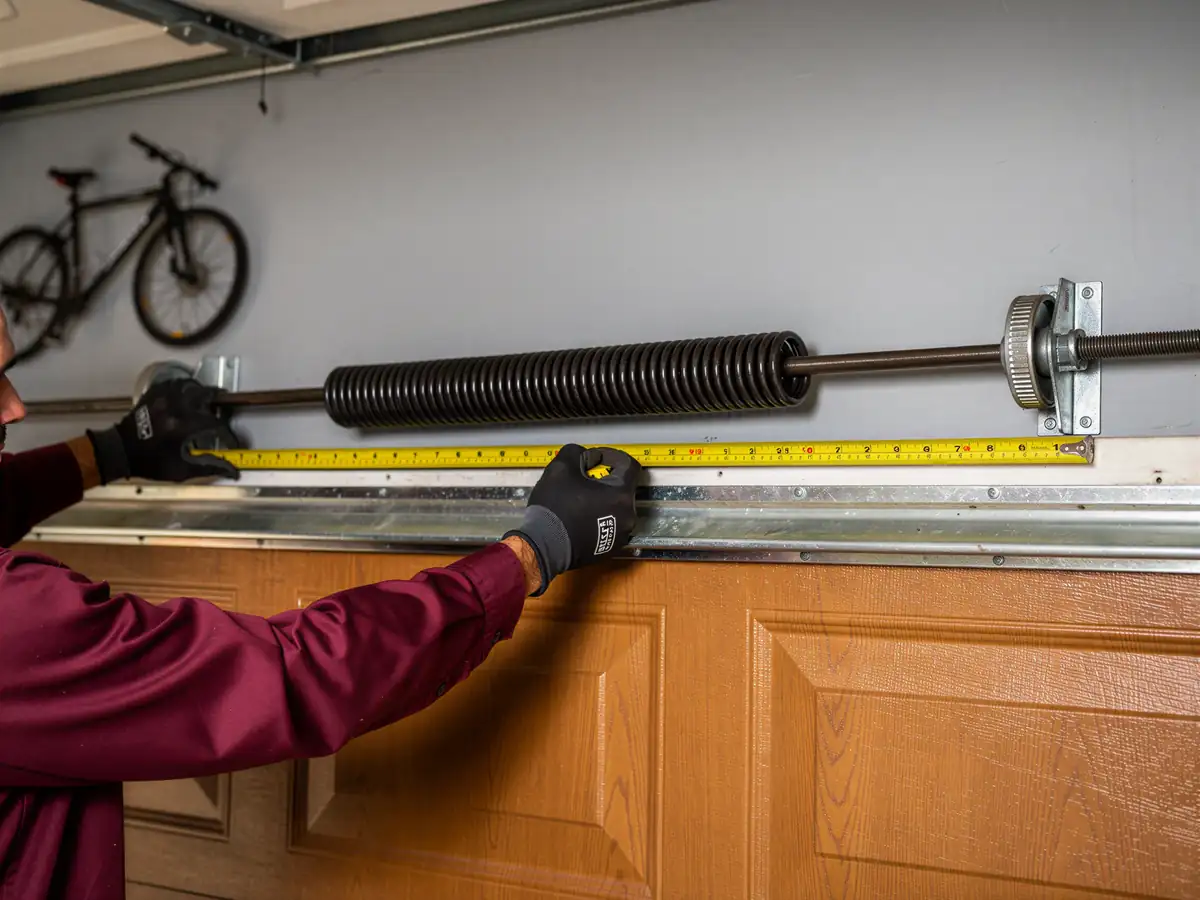
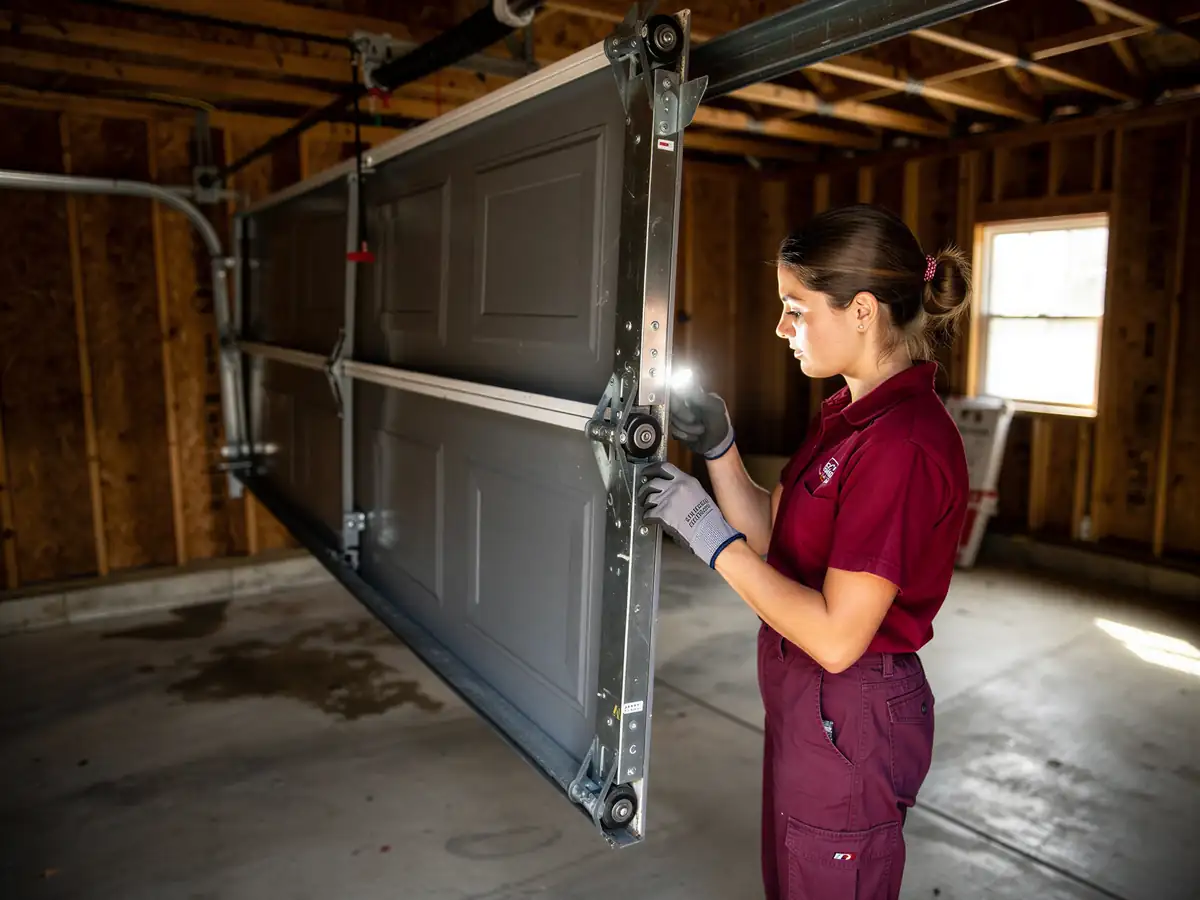
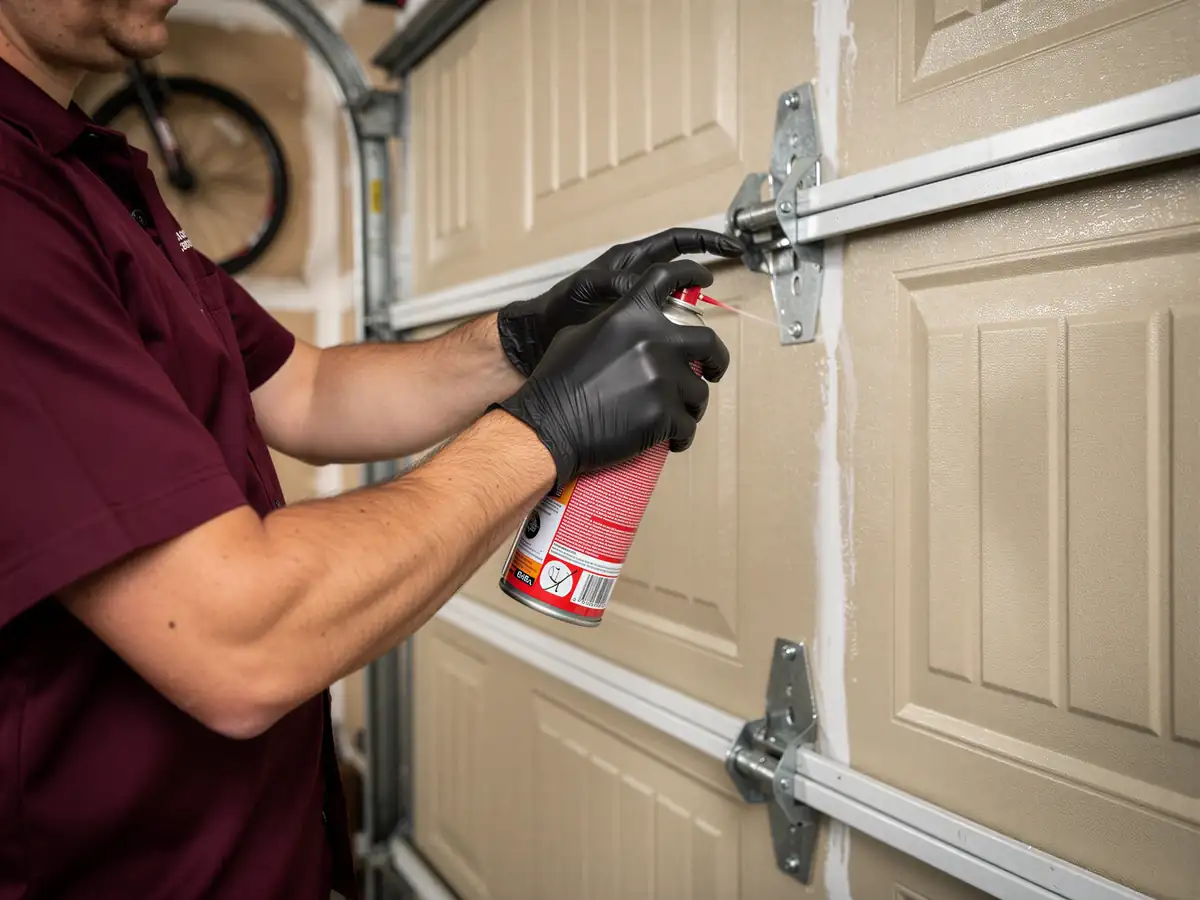
Roseville sits about 11 miles south of our shop in Blaine, and the calls we take out here skew different from the newer subdivisions closer to home. The median house in this area went up around 1968, which puts most of the neighborhood a decade or more ahead of the 1980 median for our wider service area. That gap matters. A door and opener installed on a 1968 build has usually been replaced once already, sometimes twice, and what we find most often now is a second-generation opener - chain drive, half-horsepower, nearing the end of its run - paired with hardware that was sized for a lighter door than what's hanging on it today. We spend more time here on torsion spring swaps sized to older low-headroom tracks than we do on brand-new installs. Roseville's housing turnover means a fair number of these doors have had at least one owner who didn't keep up on lubrication or balance checks, so when we do get a call it's often not a small fix - it's a spring, a cable, and a roller set all going in the same visit.
The Calls We Get From Here
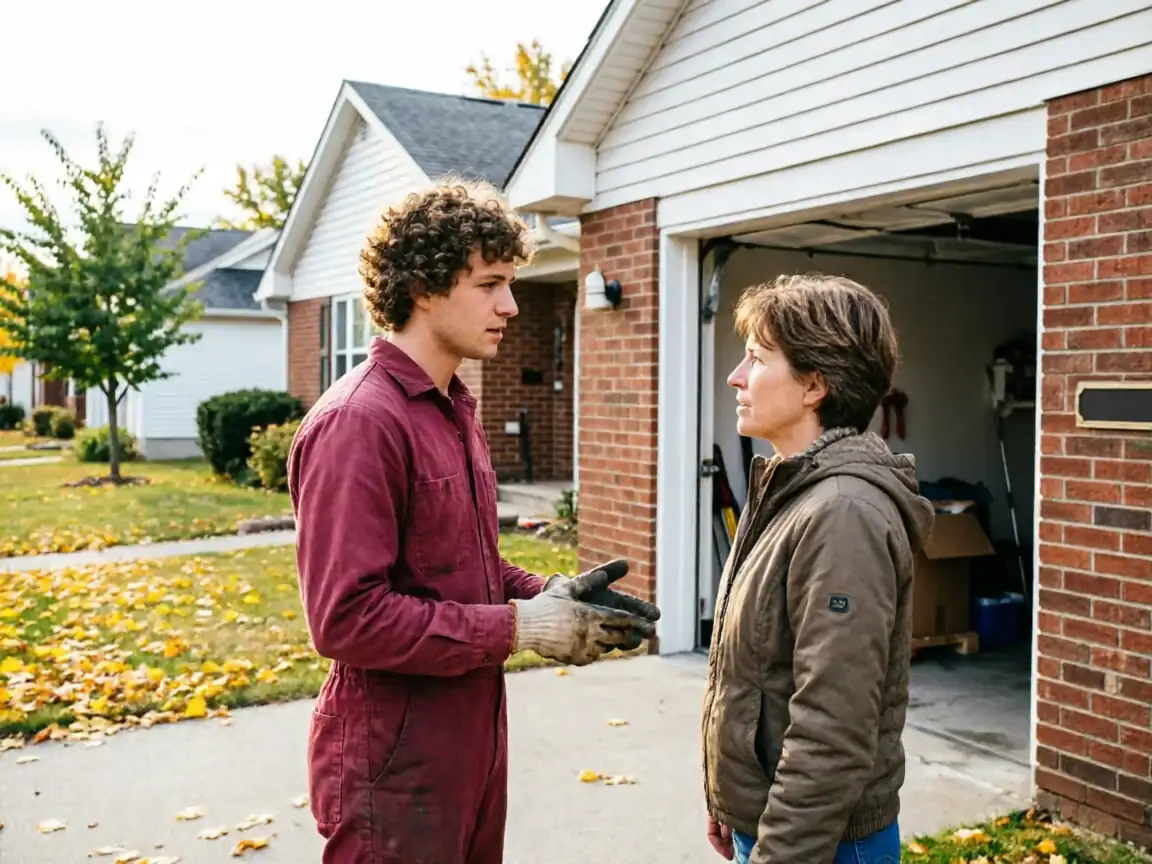
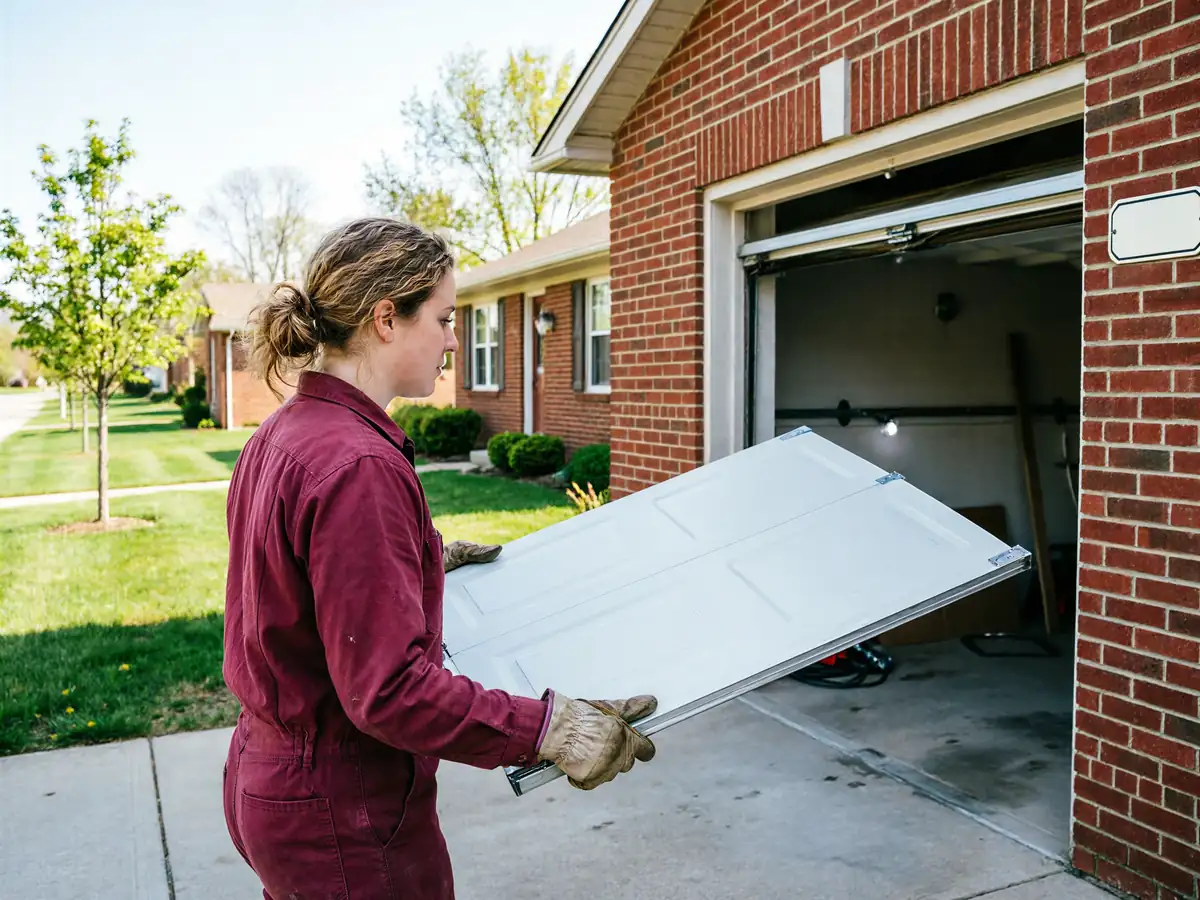
From Roseville we hear a lot of "it worked yesterday" calls - a cable that finally snapped after years of fraying, or a spring that let go on a cold morning. Household incomes here run around $88,440, and we notice that shows up in the kind of job people ask for: more repairs on existing hardware, fewer full teardown replacements, because the door itself is often still sound even when the springs or opener aren't. With roughly 15,600 households in this area, we're not chasing one neighborhood pattern - it's a mix of original low-headroom torsion setups and later extension-spring retrofits, depending on when a given block got its door swapped out. One honest limit: if your opener is the older chain-drive style and parts for it are long discontinued, we'll tell you straight that replacement makes more sense than another patch repair.
This Area's Housing
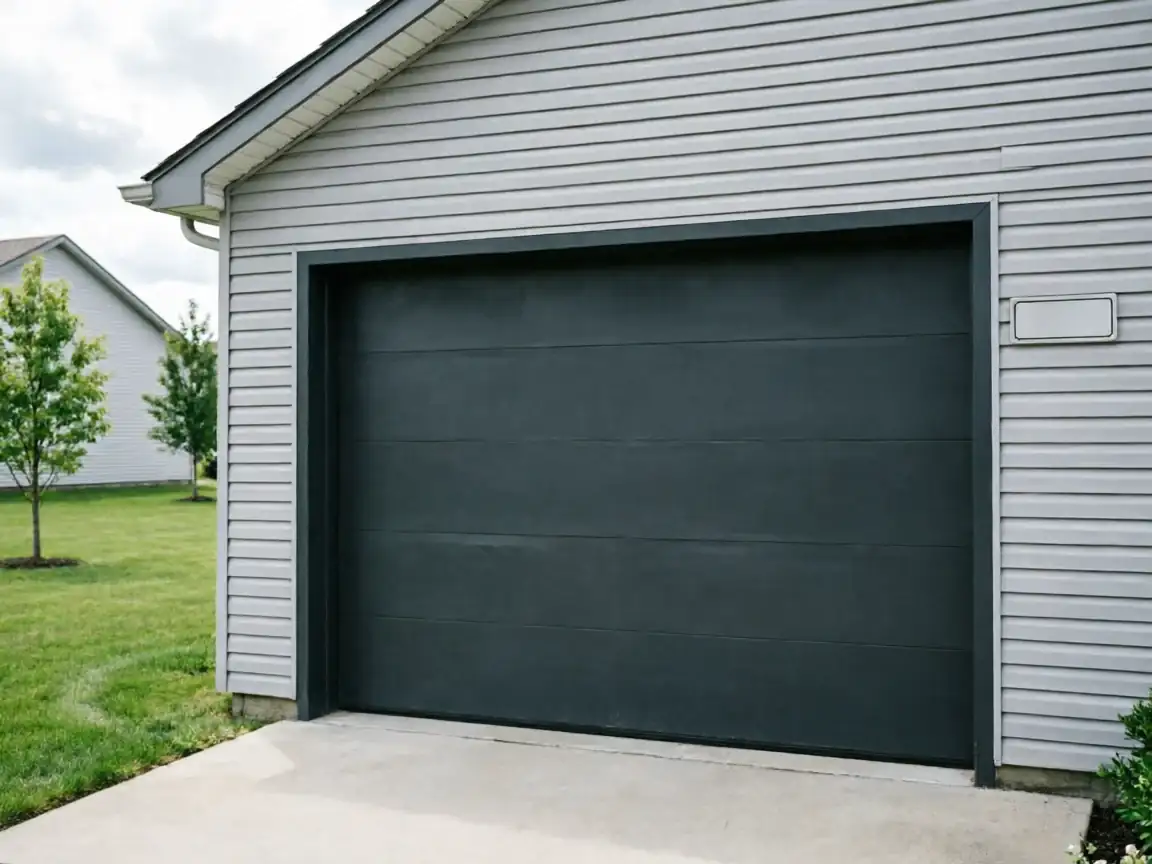
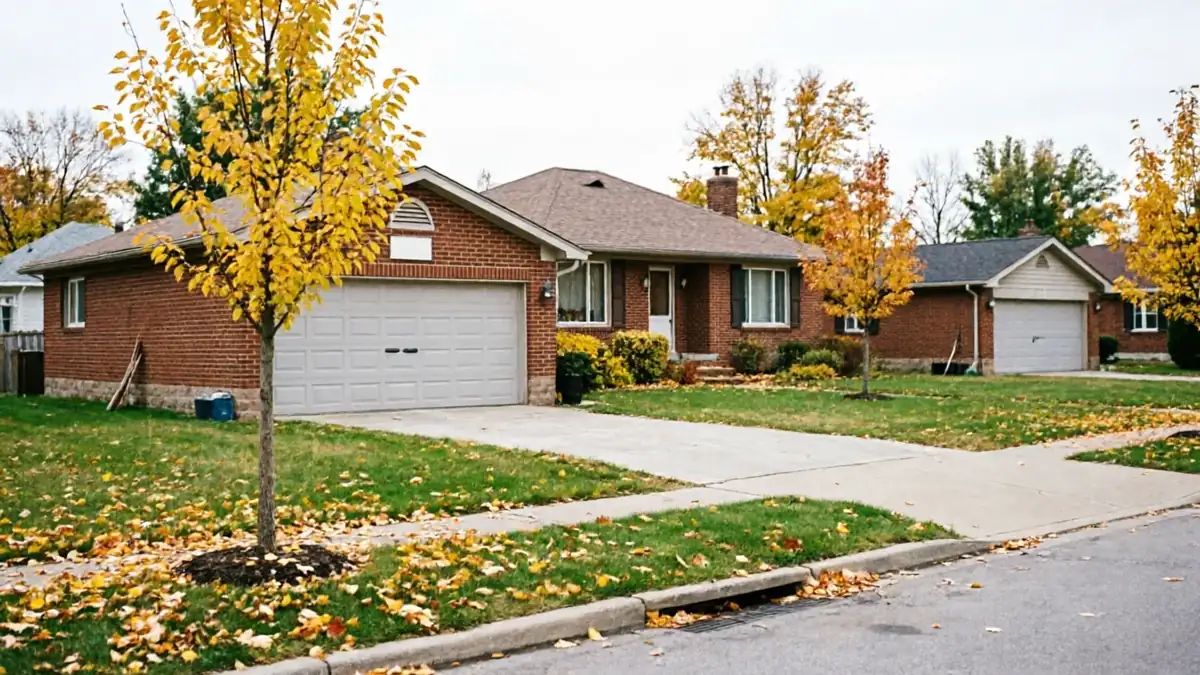
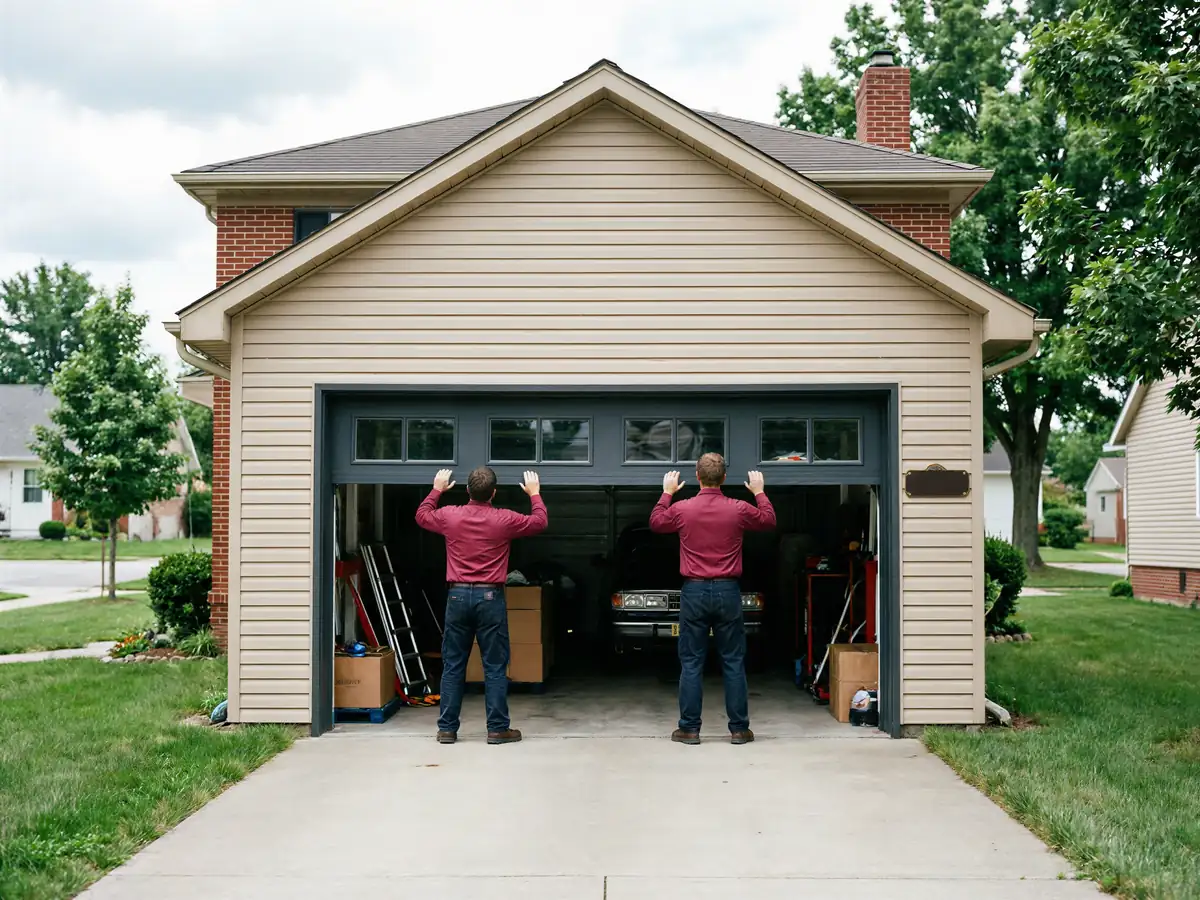
Roseville's housing stock centers on 1968, which puts it solidly in the postwar-to-early-70s build wave rather than the 80s and 90s stock that dominates newer parts of our coverage area. That one fact drives almost everything else about the job out here: narrower garage openings, original stud-mounted track in some cases, and electrical runs that weren't planned for a modern opener's power draw. Across our full service area we cover 258,628 households and 128,969 owner-occupied houses, but this particular pocket, 11 miles from our Blaine base, reads like a snapshot of mid-century Twin Cities construction rather than a cookie-cutter development. If you're not sure how old your door or opener actually is, the build year on your house is a decent starting clue - and worth mentioning when you call, since it tells us what hardware to bring before we even pull into the driveway.