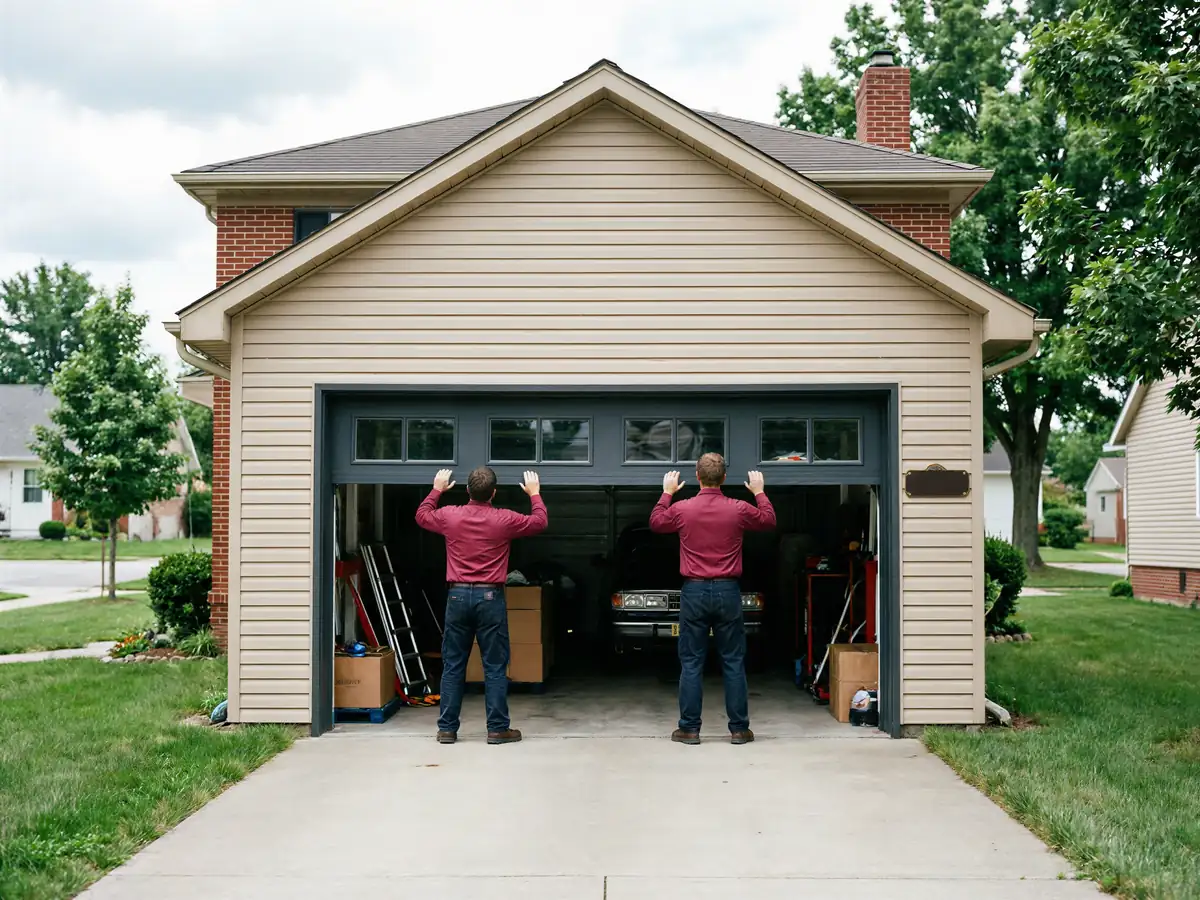
Can You Do This Yourself
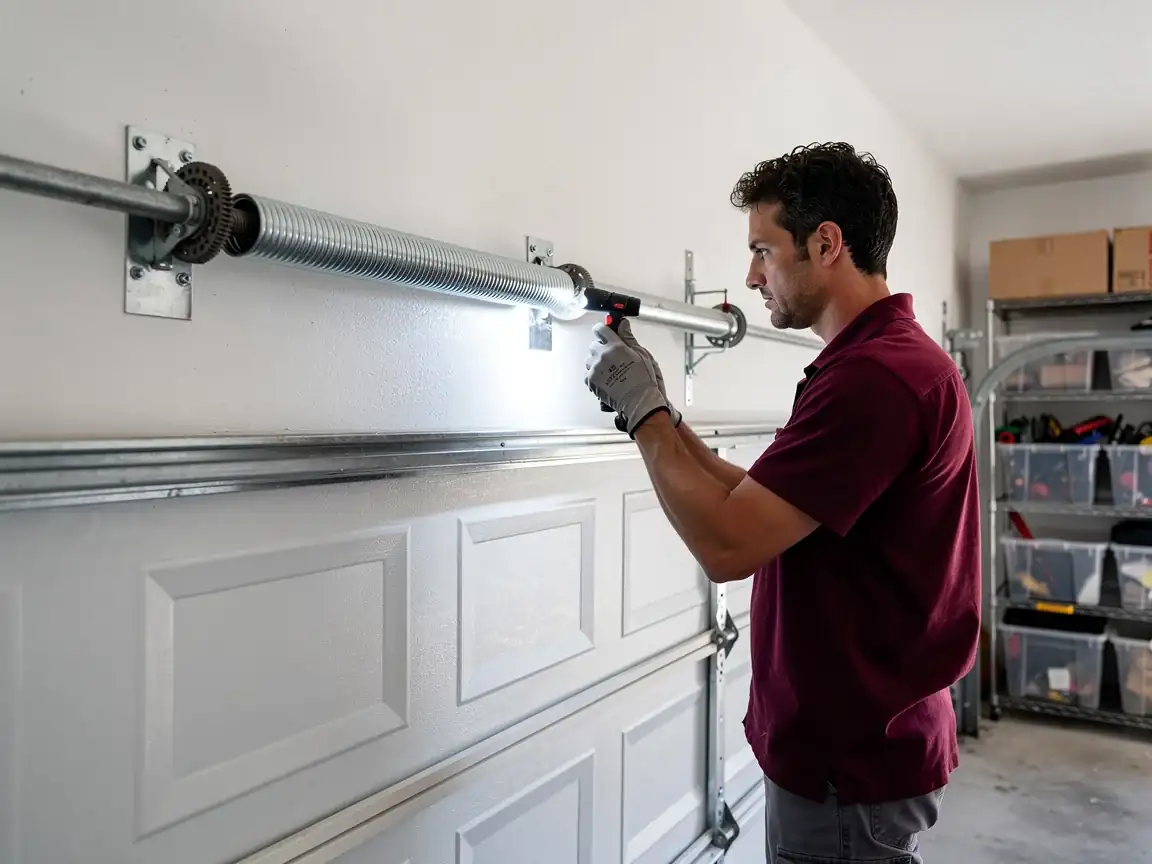
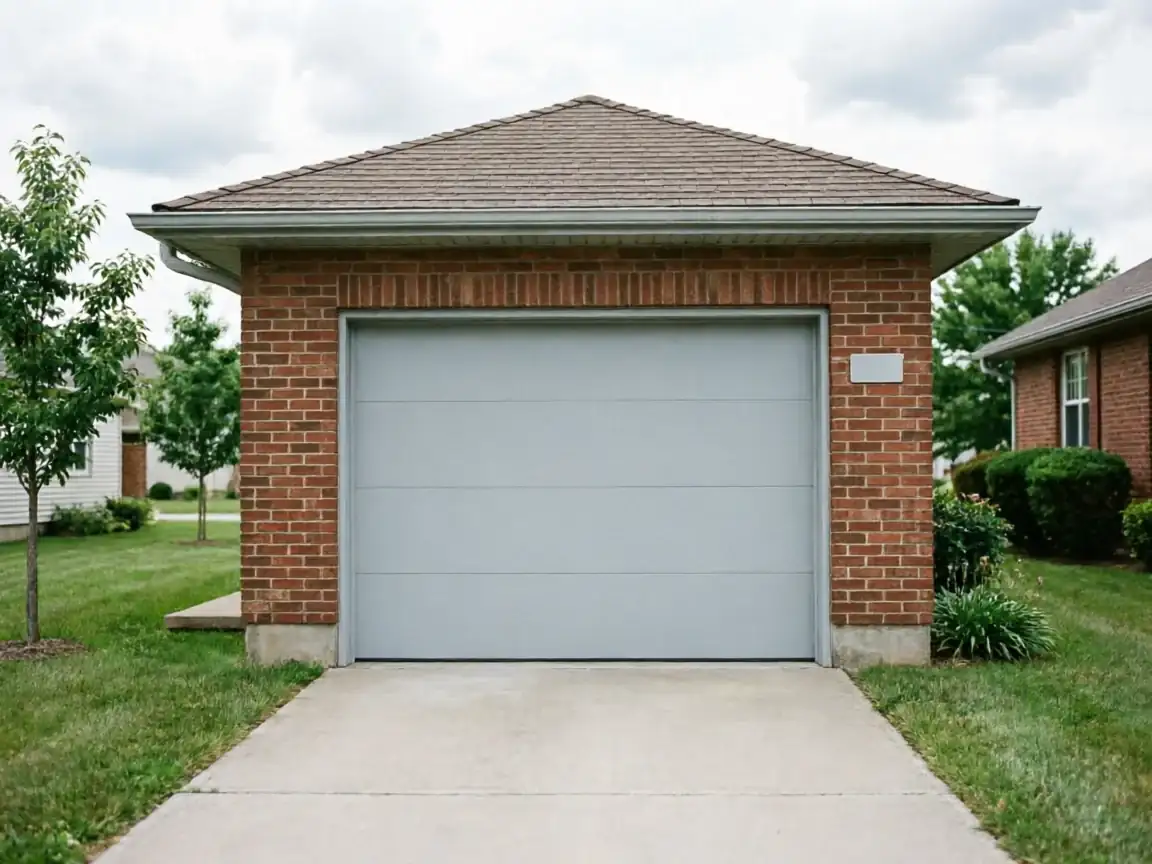
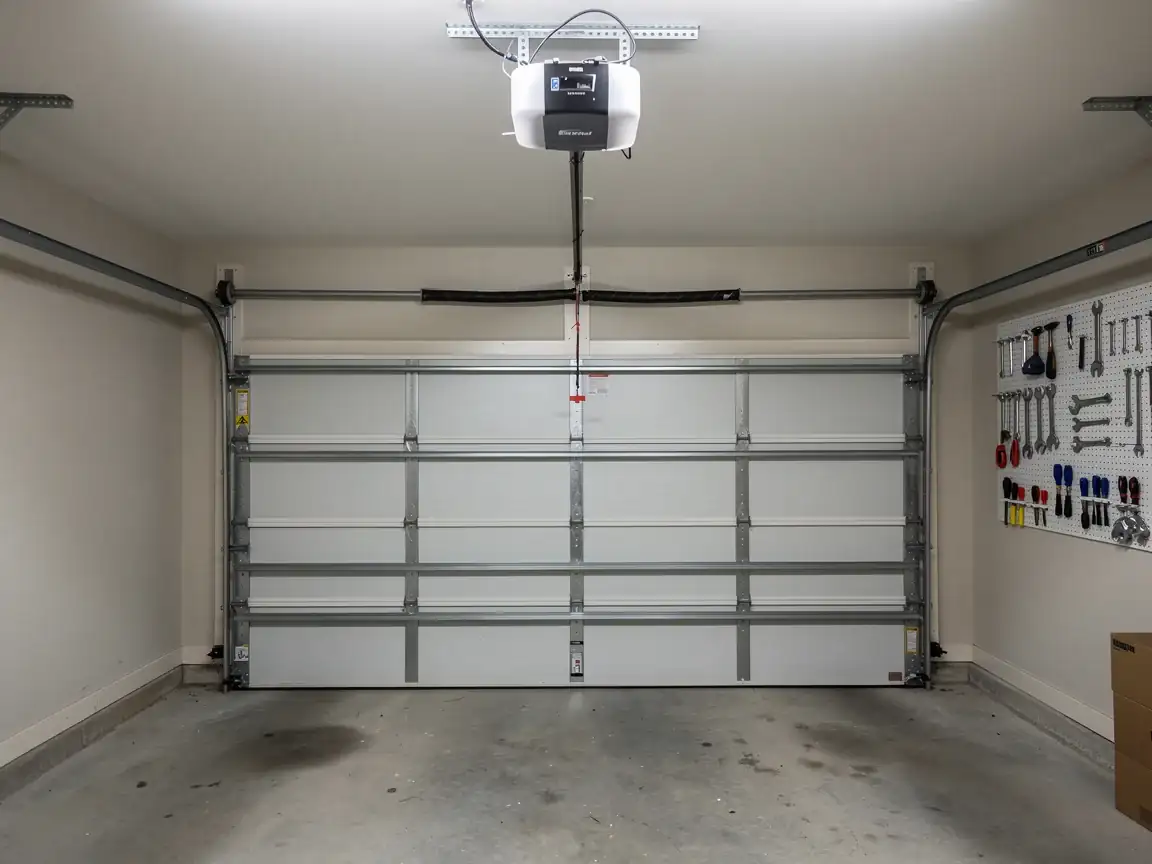
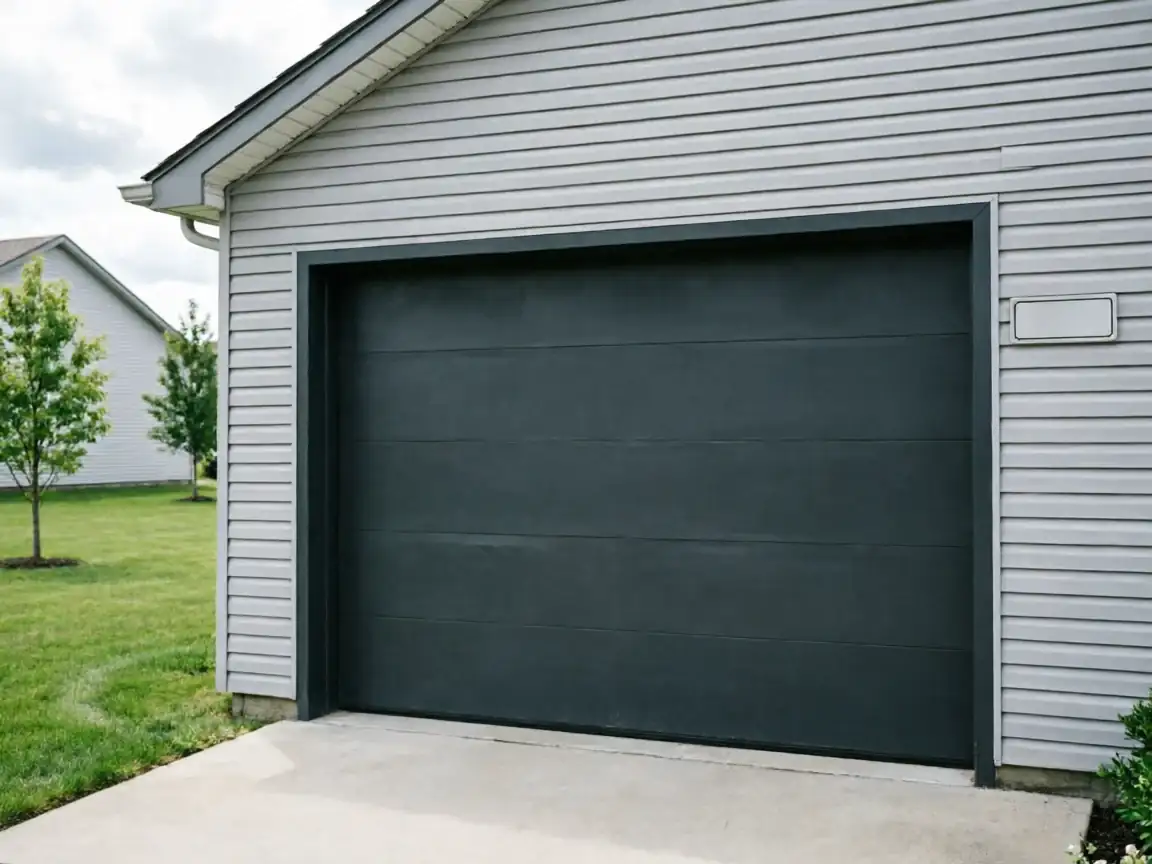
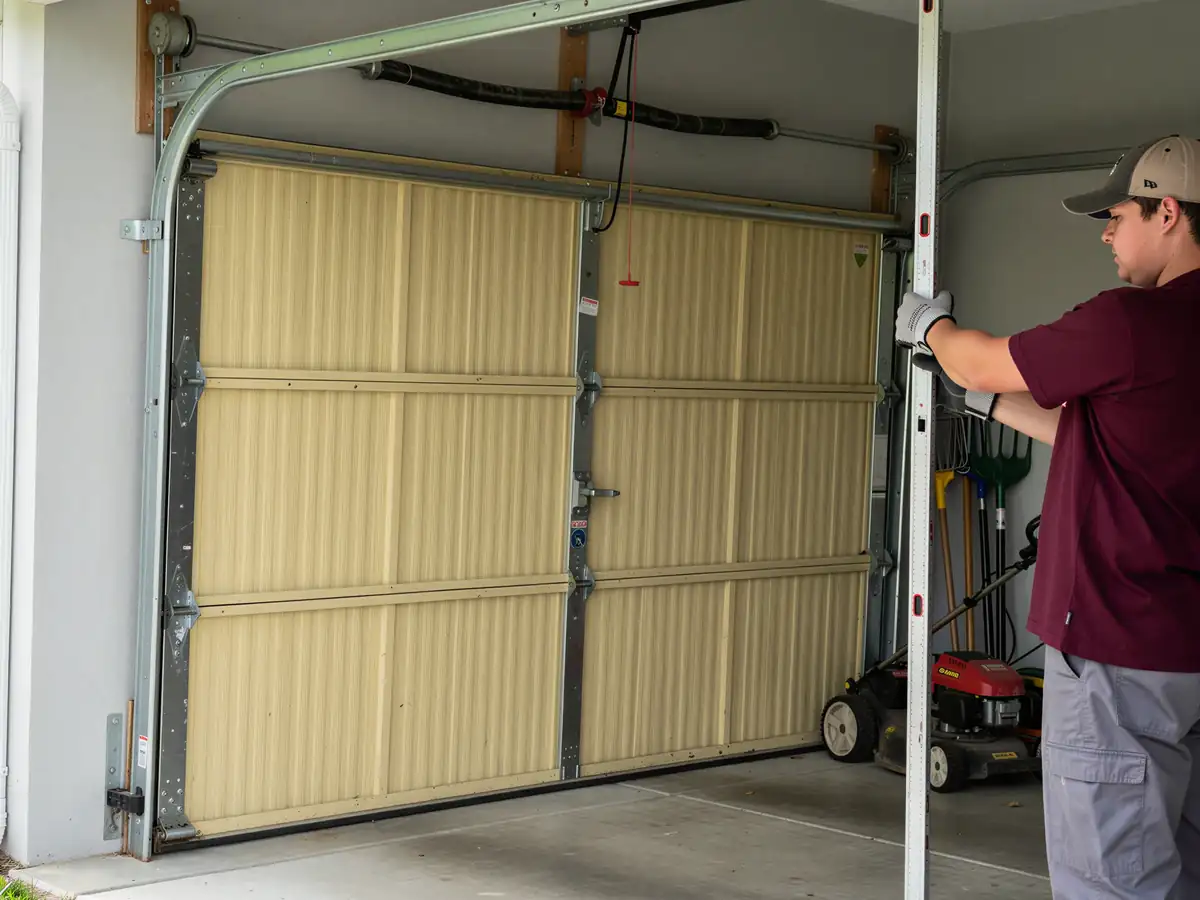
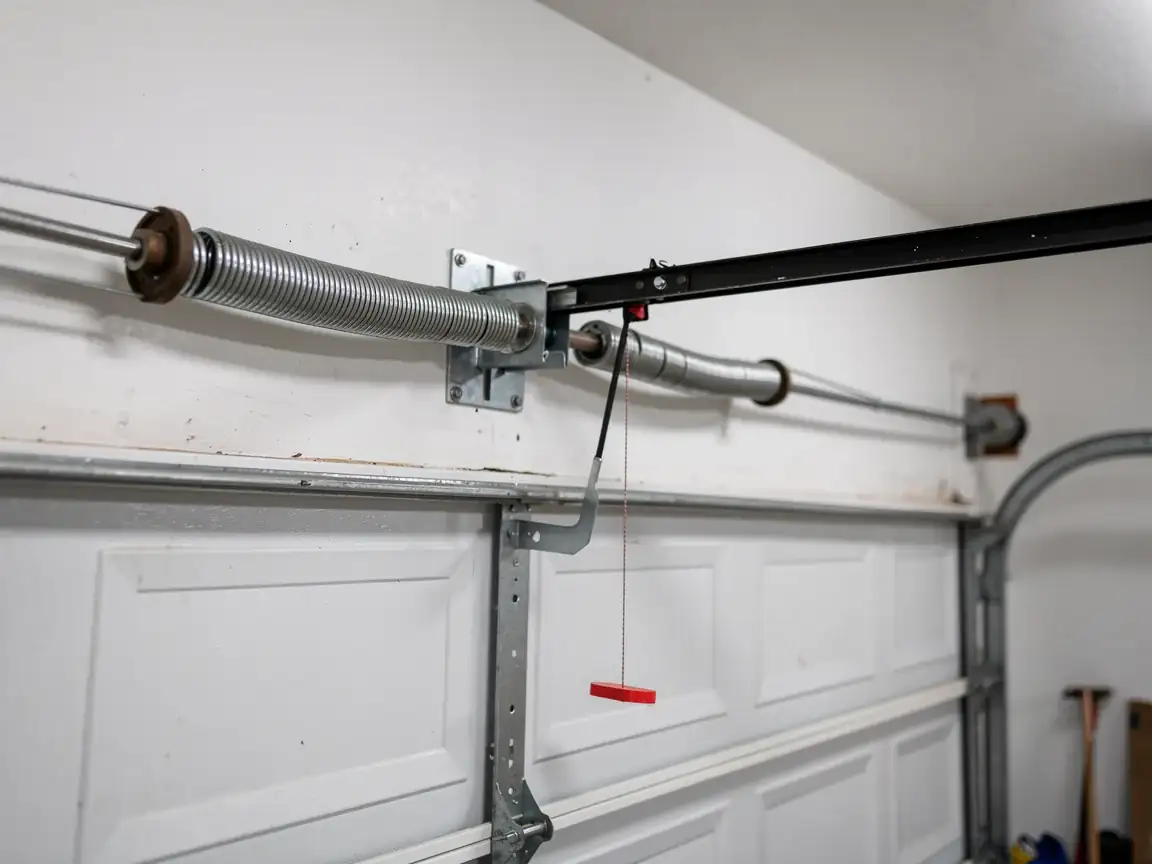
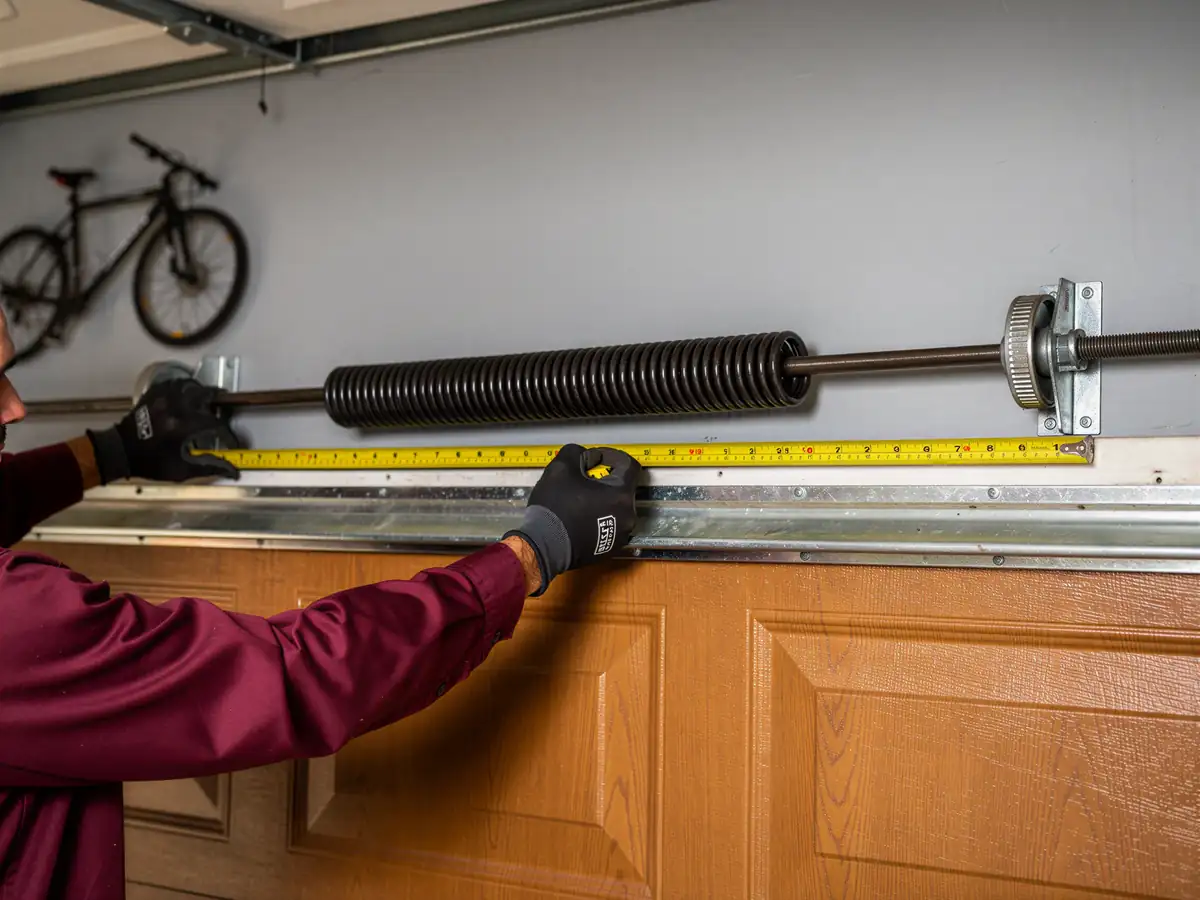
Andover's housing stock centers on 1993, which means most garage doors here are the original builder-grade steel sectional units with torsion springs sized for a door that's now three decades old. Swapping a door panel yourself is doable if you've got the tools and patience, but the spring and track work that comes with a full install is a different animal. A torsion spring under tension can put someone in the hospital, and if you get the cable routing wrong on a double door, the door racks sideways on the track instead of lifting square.
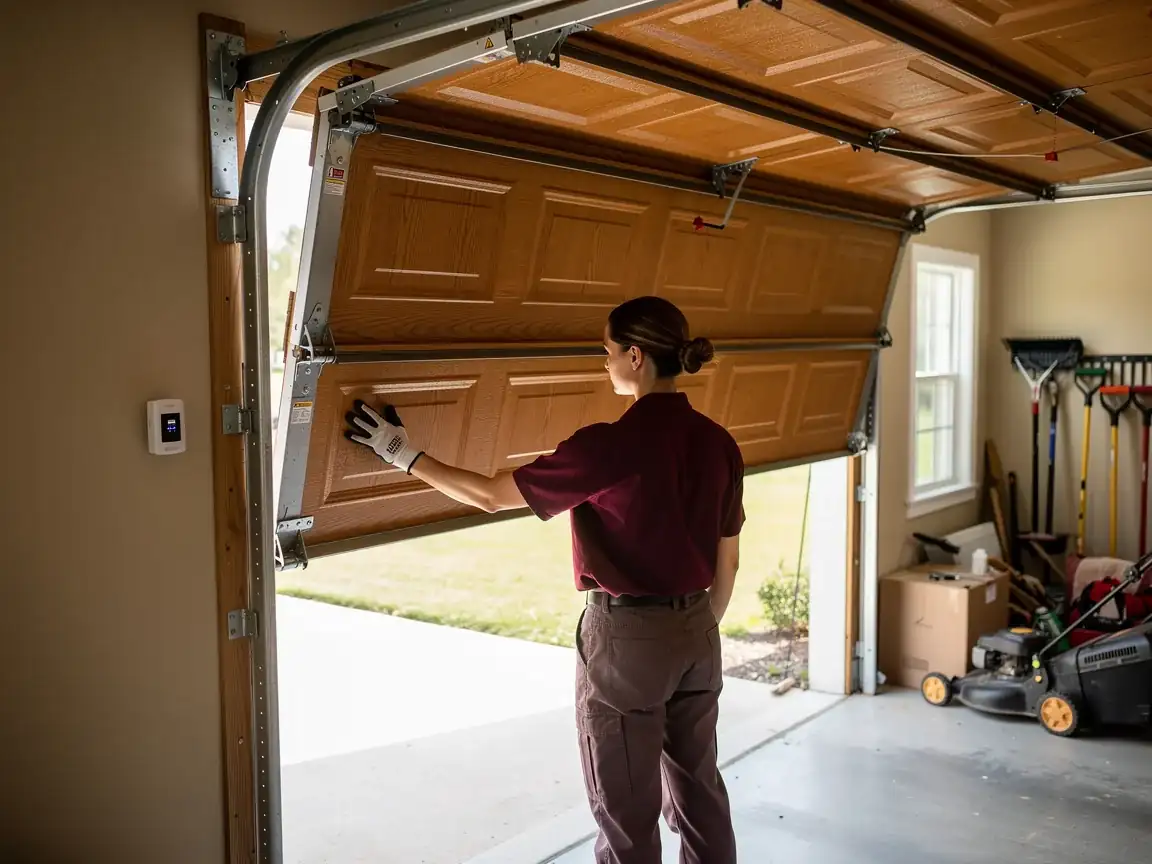
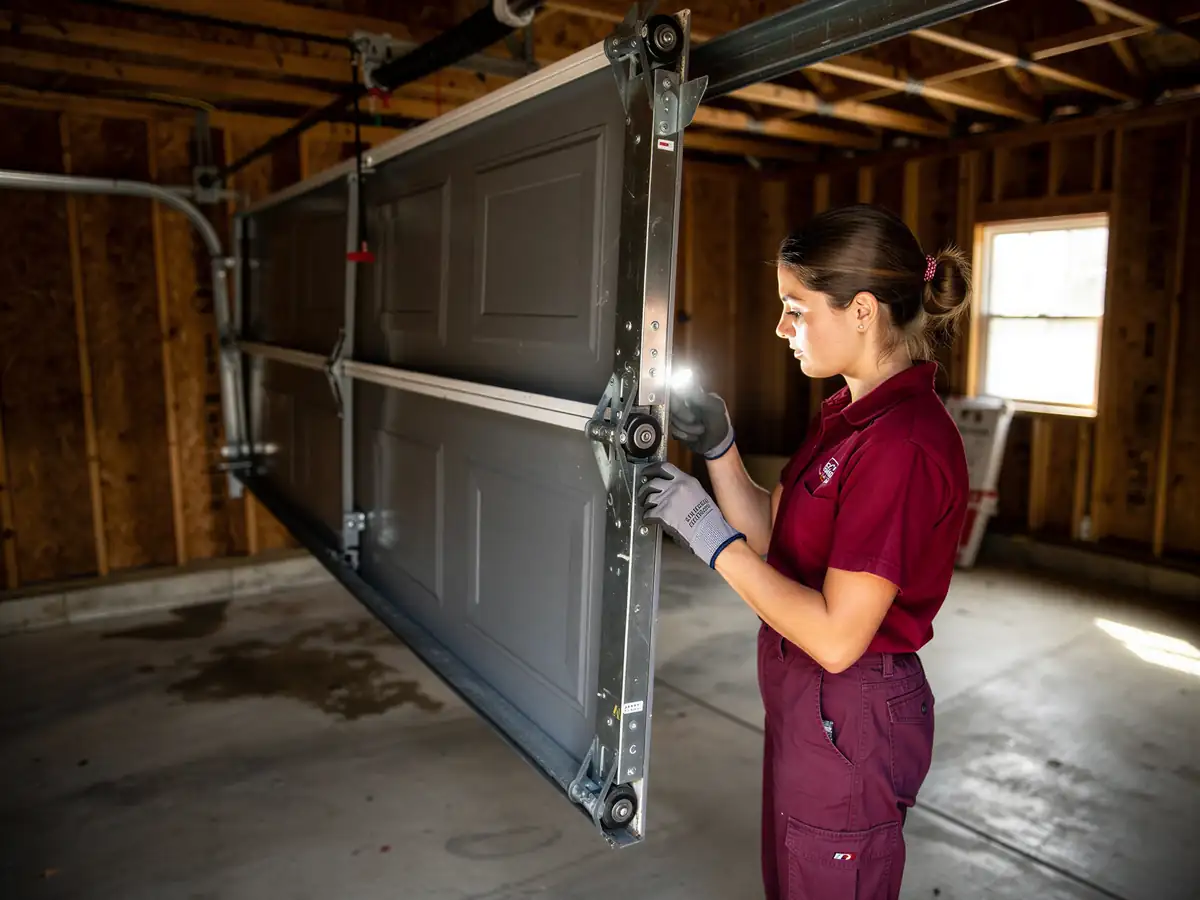
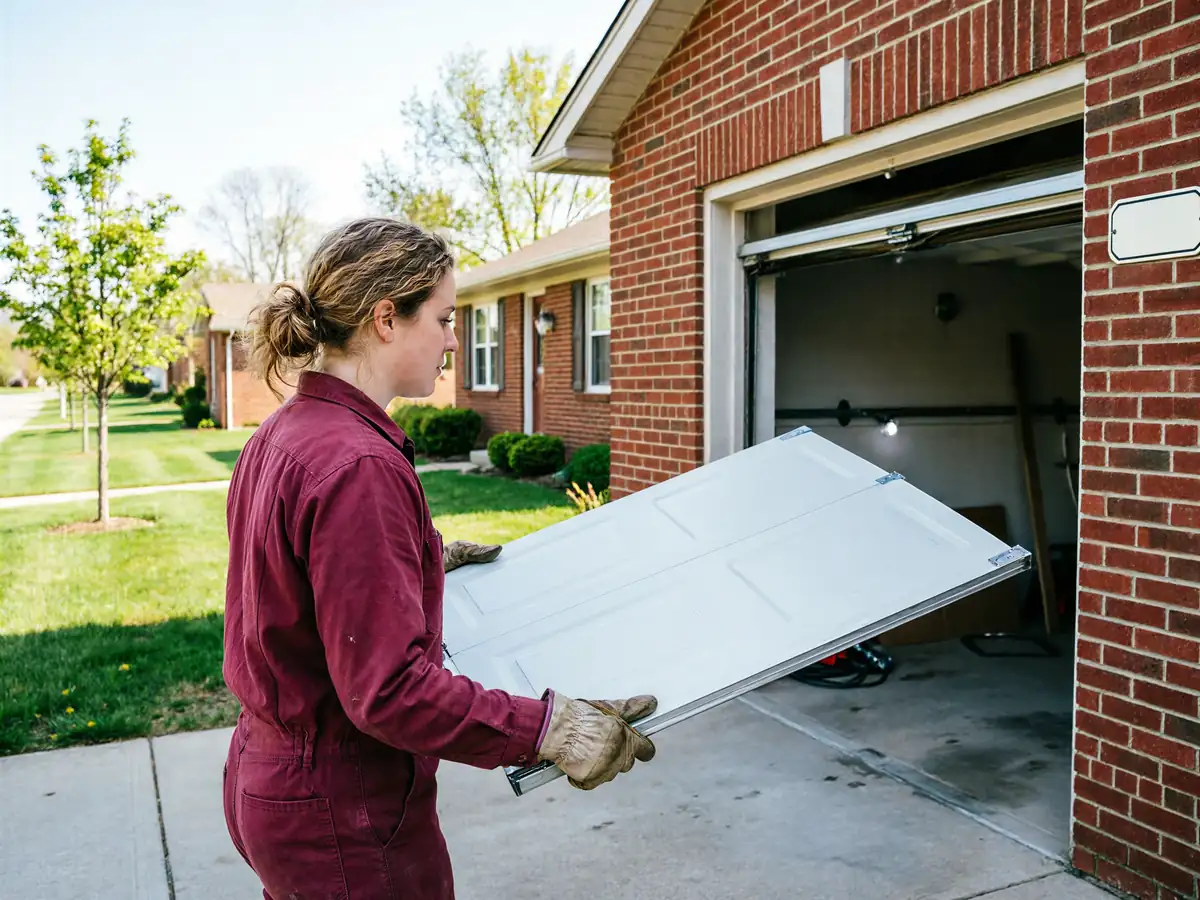
What you can reasonably do yourself: pull the old door panels off once the opener and springs are disconnected, clean out the track channel, and handle any cosmetic trim work around the opening. What you shouldn't: disconnect a wound torsion spring, drill new mounting holes into a header that was framed for 1990s hardware spacing, or guess at spring wind count for a heavier insulated door than the one coming off.
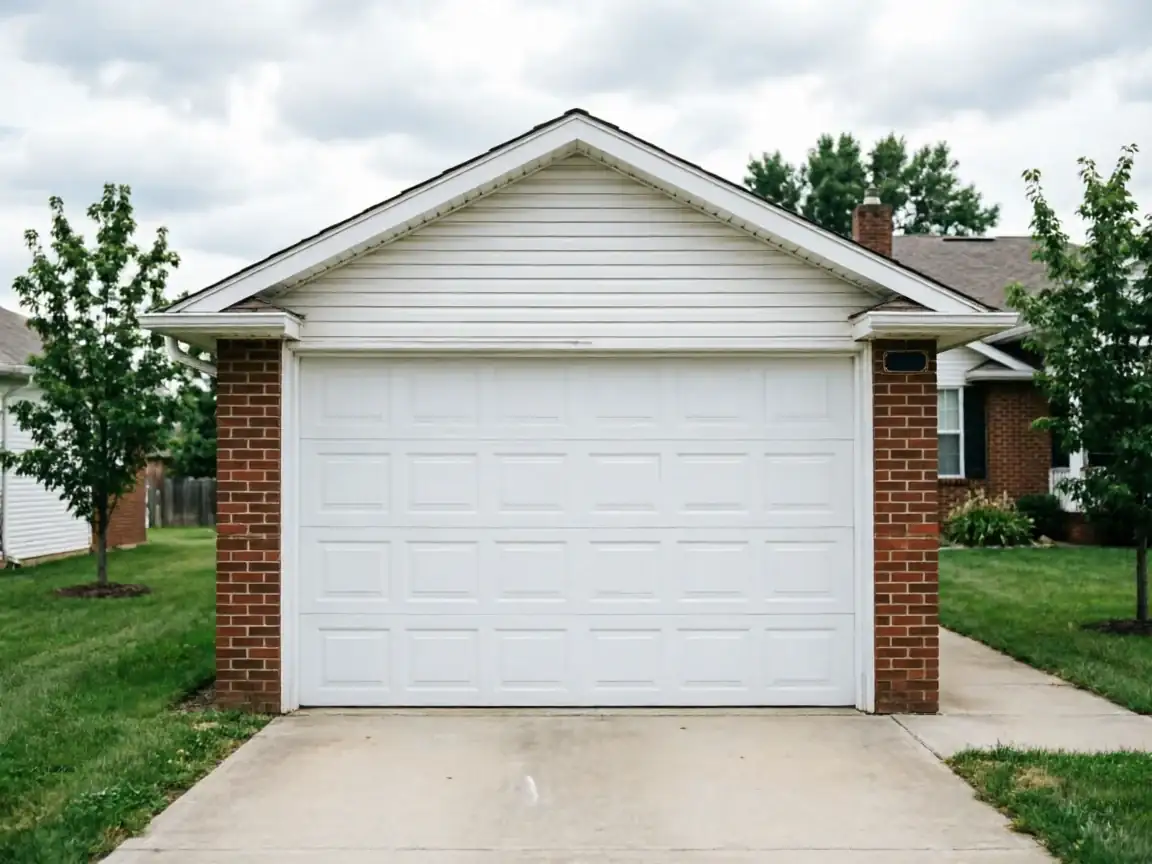
If your house is one of the many in Andover from that early-90s wave, the opening itself is probably fine - it's the spring and hardware sizing that trips people up when they try to upgrade to a heavier, better-insulated door than what the builder put in.
How Long It Takes
A straight swap - same size opening, new door on existing track hardware
Usually runs a single visit from the Blaine crew making the 8-mile trip out. Where it stretches longer is when the original 1993-era track or jamb needs rework to fit a thicker, better-insulated panel, which is common once a homeowner decides to upgrade rather than just replace like-for-like.
Andover's winters sit in the same cold-severe climate band as the rest of this service area
And that matters for timing: insulated doors and weatherstripping take a little more care to seat right in freezing temperatures, so a job scheduled in January can run a bit longer than the same job in July. We don't control Minnesota winter, but we do plan around it.
Ordering a non-stock size or custom color adds lead time before the install day even starts
That's a limitation worth knowing up front rather than discovering it after you've torn out the old door.
How It Shows Up
In a city built mostly in a single decade like Andover, the giveaway isn't usually a dramatic failure - it's a door that's heavier to lift by hand than it used to be, an opener that strains and clicks before it catches, or a spring that's visibly stretched compared to when the house was new. With a median build year of 1993, Andover sits right at the point where original torsion springs are past the number of cycles they were rated for, even on a door that looks fine from the driveway.
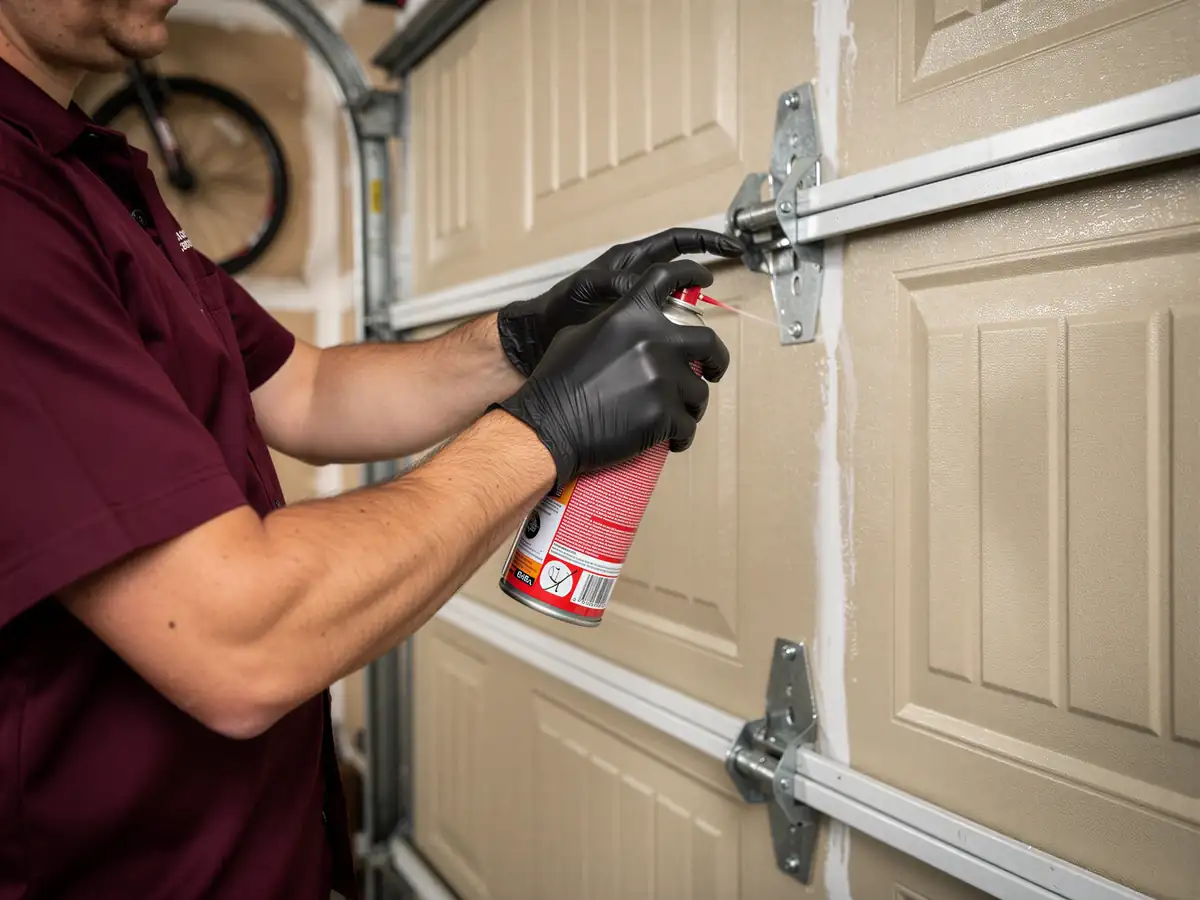
Cold-climate wear adds to this. A steel door with no insulation, which was standard in the early 90s, flexes and bows more in a hard Minnesota freeze, and that flex works on the same hinges and rollers year after year. Owners in this area tend to notice it first as noise - a bang or shudder at the top of the travel - before they notice the door is actually failing.
What the Repair Takes
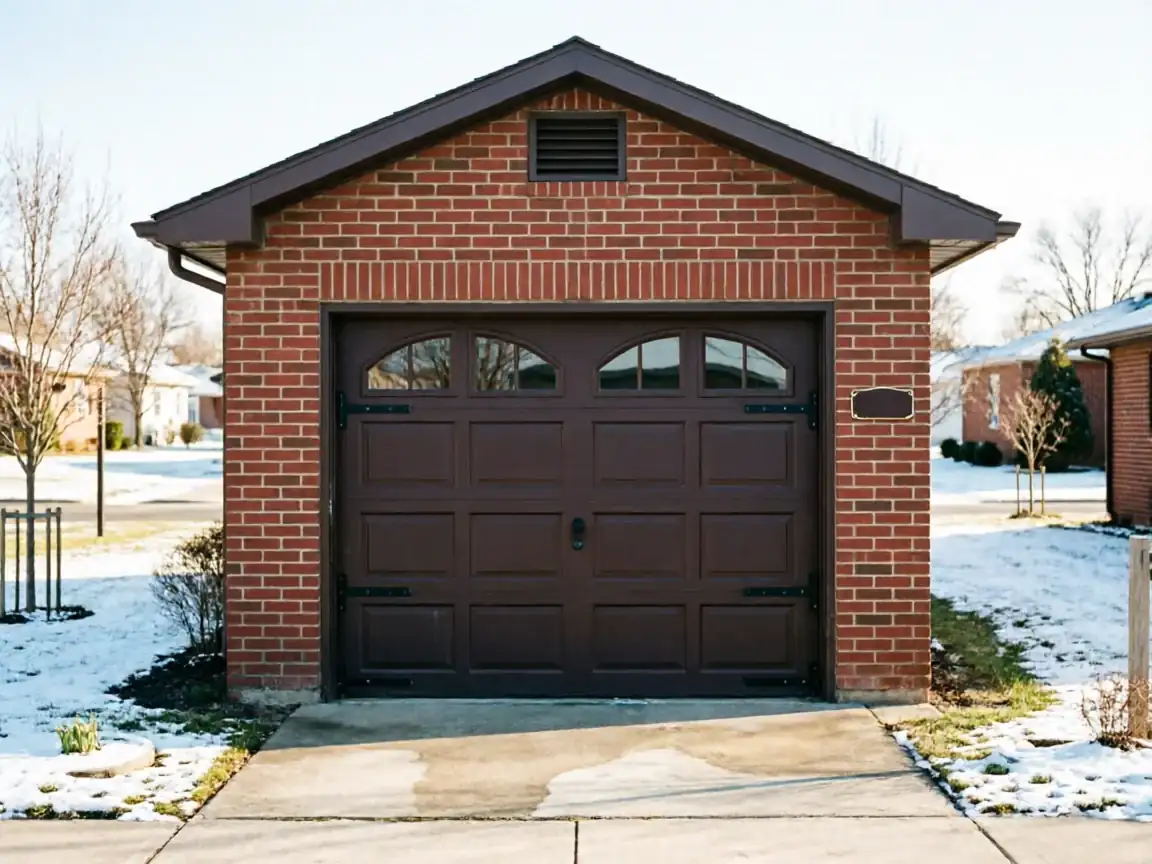
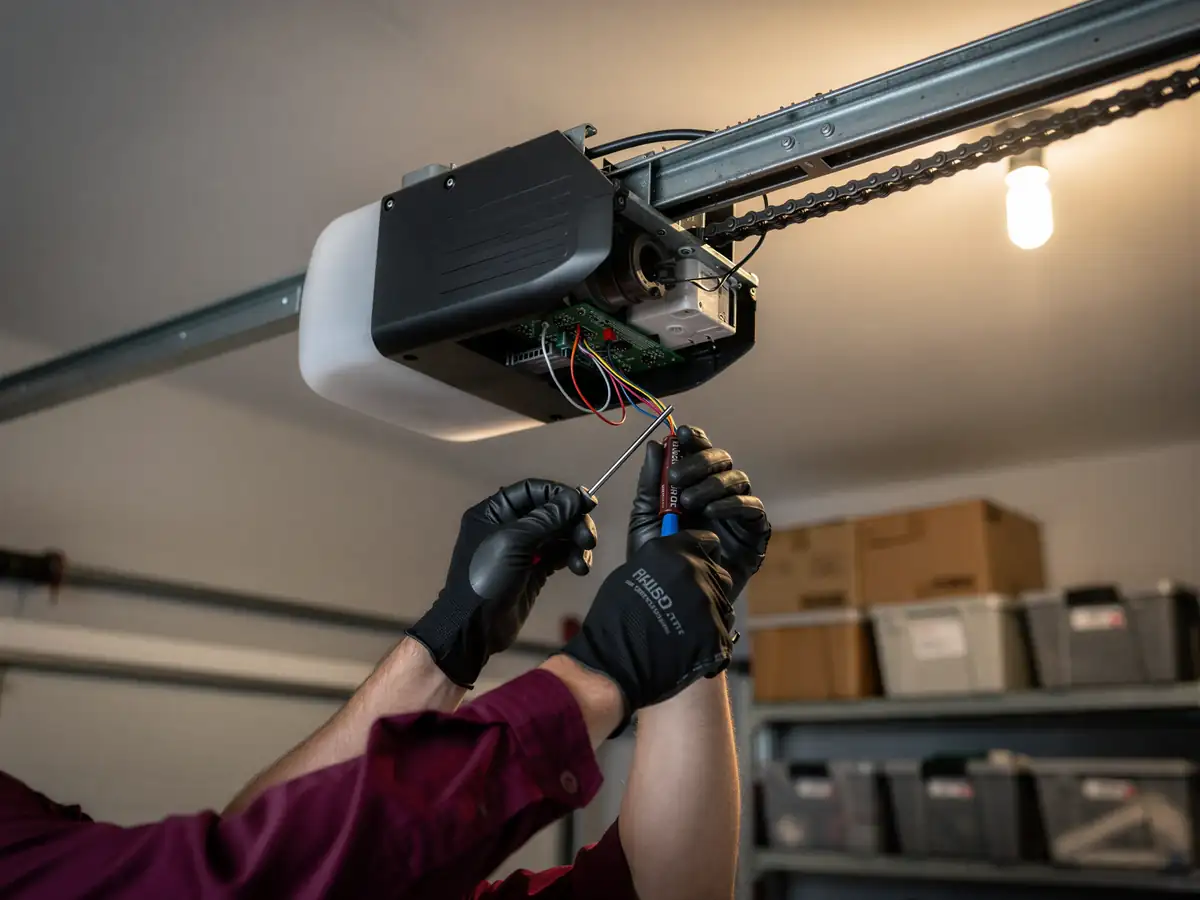
When the call is for installation rather than repair, the real work is matching the new door to an opening framed for 1990s hardware. That means checking header clearance for a thicker insulated panel, confirming the track brackets can take the added weight, and in some cases swapping the opener if the existing unit isn't rated for the new door's weight class.
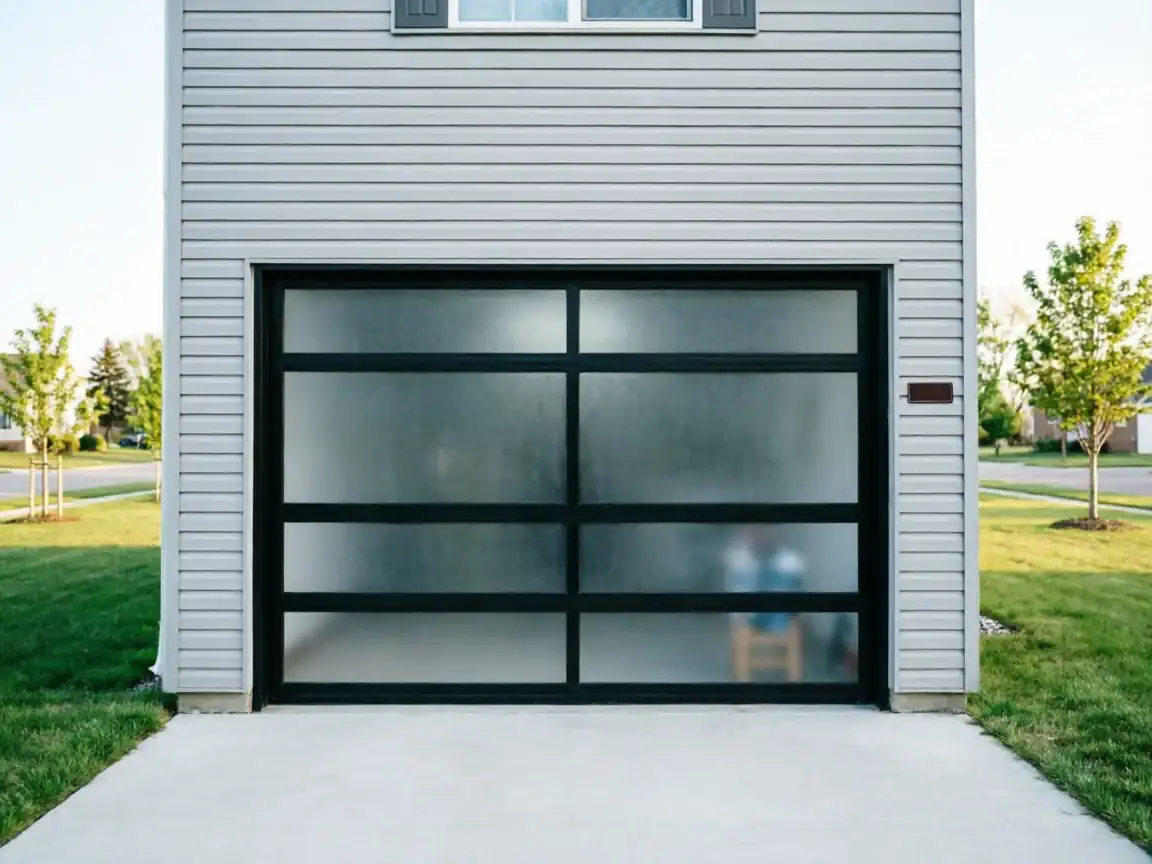
With Andover's median household income at $131,528 - noticeably above the roughly $100,179 median across the wider service area - we see more owners here opting for insulated, higher-end doors rather than a basic builder-grade replacement. That's not a requirement, just what the calls tend to look like out this way.
One honest limit: if your framing is out of square from decades of settling, we can shim and adjust, but we're not a framing crew, and a door that won't sit right no matter what you do to the track usually means the opening itself needs a carpenter's attention before another install is worth doing.