Can You Do This Yourself
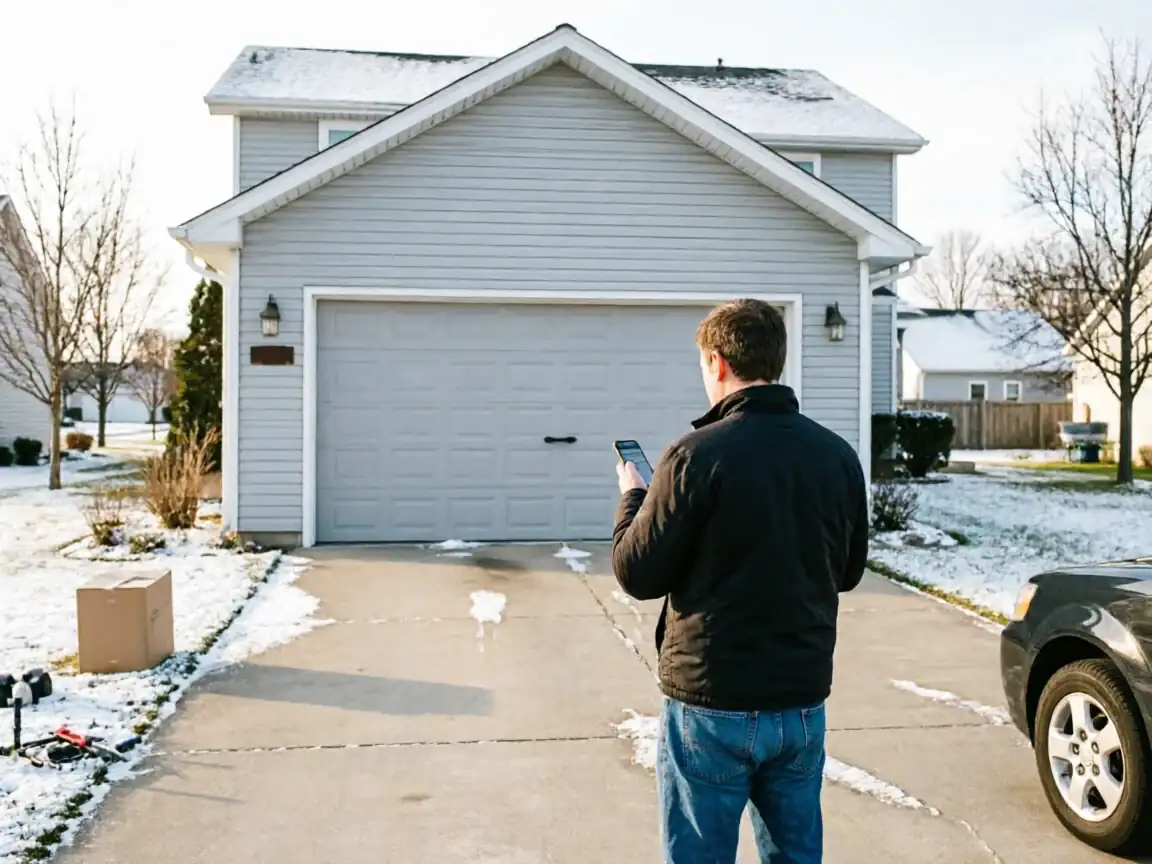
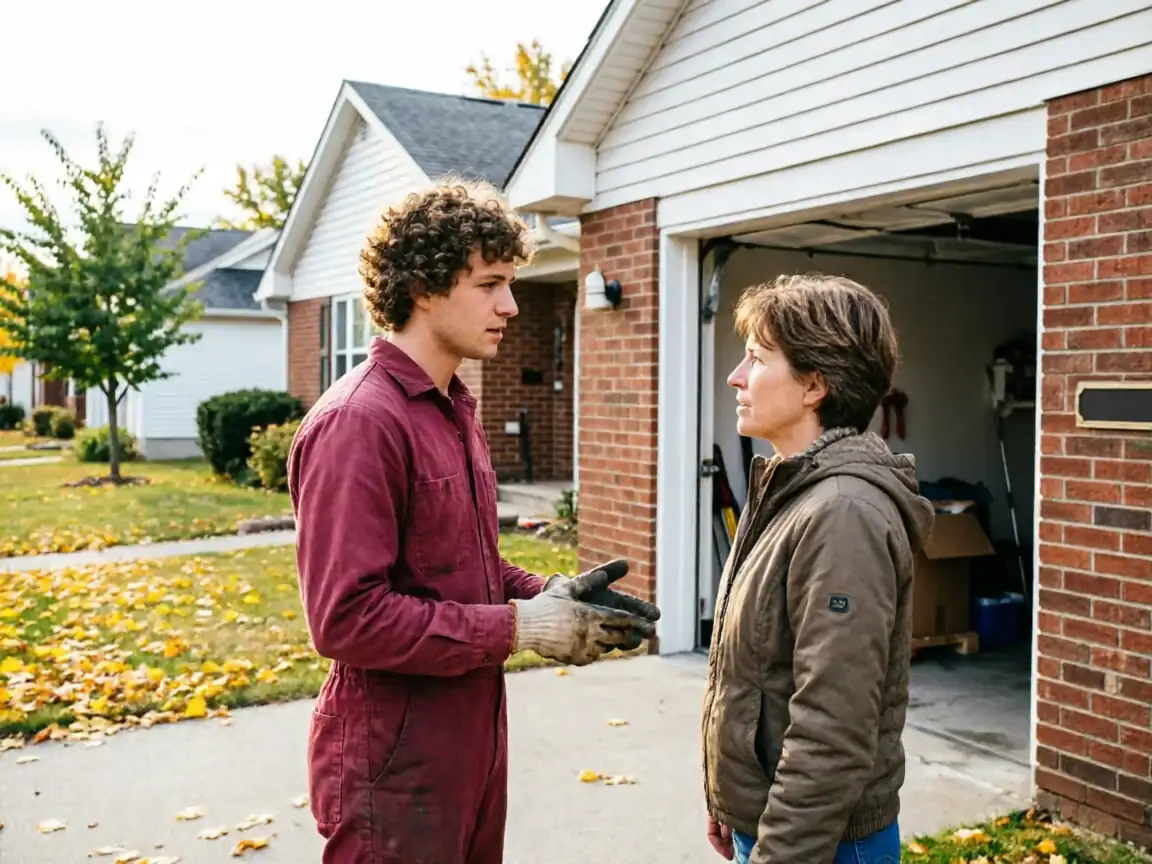
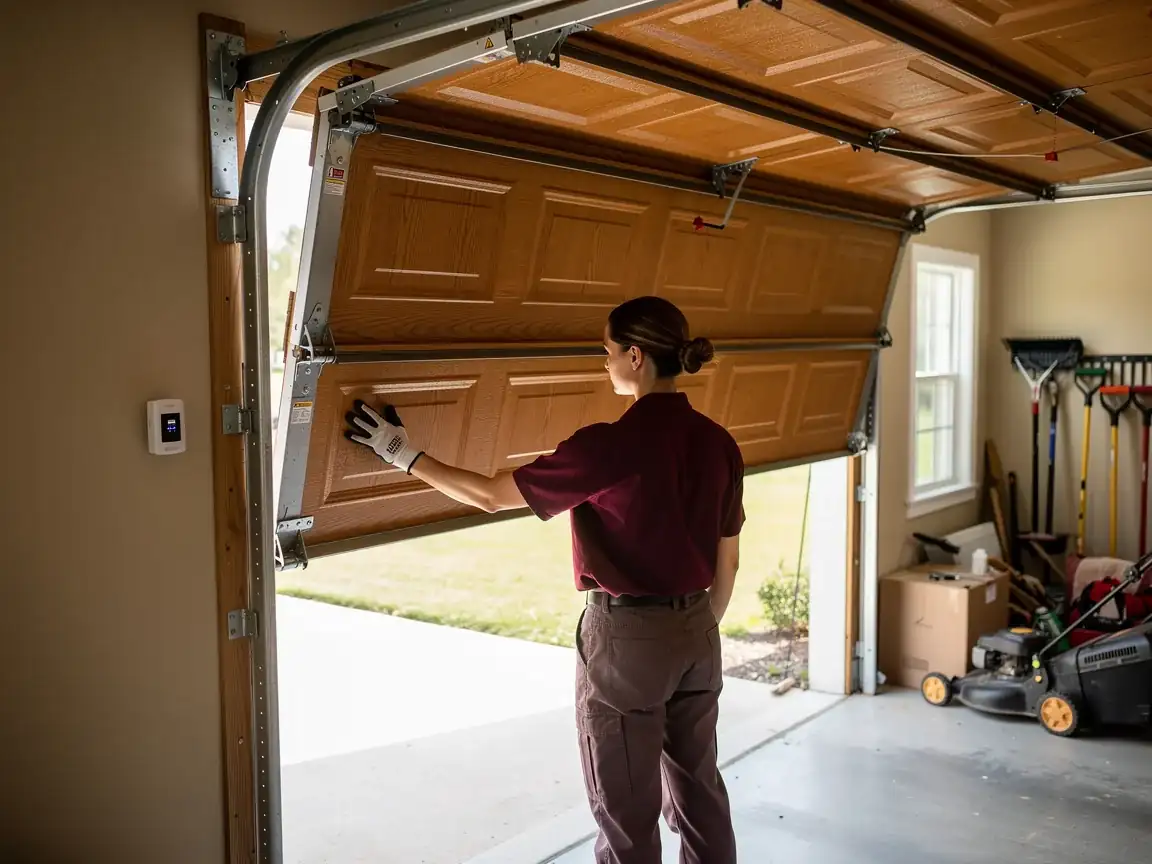
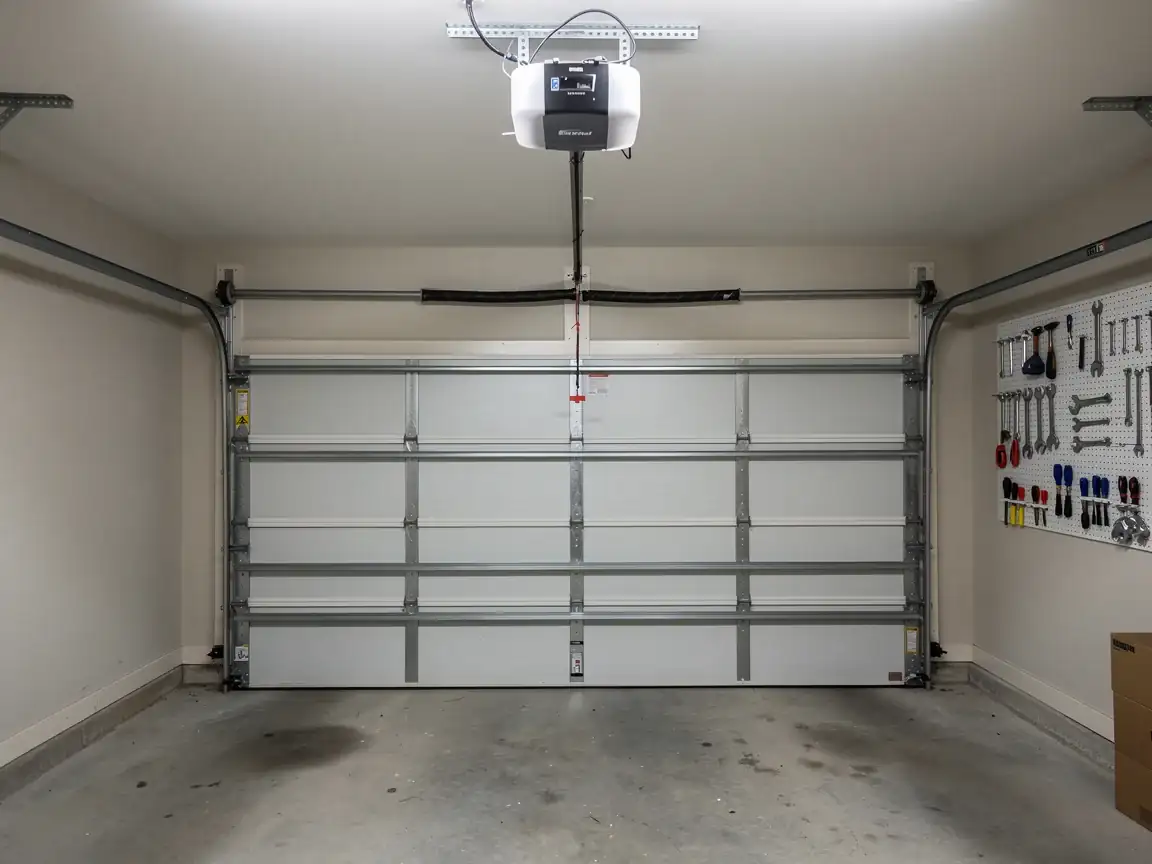
Andover sits about 8 miles from our shop in Blaine, which is a short drive but not a same-hour guarantee - we schedule the call rather than drop a truck on standby here, so it helps to know what you're dealing with before you pick up the phone. A lot of what looks like opener failure is a $20 part: dirty photo-eye lenses, a worn drive belt or chain slipping on the sprocket, a remote with a dead battery, or a limit switch that's drifted out of adjustment. You can check those yourself - wipe the sensor eyes, listen for grinding versus clicking, try a fresh battery. What you shouldn't touch is the logic board, the motor windings, or anything involving the opener's high-voltage side. Most Andover houses date to the early 1990s, and a lot of those openers are original chain-drive units from that era - parts for them aren't always on a shelf, and guessing wrong on a board swap can turn a $150 fix into a $400 one. If the door moves fine by hand but the opener won't engage, that's usually safe to rule out yourself. If the door binds, reverses randomly, or the opener hums without moving the door, stop and call - that's a safety-relevant fault, not a settings issue.
How It Shows Up
Andover's housing is mostly early-1990s construction - F1 puts the build era at 1957 through 2003 with a 1980 median across the wider service area, but Andover's own stock skews later, closer to 1993. That means openers here are more likely to be the mid-90s chain-drive or early screw-drive units that came standard with that generation of builder-grade door packages, rather than the belt-drive systems common in newer construction. The service area sits in a cold-severe climate band, and cold is hard on opener gear in a specific way: grease in the drive mechanism stiffens below freezing, which makes the motor strain against a track that hasn't fully frozen but has tightened up. That shows up as an opener that runs slow, stutters partway through a cycle, or trips the force sensor and reverses before the door seats. It's not always the opener itself - sometimes it's the door fighting the cold and the opener taking the blame. We check both before we replace either.
What the Repair Takes
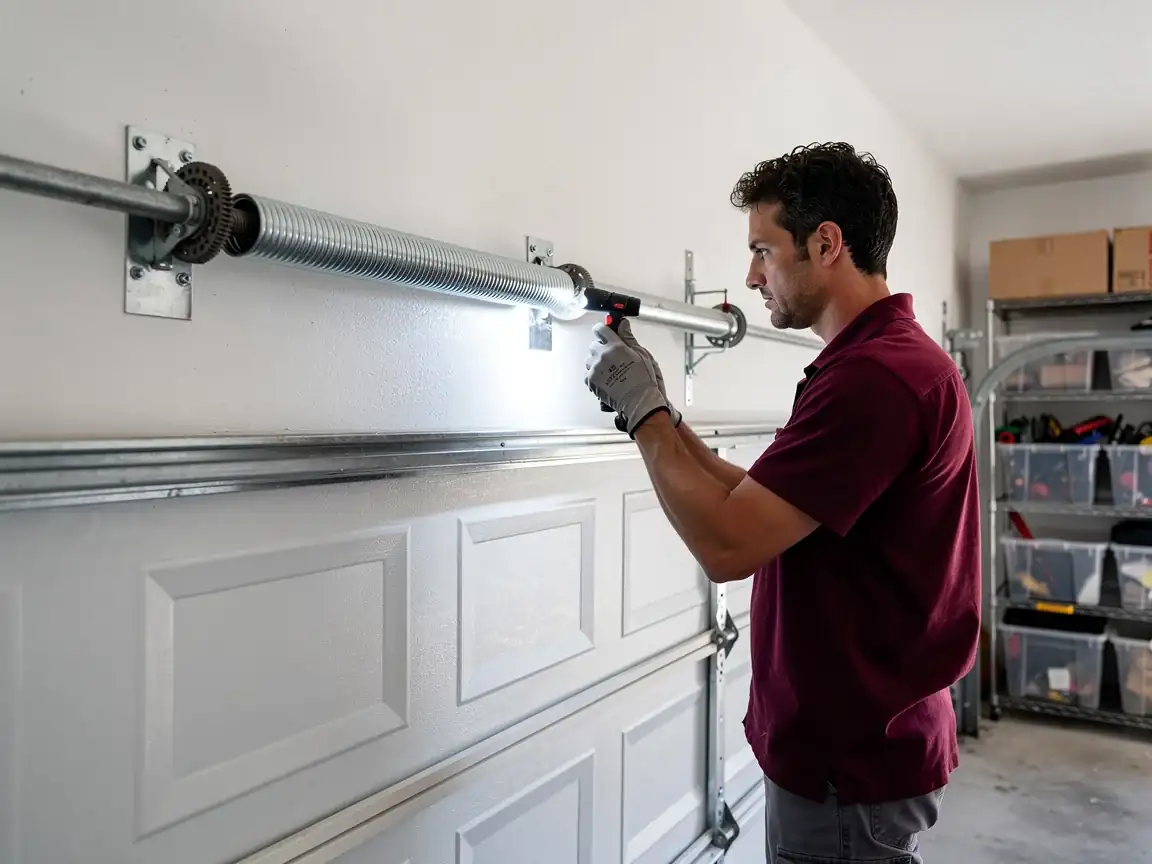
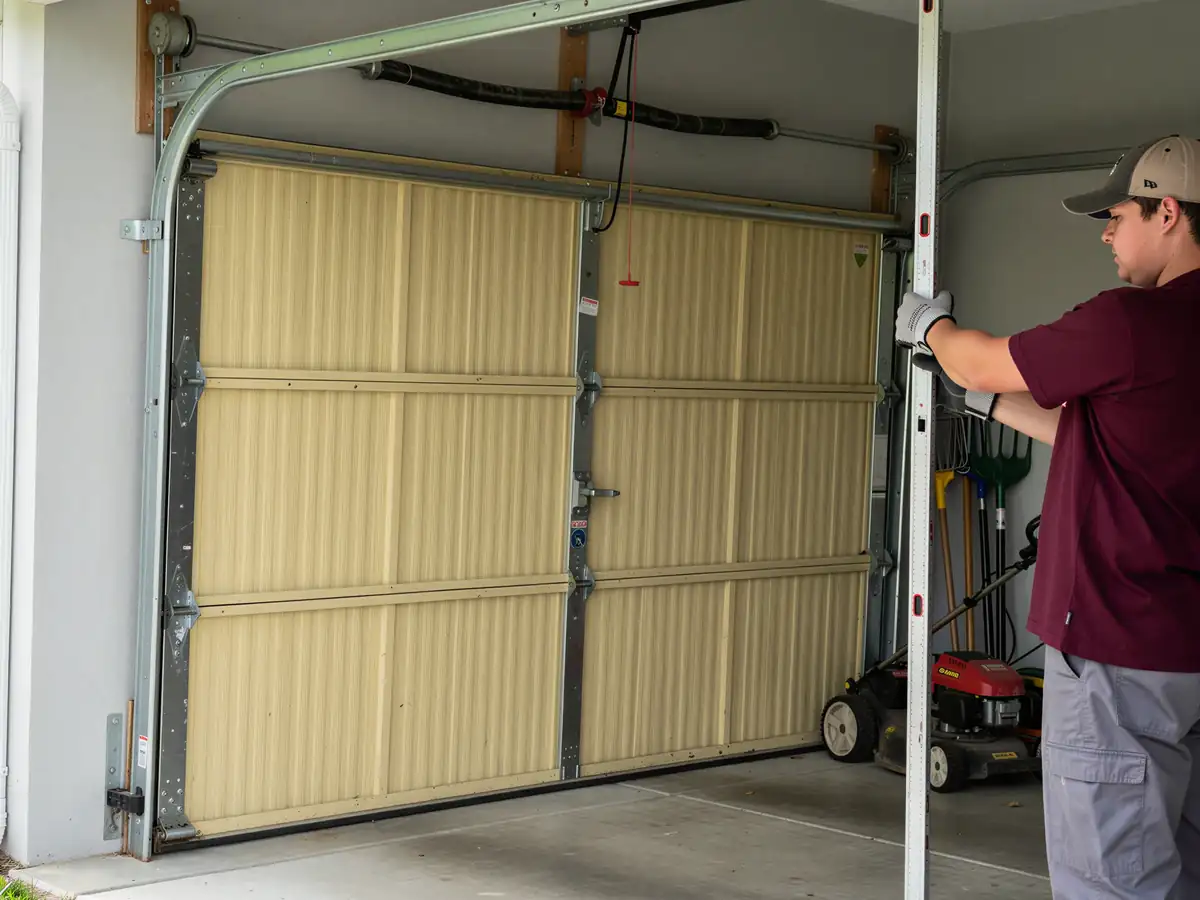
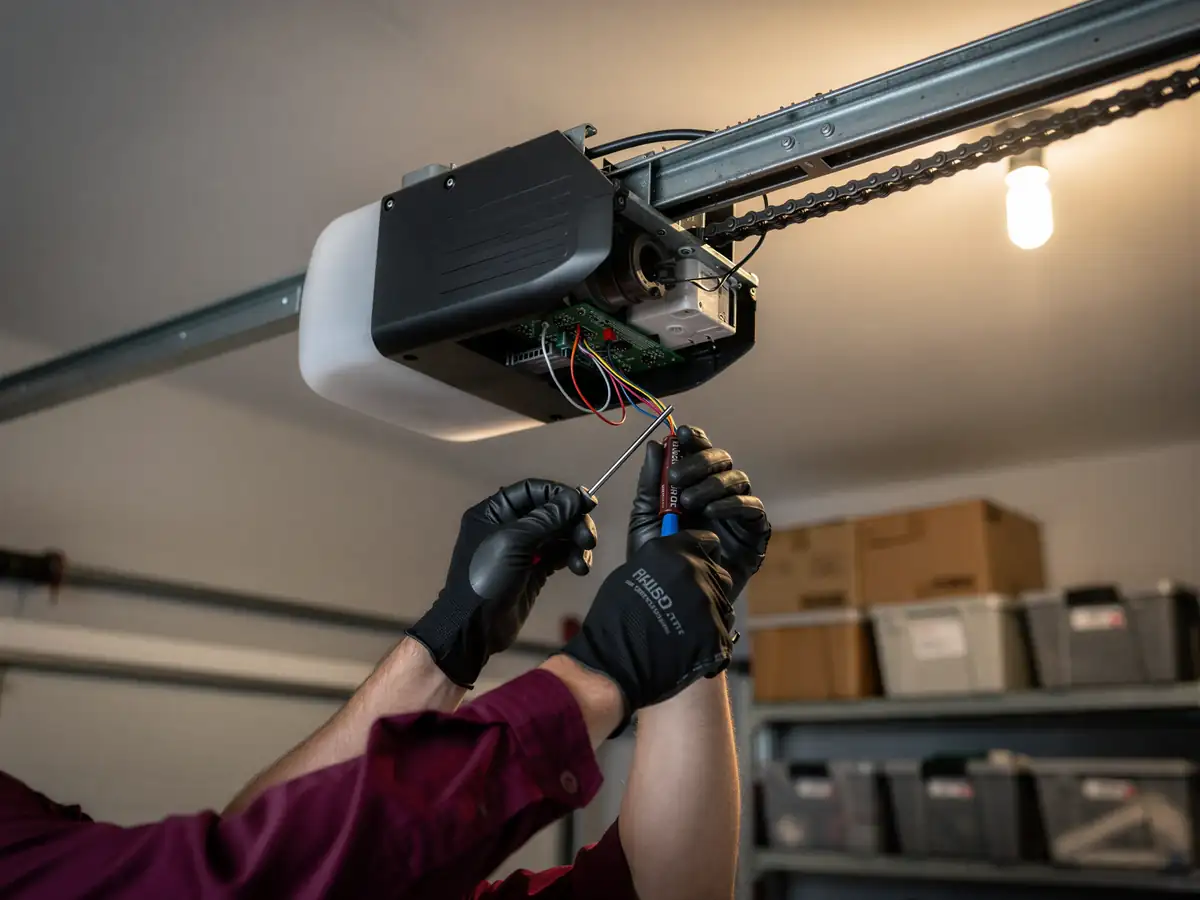
A straight opener repair - sensor, gear kit, belt, or board - doesn't require touching the door's spring system, so it's a contained job with a clear stopping point. Where it gets bigger is when the opener's original to an early-1990s build and the drive rail, trolley, and motor housing are a matched set that no longer has a replacement gear kit on the market. At that point we're honest that a repair isn't the better move - full opener replacement, matched to the household's door weight and headroom, usually costs less over time than hunting discontinued parts. We don't stock every legacy part on the truck for every era of opener; if yours is one we don't carry, we'll say so rather than string along a visit.