
Blog
What a Service Call Actually Covers in Blaine
A service call in Blaine, MN checks the parts most likely to fail on 1957-2003 era doors in our cold climate: springs, rollers, cables, and track alignment.
What Changes With the Season
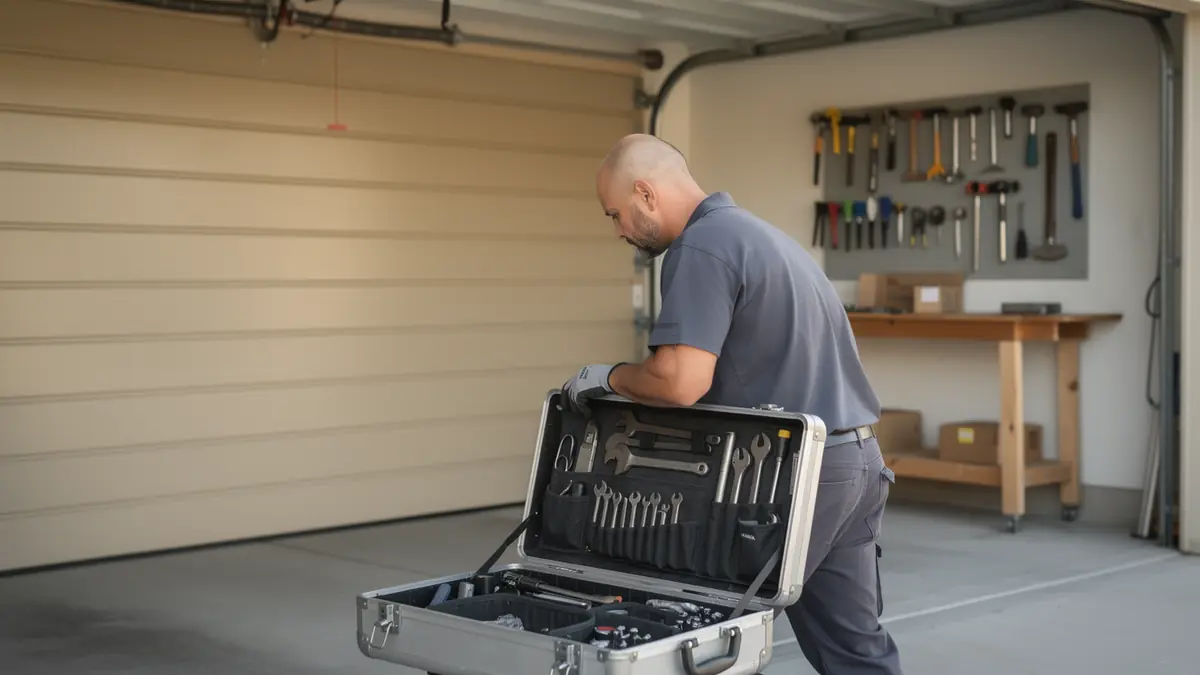
Most houses in this part of the metro went up between 1957 and 2003, with the bulk of the stock dating to the 1980s and 90s. That means a lot of steel sectional doors on torsion springs that are now old enough to have seen thirty-plus winters. Steel contracts in the cold and expands in the heat, and a spring wound to the right tension in July can feel noticeably different by January. On a service call we check spring tension against the door weight and the season, not just against the manufacturer's original spec sheet from whenever it was installed.
We also look at the weatherstripping along the bottom panel and the sides. On doors from the 80s and 90s vintage common in this area, that strip is usually the original rubber, brittle and cracked by now, and it is the first thing that lets cold air and meltwater into the garage. If your opener is original to a house from that era, the gear inside the unit is also past its expected life, and we flag that even if it is still running, because a gear failure in the middle of a cold stretch is a worse time to deal with it than now.
When to Call Someone
Call before the door fails completely, not after. A door that is slow to open, that sags on one side, or that makes a grinding sound on the way down is telling you something specific, and on a house from the 1980s or 90s stock common here, it is usually a spring losing tension, a roller wearing out of round, or a cable starting to fray at the drum. None of those get better on their own.
A door that reverses right after it touches the floor, or that will not close at all, is a safety sensor or a limit switch issue, and that is worth a same-visit look rather than letting someone keep forcing the remote.
One honest limit: if the opener is long out of production, we sometimes cannot get the exact replacement gear kit or circuit board on short notice, and the straight answer is to replace the opener rather than chase a part. We will tell you that up front instead of running the clock on a repair that will not hold.
What the Weather Here Does to It
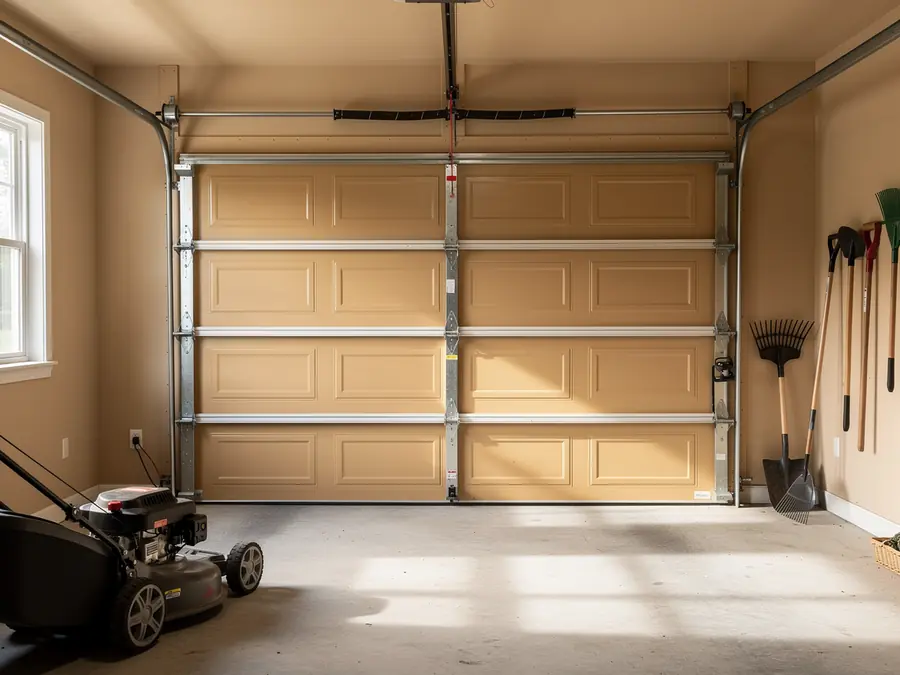
This area sits in a cold, severe climate band, and that is the single biggest factor in what breaks on a garage door here. Overnight temperature swings put the most stress on torsion springs and on the steel track, which narrows slightly in deep cold and can throw rollers out of alignment. Ice buildup at the bottom seal is routine on doors with the original weatherstripping from a 1980s or 90s build, and once that seal is compromised, meltwater gets under the bottom panel and starts rust at the seam.
Openers also take a hit. The drive gear and the capacitor in older openers are rated for a working temperature range, and repeated cold starts below that range wear them faster than the same unit would wear in a milder climate. On a service call we check the track alignment, the spring tension, and the seal condition together, because in this climate they tend to fail as a set rather than one at a time.
What Is Going On
A service call starts with the door itself: we run it by hand disengaged from the opener to feel where the resistance actually is, since on houses from the 1957-2003 stock common across this service area, the door and the opener often have different ages and different problems. Then we check spring tension, track alignment, roller condition, and cable wear, in that order, because each one masks symptoms of the next if you check them out of sequence.
With median household income in this area around $100,000 and a lot of owner-occupied houses, most of what we see is people choosing to fix a working door properly rather than let it limp along, and that is usually the right call on a door from this era, since parts and labor now cost less than letting a spring or cable fail outright. We give you the actual part that failed and what it costs to fix, and if the door is old enough that replacement makes more sense than a third repair, we say that instead of billing another service call.
Services
Garage door services in Blaine
- 01
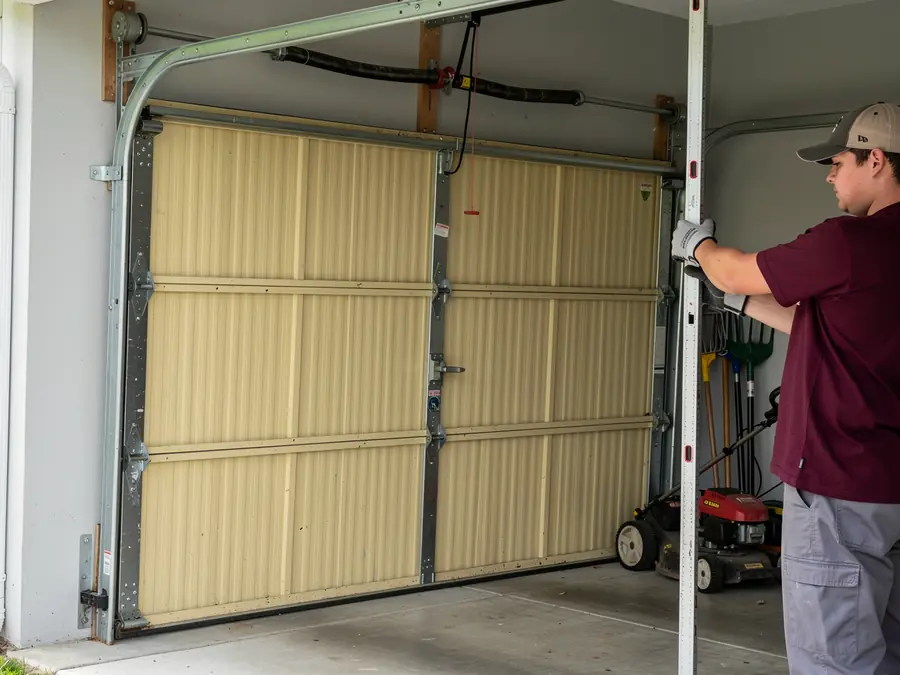 Garage Door RepairBlaine's 1980s-90s housing and severe winters often strain torsion springs and openers. Blaine Garage Door Pros repairs springs, cables, and openers fast.
- 02
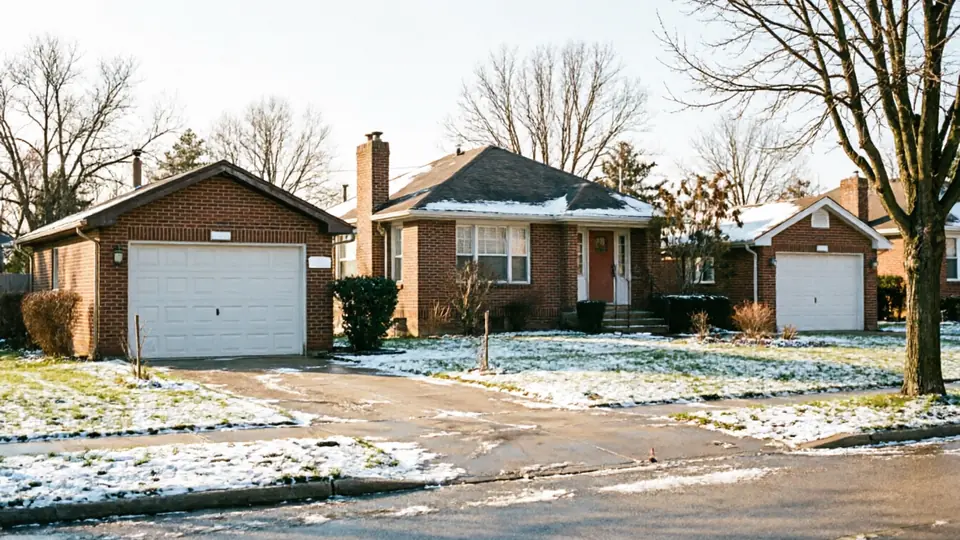 Garage Door InstallationNew garage door installation in Blaine, MN for homes built 1957-2003, sized and insulated for our severe winters and matched to original rough openings here.
- 03
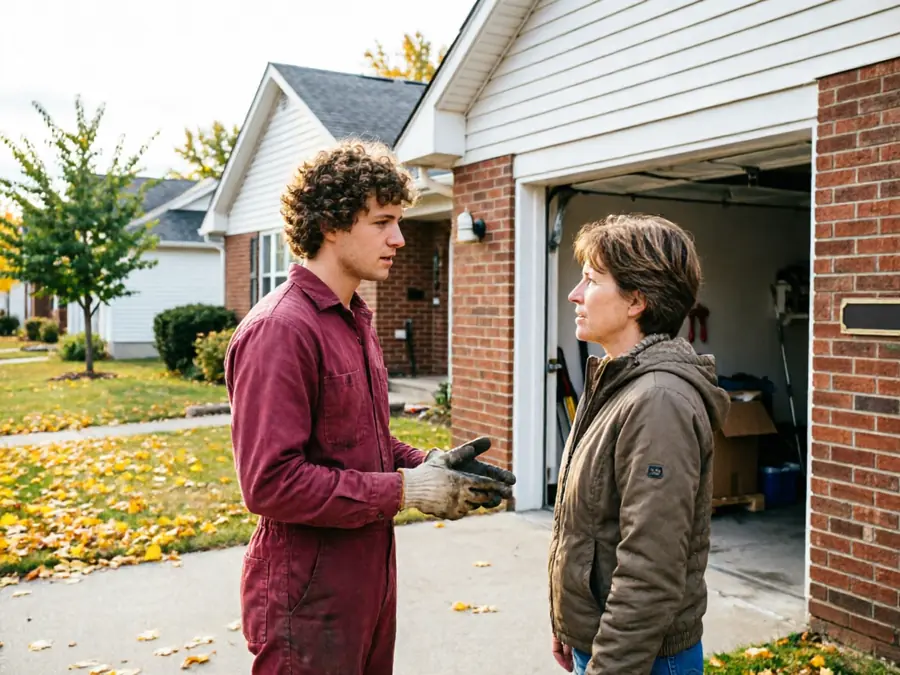 Garage Door ServiceBlaine's housing stock dates mostly to the 1980s and 90s, and cold winters push springs and openers hard. Blaine Garage Door Pros handles repair and tune-ups.
- 04
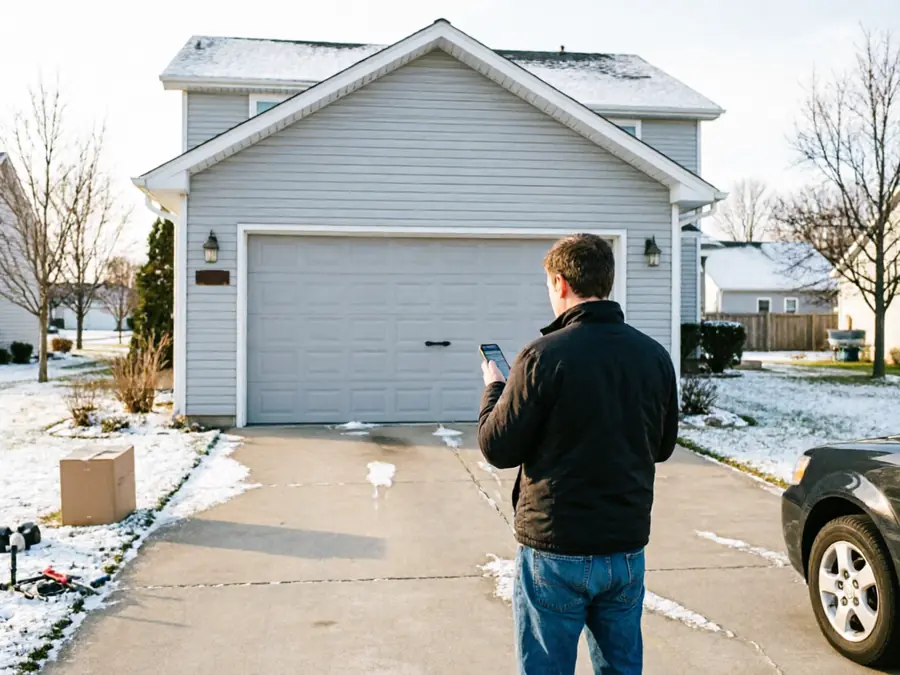 Opener RepairOpener acting up in cold weather or on an older Blaine house? We fix dead openers, grinding gears, and remote failures across the Blaine service area.
- 05
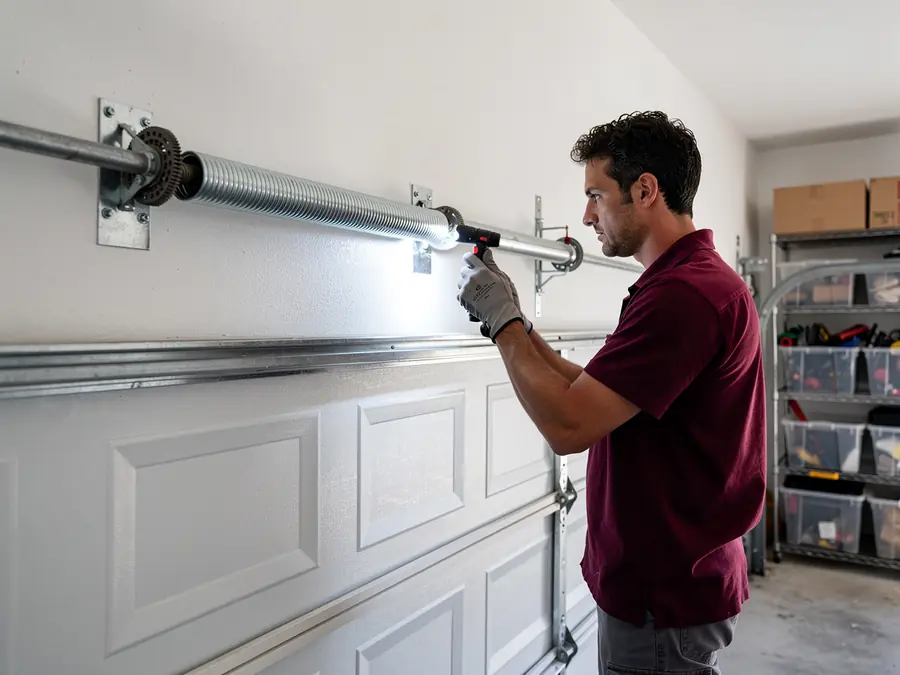 Spring RepairTorsion and extension spring repair for Blaine-area homes built 1957-2003, where cold winters and original hardware push springs past their rated cycles.
- 06
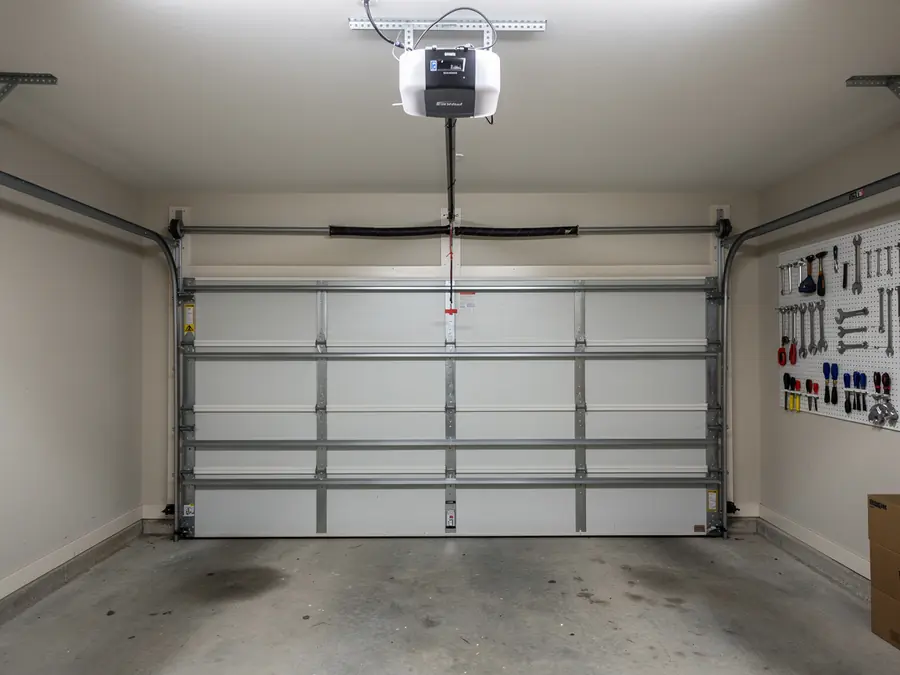 Off-Track RepairBlaine-area homes built mostly from 1957 to 2003 run tracks that shift with severe cold winters. We find and fix off-track doors across Blaine, Circle Pines.
- 07
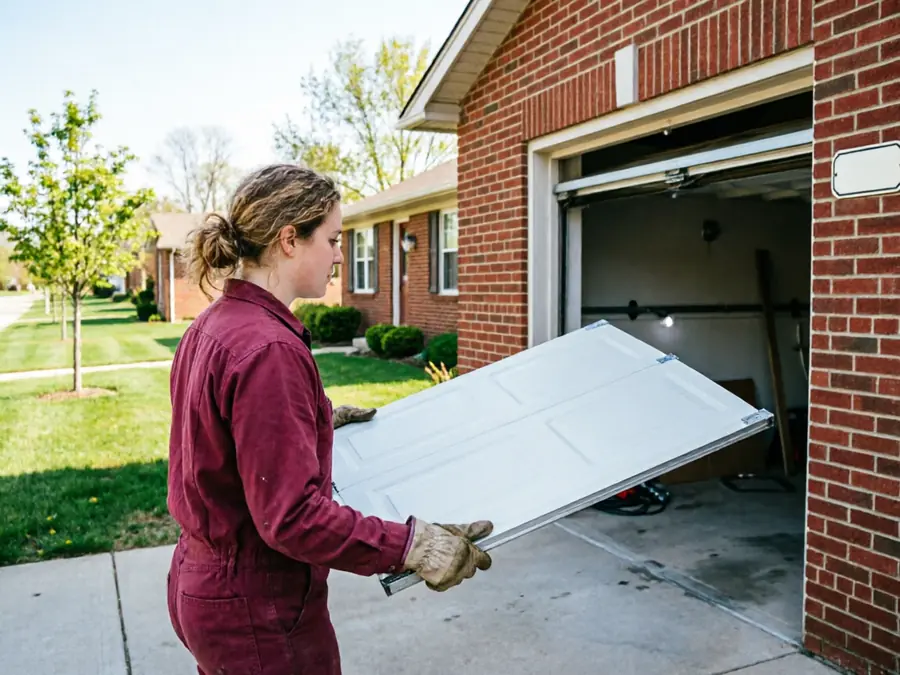 Panel ReplacementPanel replacement for Blaine homes built mostly in the 1980s and 90s, where steel sections crack and bow under hard winters. One dented or rusted panel, replaced without a full new door.
- 08
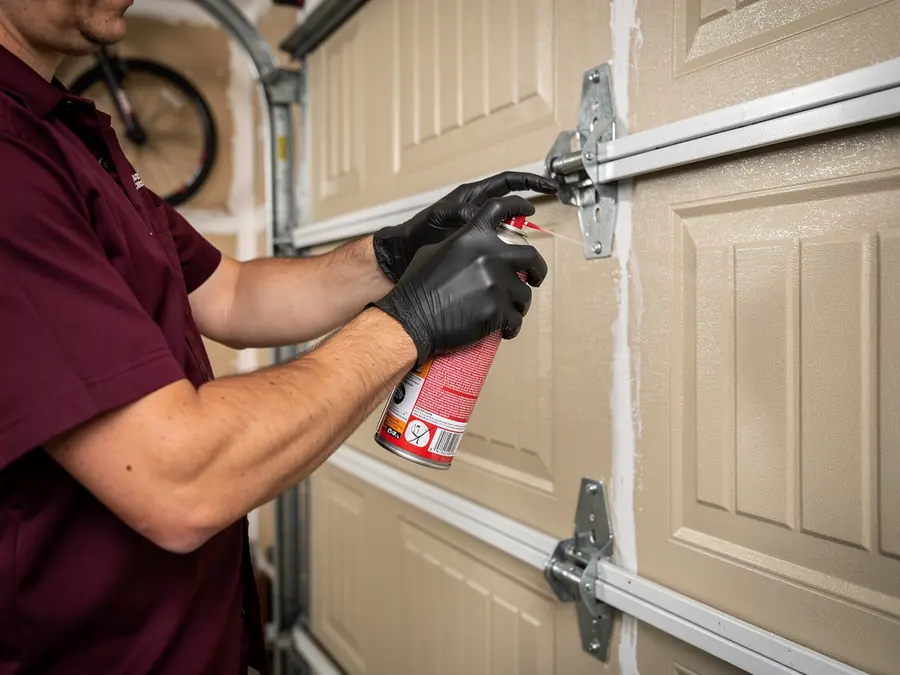 MaintenanceGarage door maintenance in Blaine, MN for homes built 1957-2003, tuned for Minnesota's severe cold winters and the area's aging springs, rollers, and tracks.
FAQ
Questions about this
How often should I have my garage door serviced in Blaine?
If your door and opener are from the 1980s or 90s build common in this area, once a year before the cold sets in is reasonable, mainly to check spring tension and the bottom seal before winter stresses them. Newer installs can usually go longer between checks.
Why does my door act differently in winter than summer?
This area sits in a cold, severe climate band, and steel doors and torsion springs respond to that temperature swing. A spring set correctly in summer heat can feel tighter or looser once the cold hits, which is why winter is when a lot of marginal springs finally let go.
Is it worth repairing an old opener or should I replace it?
Depends on the unit. If it is original to a house built in the 1957-2003 range and the gear kit or board for that model is no longer easy to source, replacement usually makes more sense than chasing a repair that will not hold.
Tell us what your door is doing.
We serve Blaine, MN and nearby communities. Every job starts with a diagnosis, so you know what failed before any work begins.