How It Shows Up
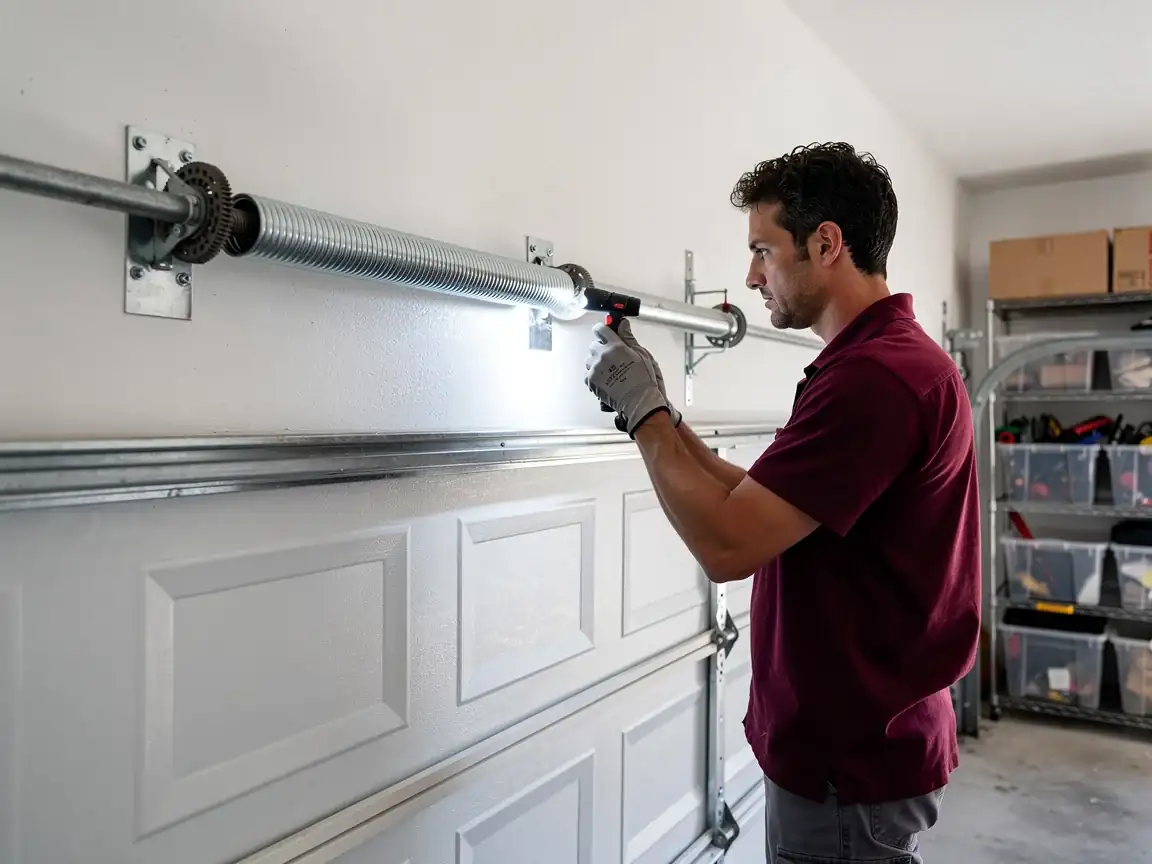
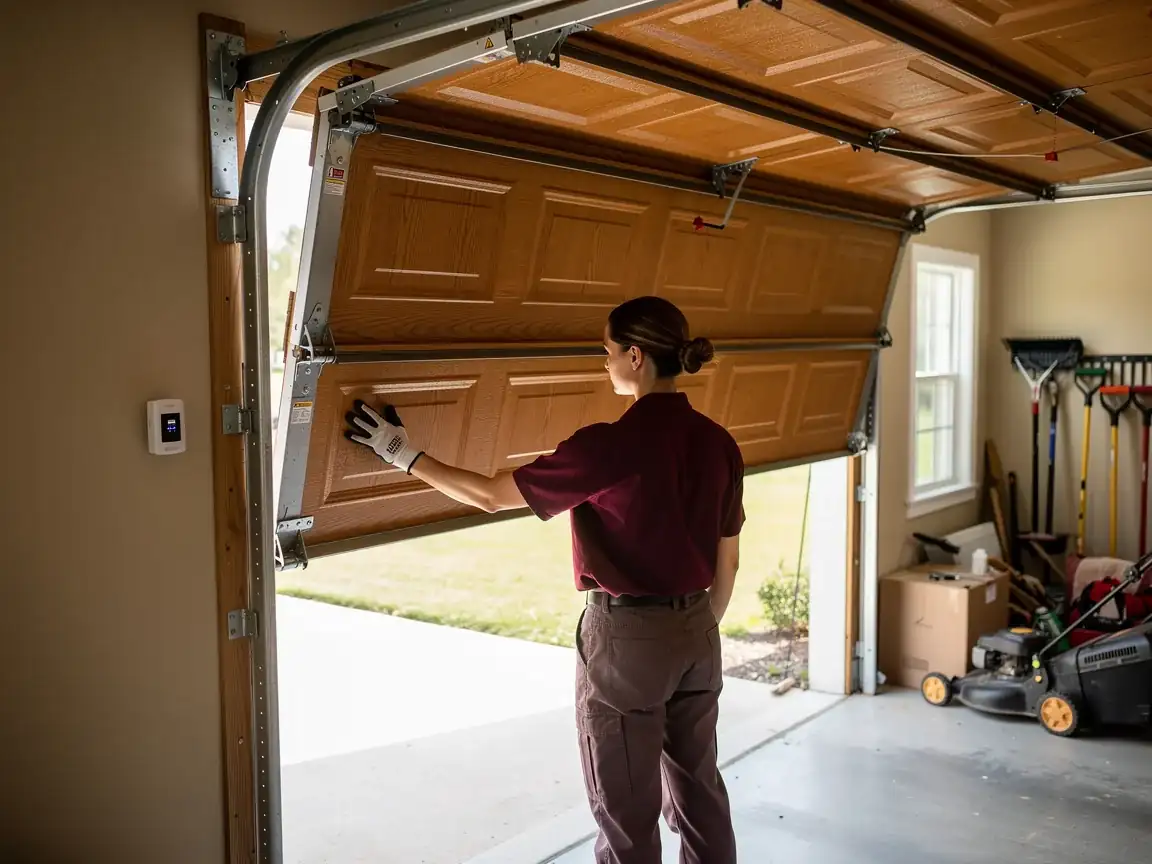
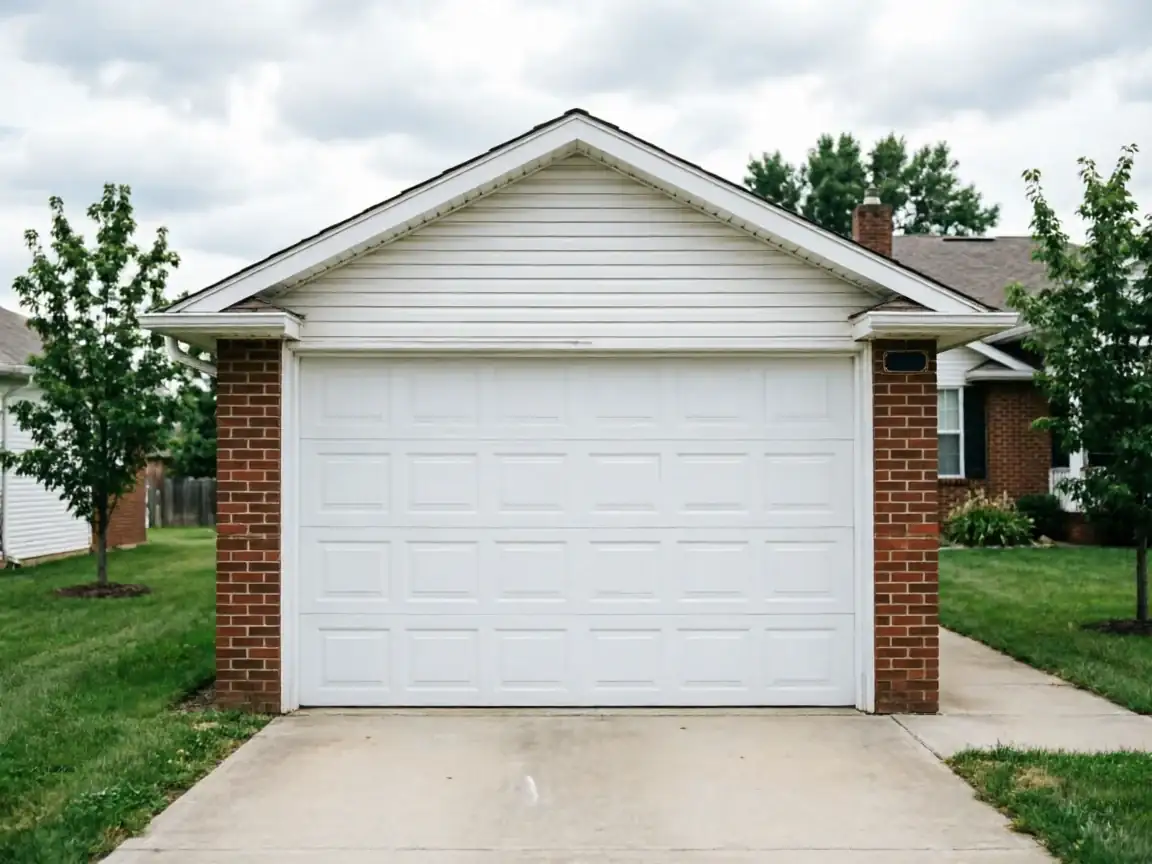
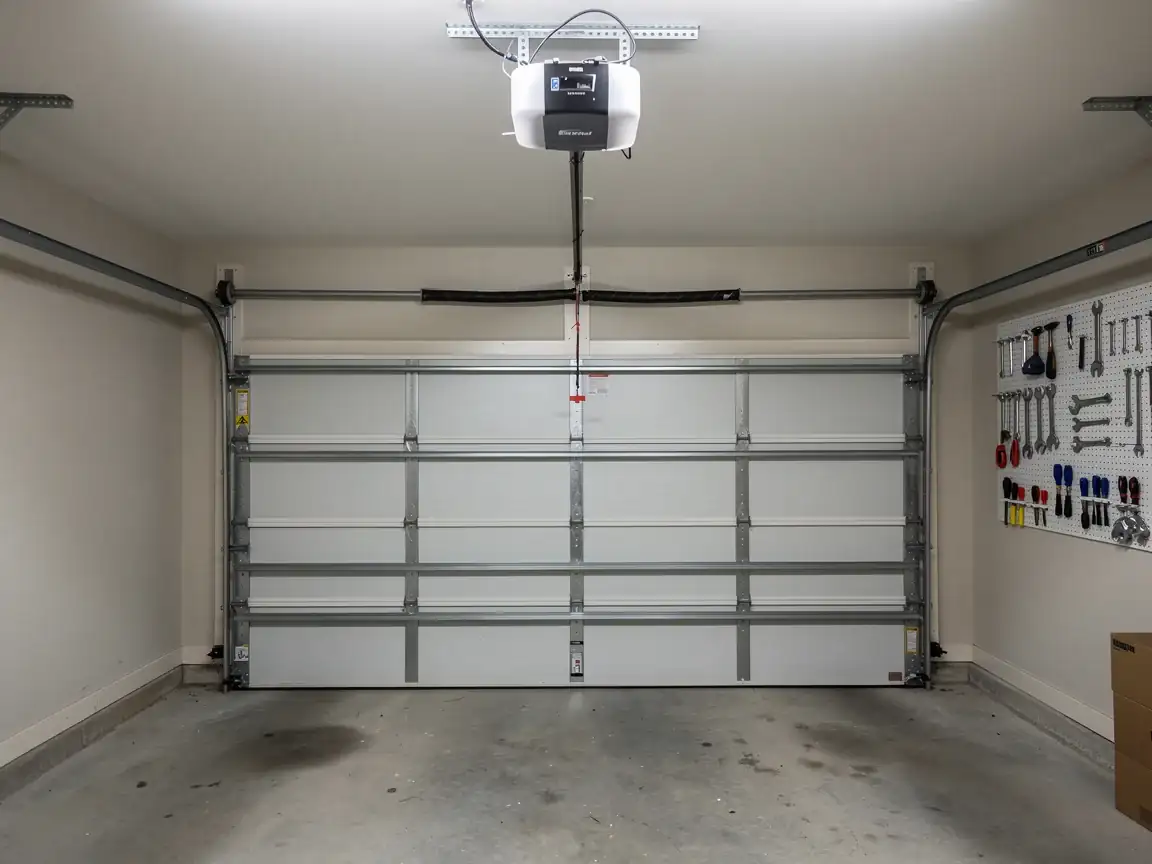
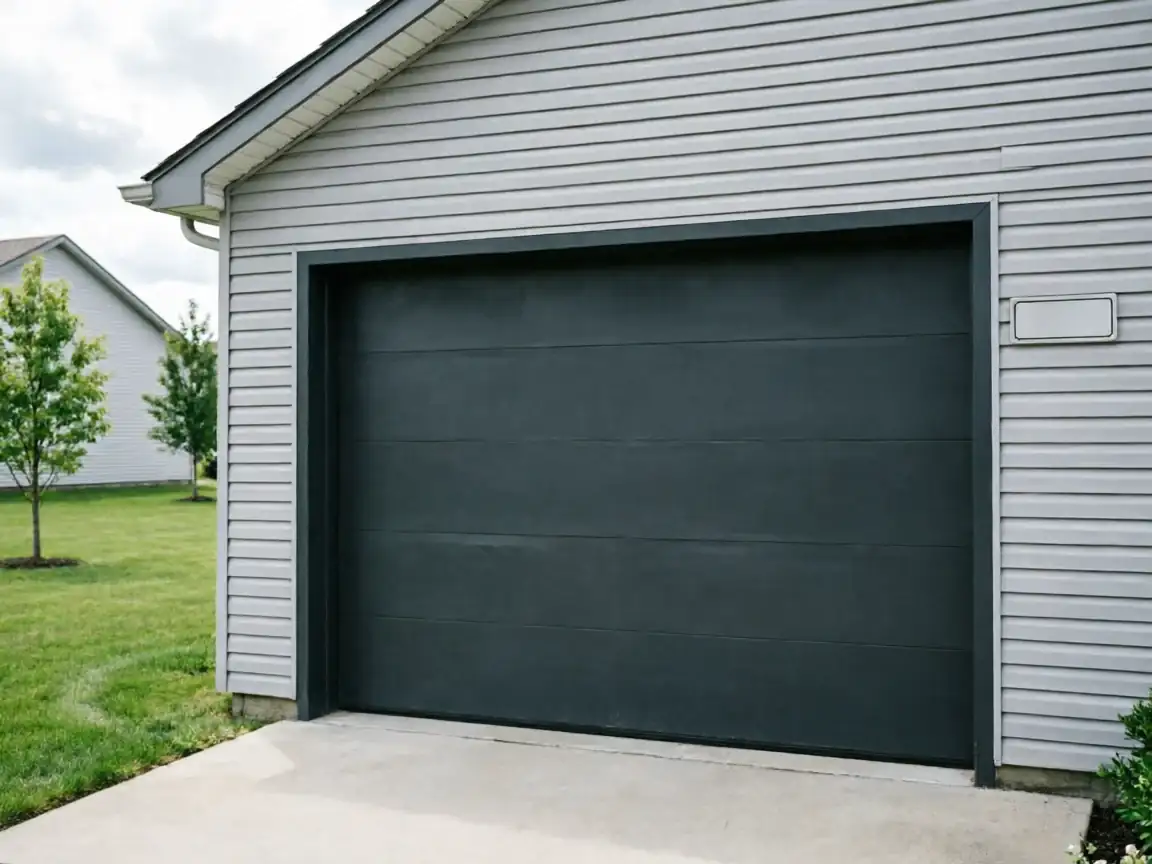
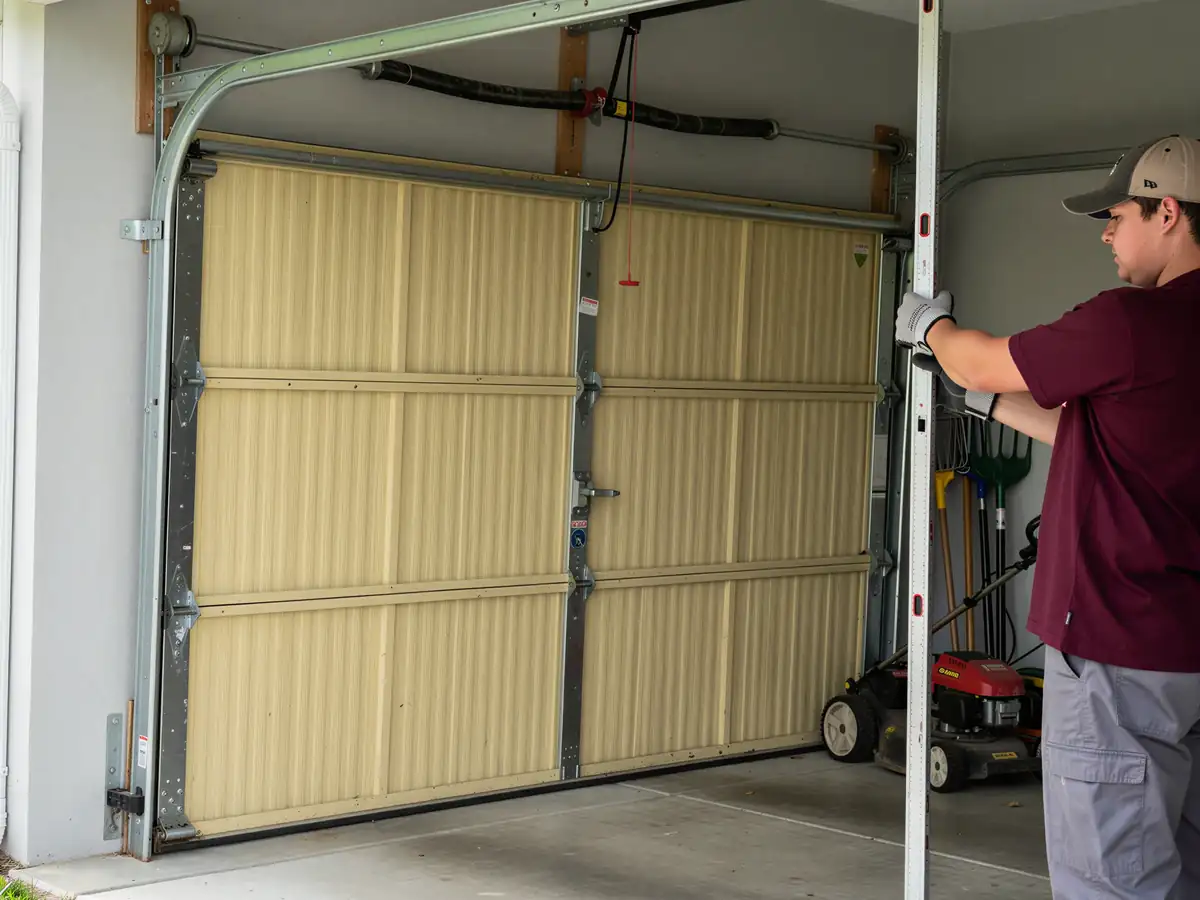
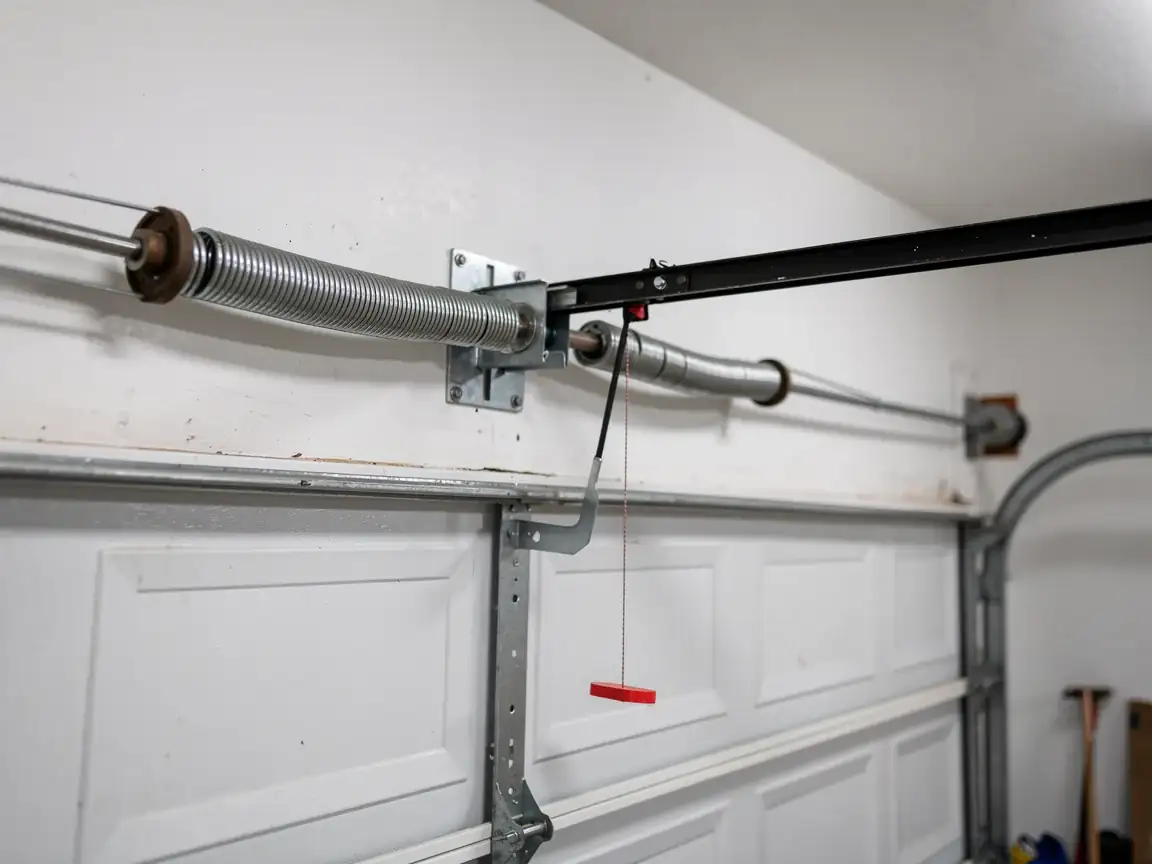
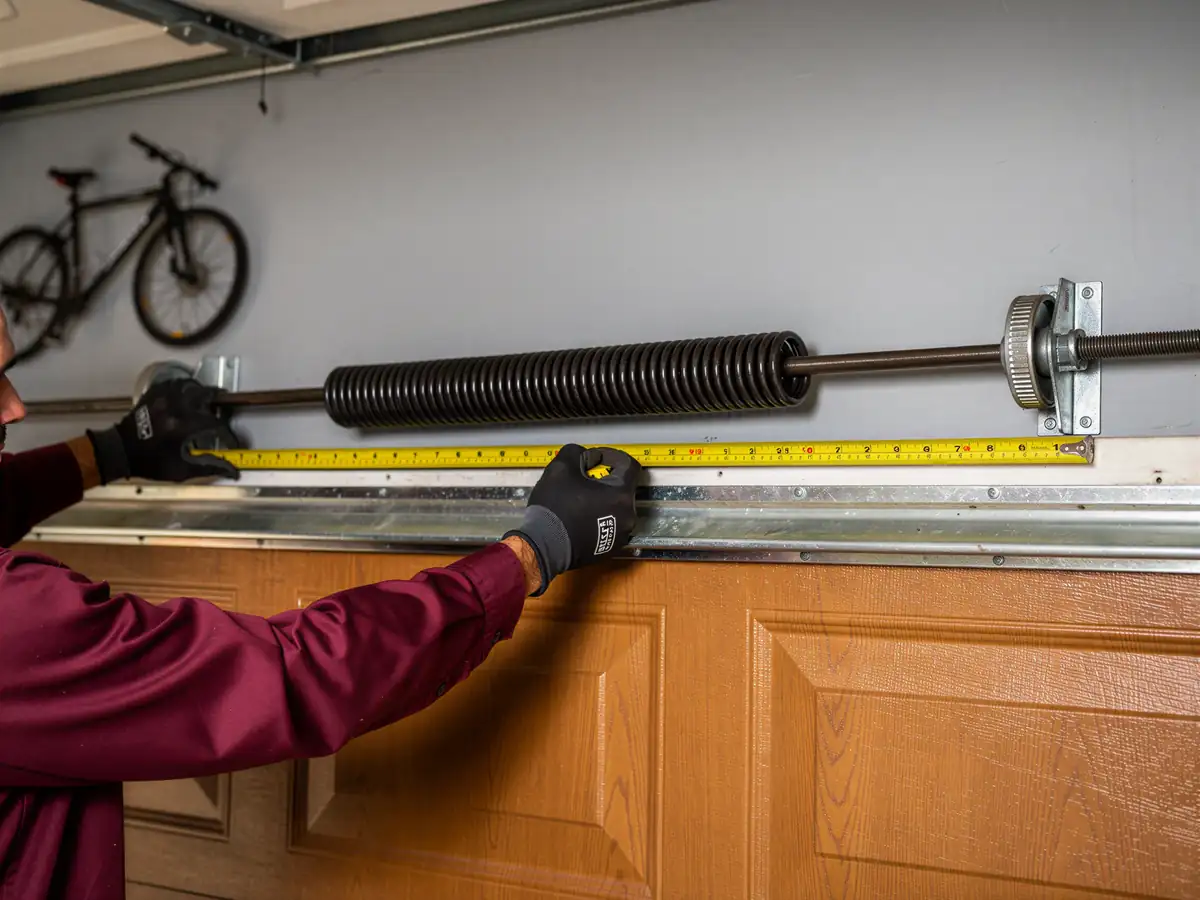
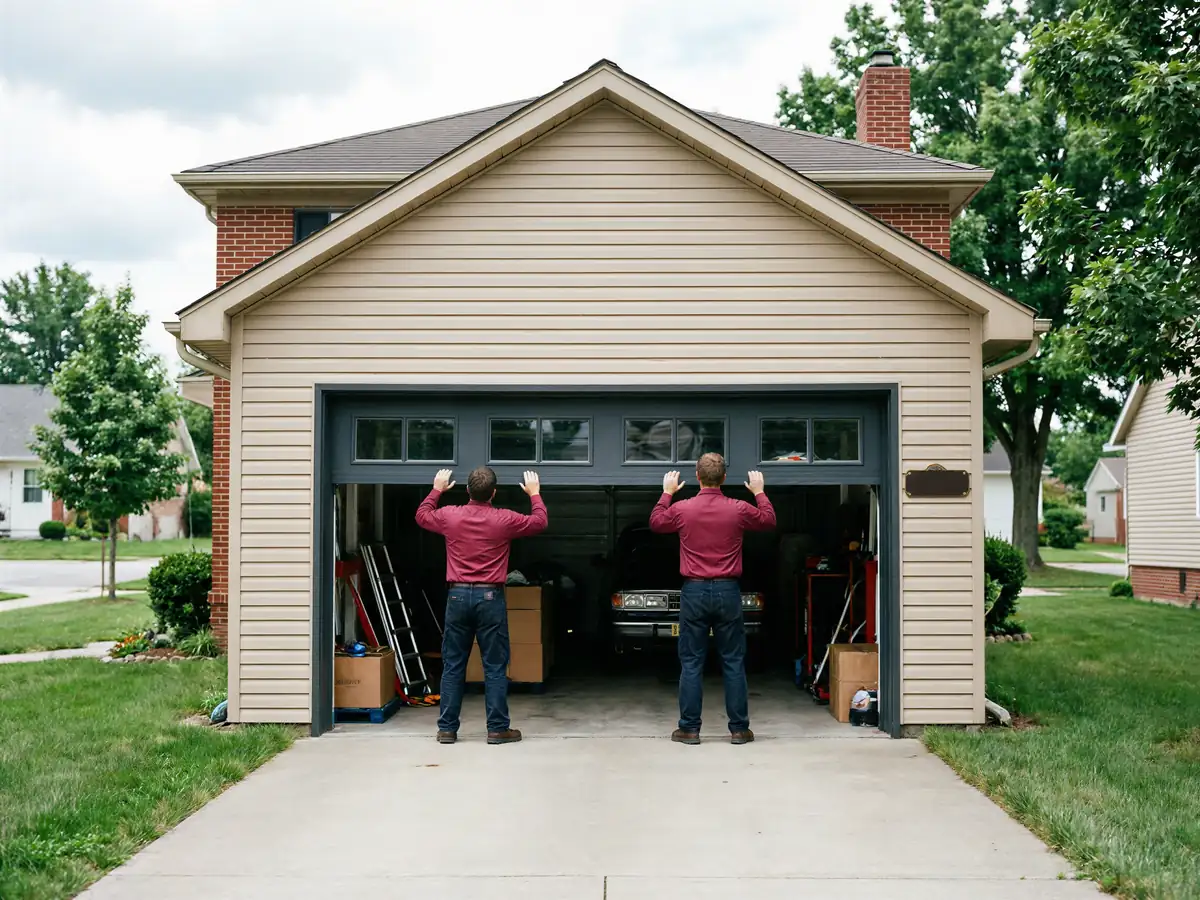
Across the area we cover out of Blaine, the typical house went up somewhere between 1957 and 2003, with the middle of that range landing around 1980. St. Louis Park skews older than that. The median year built here is 1965, which means a lot of these garages were framed before steel sectional doors with torsion bar hardware became the standard setup. What you often find instead is an older wood or early steel door hung on extension springs that run along the horizontal track rather than a torsion bar over the opening. That's not wrong, it's just a different system, and it changes what "installation" means here. In a lot of cases this isn't a straight swap of door-for-door. The opening might be a non-standard width for today's pre-hung panel sizes, the track run might be shorter than current code calls for, or the header above the opening wasn't built with a heavier insulated door's weight in mind. None of that is a dealbreaker. It just means the first part of the visit is measuring and checking the frame, not picking a color.
Booking a Visit
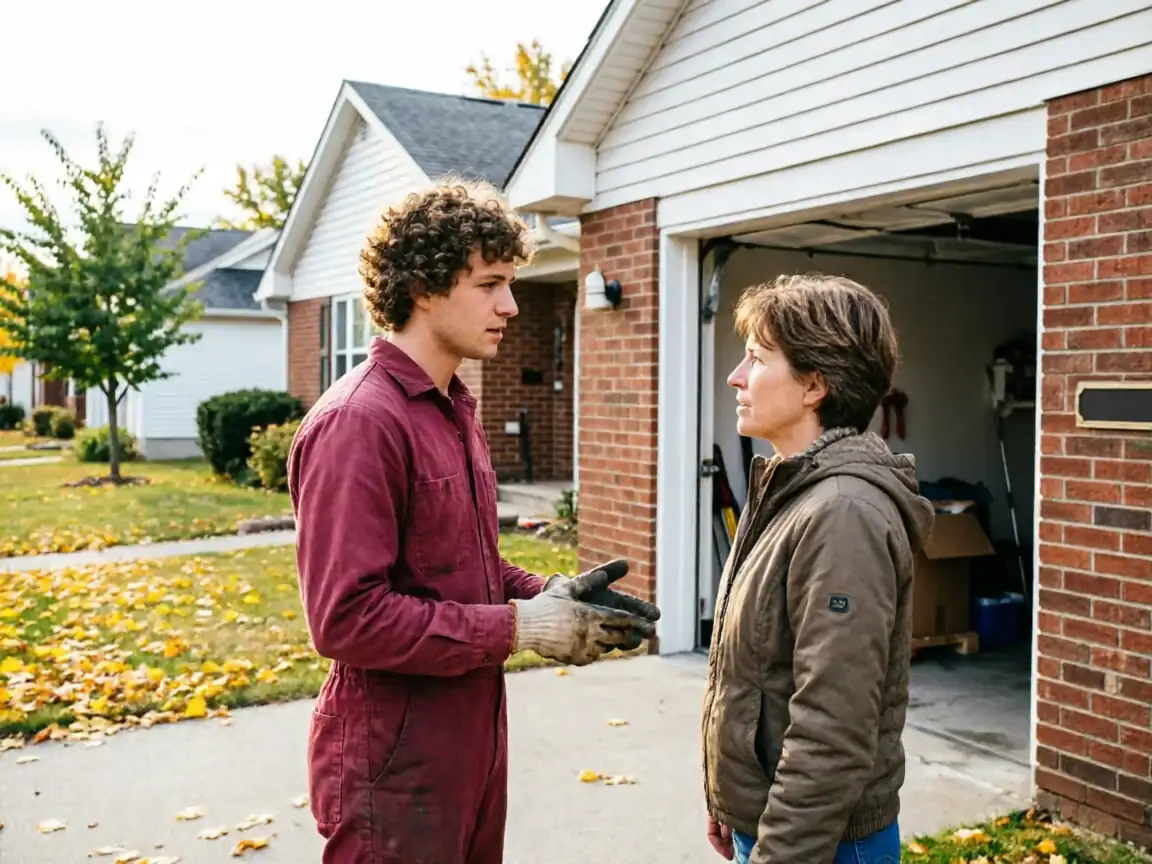
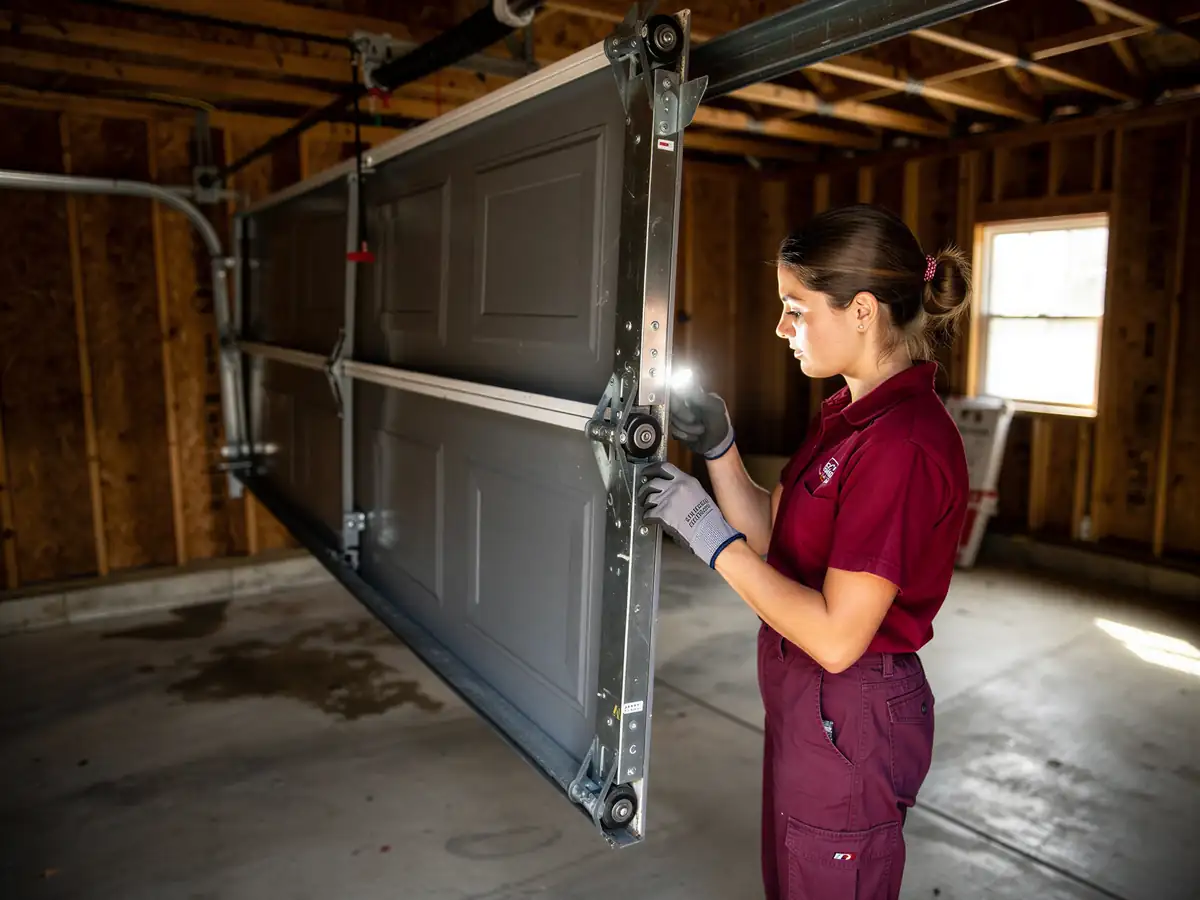
We run out of Blaine, and St. Louis Park is about 17 miles from the shop, so a visit here gets scheduled as a route stop rather than a same-block drop-in. That's not a knock on the town - it just means we plan the day around it instead of treating it as a walk-up job. When you call, have the rough opening width and the door's current age handy if you know it; on a house from the 1965 era that one detail tells us more about what hardware we're dealing with than almost anything else you could describe over the phone. We'll walk the opening, check the header and track clearance, and give you options and a number before anything gets ordered.
What Can Go Wrong
The climate band here runs cold and severe, same as the rest of the service area, and that matters more on an older opening. A header that was framed tight to a smaller 1960s-era door doesn't always leave room for the thicker weatherstripping and insulated panel thickness that hold up through a Minnesota winter. We've seen installs where the new door fits the opening but the stop molding has to be rebuilt to actually seal it. Extension-spring systems on older openings also tend to have the pulley and cable routed differently than a modern torsion setup, and if that hardware gets reused instead of replaced to save a few dollars, it's usually the first thing to fail. Our honest limitation: if the framing needs real carpentry - not just trim, but structural header work - that's outside a standard install, and we'll say so rather than force a door into an opening it doesn't fit.