How It Shows Up
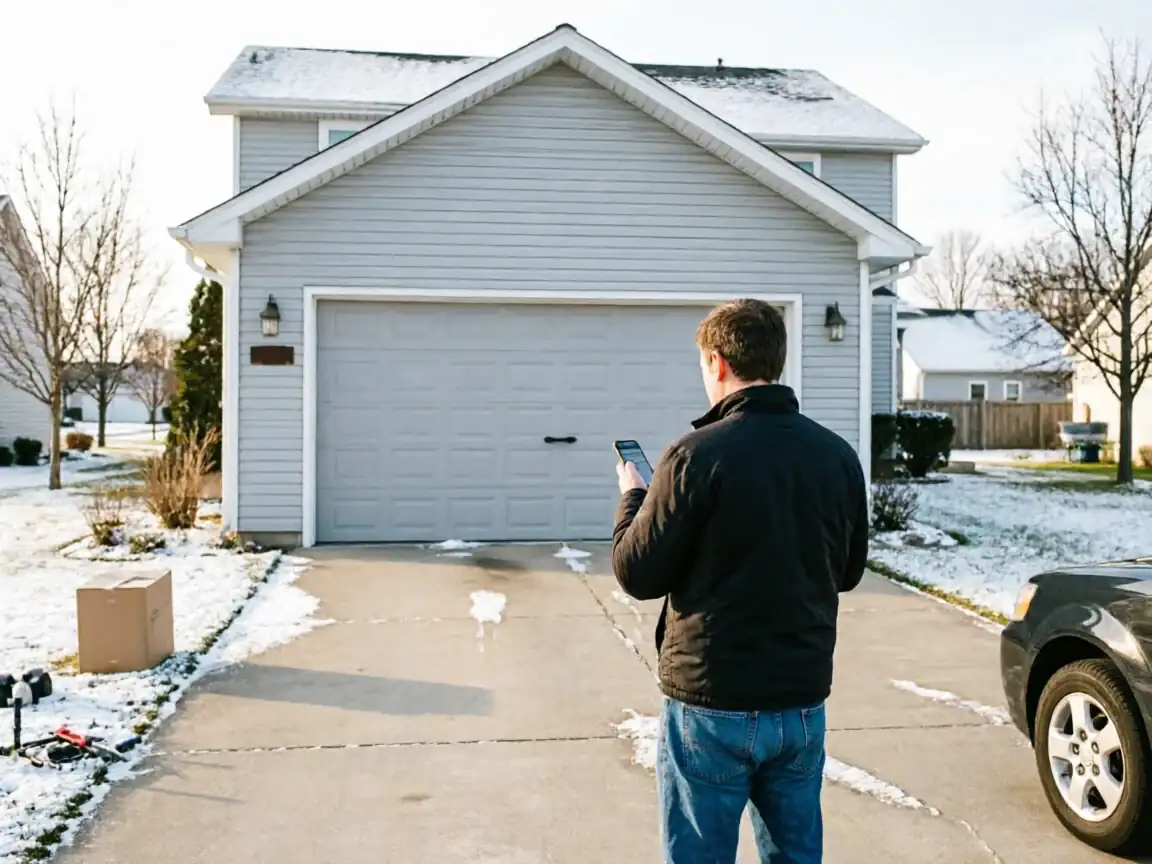
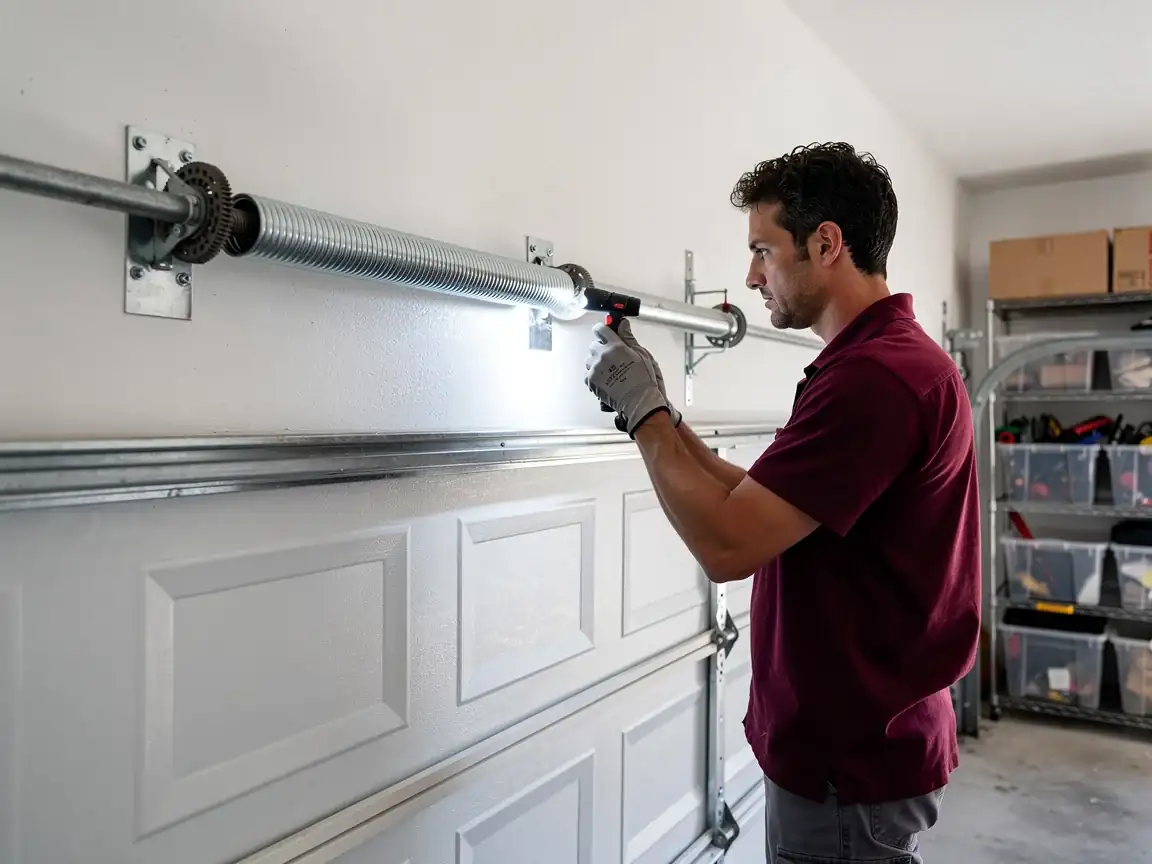
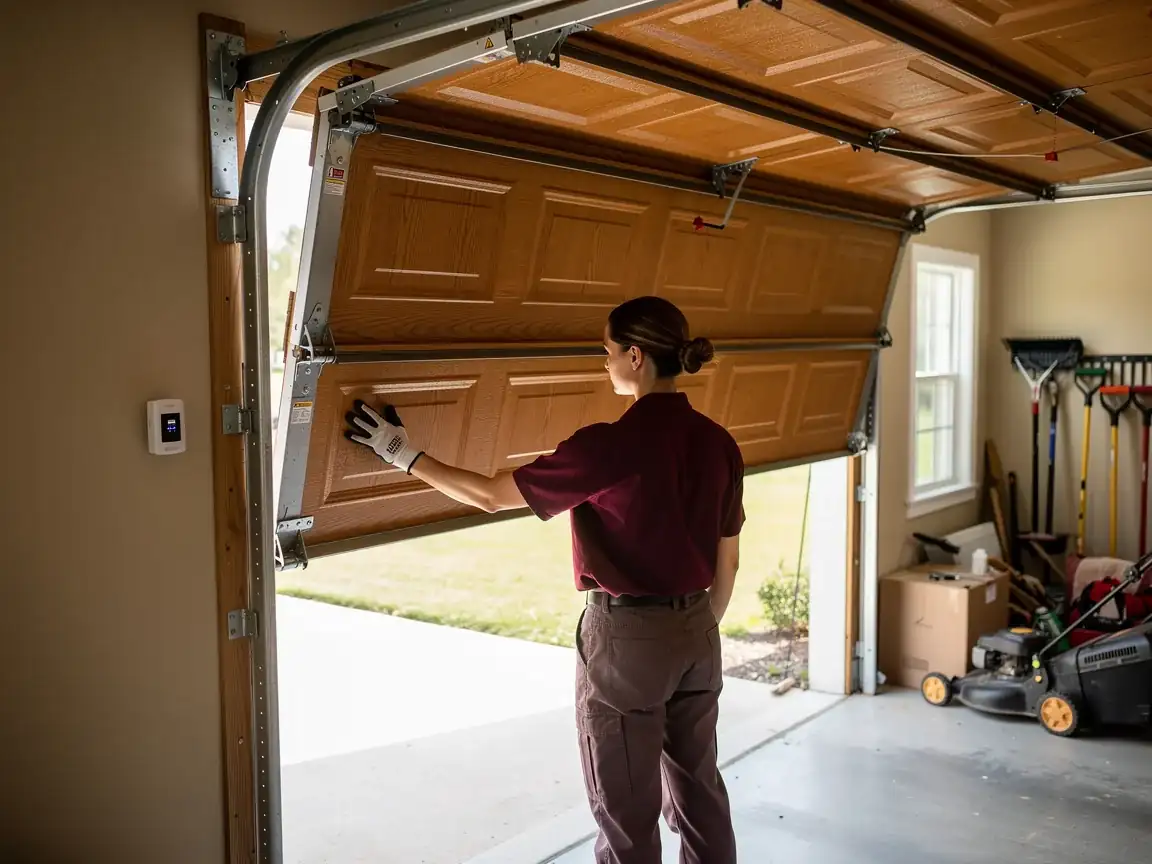
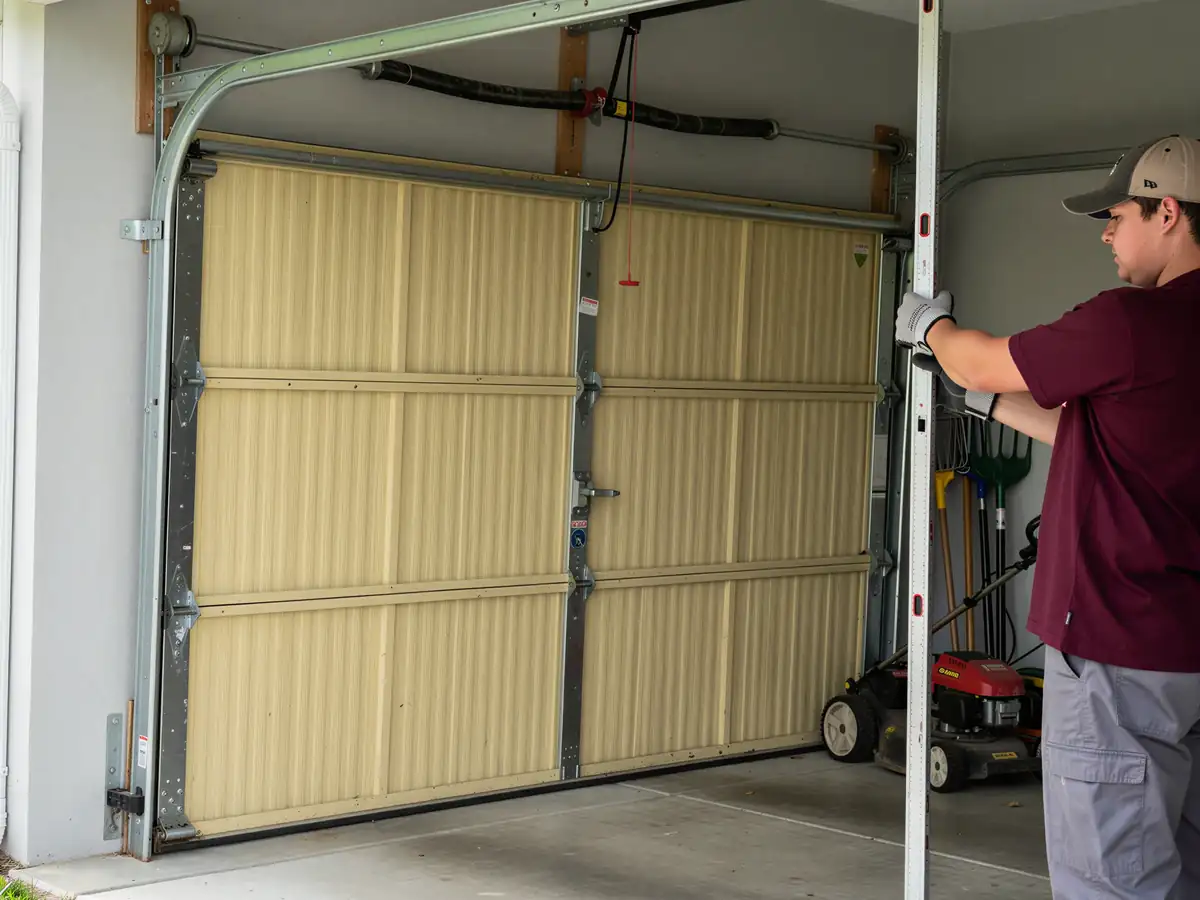
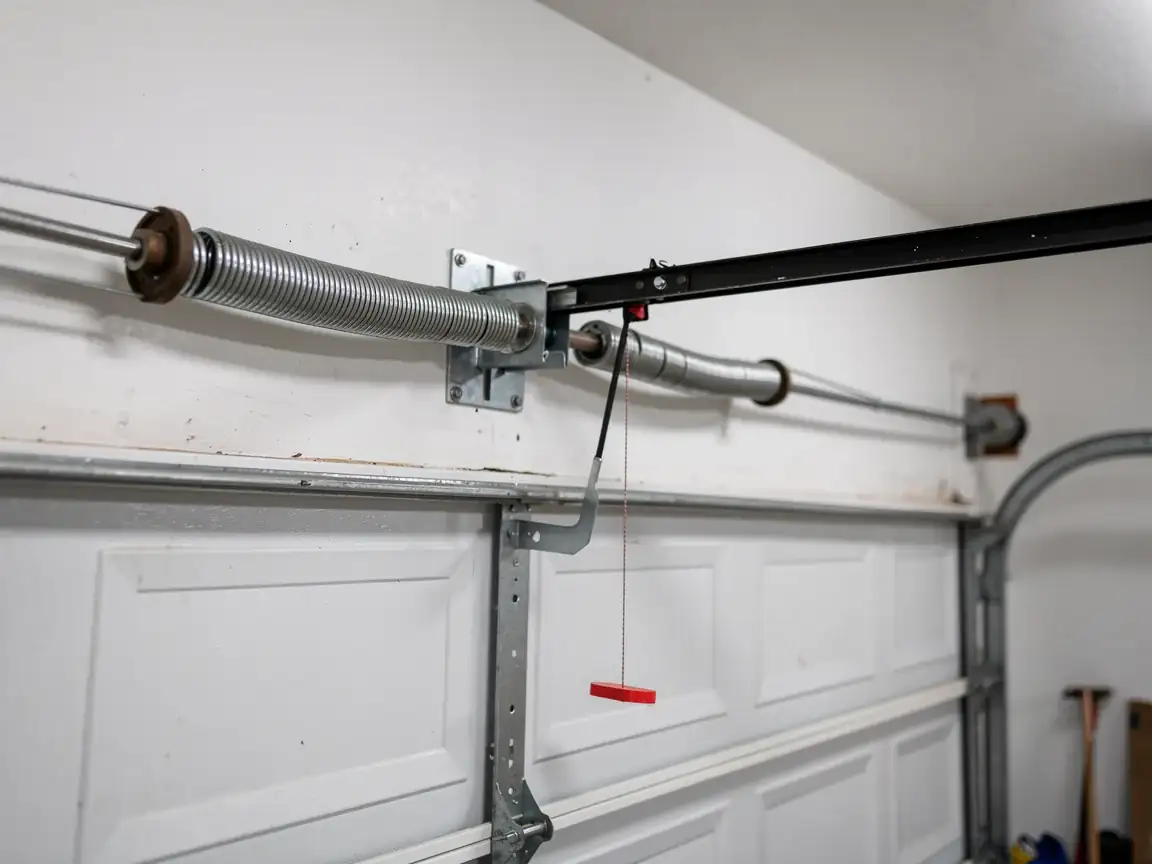
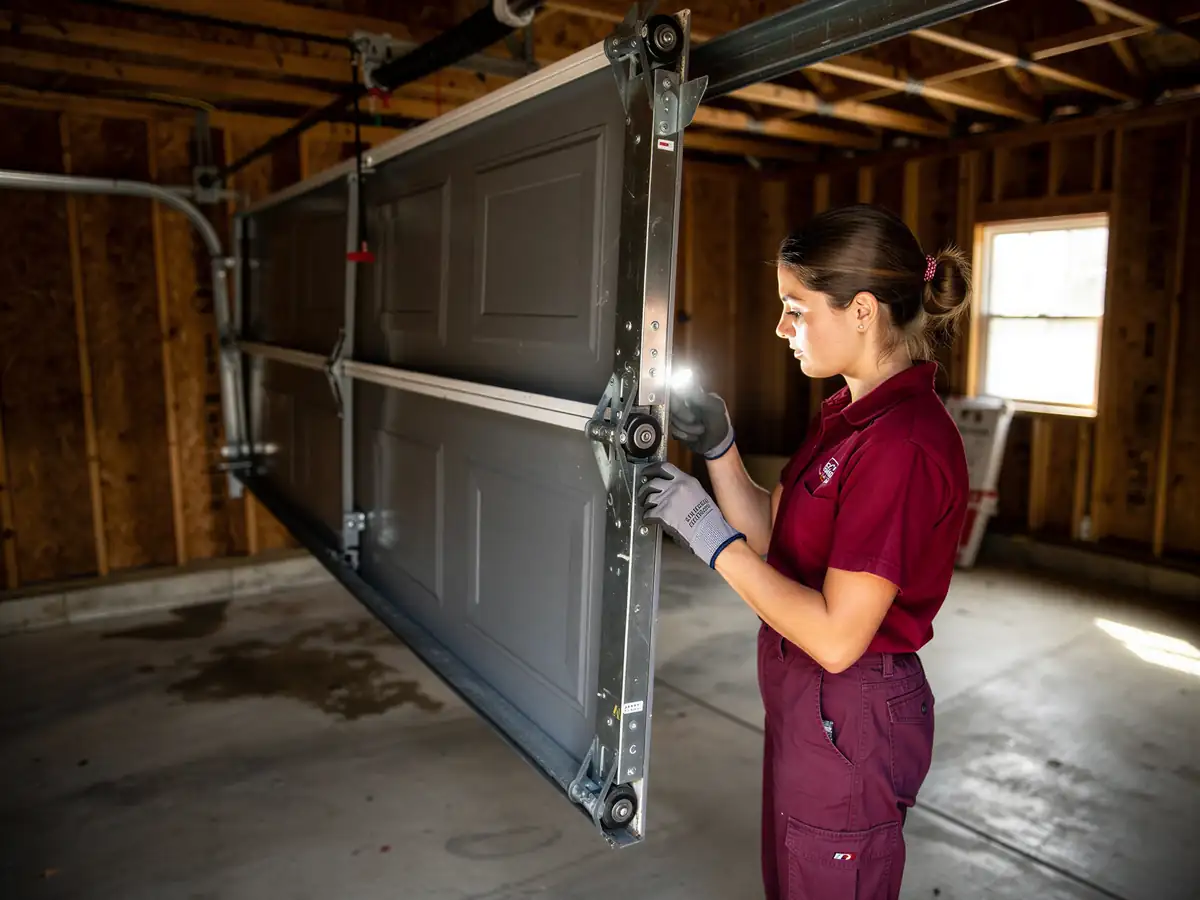
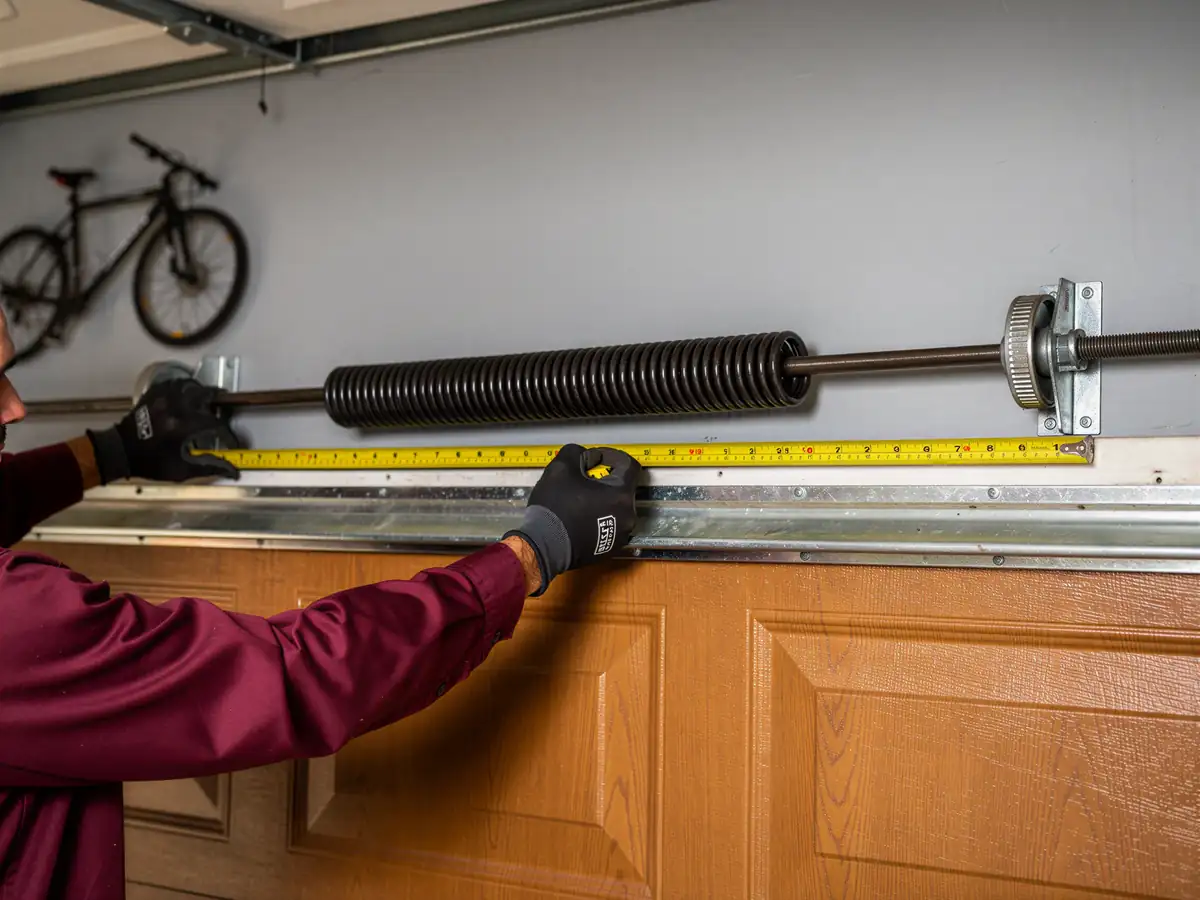
We run this call 17 miles down from Blaine, and that drive shapes how the job gets scheduled more than anything else about the spring itself. A broken torsion spring doesn't care about distance, though - it announces itself the same way everywhere: the door won't lift past a few inches, or it slams down the last two feet because nothing is holding the weight anymore. In St. Louis Park, where most houses went up around 1965, the springs we pull are often the second or third set on the original track system, not the first. That matters because a torsion spring sized for a door forty years ago may not match the door a homeowner swapped in during a later remodel. We see mismatched spring counts and wrong wire gauges more in neighborhoods this age than in newer builds, because somewhere along the way a cheaper fix got made and nobody checked the math. If you hear a bang from the garage and then the door won't budge, that's almost always the spring letting go, not the opener.
Booking a Visit
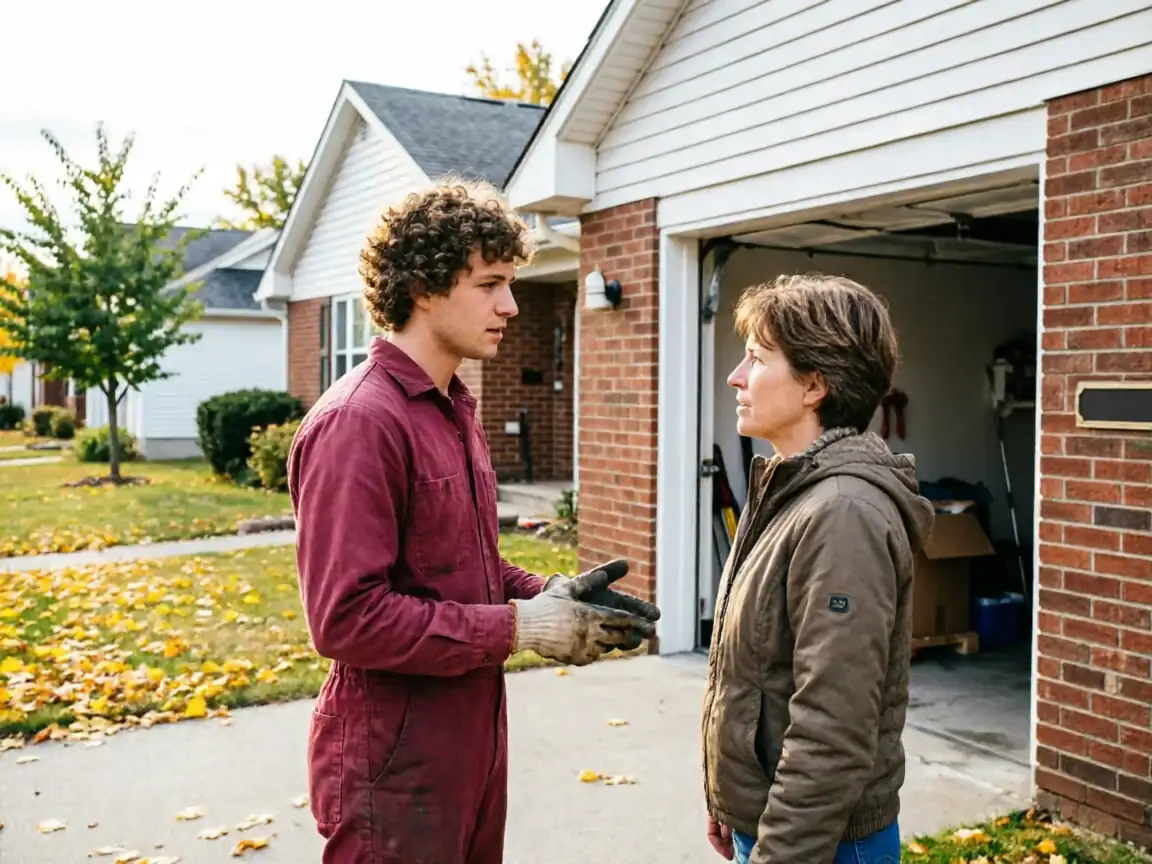
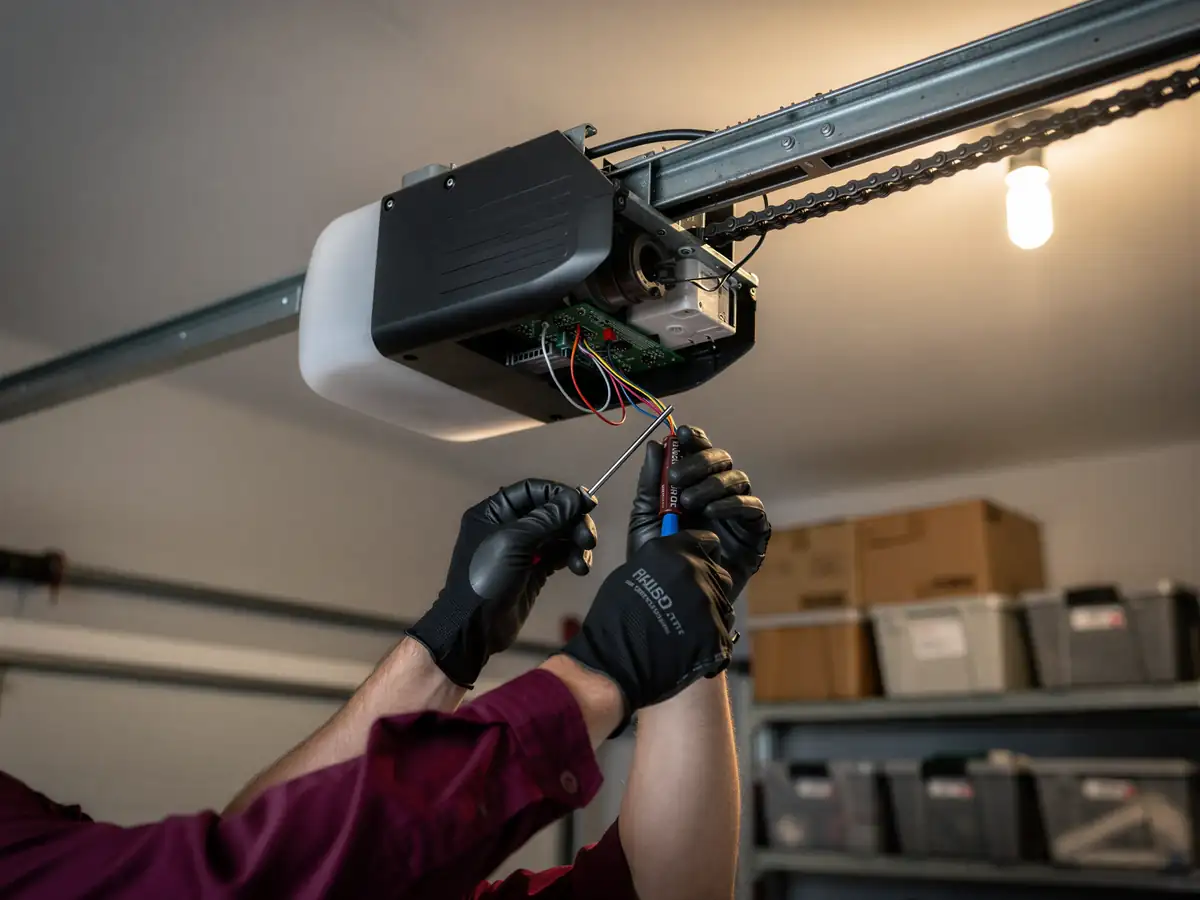
Because we're coming from Blaine, we ask for a little more lead time on St. Louis Park calls than we would on a job across town from the shop - not because the repair takes longer, but because the drive means we batch the trip where we can. Tell us what you're seeing: a door stuck halfway, a loud pop followed by the door refusing to move, a cable hanging loose. That tells us whether we're bringing torsion stock, extension stock, or both, since this area has a mix of both spring types depending on when the house's door was last swapped. A dead opener motor that just stalls out isn't the same problem as a snapped spring, and knowing which one you've got before we load the truck saves a second trip.
What Can Go Wrong
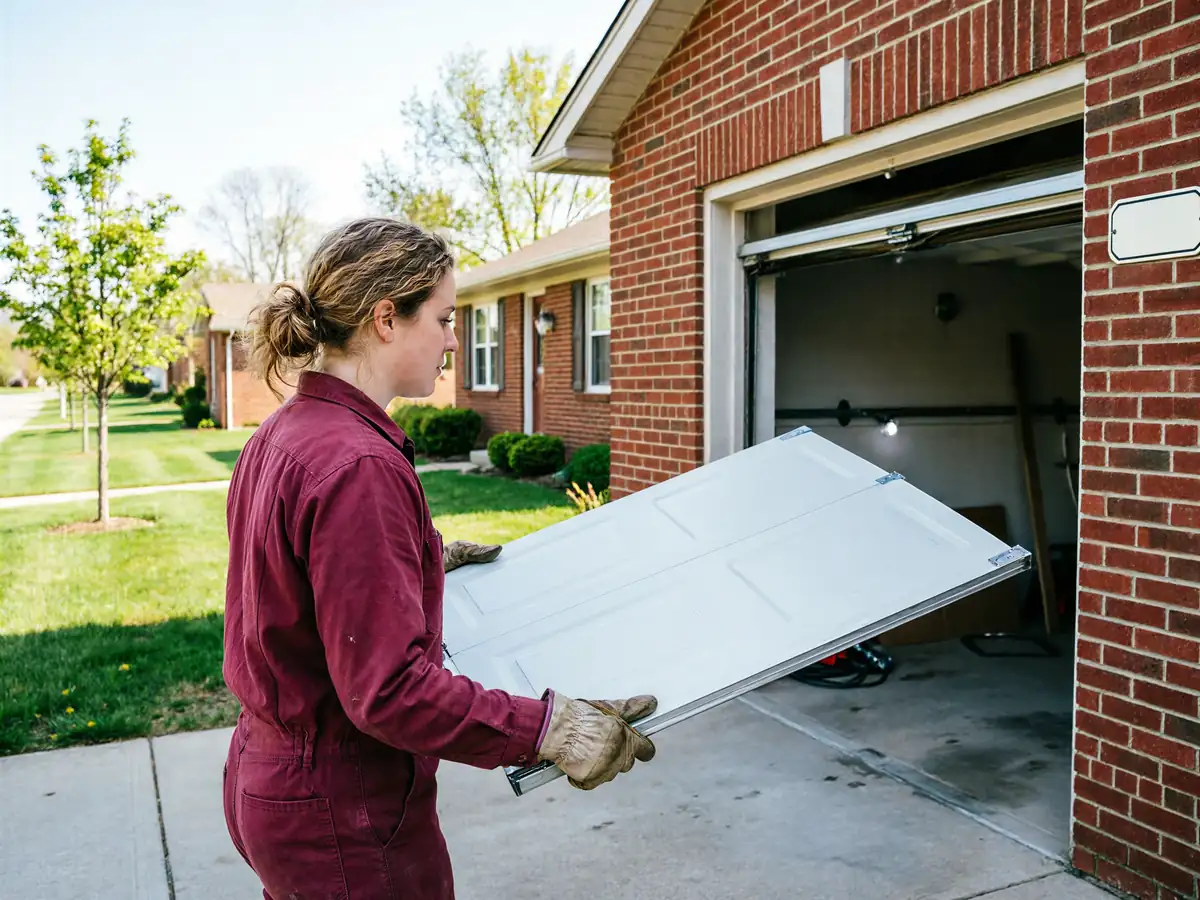
Minnesota's cold-severe climate is hard on torsion springs regardless of the town, but it hits older coil-count setups harder, and a lot of the stock in St. Louis Park's 1960s-era garages is original gauge, not upgraded for the temperature swings the metal has seen since. Cold makes steel brittle; a spring that's been cycling through winters since the house was built is closer to the end of its coil life than the same spring would be in a newer home. The honest limitation here: if the opener, the track, and both springs are all original to a 1960s build, we're not going to recommend just swapping the spring and calling it done. At that age, replacing one worn part often just moves the failure to the next worn part, and we'll say so rather than sell you a spring job that's patching a system due for a full door replacement.