How It Shows Up
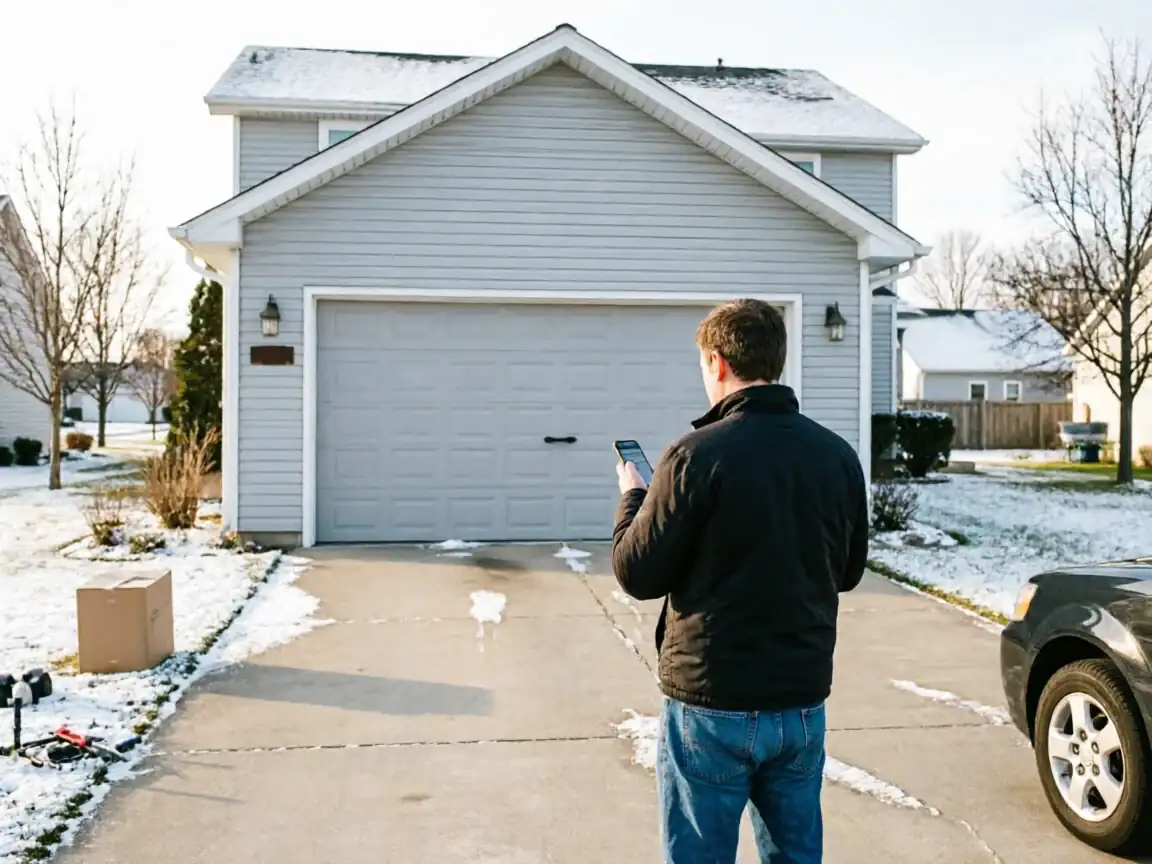
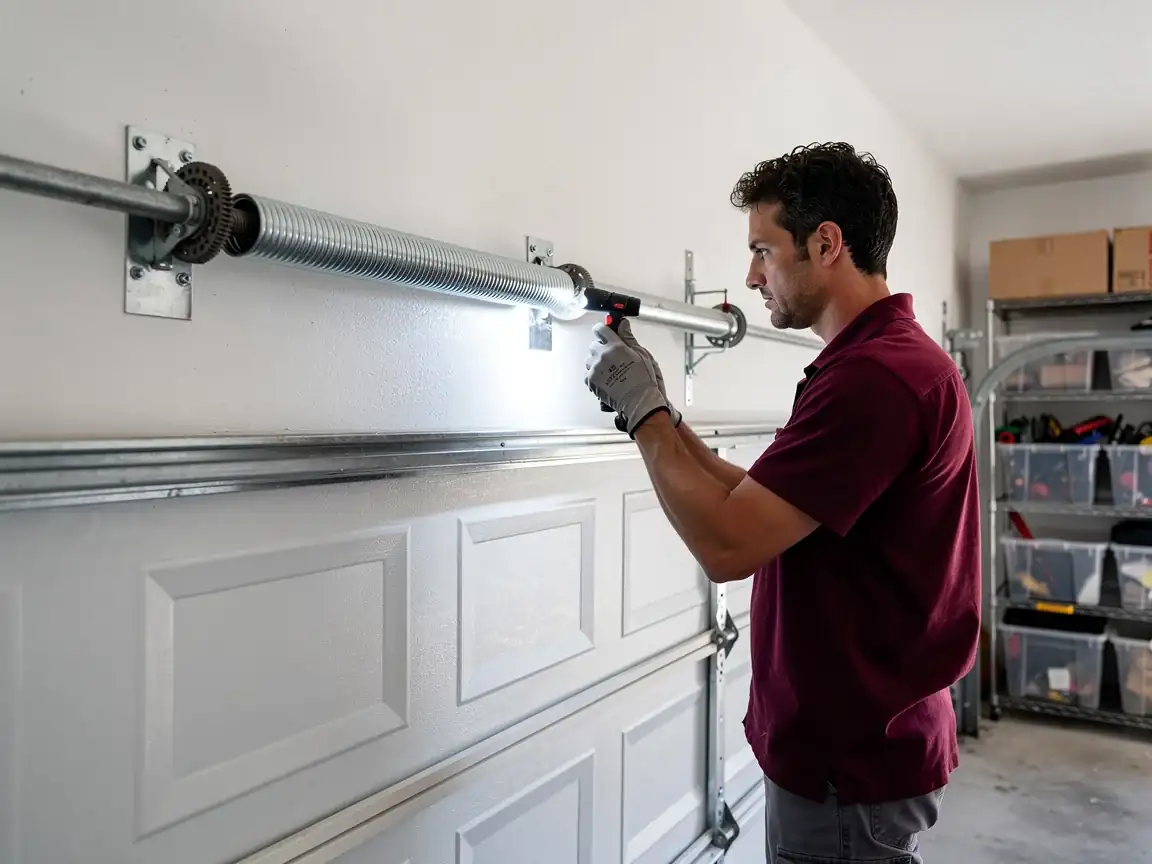
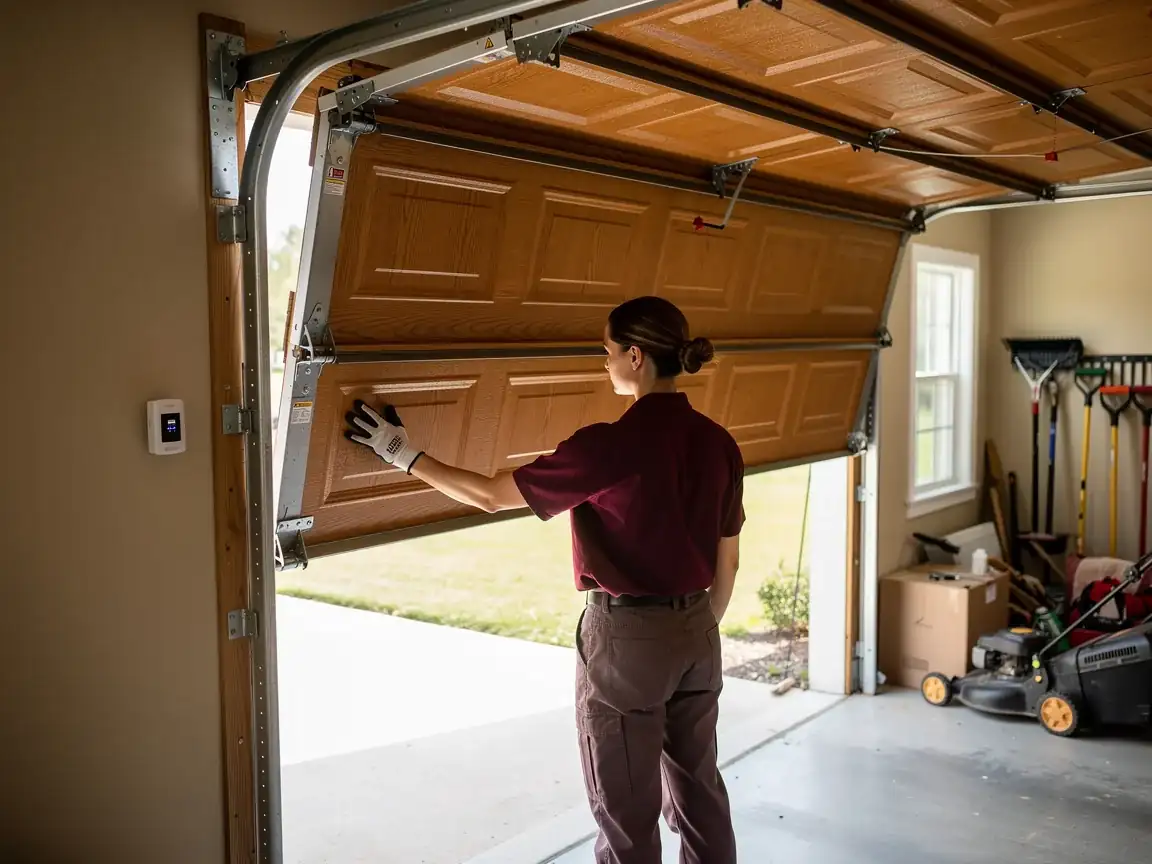
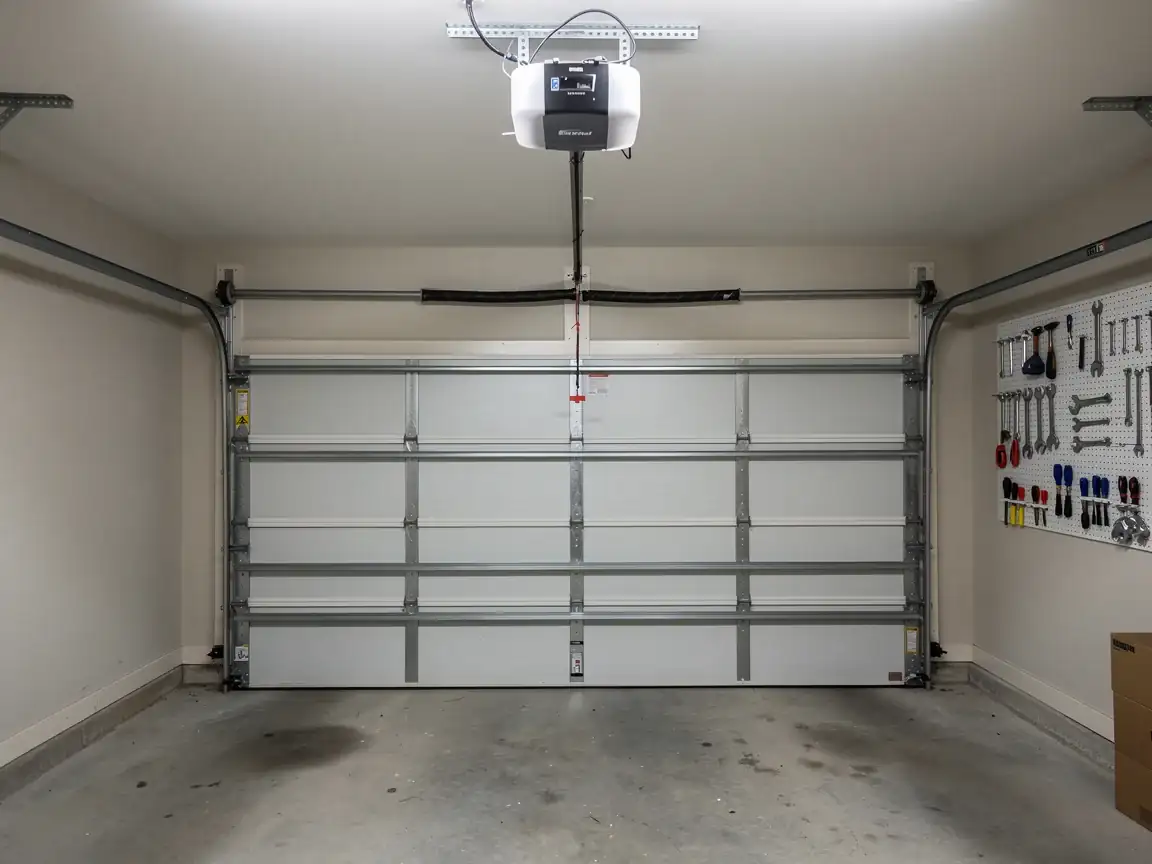
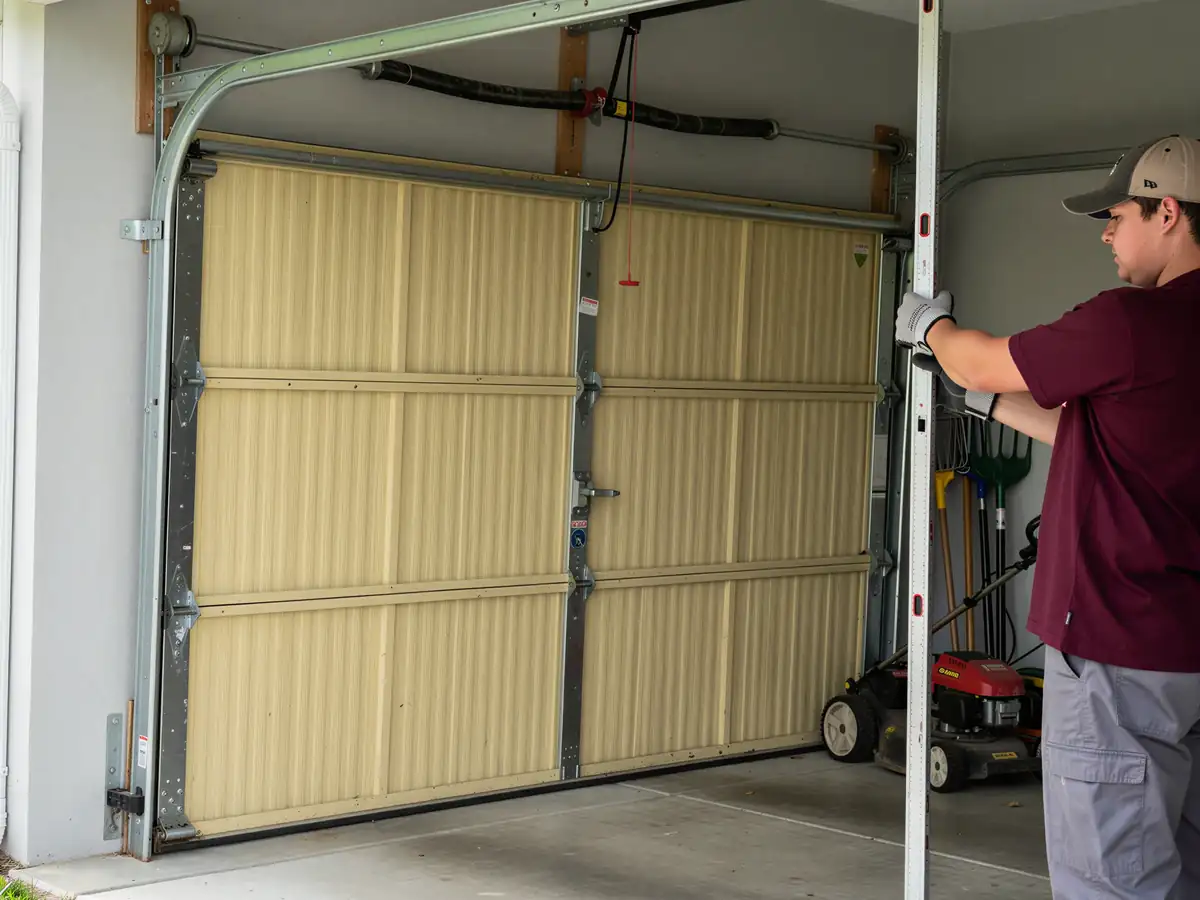
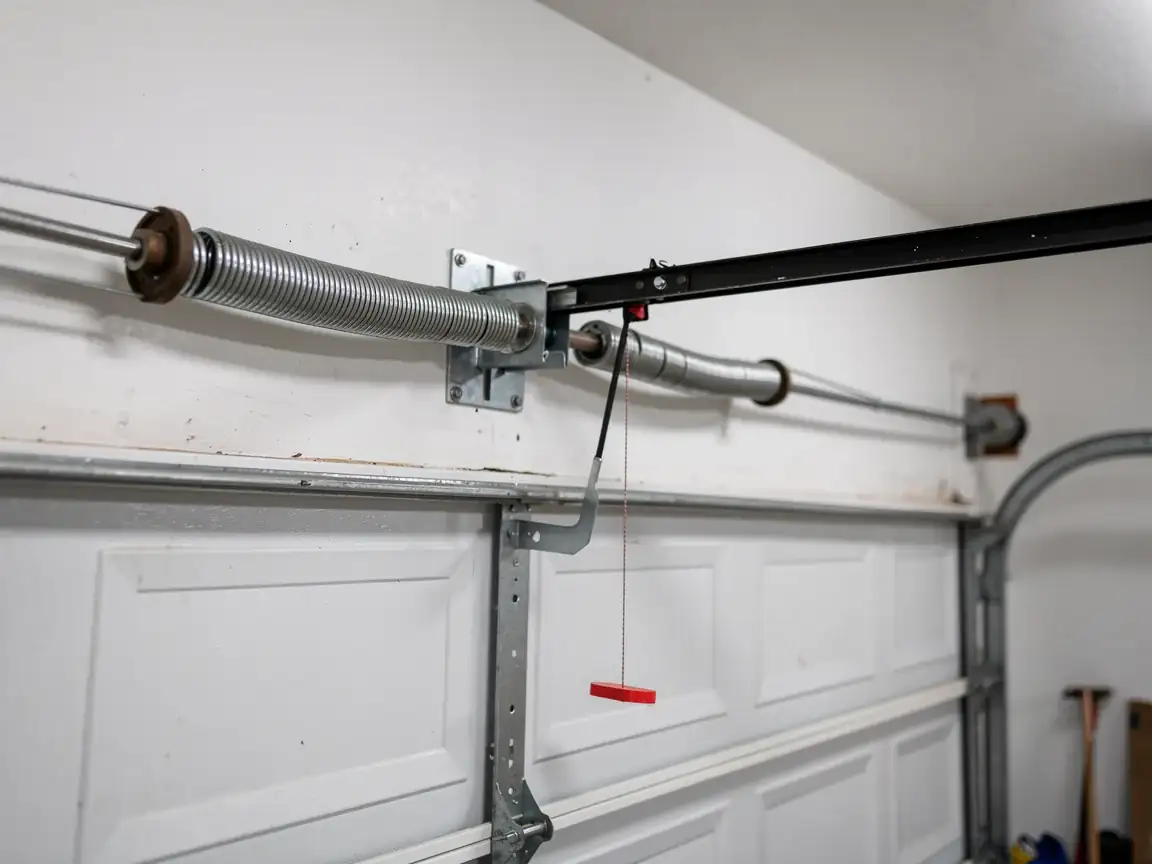
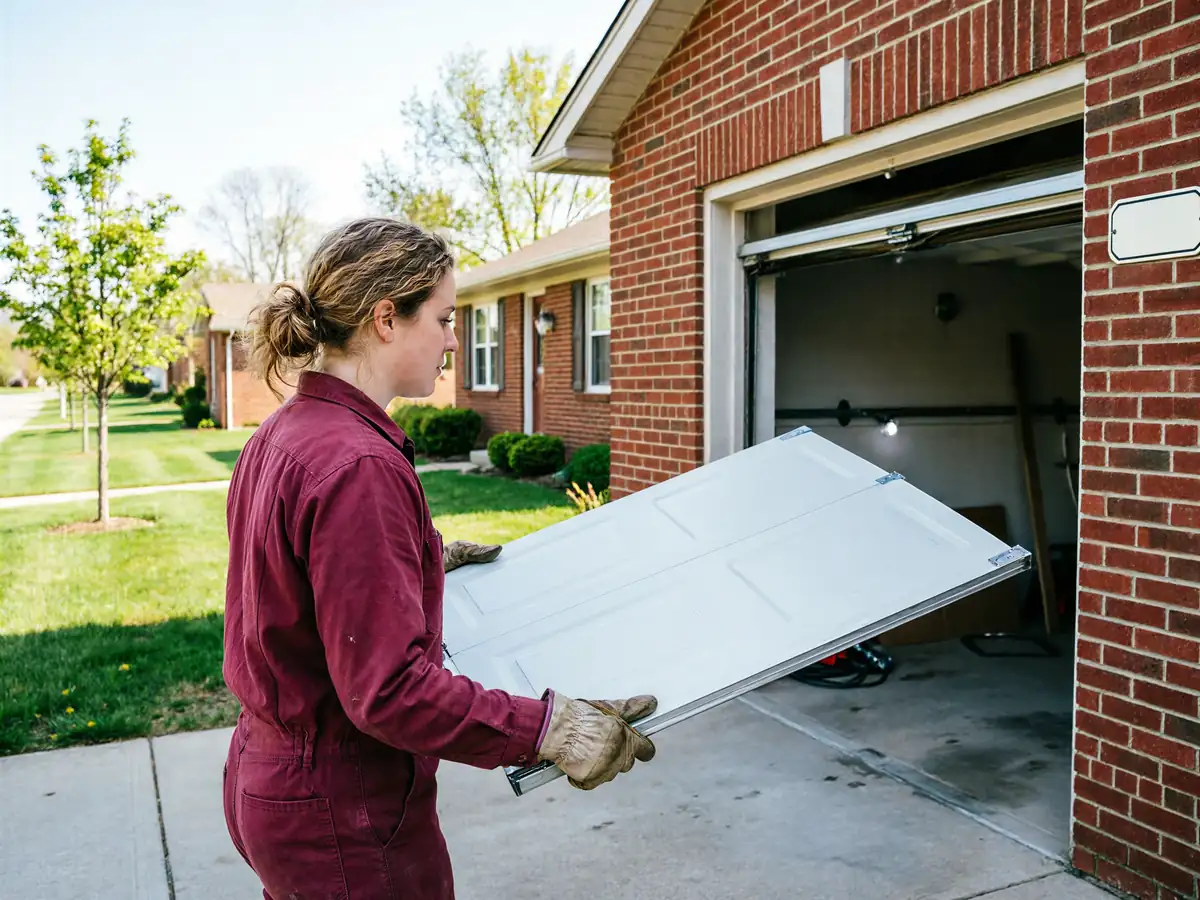
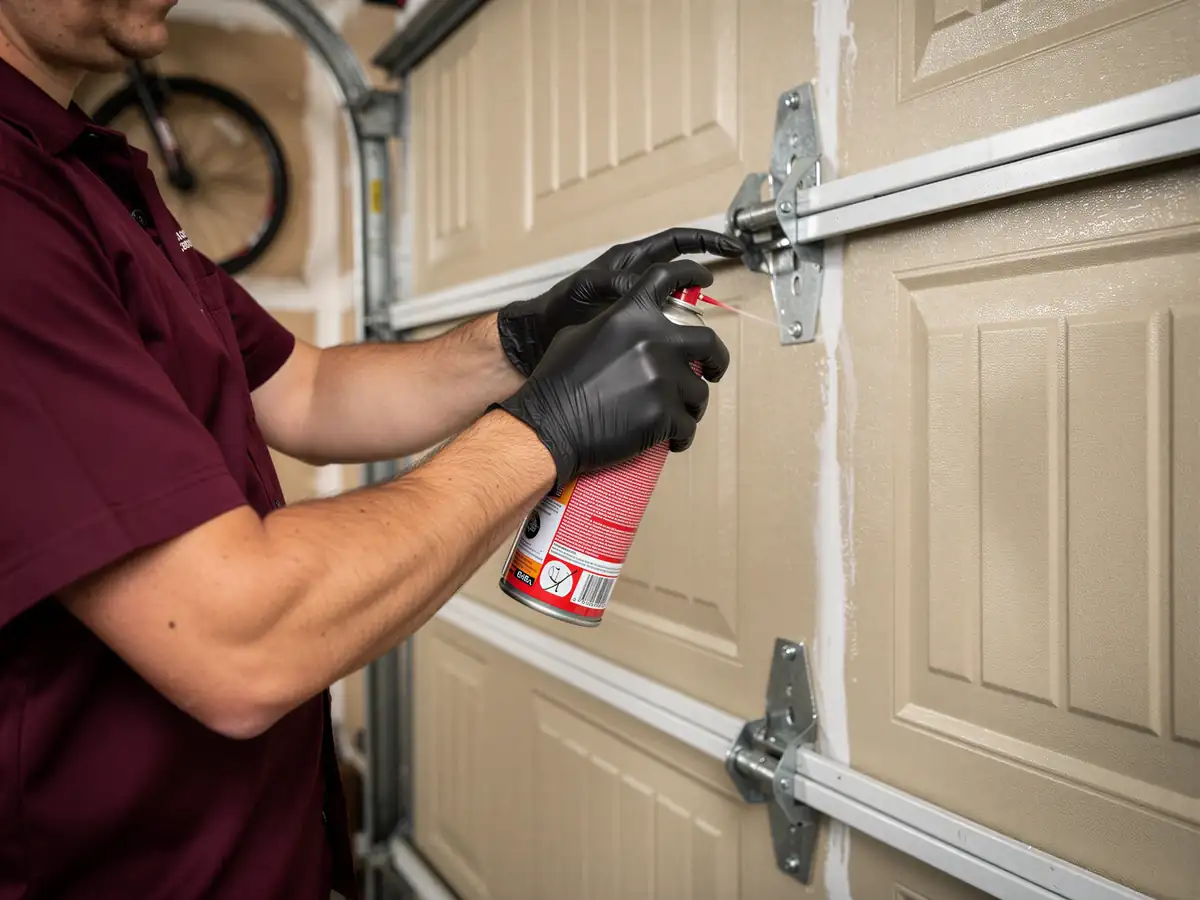
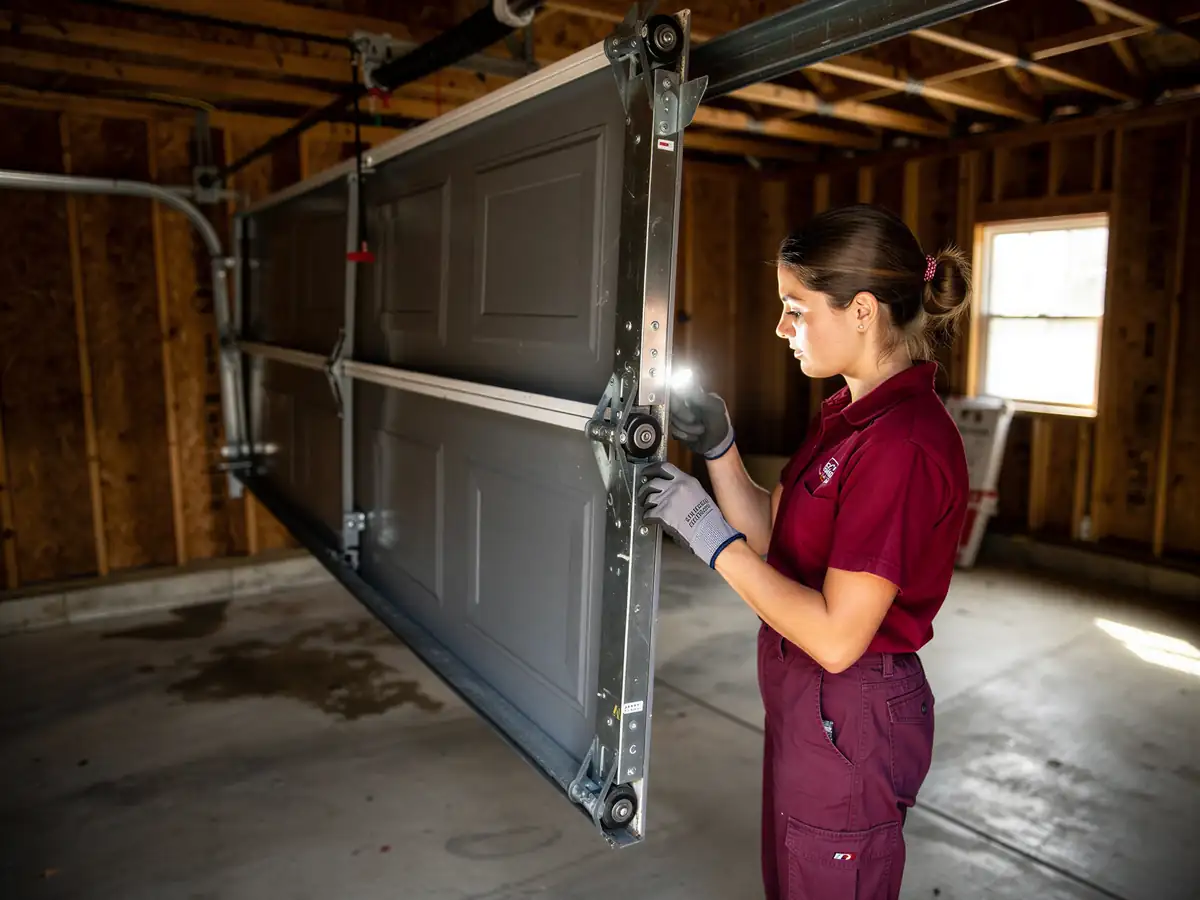
Most of St. Louis Park's housing stock went up around 1965, which puts a lot of these garages a full generation ahead of the 1980-median hardware you see across the wider Blaine service area. That matters here because a door built on original track brackets has had sixty years of seasonal swing to work the lag screws loose in the jamb. When a door comes off track in a house this age, it's rarely a sudden thing - it's the end of a slow drift where one roller has been riding slightly outside the rail for months, chewing a groove into the track wall until the wheel finally jumps the lip. You'll see it as a door that hangs crooked in the opening, a corner that won't seat flush, or a panel that scrapes and binds halfway up. Sometimes it's louder: a bang as the cable goes slack because the roller derailed under spring tension. Either way, the symptom shows up fast but the cause has usually been building since well before you noticed anything wrong. Homes from this build era also tend to have narrower track clearance than newer construction, so a bent section that would just rattle in a wider rail can shove a roller clean off in a St. Louis Park garage.
Booking a Visit
We run this job out of Blaine, 17 miles north, so when you call for St. Louis Park we're scheduling a truck for the drive, not dispatching from a local branch. That's worth knowing up front because it means we're not promising a same-hour fix - we're setting a visit. Tell us what you're seeing: a gap at one corner, a cable that's gone loose, a door that stopped mid-travel. That detail helps us bring the right stock of rollers, brackets, and track sections for a house of this age instead of showing up guessing. You can see the areas we cover from Blaine on our service area page, and if what you're dealing with turns out to be bigger than a track issue, our main write-up on this repair for the Blaine side of things is here: off-track garage door repair.
What Can Go Wrong
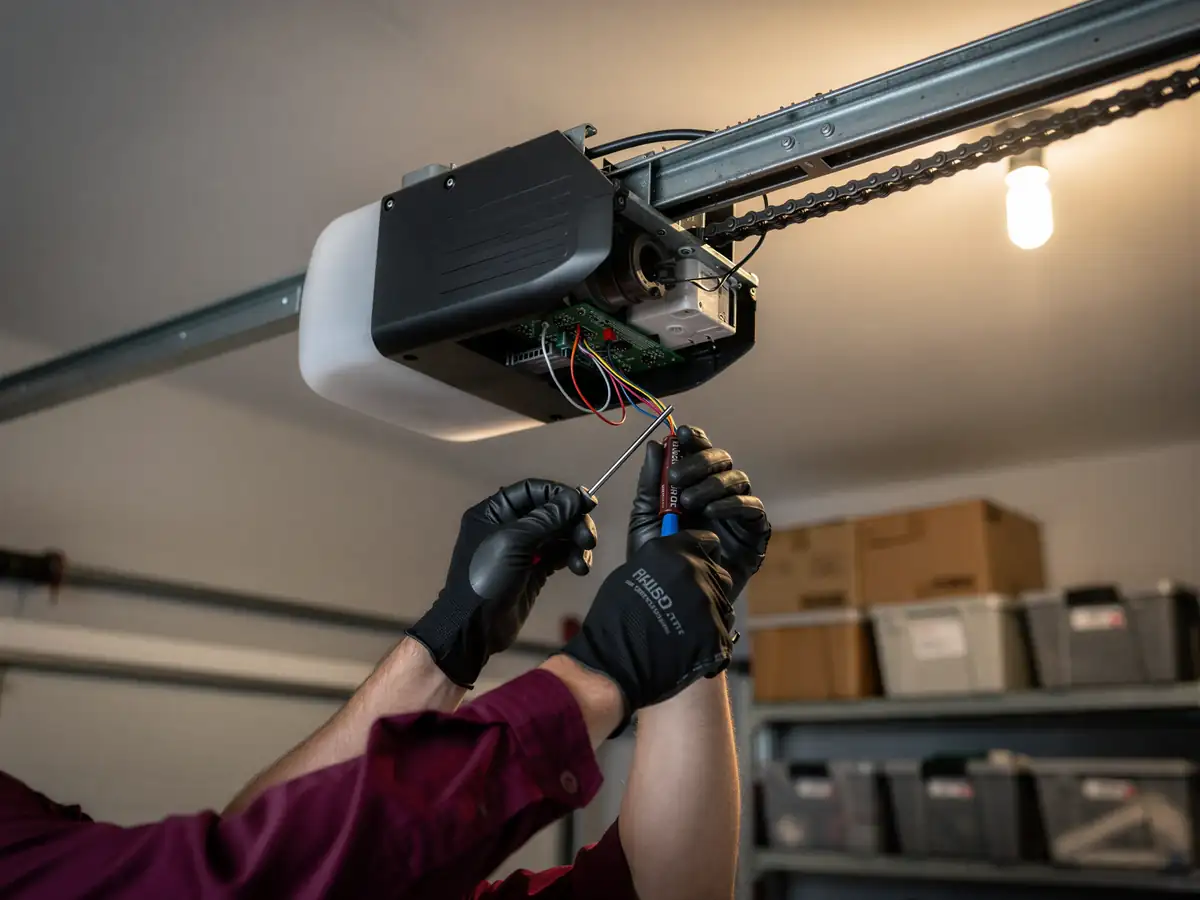
On a house built around 1965, the part that fails first is usually whatever was cheapest to install the first time and never had a reason to be swapped - the stamped-steel roller brackets, not the track itself. Once a bracket has worked loose from the jamb, the track above it twists out of plumb just enough that every roller passing that spot takes a slightly different hit, which is why one soft spot in the rail can eventually throw two or three rollers over a season. Cold also plays a part - this area sits in a severe cold climate band, and a garage that sees hard freeze-thaw cycles gets more flex in the wood jamb behind the bracket than a door in a milder region would. We also see this go wrong when someone tries to force a derailed door back onto the rail by hand: it's possible to bend the track further out of true doing that, which turns a bracket fix into a full rail replacement. If the opener has kept trying to run the door while it's off track, check the motor gears too - that's a separate failure that shows up alongside this one more often than people expect.