Can You Do This Yourself
Roseville's housing stock centers on 1968, which puts a lot of these garages a few years ahead of the area-wide average build year of 1980 for the service territory. That matters because a door that old was very likely never touched after the original install. If your spring, cable drum, and end bearing plate all look the same vintage as the house, you're looking at hardware that's 55-plus years old, not a part that got swapped out in a remodel.
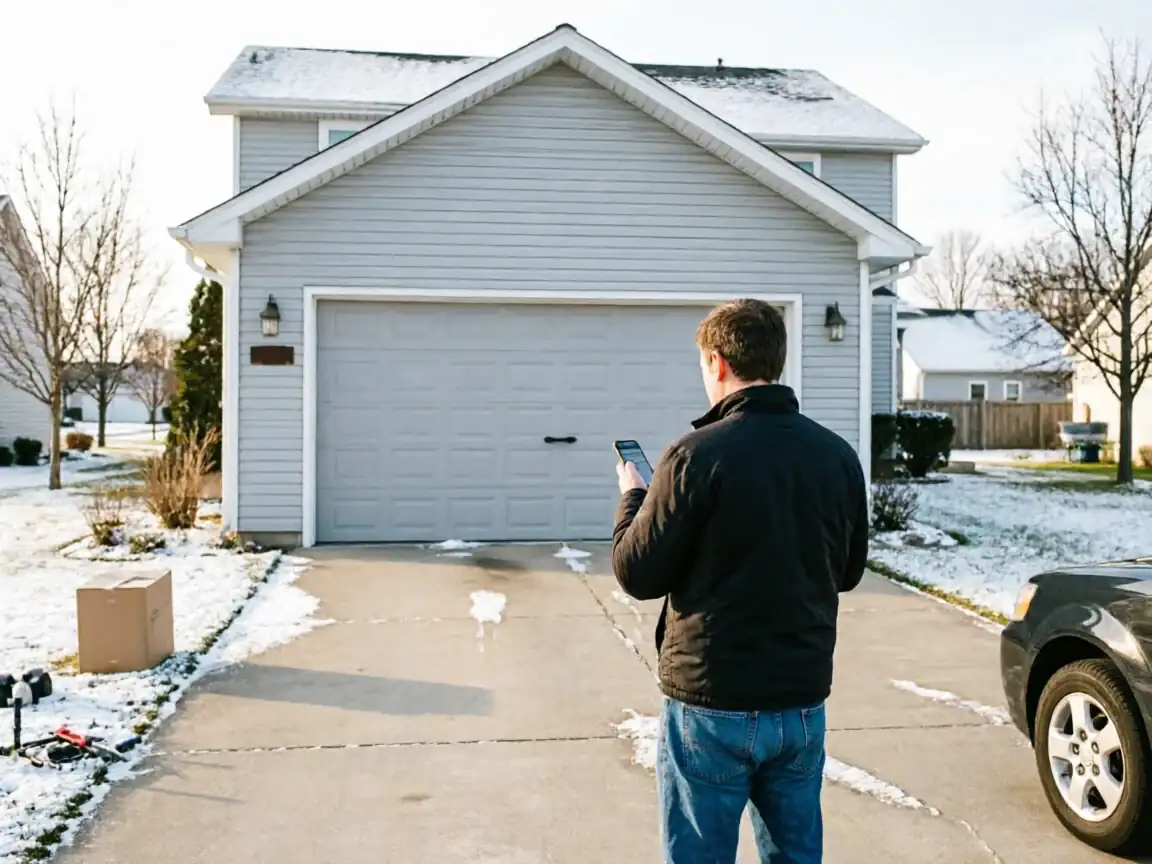
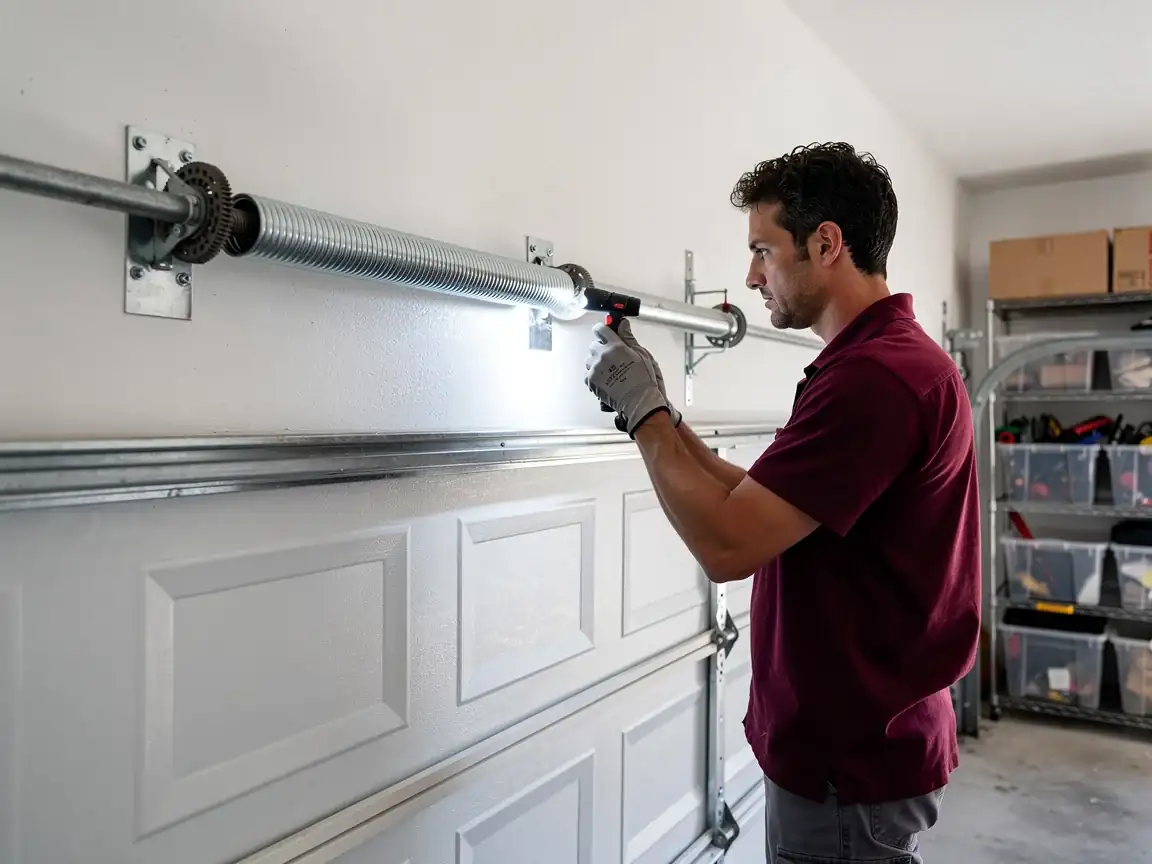
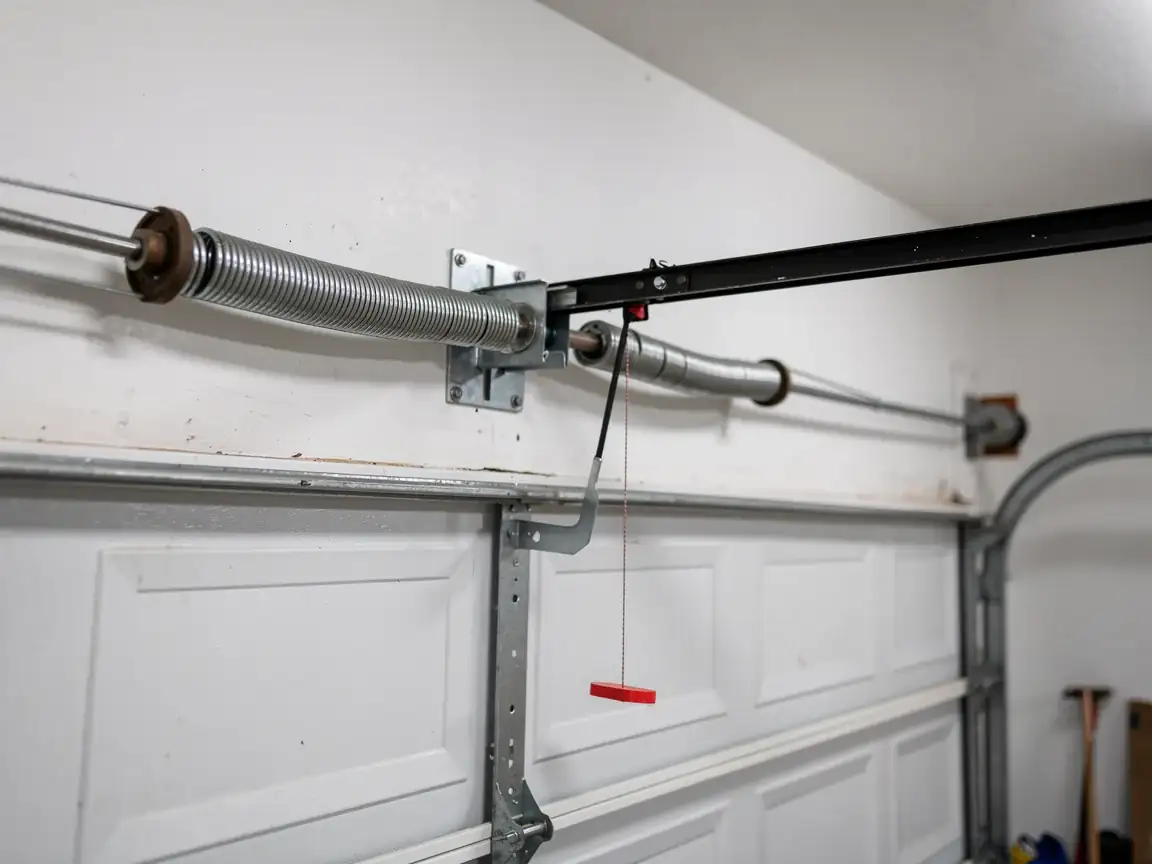
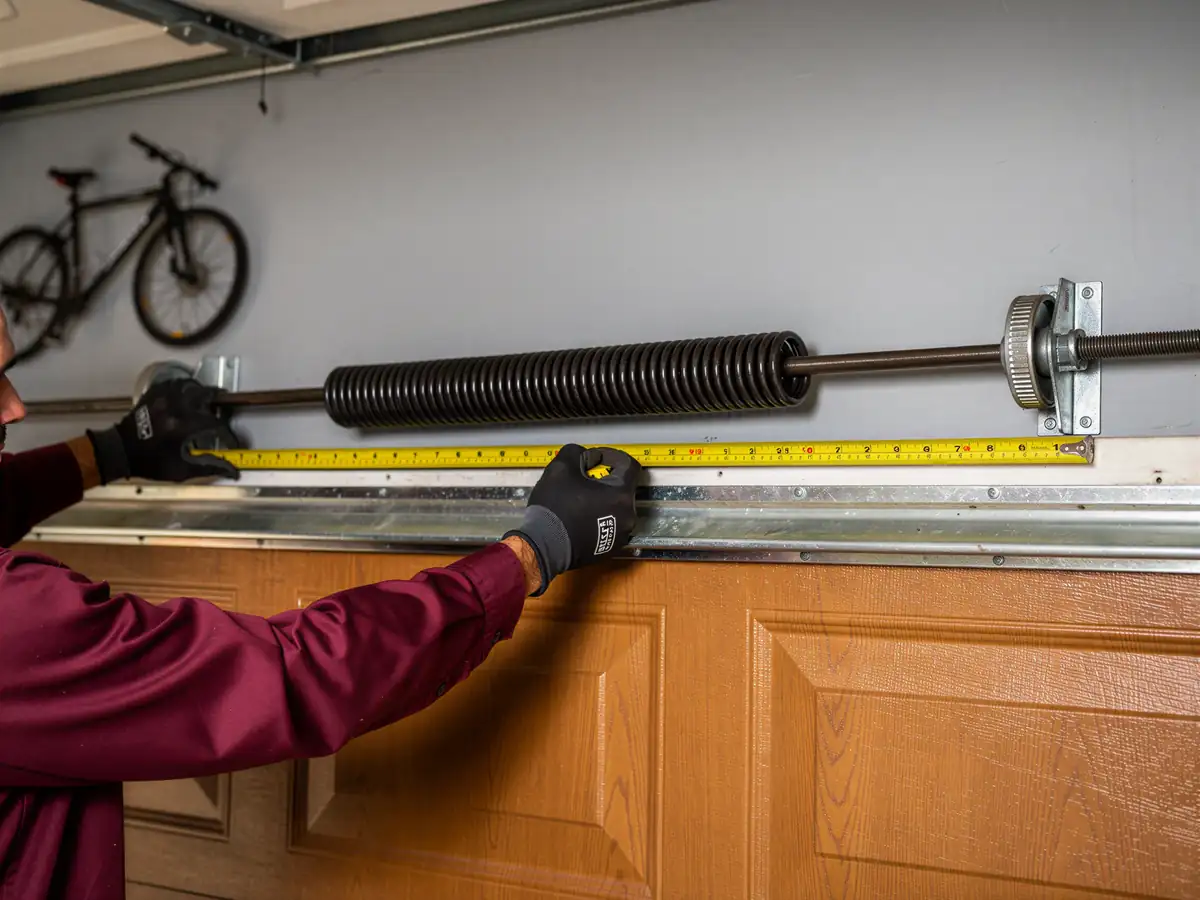
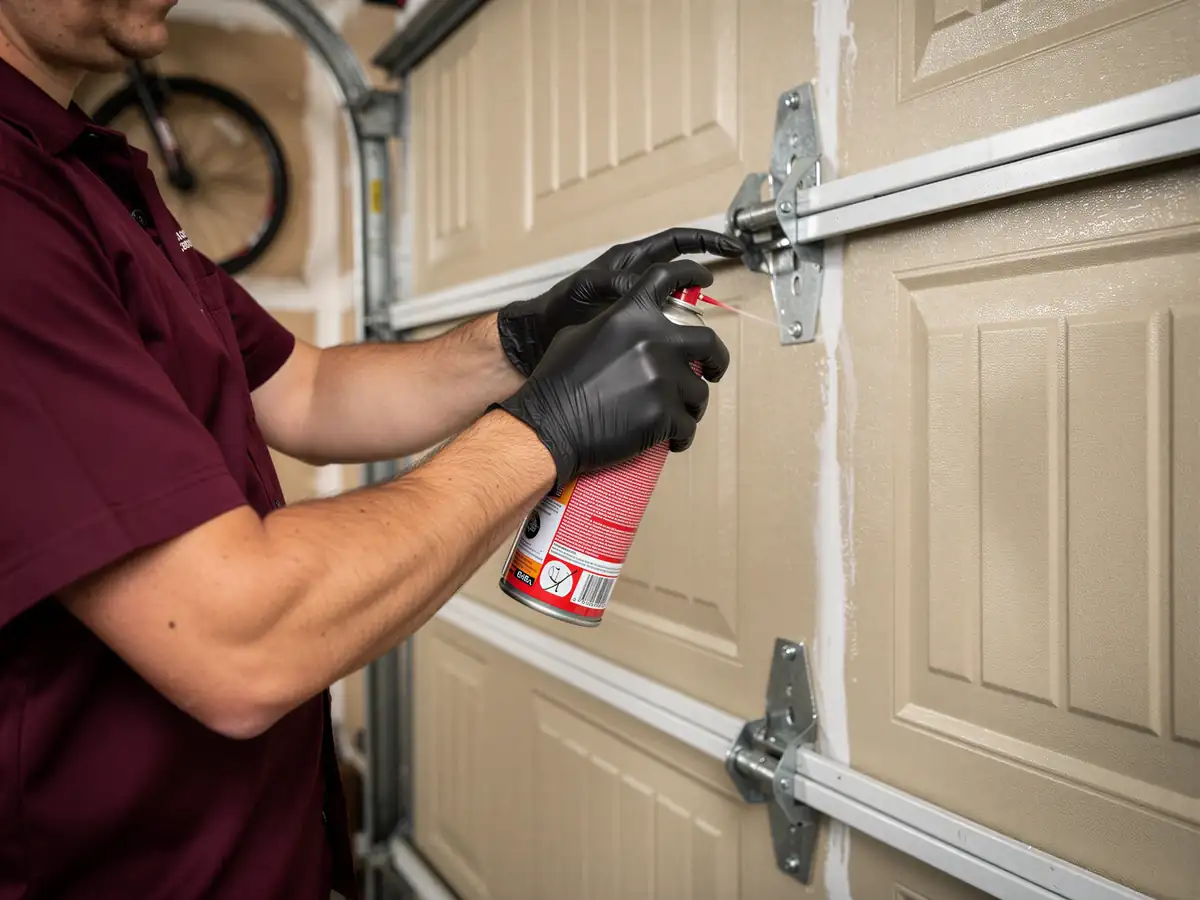
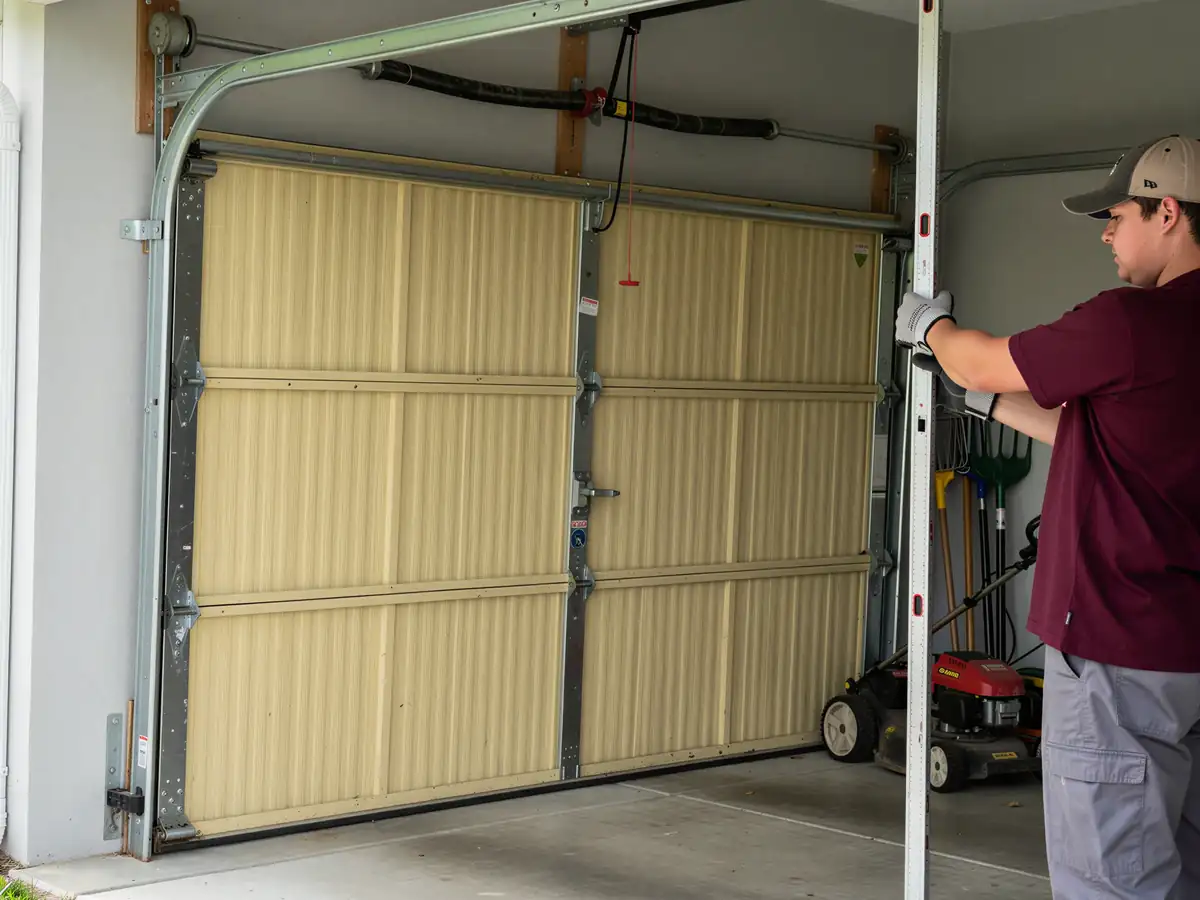
You can handle small stuff yourself: tightening a loose track bracket, lubricating hinges, clearing a photo-eye sensor that's knocked out of alignment. What you should not touch is the torsion spring itself. A wound spring that old has likely lost some of its rated tension already, and the bar it's mounted on may show rust pitting you can't fully judge by eye. We've seen plenty of these fail at the winding cone, not the coil, which is exactly where a homeowner's hands end up. If the door won't open, or opens crooked, or the spring has visibly separated, that's a call, not a weekend project. Our honest limit here: if the opener is original 1968-era hardware with no UL-rated safety reversal system, we won't just patch it - that gets replaced, not repaired, because the liability isn't worth a quick fix.
What Can Go Wrong
With a median build year of 1968 for Roseville
The failures we expect to see lean toward age rather than wear from heavy daily cycling. Torsion springs on original hardware are the most common call - they were rated for a 10,000 to 15,000 cycle life decades ago, and a lot of these doors are well past that count even at modest use. Cable fraying follows close behind, especially where the drum has never been replaced alongside the spring.
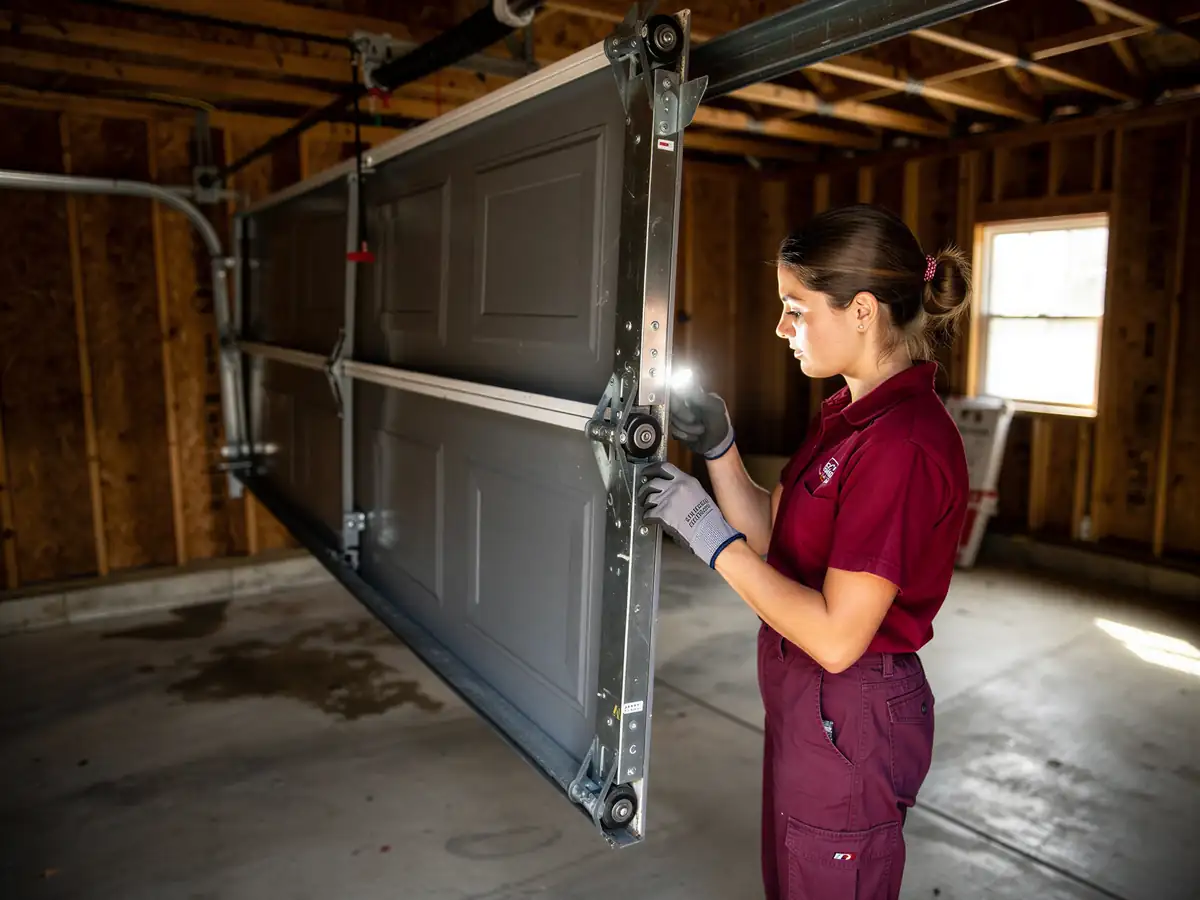
Rollers on houses from this era are often steel on steel, no nylon, no sealed bearing
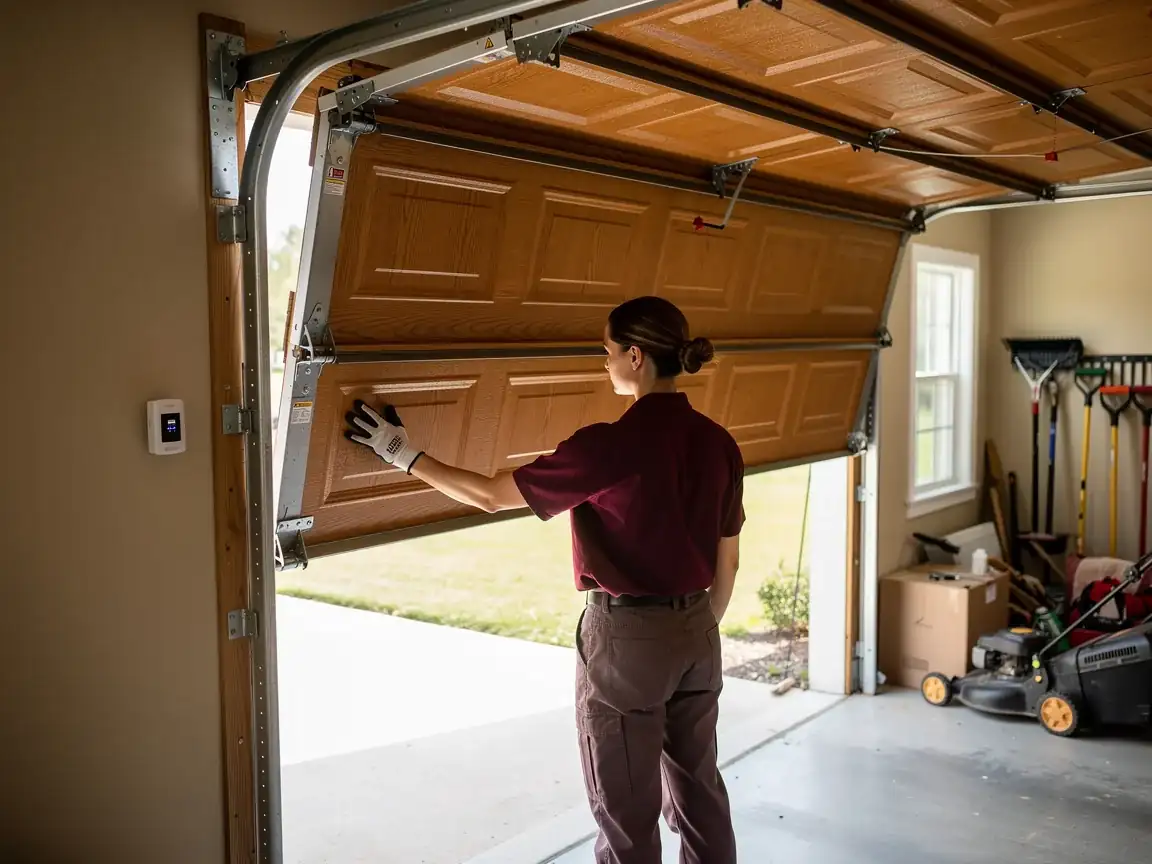
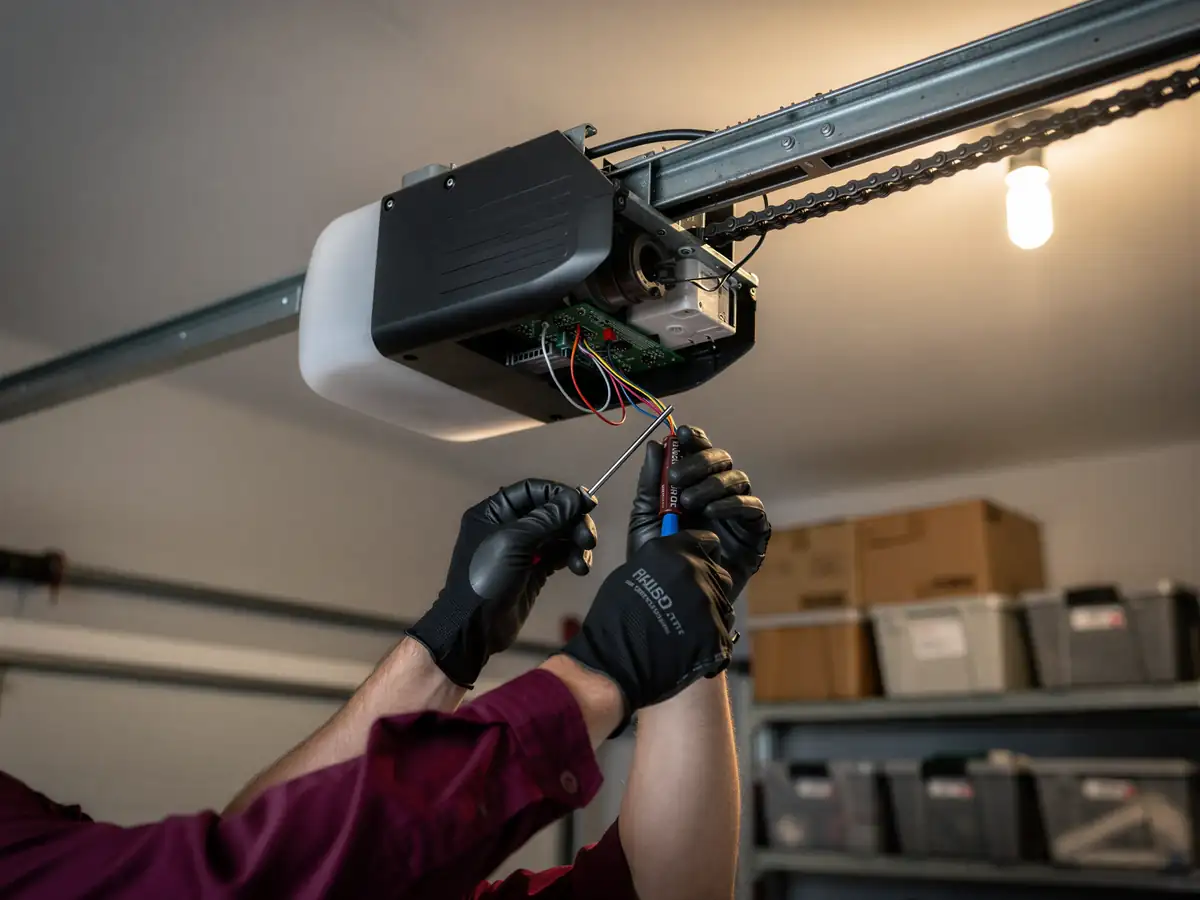
Loud, and prone to binding in the track as the galvanized coating wears through. Openers from an older remodel cycle (anything installed in the 80s or 90s when these houses got upgraded) are also reaching the end of their gear and capacitor life, which shows up as a motor that hums but doesn't lift, or a remote that works intermittently.
We don't see much foundation-settling damage to tracks here
Roseville's housing is stable enough that track misalignment is usually from a door hit by a car or a bent panel, not the slab shifting. That's one thing that doesn't need fixing as often as people assume.
How Long It Takes
A spring replacement on a standard double door, done once we're on site, usually runs under two hours including a safety check on the cables and rollers while the door's apart anyway - there's no sense closing it back up without looking. Opener swaps take longer, generally half a day with the wiring and safety sensor alignment, more if the circuit board is an older design that doesn't match current mounting brackets.
What we can't promise is a same-day slot guarantee, because we're routing out from Blaine, roughly 11 miles from Roseville, and that trip gets scheduled around the rest of the day's calls. What we can tell you is that once we're there, a torsion spring job on 1960s hardware doesn't usually turn into a bigger job - the track and jamb brackets on houses this age are typically still sound wood, which makes remounting straightforward. Where it does stretch out: if the opener is original and parts for it simply don't exist anymore, in which case we're not repairing, we're replacing, and that conversation happens before we start cutting anything loose.
What Causes It Around Here
The service area sits in a cold-severe climate band, and that's the real driver behind winter calls on Roseville doors. Steel springs lose a measurable amount of tension as temperatures drop, and original 1968-era springs that are already fatigued don't have much margin left when a cold snap hits. The grease on an old roller track also stiffens up in deep cold, which is why a door that worked fine in October suddenly groans or won't fully close in January.
It isn't really a humidity or flooding issue here the way it might be in a different kind of climate - Roseville's garages aren't typically below grade, so water intrusion at the bottom seal is a minor, seasonal thing rather than a structural one. The pattern we actually see is mechanical fatigue meeting cold weather: a spring that was already near the end of its life snaps on the first hard freeze, not gradually, but all at once, usually overnight when nobody's watching it happen.
Booking a Visit
We cover Roseville out of Blaine, about 11 miles up the road
So we schedule the visit around the route rather than promising a walk-in window. When you call, tell us the door's age if you know it - for a lot of Roseville houses that's going to land near 1968, which tells us before we even arrive that we're likely dealing with original torsion hardware rather than a part from a later remodel.
- 11 miles
If you want to see the rest of what we cover for your side of the metro
The Roseville area page lists it, and our main Blaine garage door repair page has the full rundown of services if a spring or opener job turns out to need more than a straight repair.