Can You Do This Yourself
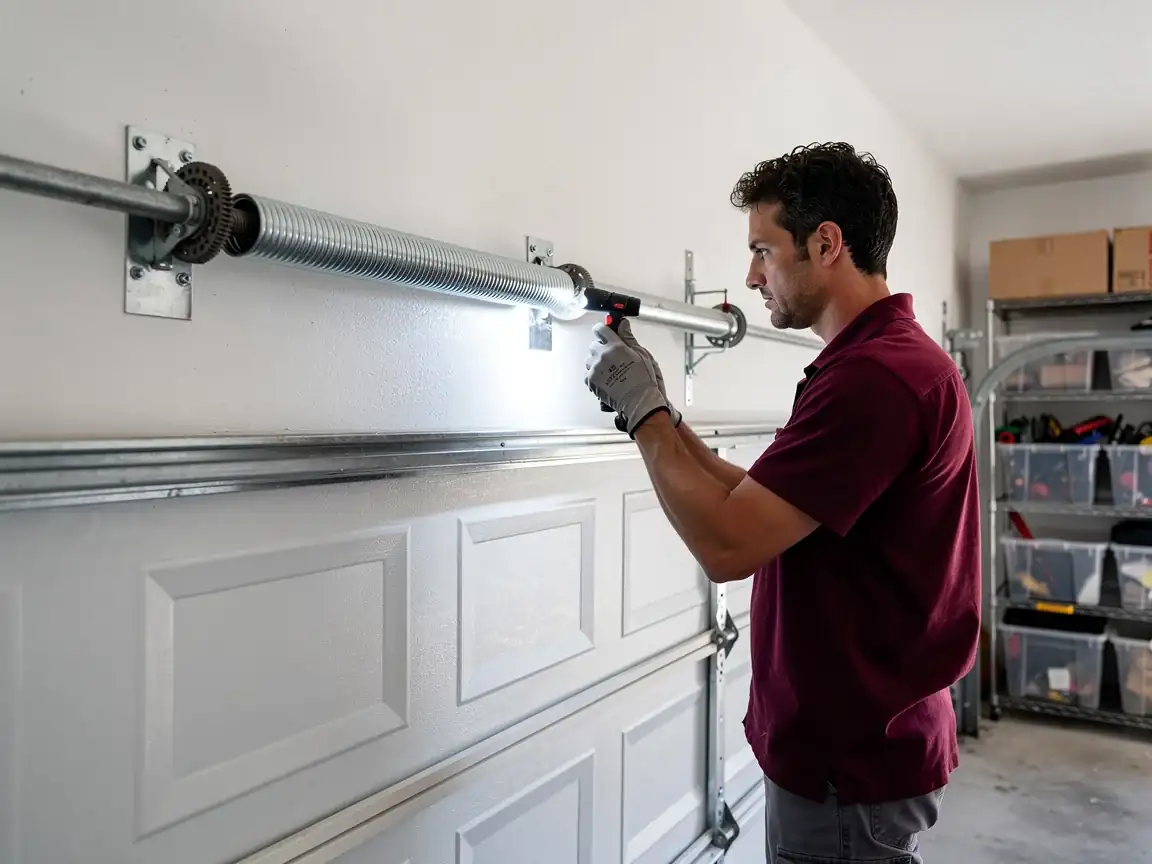
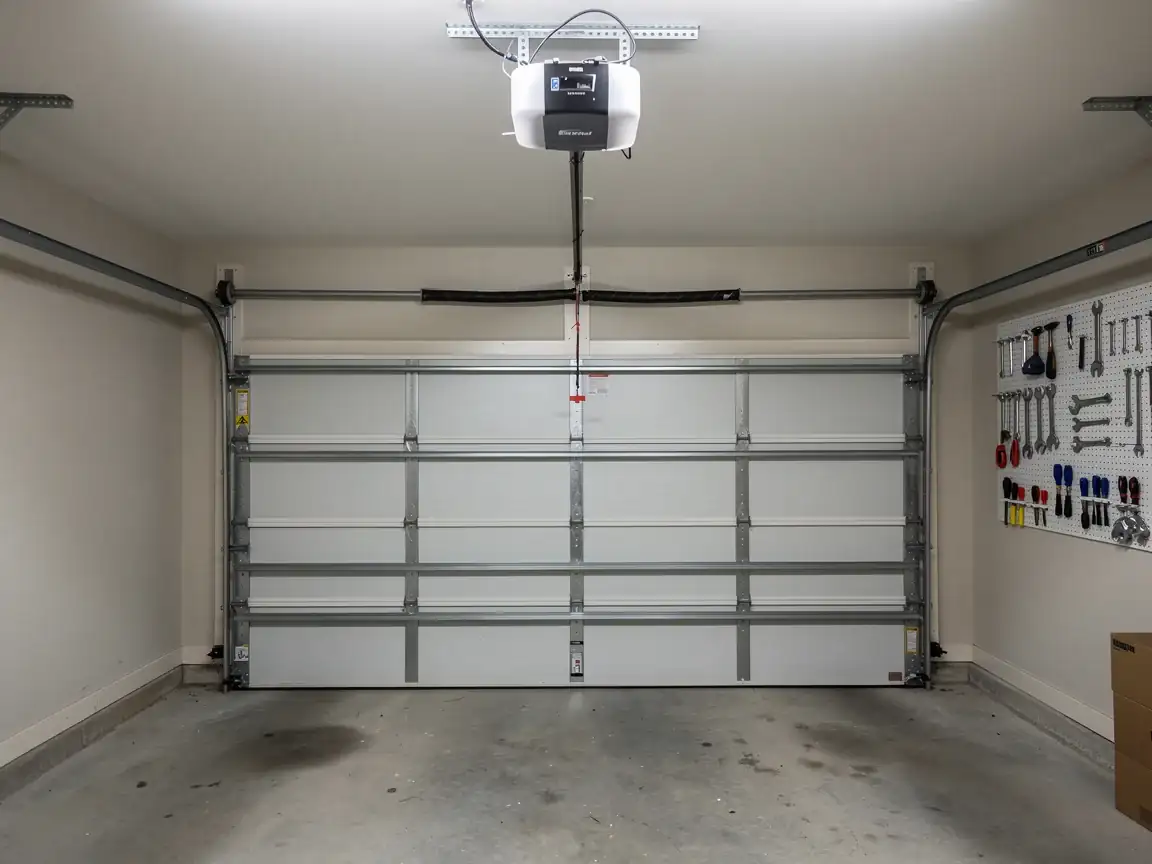
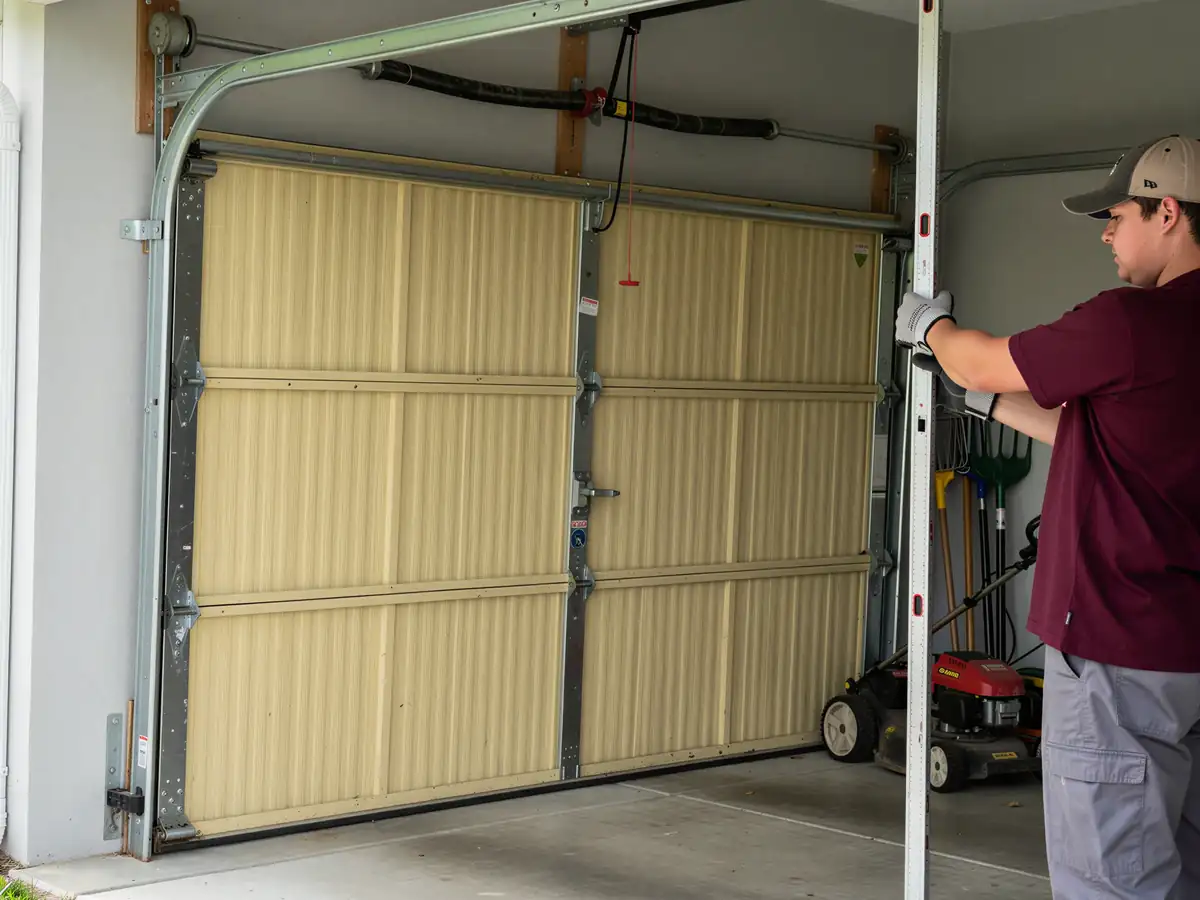
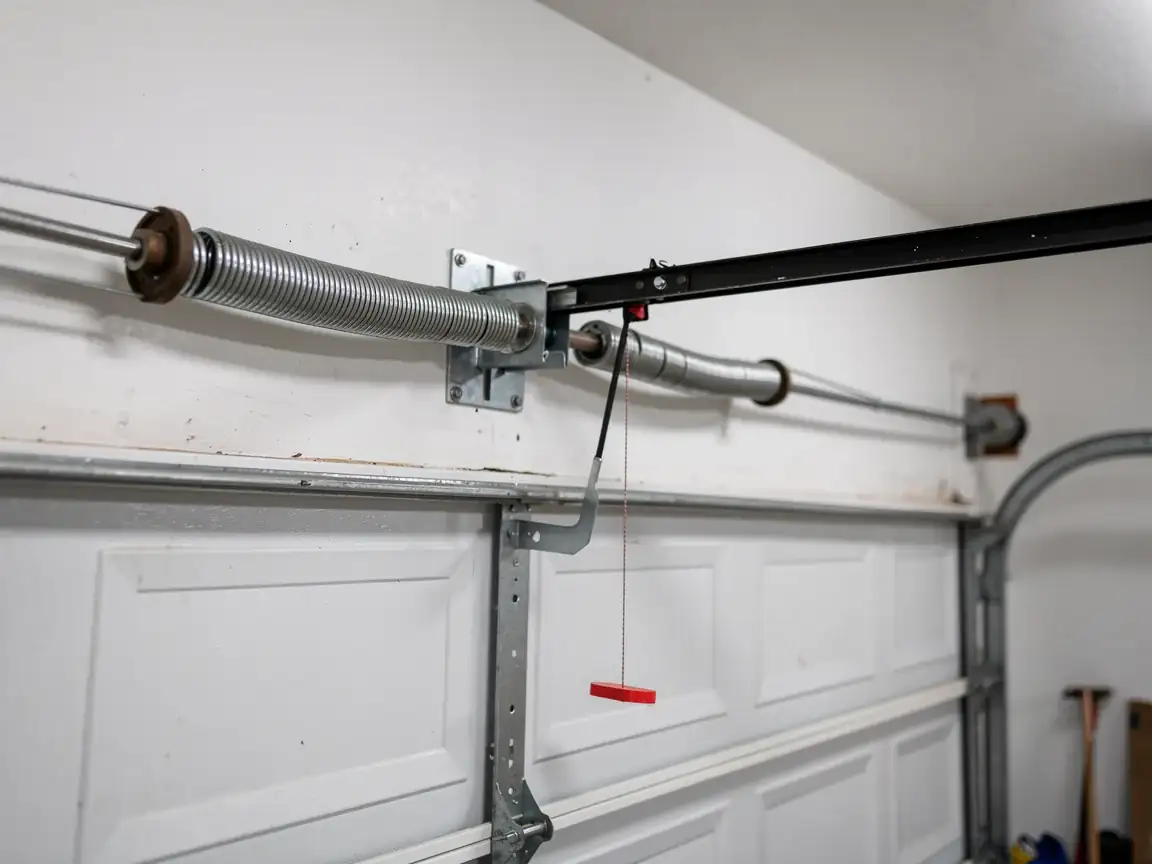
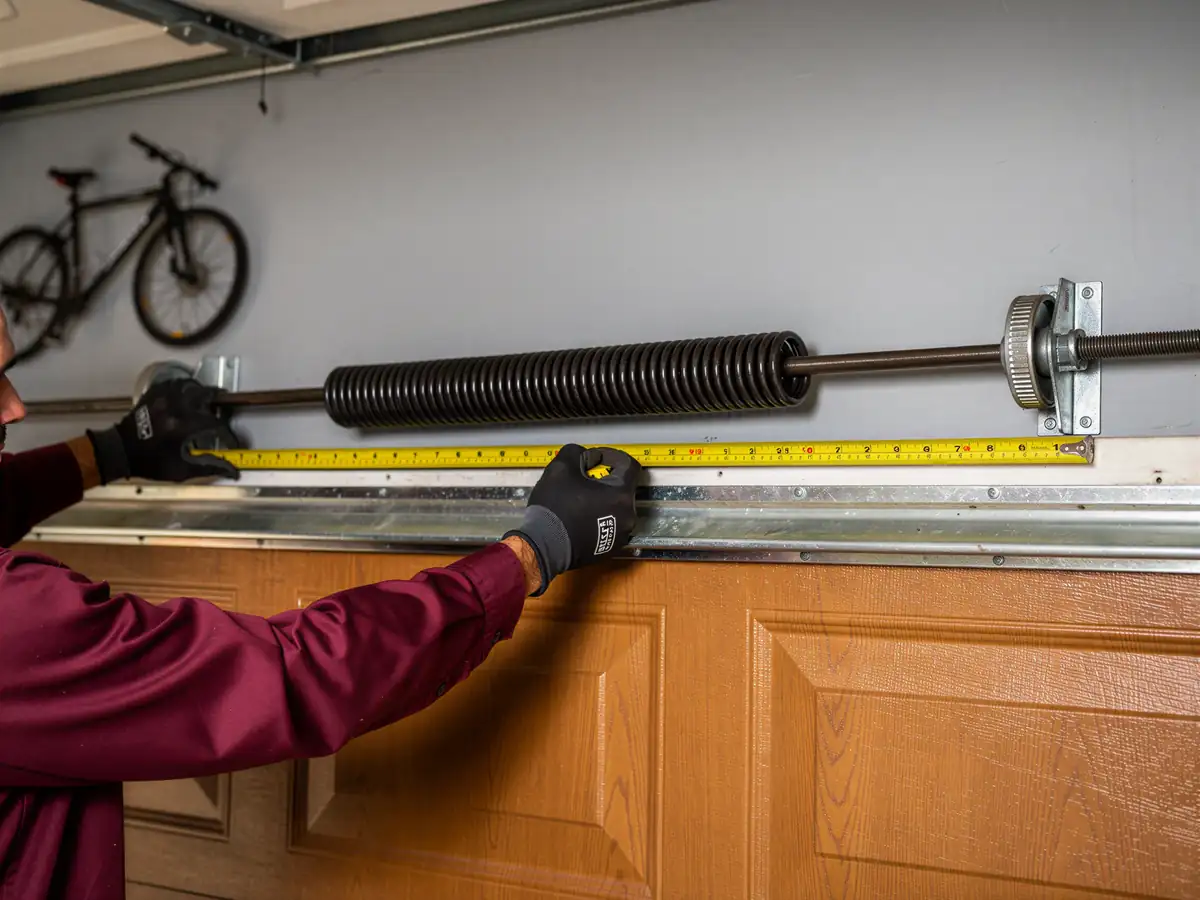
Roseville's housing stock centers on 1968, which puts a lot of garages on old single-car or narrow double-car openings built to a size standard nobody uses anymore. If you're swapping a door for a like-for-like replacement on newer framing, a strong DIYer can sometimes pull it off. But on a house from this era, the opening itself is often the problem - the jamb isn't square, the header was never sized for a modern insulated door, and the track spacing assumes hardware that's been out of production for decades. Measuring wrong by half an inch on a new install means a door that binds on one side the day it goes in. We're honest about this: if your opening is standard and square, you don't need us for the measuring part. Where people get into trouble is the spring sizing and the header reinforcement, both of which take the door's actual weight into account, not a guess. Get that wrong and you've got a door that either won't lift cleanly or puts too much strain on an opener that was never built to carry it.
How Long It Takes
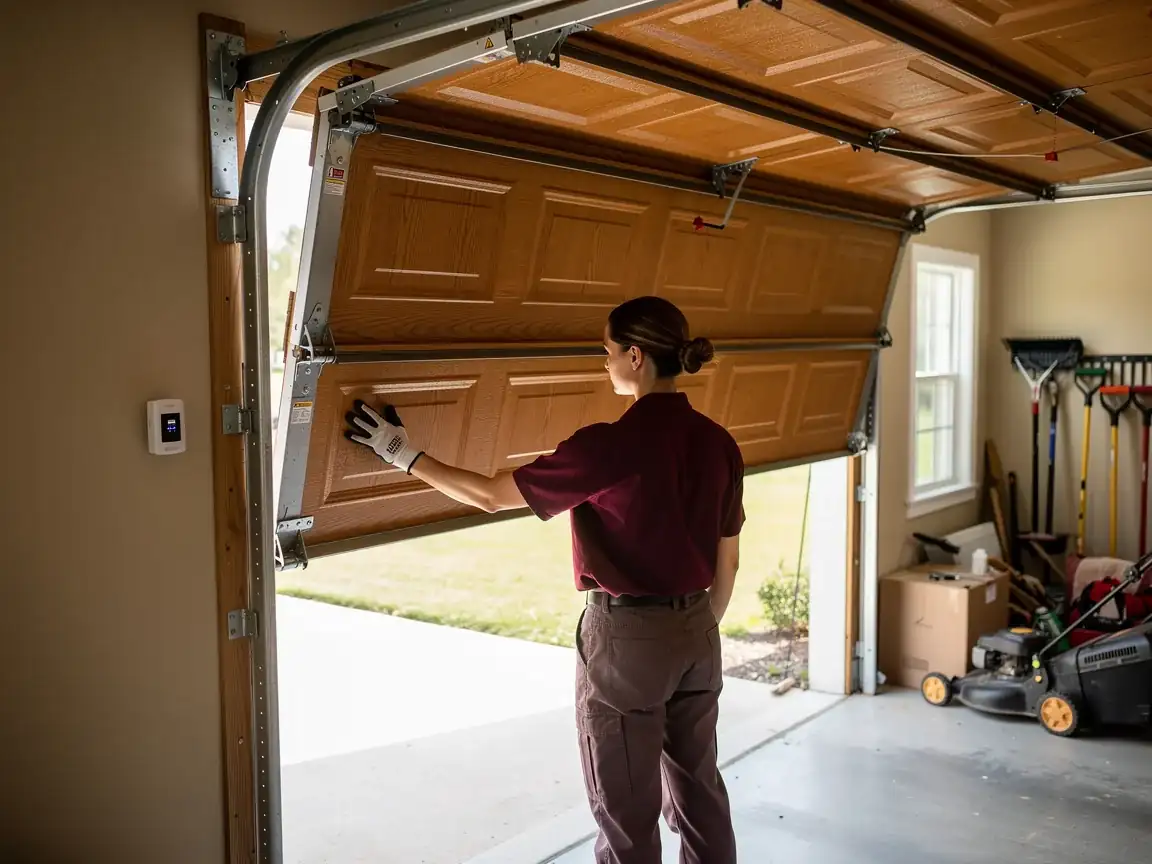
A straight swap on an opening that's still square and a header that can carry the new door's weight is usually a same-day job. Where it runs longer is when the header needs reinforcing or the track hardware has to be reset to true, which is common enough in this part of the service area given how much of the housing here dates to the late 1960s. We won't quote a fixed number of hours before we've seen the opening, because guessing on a house this age is how you end up with a schedule that doesn't match the actual work.
What Causes It Around Here
Roseville sits in a severe cold climate band, and that matters more for a new install than people expect. Cold swings work on wood framing over the years - header lumber contracts and expands with the seasons, and after five decades of that cycle, a lot of openings in this area are no longer the exact rectangle they started as. That's on top of the hardware mismatch: doors going up in 1968 were lighter, uninsulated, and didn't need the heavier torsion springs or reinforced tracks that current doors call for. Add the area's typical household size - this corner of the service area runs about 15,586 households, many in that same original-construction range - and you've got a lot of garages built to one spec now carrying doors built to another. That gap is what we're actually solving when we quote a new install here, not just hanging a door.