What Causes It Around Here
Circle Pines sits at a median household income of $96,477, which matters here because it sets where the repair-or-replace line actually falls on a job like this. At that income level, a straightforward torsion spring swap is a routine expense most homeowners absorb without much debate - but a full door replacement is the kind of job people put off a season or two, which is exactly why so many springs in this town are running well past when they should have been swapped.
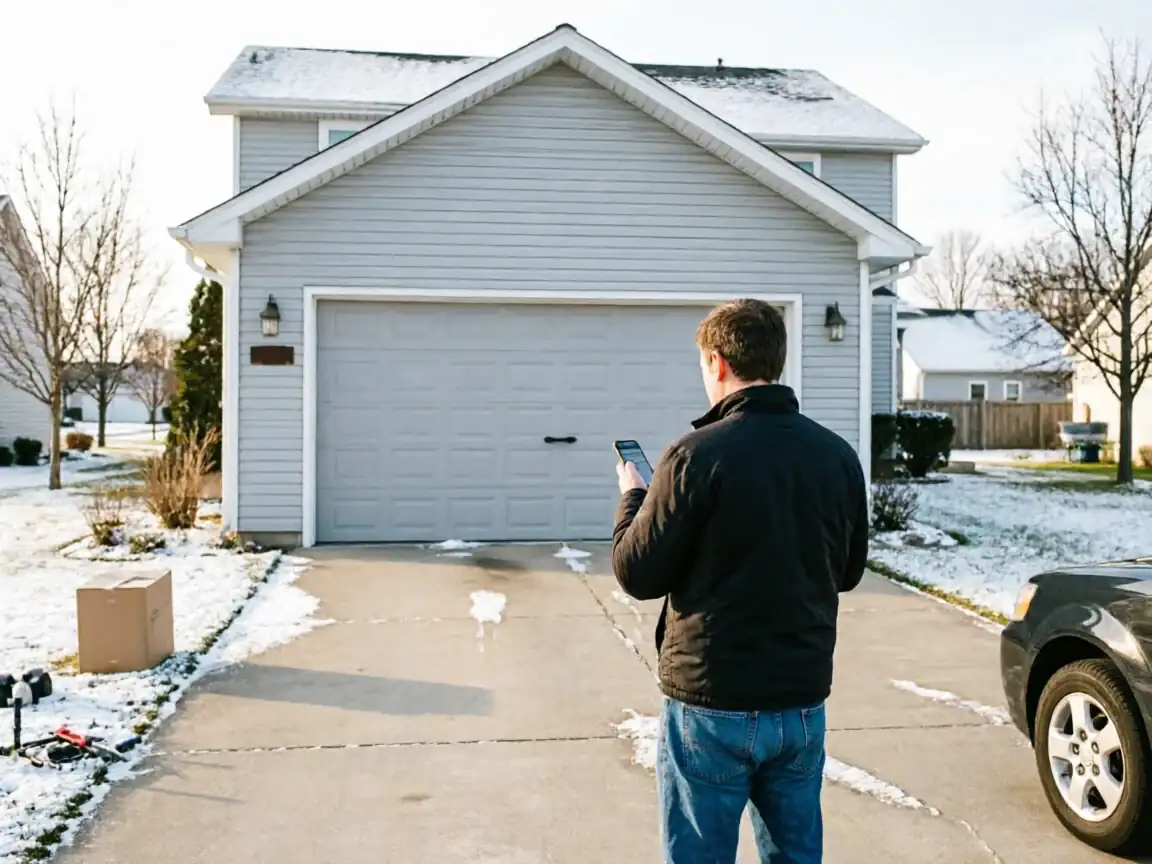
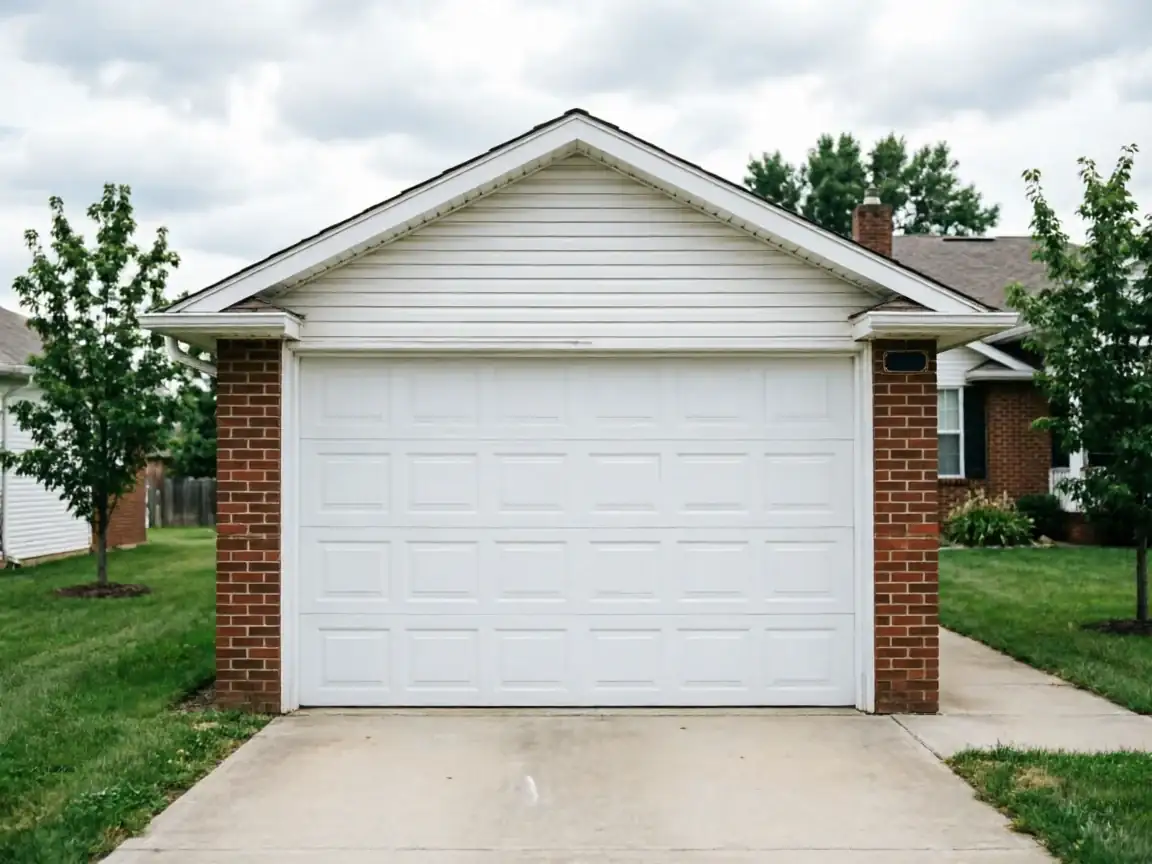
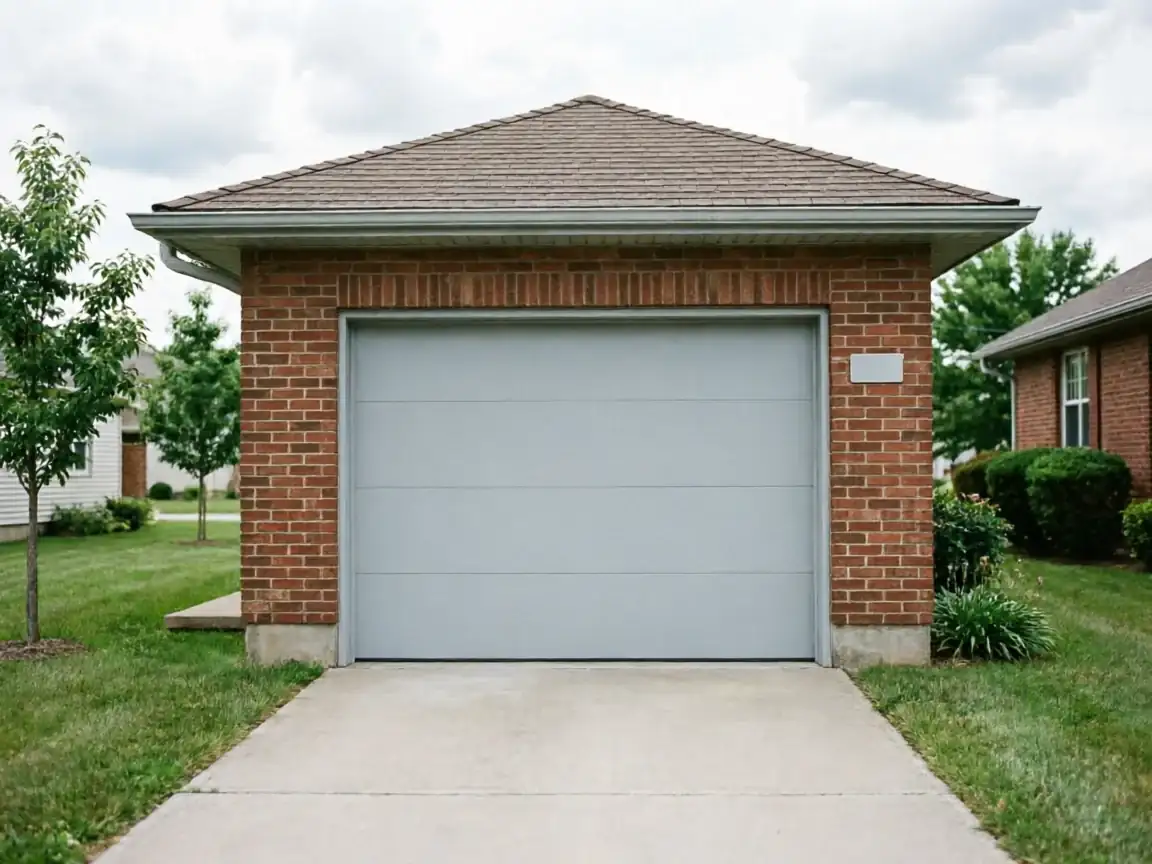
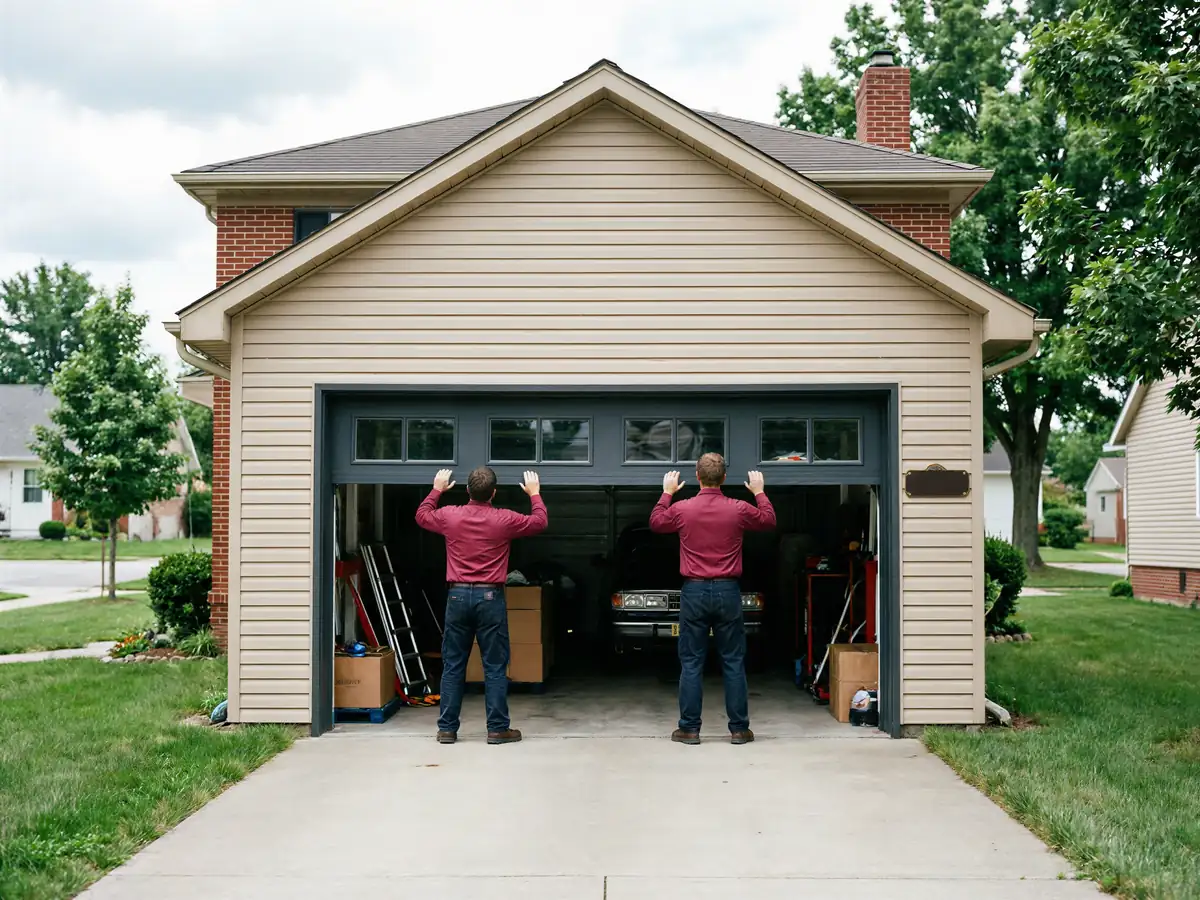
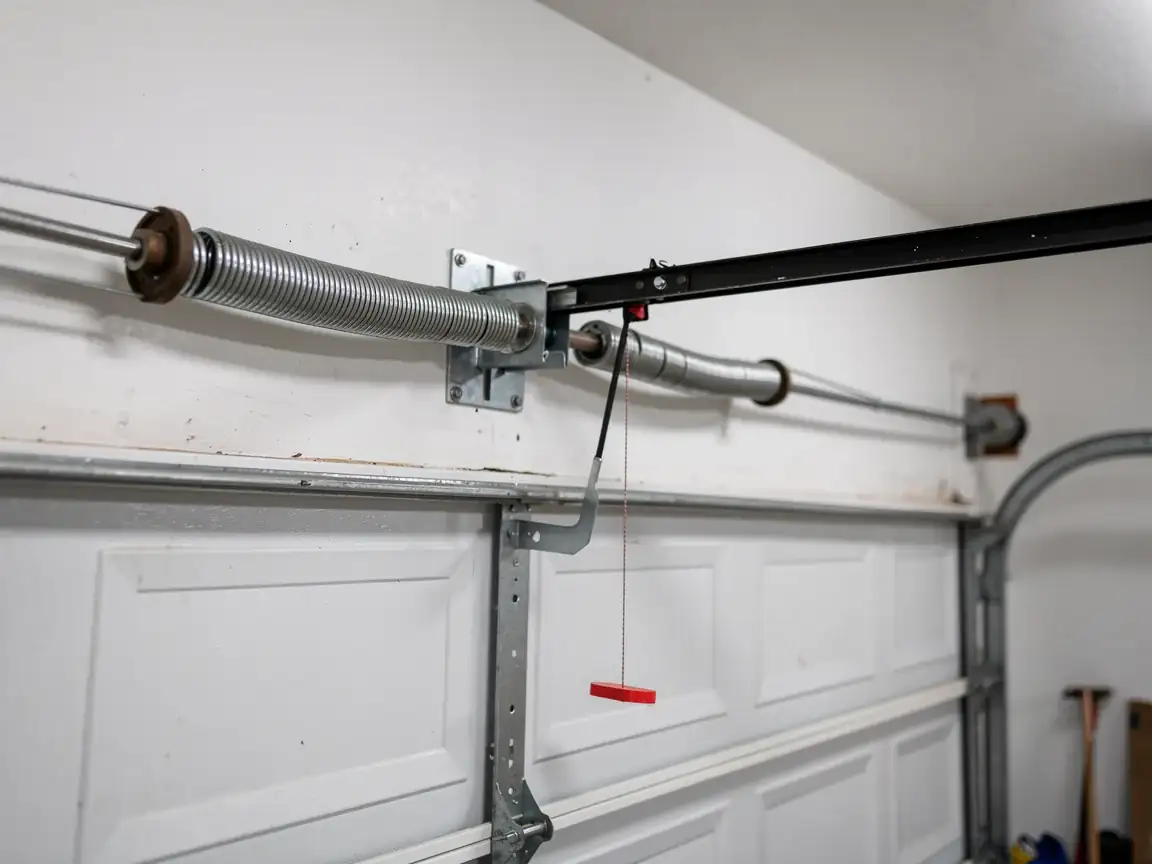
The houses themselves tell the story. The typical home in Circle Pines was built around 1982, putting most of the town's garage doors and their original hardware into the 40-year range. Torsion springs are rated by cycle count, not calendar years, but a spring installed when the house was built has usually seen 10,000+ open-close cycles by now - right in the range where the steel fatigues and snaps, usually without warning, usually on a cold morning.
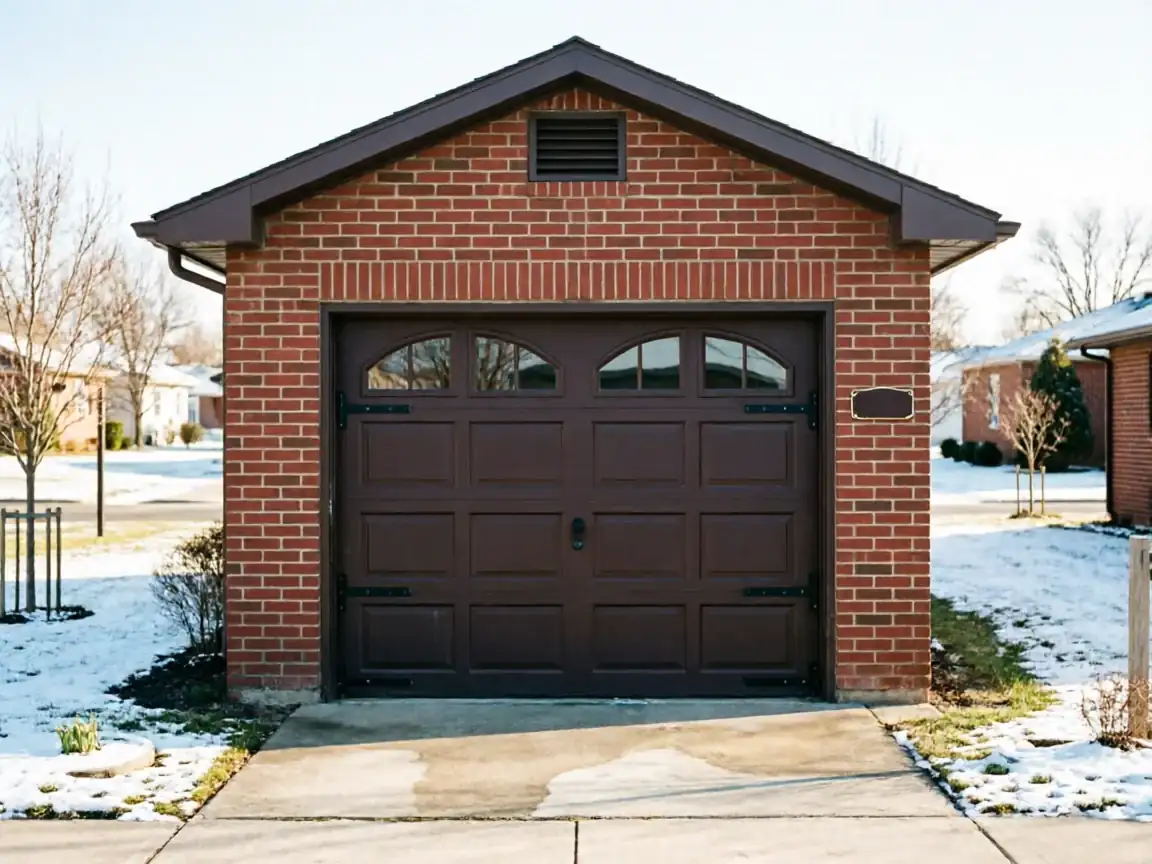
That's the other half of it. This is a cold-climate service area, and cold steel is brittle steel. A spring that's already near the end of its life cycle doesn't need much of a cold snap to finish it off. The combination of 1980s-era hardware and a real winter is what we see over and over on these calls.
What Can Go Wrong
A broken torsion spring is the most common call
And on a door this age it's rarely an isolated failure. The cable drums, bearing plates, and the torsion tube itself have usually never been touched since the original install, so when a spring lets go, it's common to find a frayed cable or a worn bearing plate sitting right next to it.
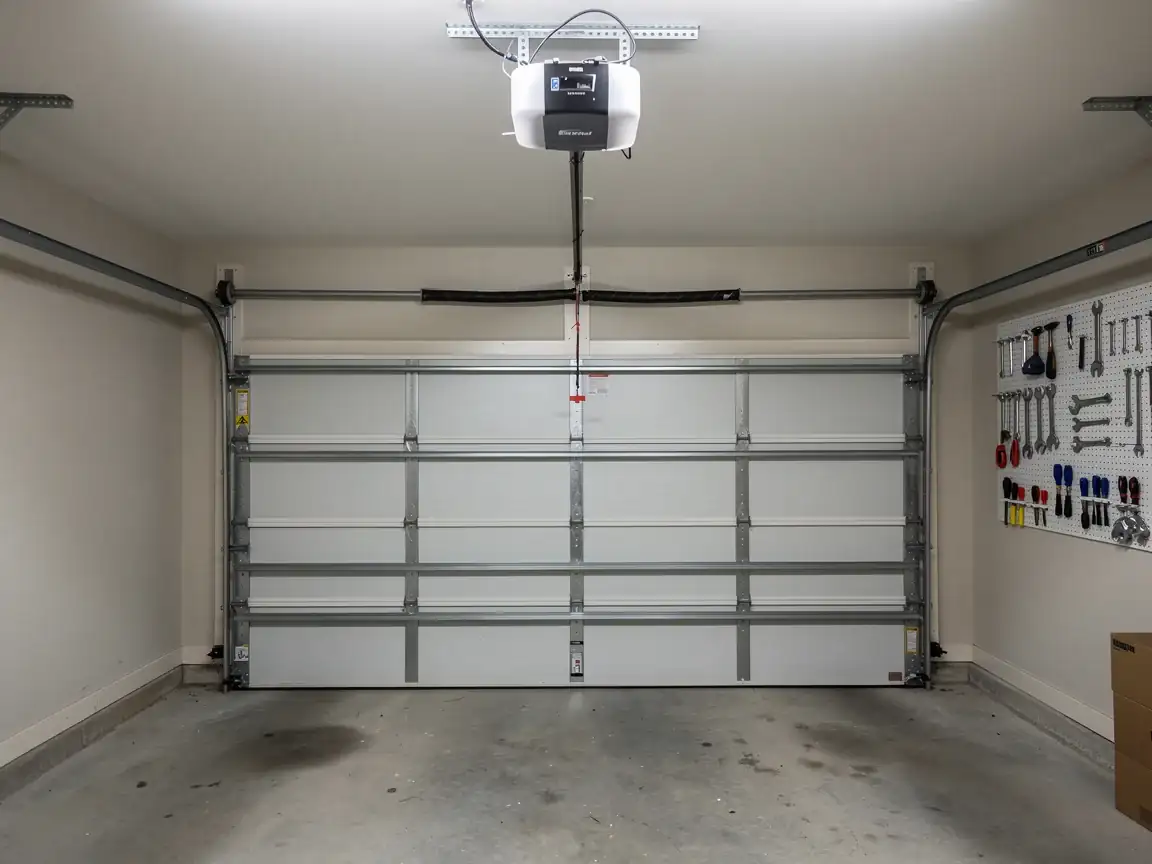
On two-car garages with a single center-mounted torsion spring
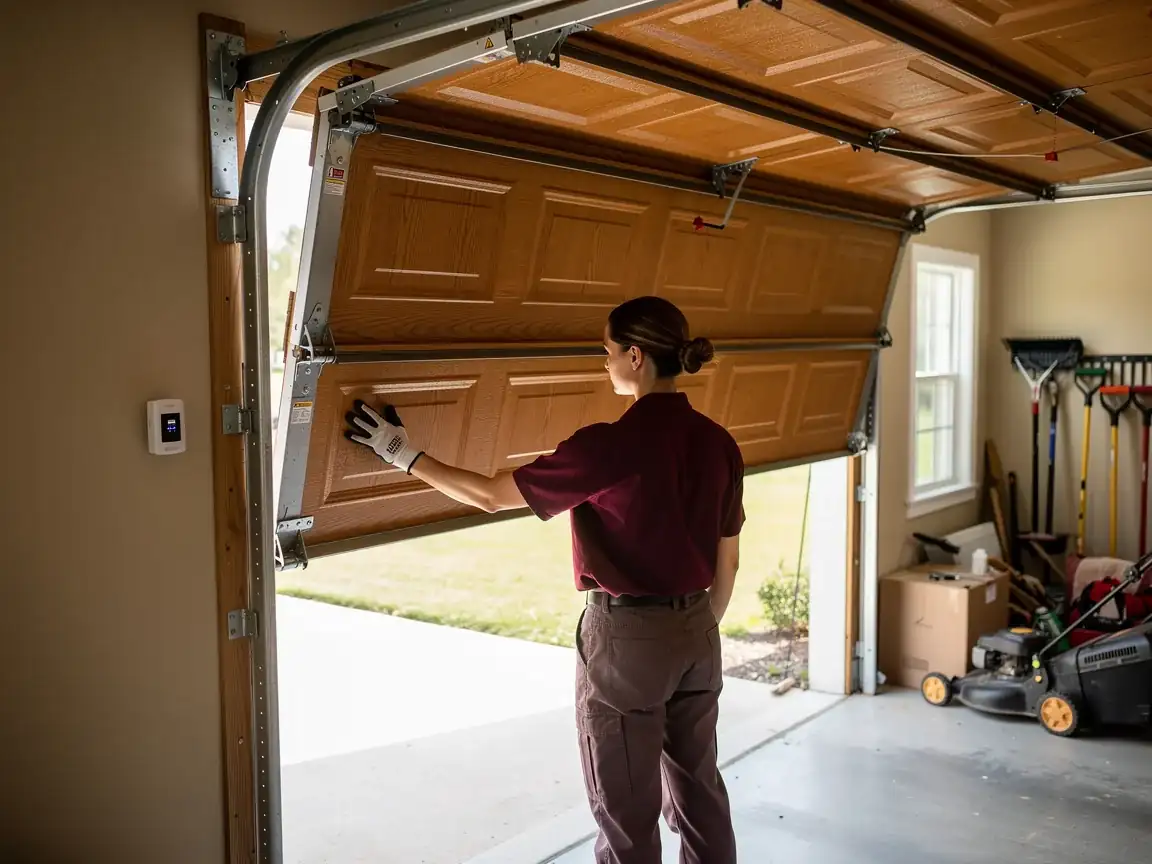
Standard for houses built in this era - a break means the door won't open at all, not even by hand without real effort, since the spring is doing almost all the lifting work. If your door has two springs and only one breaks, the door may still limp open, but running it that way stresses the opener and the remaining spring, which is how a one-spring problem becomes a two-spring job.
Extension springs, if your house has the older side-mounted style instead of torsion, fail differently
They tend to stretch and lose tension gradually rather than snap outright, so the door gets slower and heavier to lift over months before it finally gives out.
What the Repair Takes
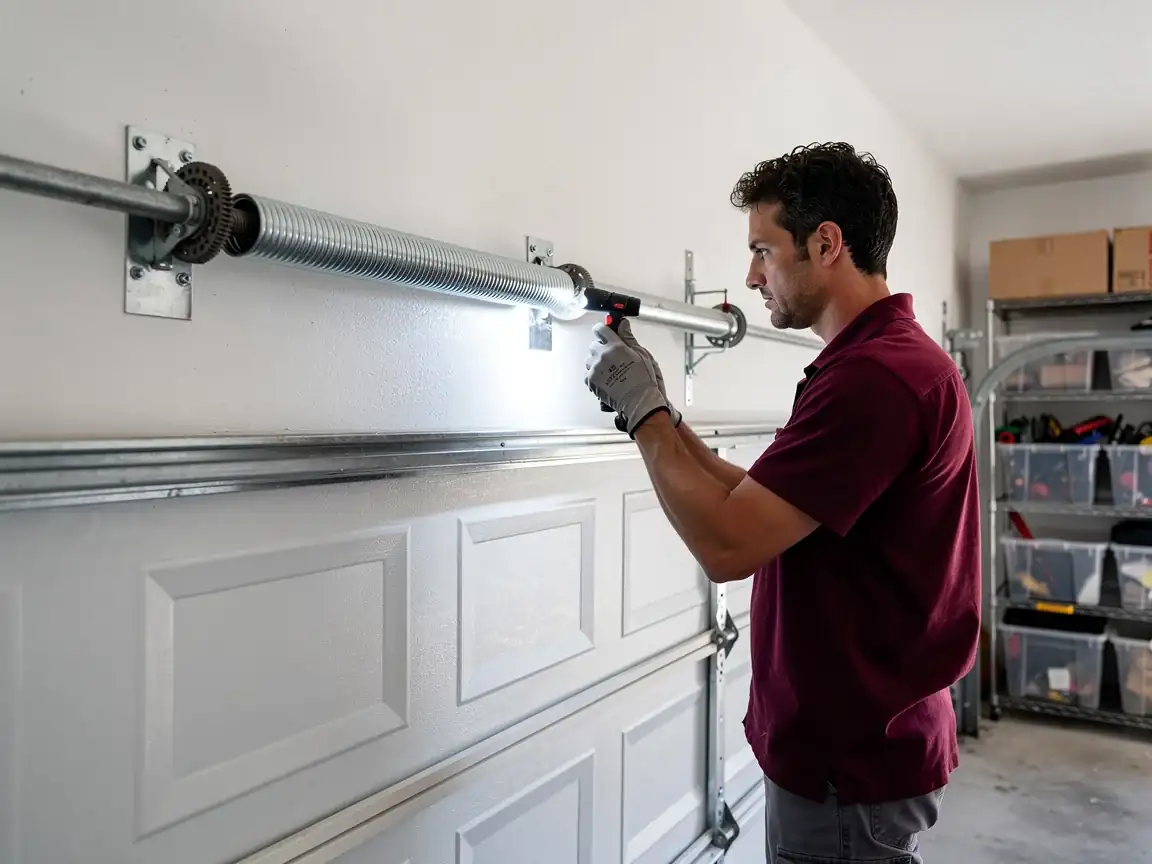
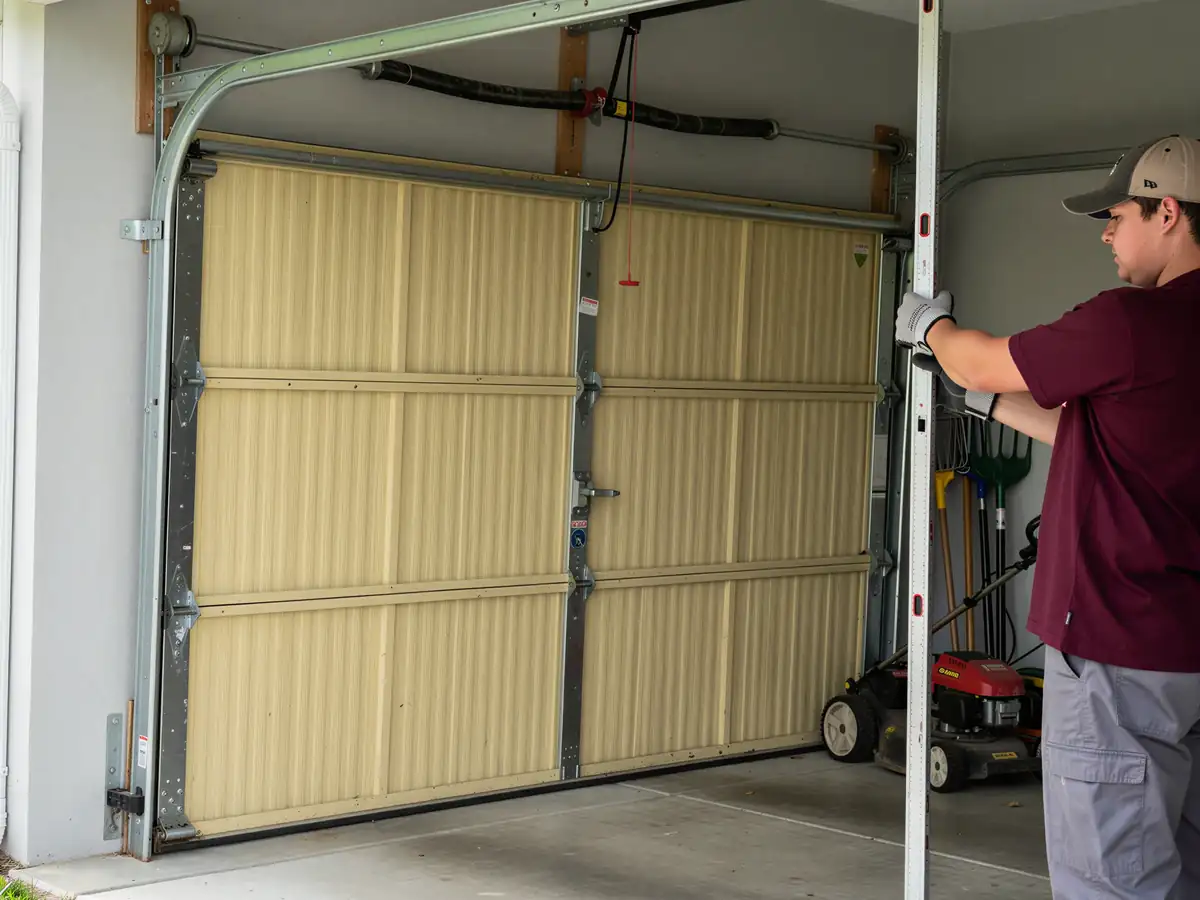
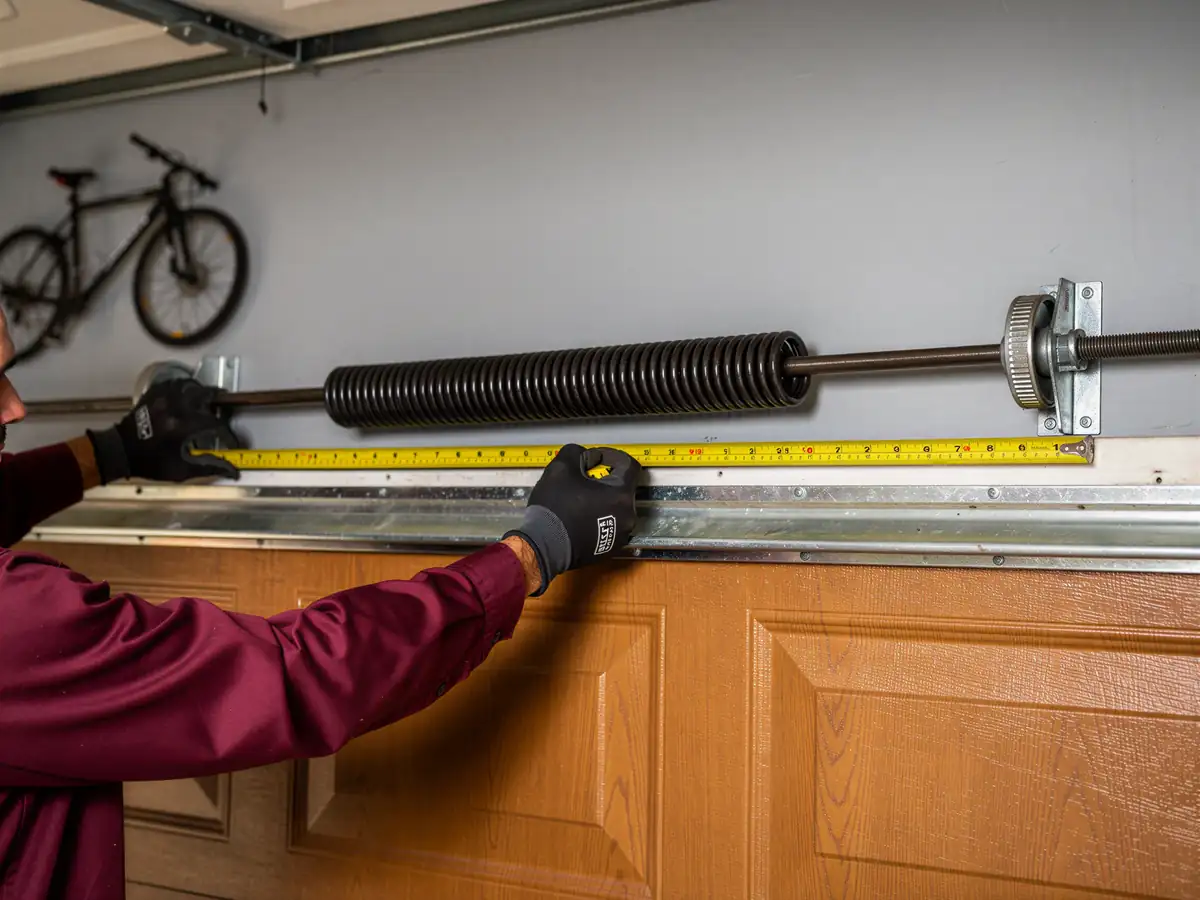
Spring repair means matching the replacement spring's wire size, coil diameter, and length to what your door actually weighs - not just swapping in whatever's closest. On houses from this era, that often means measuring the old spring directly rather than trusting a book spec, since original hardware doesn't always match what later catalogs list for that door size.
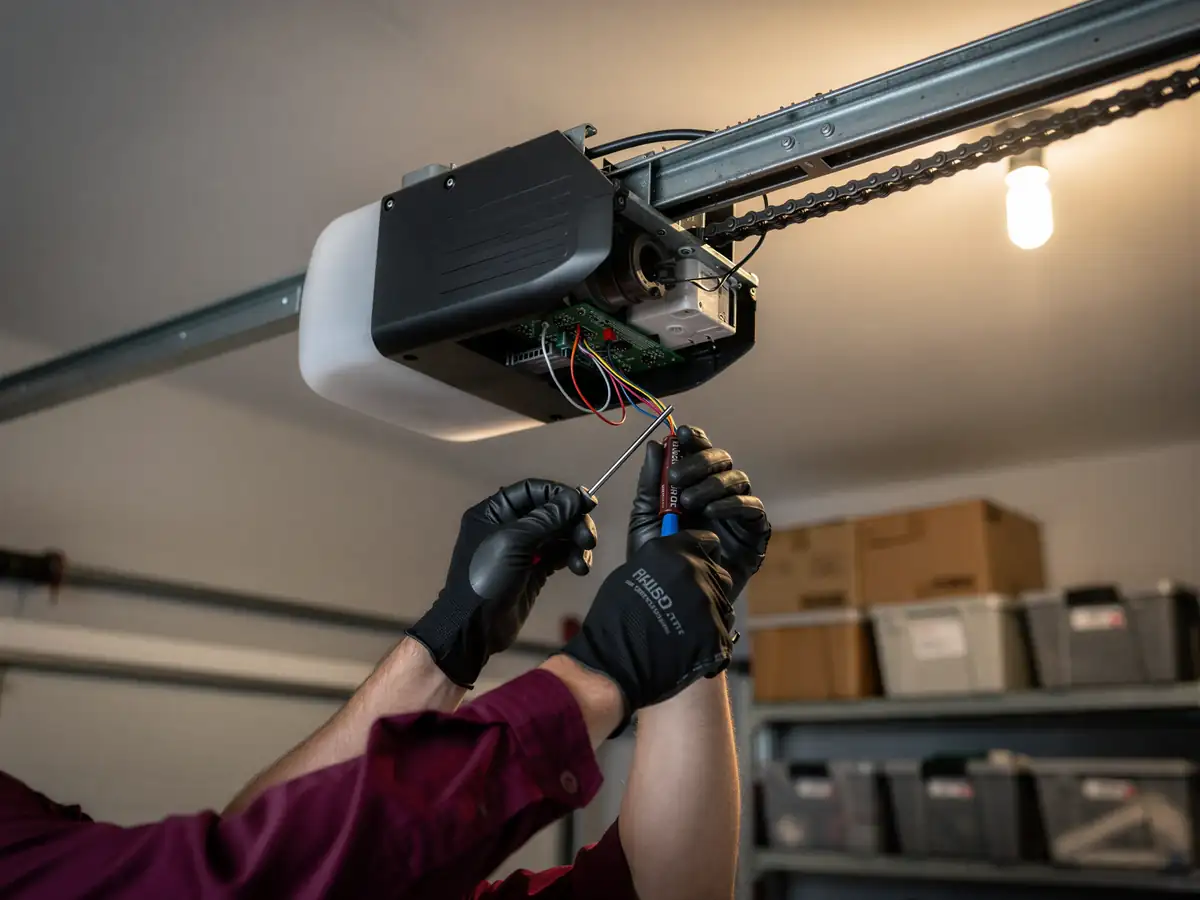
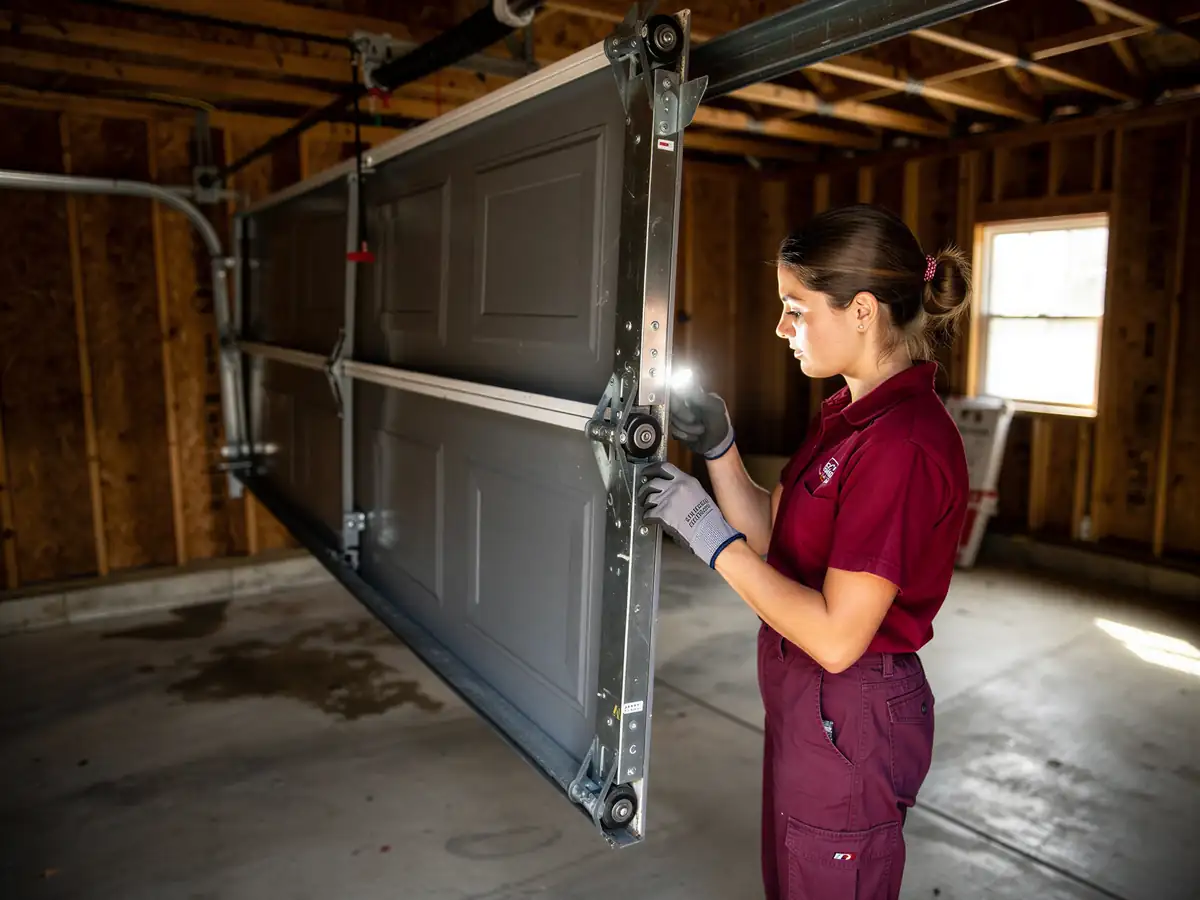
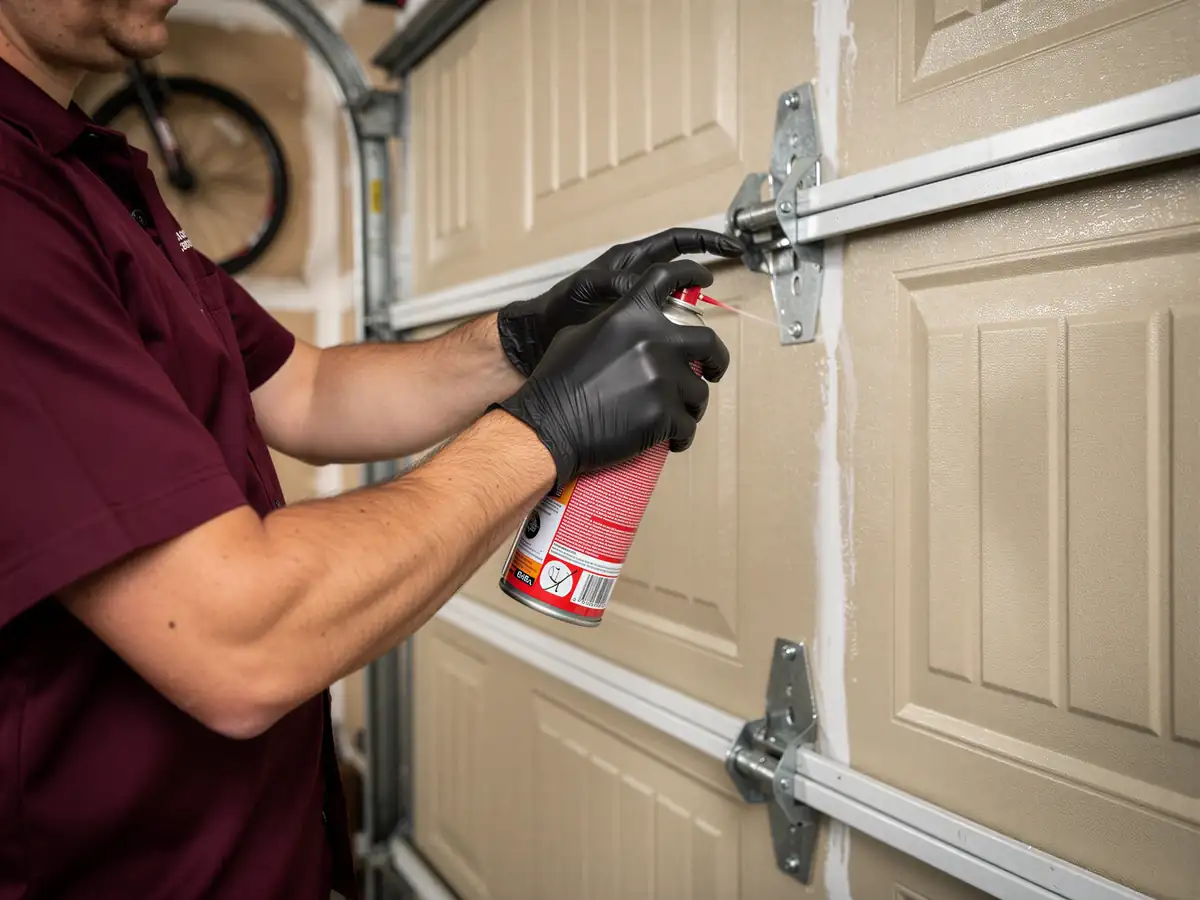
We check the cables, drums, and bearing plates at the same time, since those parts are the same age as the spring and showing the same wear. Replacing a spring and leaving a fraying cable next to it just means a second call later.
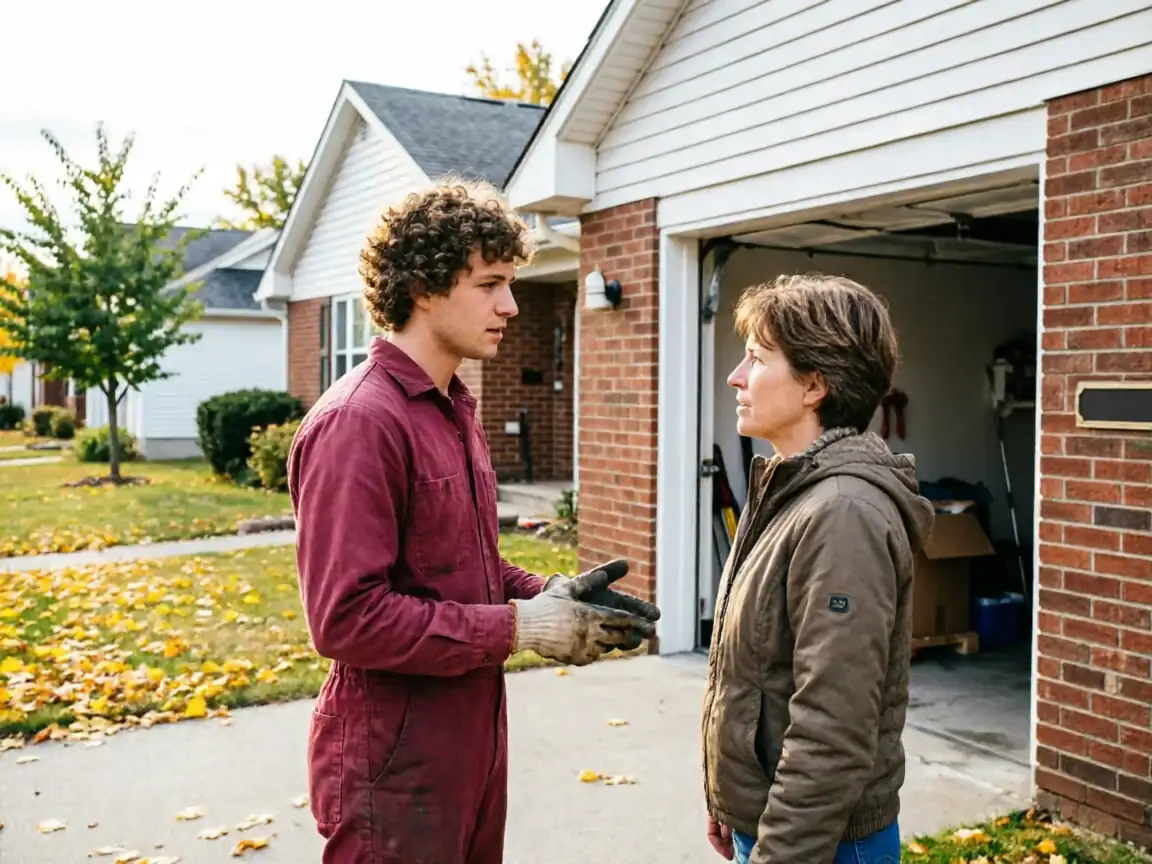
One honest limitation: if the torsion tube itself is bent or the bearing plate is rusted through, that's no longer a spring repair - it's a bigger hardware job, and we'll tell you that before we quote the smaller fix. We don't stretch a spring repair to cover a problem it won't fix.
What It Costs
At a median household income of $96,477, spring repair sits comfortably as a maintenance expense for most homes in Circle Pines rather than a decision that requires financing or delay - which is part of why it makes sense to fix it now rather than waiting for the door to fail completely on a double-spring setup.
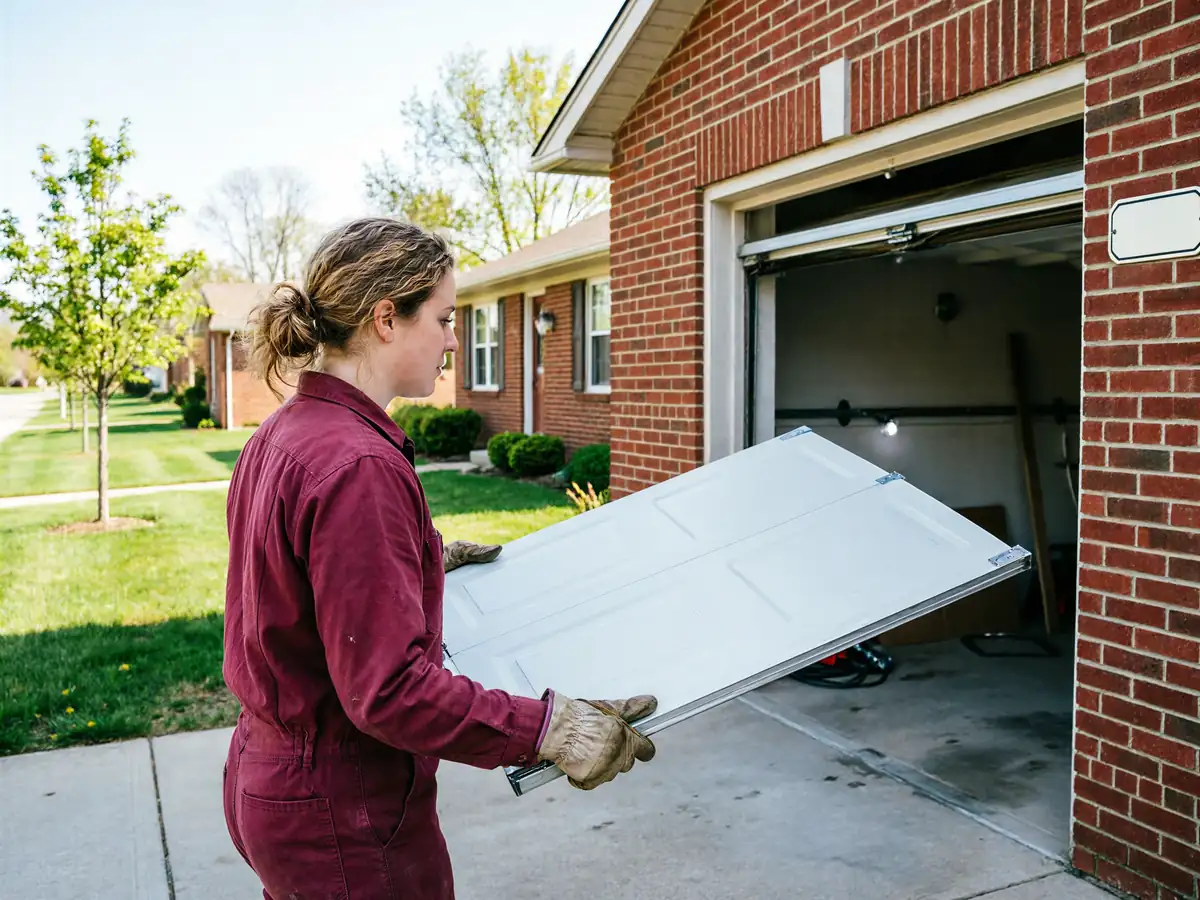
We travel to Circle Pines from Blaine, about 3 miles away, so the trip itself doesn't add meaningfully to the job. The repair cost comes down to spring type, door weight, and whether cables or bearing plates need replacing alongside it - not the distance we drive to get there.