What It Costs
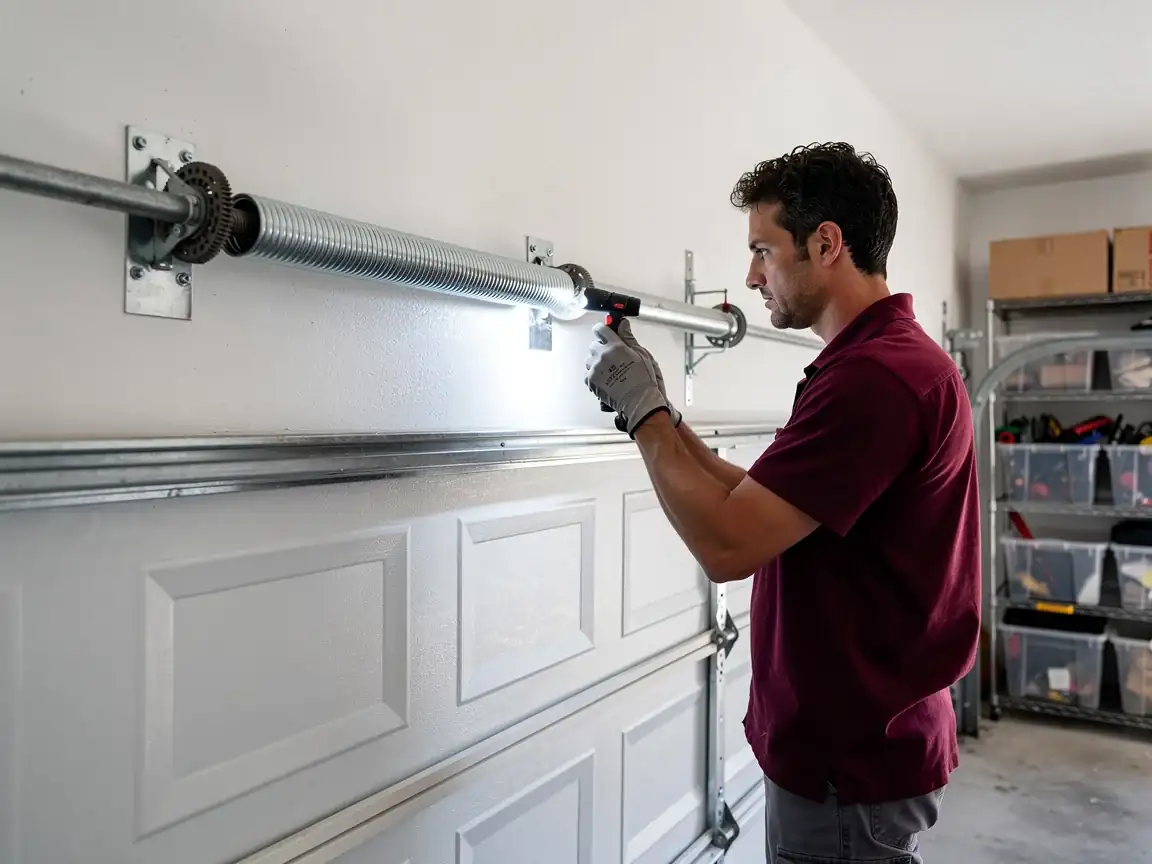
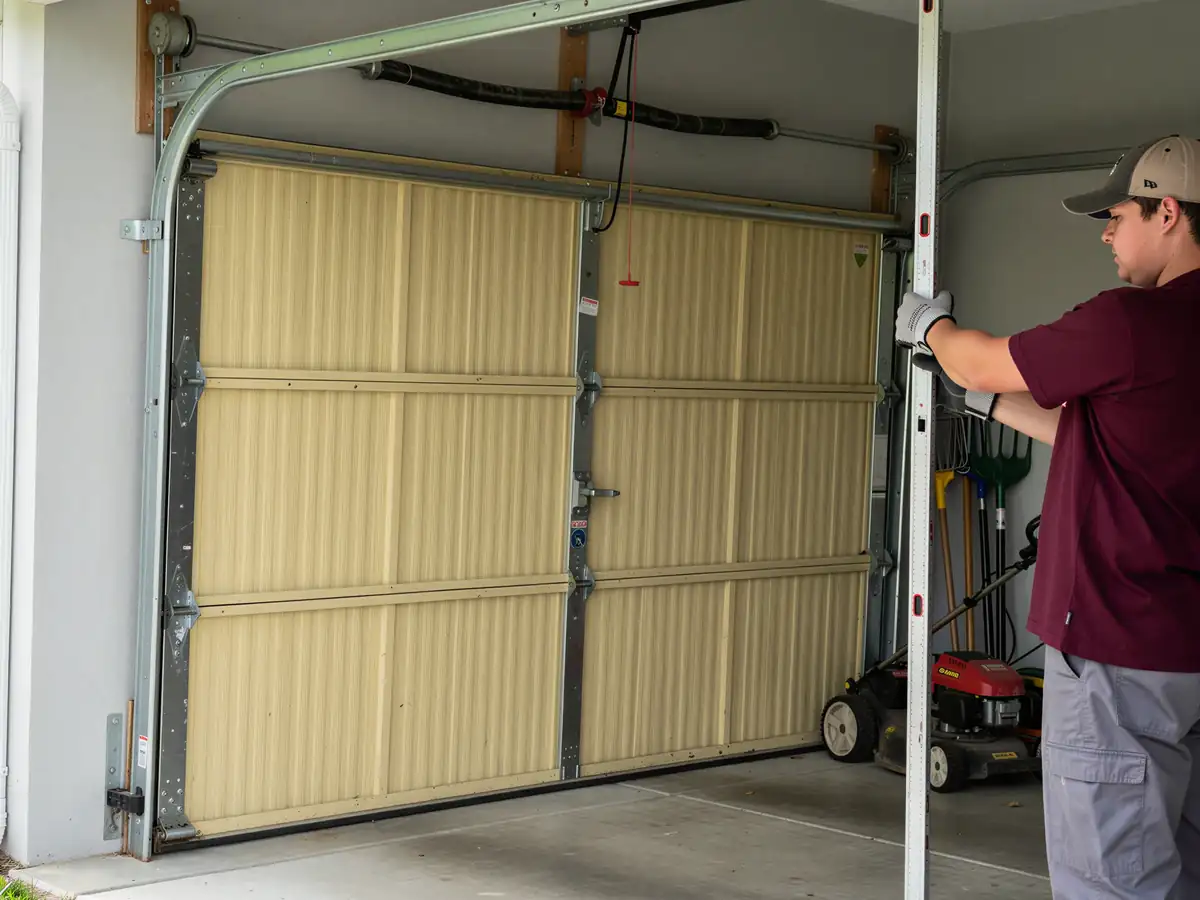
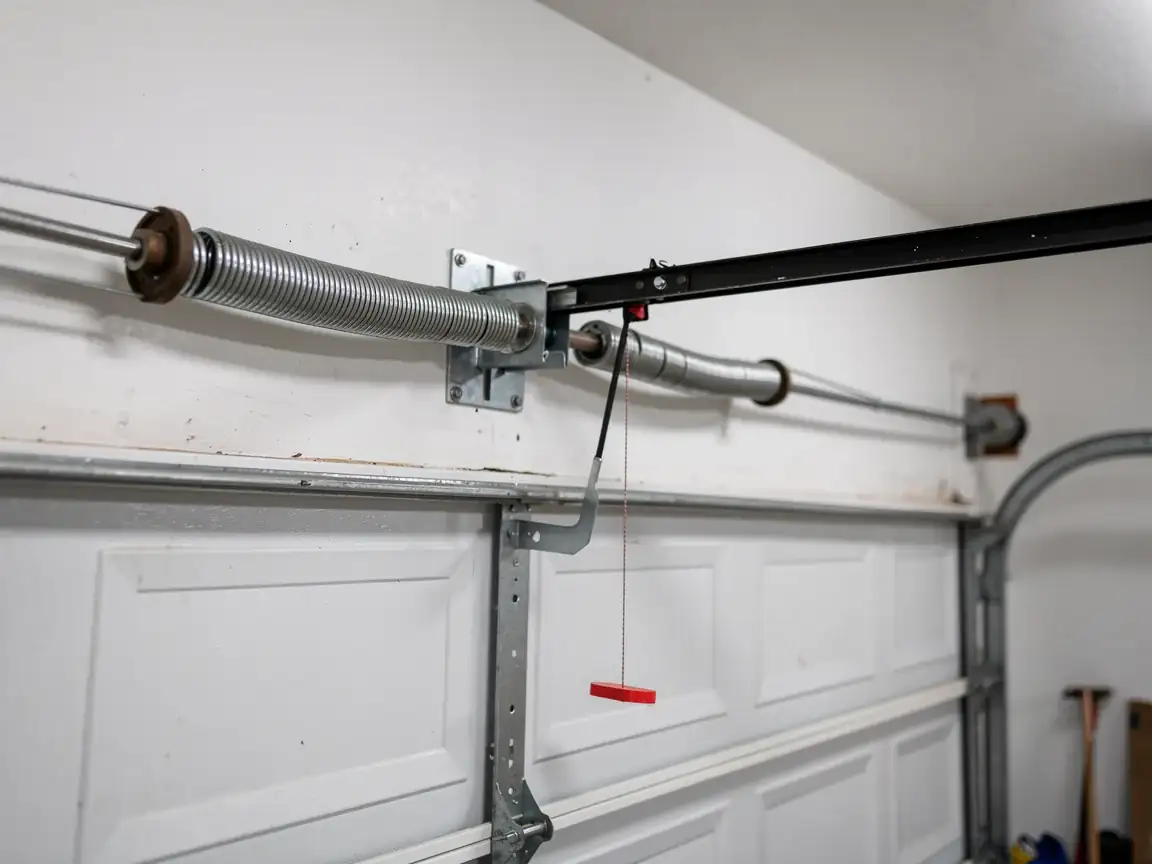
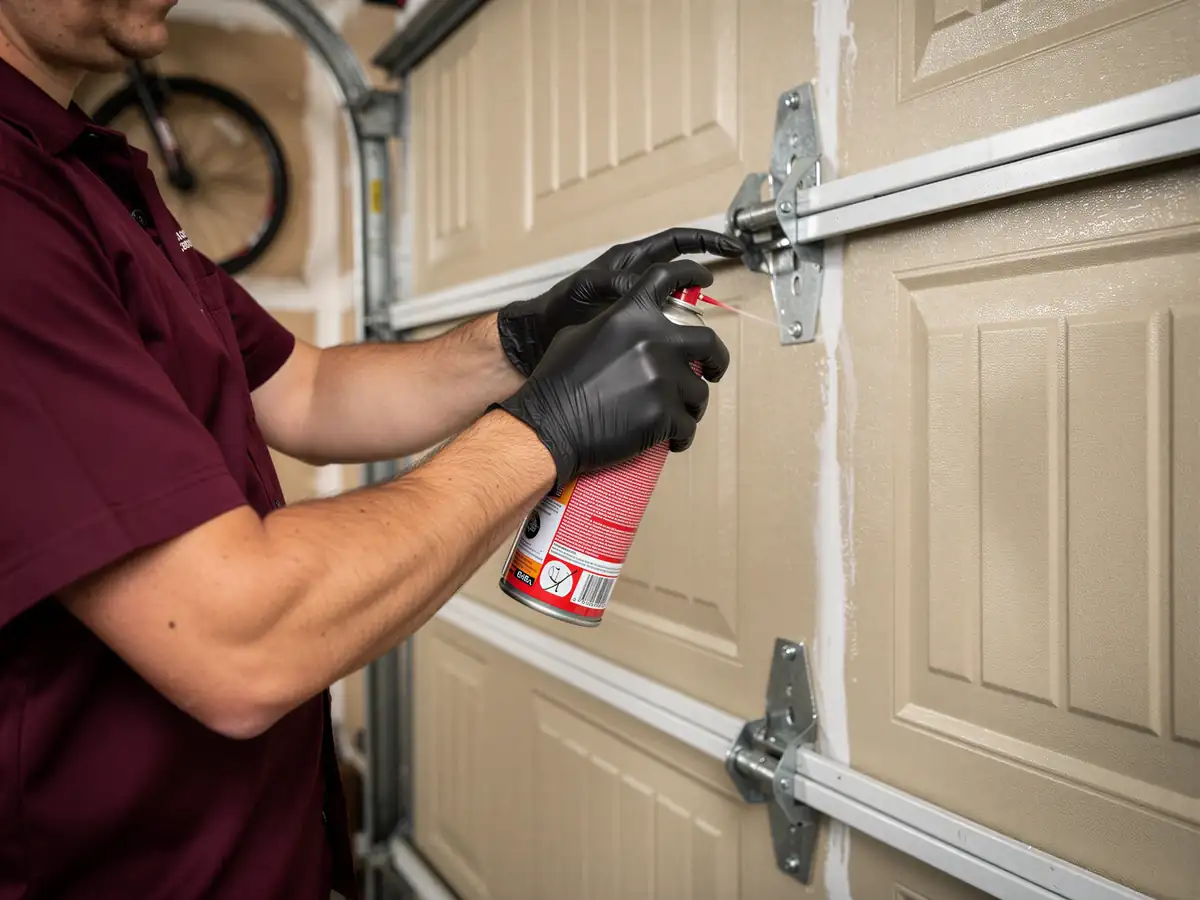
We don't post a flat number for maintenance because what a Champlin garage needs depends on what's still original. A lot of it is. The median home here went up around 1988, and a one-owner garage from that era usually still has its factory torsion spring, its factory cable, and a worm-drive or early chain-drive opener that's never been touched beyond the remote battery. A tune-up visit covers lubrication, hardware inspection, balance check, and opener safety test - that part is consistent. What changes the bill is whether something on that 35-year-old hardware needs replacing on the spot, like a cable fraying at the drum or a roller that's cracked rather than just dry. We'll tell you what we find before we touch anything, and we'd rather quote you for a spring replacement honestly than charge you for a lube job that ignores it. We travel the 9 miles out from Blaine for these calls, so we try to get the full picture in one trip instead of two.
What Can Go Wrong
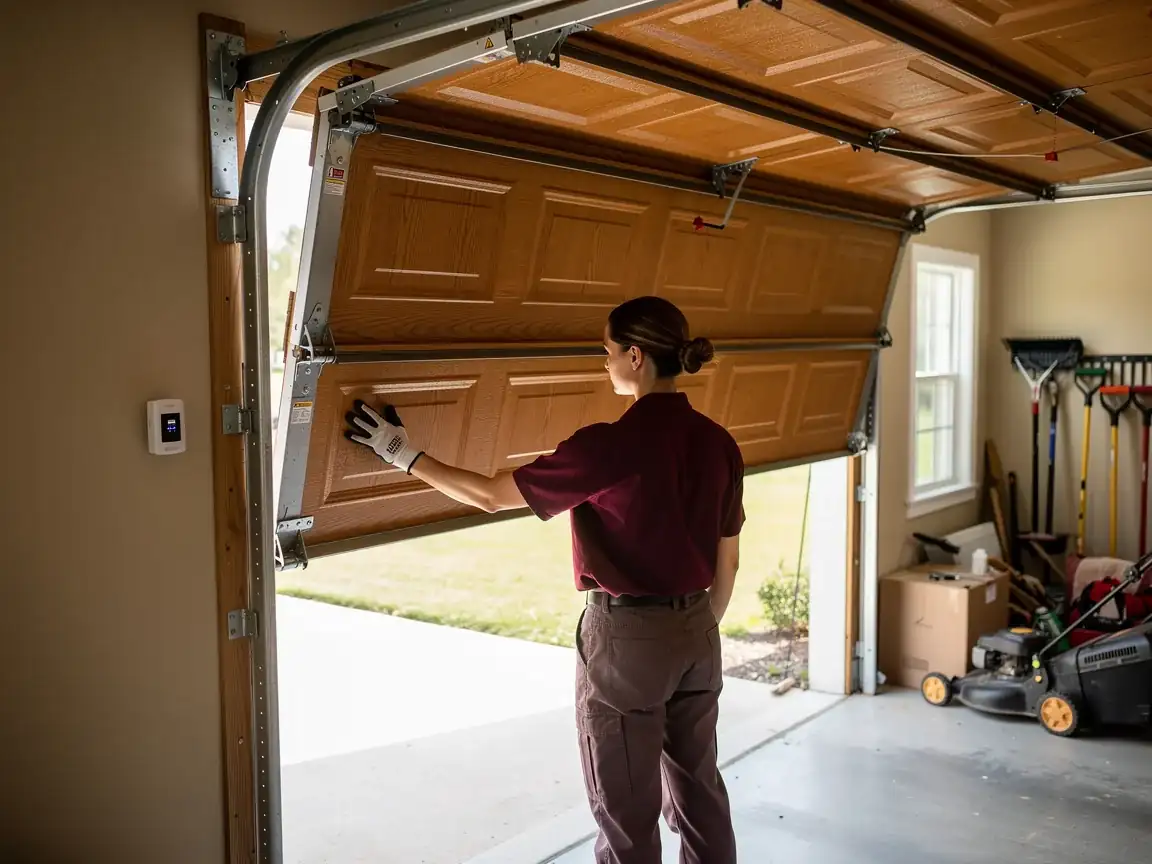
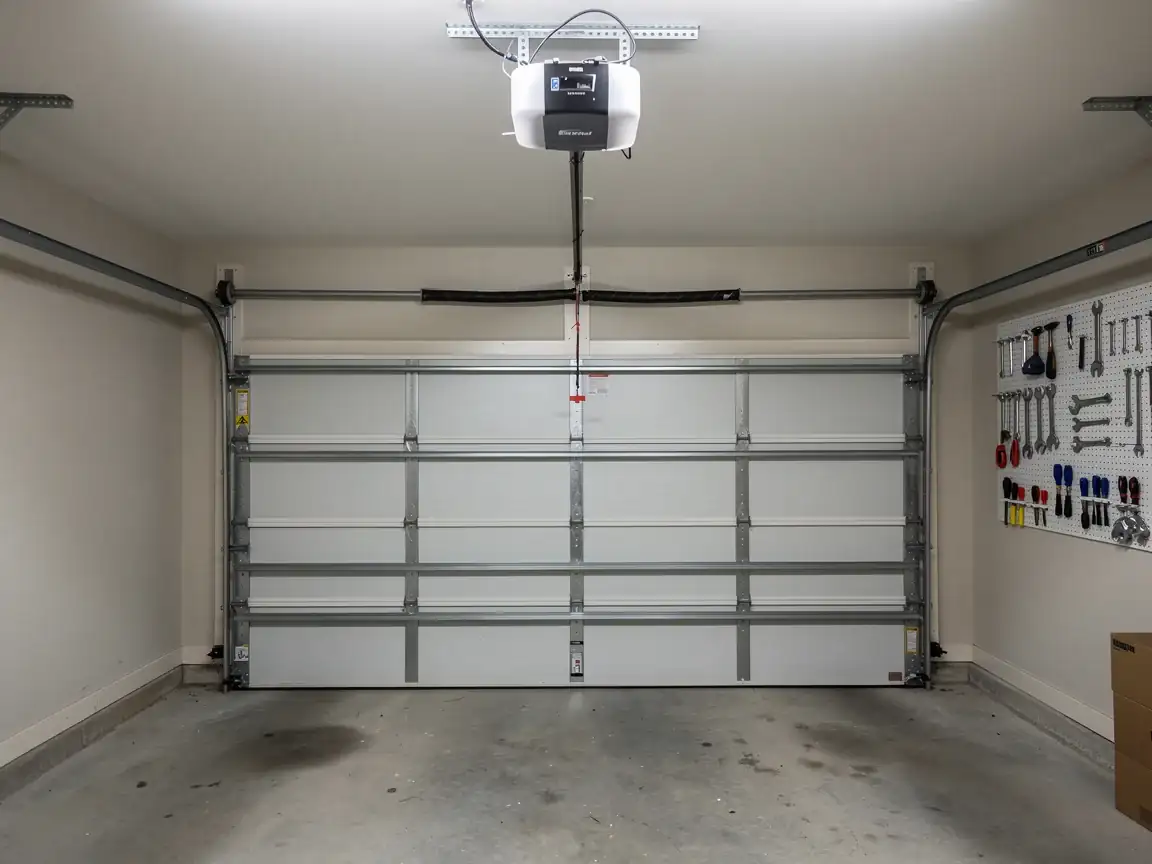
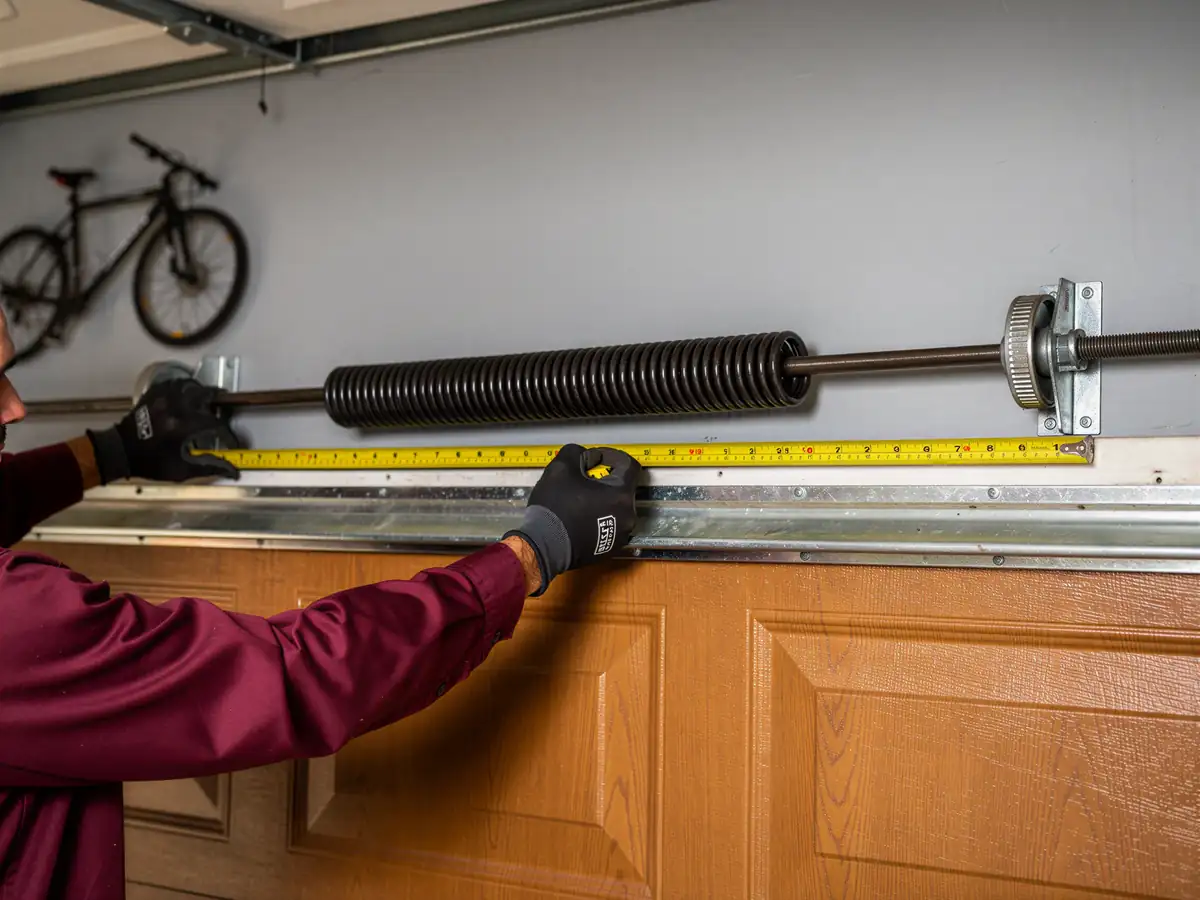
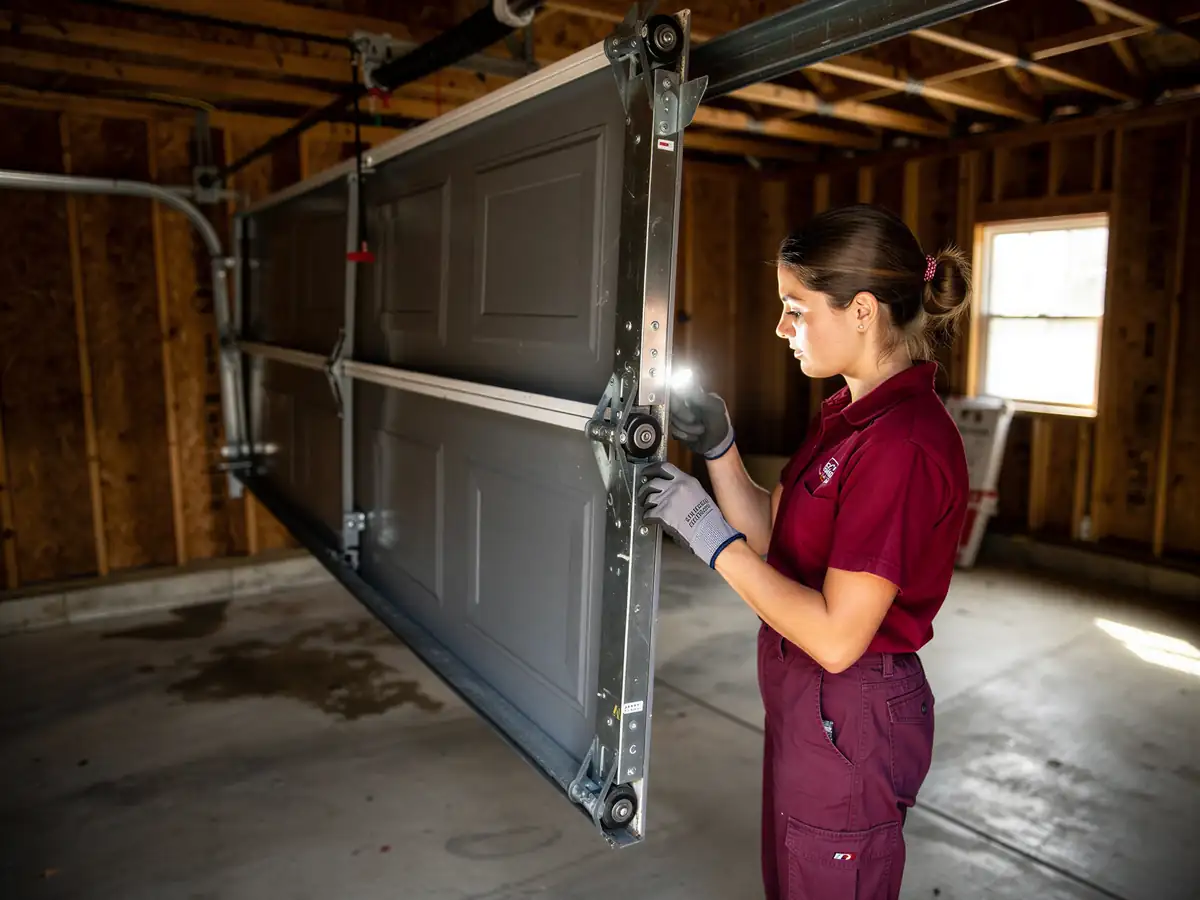
The failure pattern we see on Champlin's housing stock tracks the build year closely. A torsion spring rated for roughly 10,000 cycles starts showing fatigue well before 35 years of Minnesota winters are up, and cold makes steel brittle faster than a mild climate would. Nylon rollers from the late '80s have usually gone hard and start chipping; steel rollers without sealed bearings get noisy and start binding in the track. Worm-drive openers from that period are mechanically simple and often still run, but the gear sets wear and the drive chain stretches, so the door starts closing slower than it opens - an easy thing to miss until it stops closing all the way. None of this means the door needs full replacement. Most of it is hardware swap-out on an opener and track that are otherwise sound.
Parts We Carry
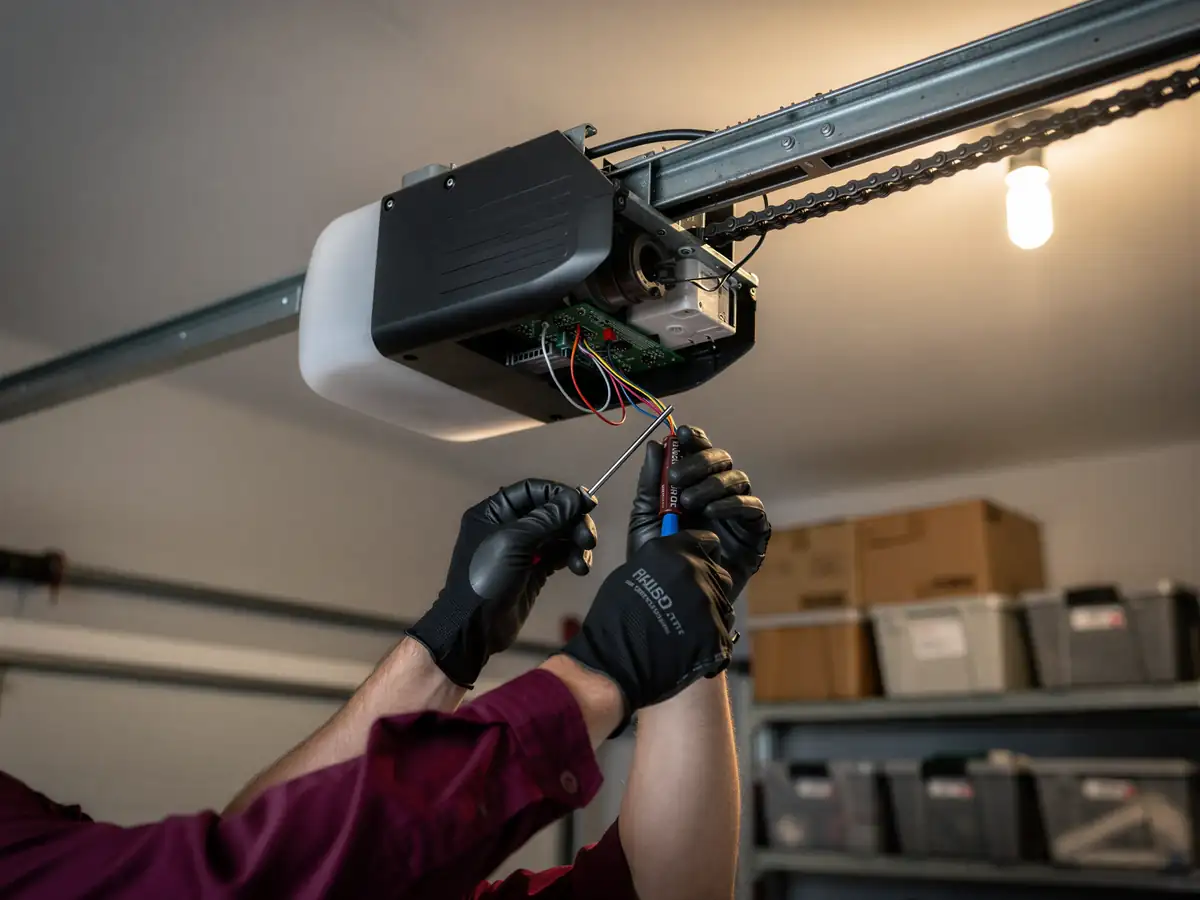
We stock the parts that fail most often on doors this age: torsion springs in common residential sizes, galvanized lift cable, steel and nylon rollers, hinges, and center and end bearing plates. Opener parts are more hit or miss - a logic board or a specific gear kit for a worm-drive unit from the late '80s may not be made anymore, and we won't pretend we can source every discontinued part on the spot. When that happens, the honest call is usually replacing the opener rather than hunting for a part that may not exist, and we'll say so instead of stringing out a repair that isn't worth stringing out.