
Maintenance · St. Louis Park
Garage Door Maintenance for St. Louis Park's 1960s Housing Stock
St. Louis Park homes mostly date to the 1960s - a different era than Blaine's. We tune the hardware that era actually used, traveling the 17 miles to do it.
How It Shows Up
In St. Louis Park, the maintenance call usually starts with a door that groans on the way up instead of rolling quiet. That's not random - most houses here went up through the 1960s, with a median build year around 1965, a good fifteen years ahead of the 1980 median across the wider service area we cover out of Blaine. Doors and hardware from that era were built to a different standard than what gets installed today, and a lot of it is still in these garages, just worn.
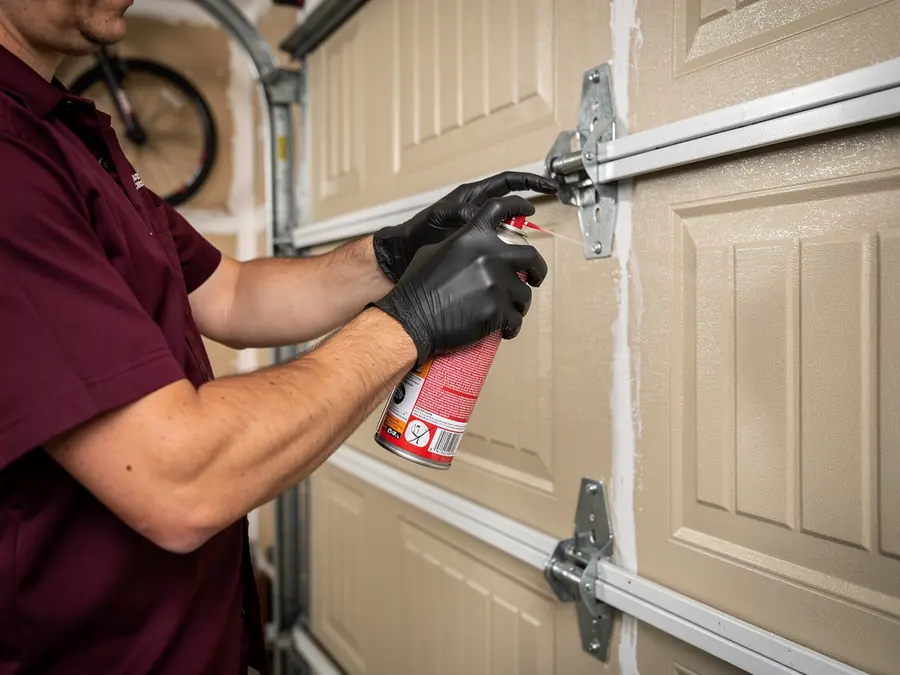
What we actually see: dry hinges that have never seen lubricant, rollers with flat spots from decades of the same groove, and extension-spring setups that were standard before torsion springs took over as the default. None of that is a surprise for a neighborhood this age - it's exactly what you'd expect. The climate here is cold and severe enough that hardware gets stressed twice a year, in the spring thaw and again when the first hard freeze locks up anything that wasn't lubricated before winter.
What It Costs
We don't have a flat number to quote here - the facts we work from don't give us a fixed maintenance price for St. Louis Park, and we're not going to make one up. What we can tell you is what drives the cost: how many hinges and rollers need replacing versus just lubricating, whether the springs are original 1960s-era stock or already swapped out, and whether the opener has been serviced at all since it was installed.
Homes built around the 1965 median in this town tend to need more hands-on time than newer construction, simply because the hardware has had sixty years to wear instead of twenty. That's not a sales pitch - it's just the math of an older door. If a spring or cable is close to failing, we'll tell you straight rather than running a tune-up around a part that won't make it through another season.
Booking a Visit
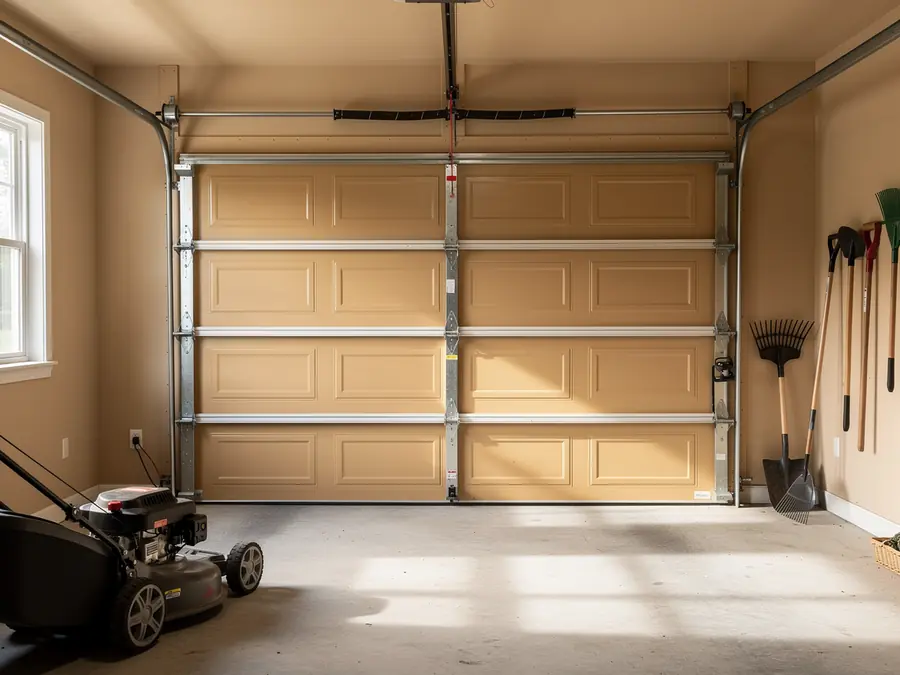
We run out of Blaine, 17 miles from St. Louis Park, so we don't keep a crew parked nearby - visits here get scheduled rather than squeezed in same-day. That's the honest limitation: if your spring lets go on a Tuesday afternoon, we're not the next truck down the block. What we can do is get a maintenance visit on the calendar and work it efficiently once we're on-site, since a cold-climate service area like this means we're usually doing more than one stop near St. Louis Park on the same route.
Book through the area page below and we'll get the details - door age, symptoms, and whether it's a single or double - before the truck ever leaves Blaine.
What Can Go Wrong
With 24,126 households in St. Louis Park, a lot of those garages are running on original or first-replacement hardware from a build era that predates torsion-spring-as-standard. The extension springs common in that period don't fail gracefully - they're the ones without a containment cable running through the coil, so a snap can send the spring and whatever it's attached to across the garage. That's the fault we watch for first on a maintenance call here, more than we would in a neighborhood built in the 1990s.
Cold-severe winters make it worse. Metal contracts, grease stiffens, and a spring that was already fatigued from fifty-plus years of cycles is more likely to let go on the coldest morning of the year, right when you need the door to open. We check for cable retainers, spring wear, and opener force settings as a matter of course, not as an upsell.
How Long It Takes
A standard tune-up visit covers lubrication, hardware inspection, track alignment, and opener safety checks. We don't have a published time figure to give you, and pretending otherwise would be a guess dressed up as a fact. What we can say is that older hardware - the kind common in a town with a 1965 median build year - usually takes longer to go through than a newer door, because there's more to inspect and more worn parts to flag, even if nothing gets replaced that day.
If we find a spring or cable close to failing, we'll say so before we leave rather than let it ride until the next scheduled visit. That's the one call where tune-up turns into repair conversation on the spot.
FAQ
Questions about this
Why does St. Louis Park's garage door maintenance differ from other suburbs you cover?
The housing stock is older here - a median build year around 1965, compared with 1980 across the wider area we serve from Blaine. That means more extension-spring setups and older rollers, which changes what we check first on a tune-up.
Do you have a local office in St. Louis Park?
No. We run out of Blaine, about 17 miles away, and schedule St. Louis Park visits rather than offering same-day drop-ins. If you need urgent same-day service, plan around that distance when you book.
What's the biggest risk with an older garage door in this area?
Extension springs without a containment cable, common in 1960s-era installs, can snap without warning and send parts flying. Cold winters add stress to fatigued hardware, so that's the first thing we inspect on a maintenance visit here.
Tell us what your door is doing.
We serve Blaine, MN and nearby communities. Every job starts with a diagnosis, so you know what failed before any work begins.