
Service area · Ramsey
Garage Door Repair for Ramsey Homes
Blaine Garage Door Pros drives out to Ramsey for 1990s-era door and opener repairs, torsion spring swaps, and track work suited to this area's housing stock.
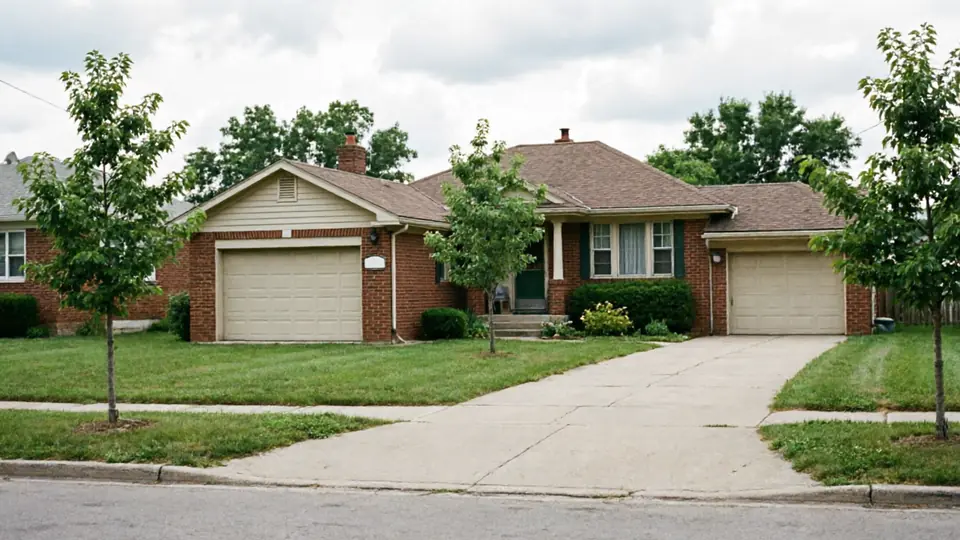
In Ramsey
Garage door services in Ramsey
What each job involves for Ramsey homes specifically.
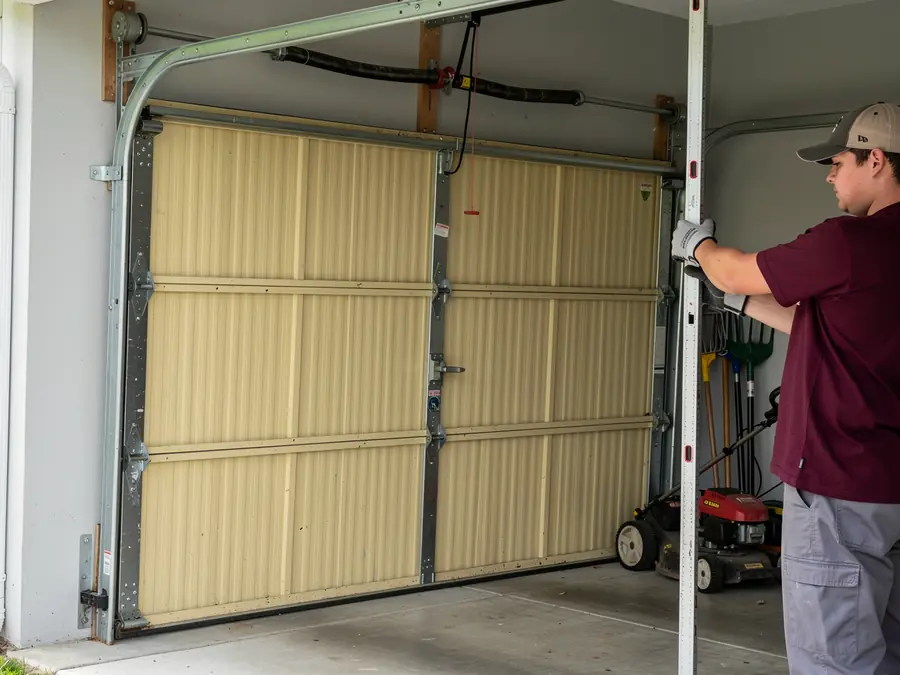 01Garage Door RepairRamsey homes built mostly in the mid-90s still run original openers and torsion springs. We travel from Blaine to fix doors, springs, and openers across Ramsey.Read more
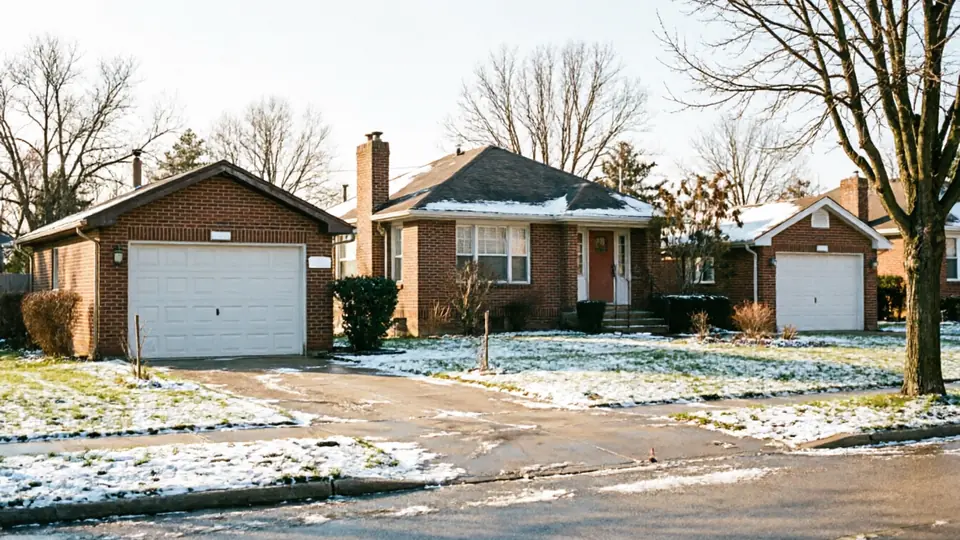 02Garage Door InstallationRamsey homes mostly went up around 1995, newer than much of the Blaine service area. See what that means for new door sizing, hardware, and cost before you book.Read more
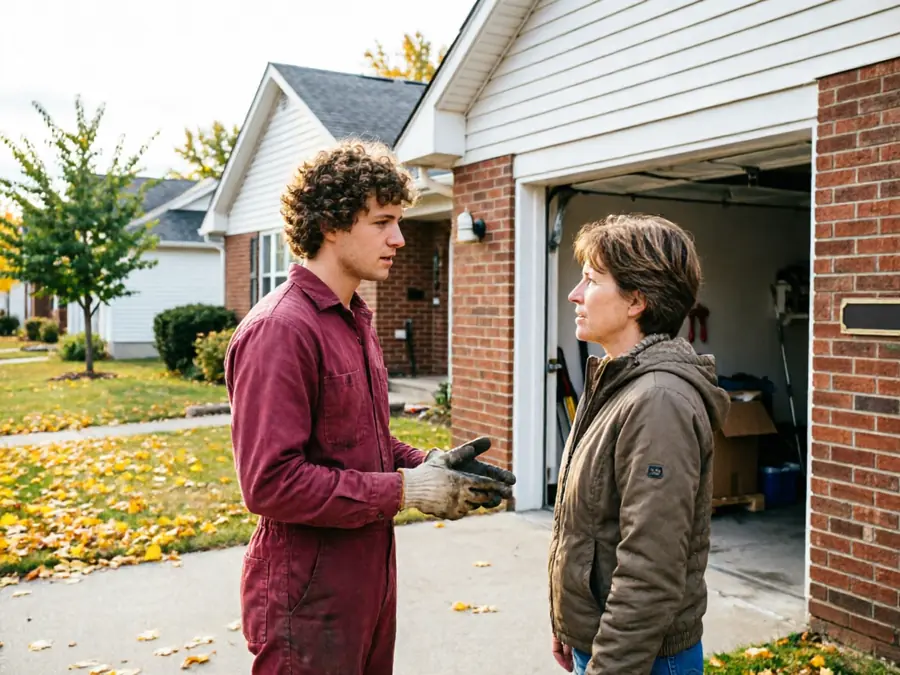 03Garage Door ServiceRamsey homes mostly went up in the 1990s, which means steel sectional doors on torsion springs, not the older extension-spring setups. We drive out from Blaine, 14 miles away, to fix them.Read more
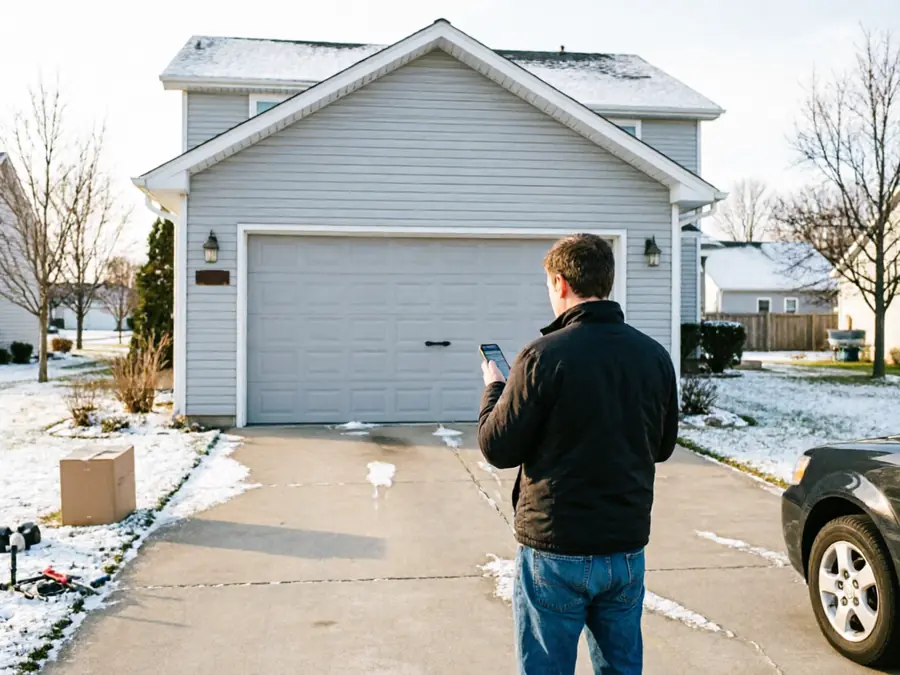 04Opener RepairOpener repair for Ramsey homes, most built after the mid-1990s, serviced from Blaine. We explain when a $112,060 median income household should fix vs. replace.Read more
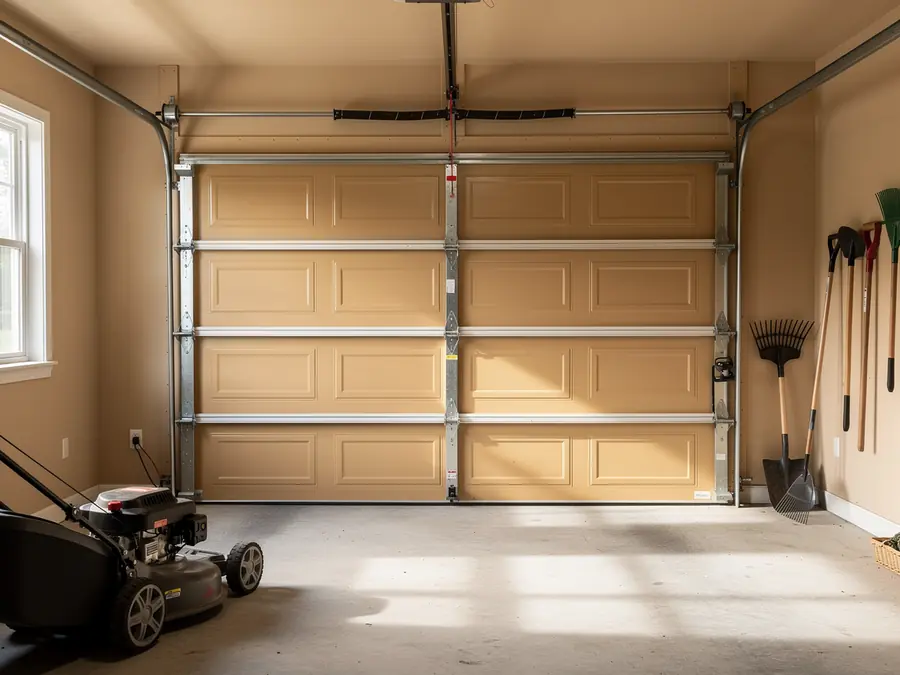 05Spring RepairRamsey's garage doors mostly date to the 1990s building boom, which means lighter torsion springs undersized for Minnesota winters. We travel from Blaine to fix them.Read more
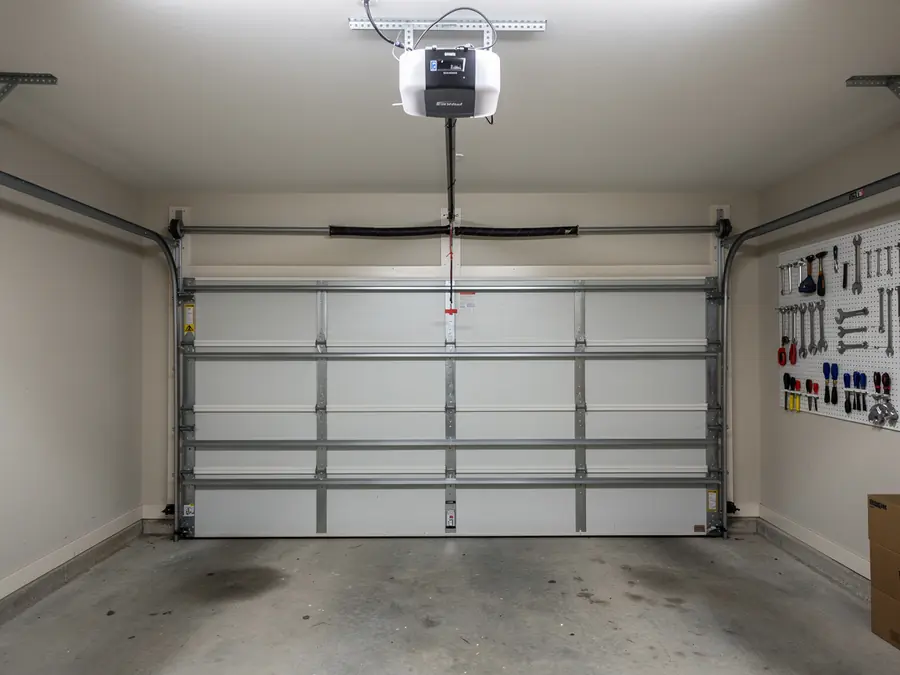 06Off-Track RepairRamsey's garage doors mostly date to the 1990s building boom. See why off-track failures here differ from older suburbs and what a straight repair actually runs.Read more
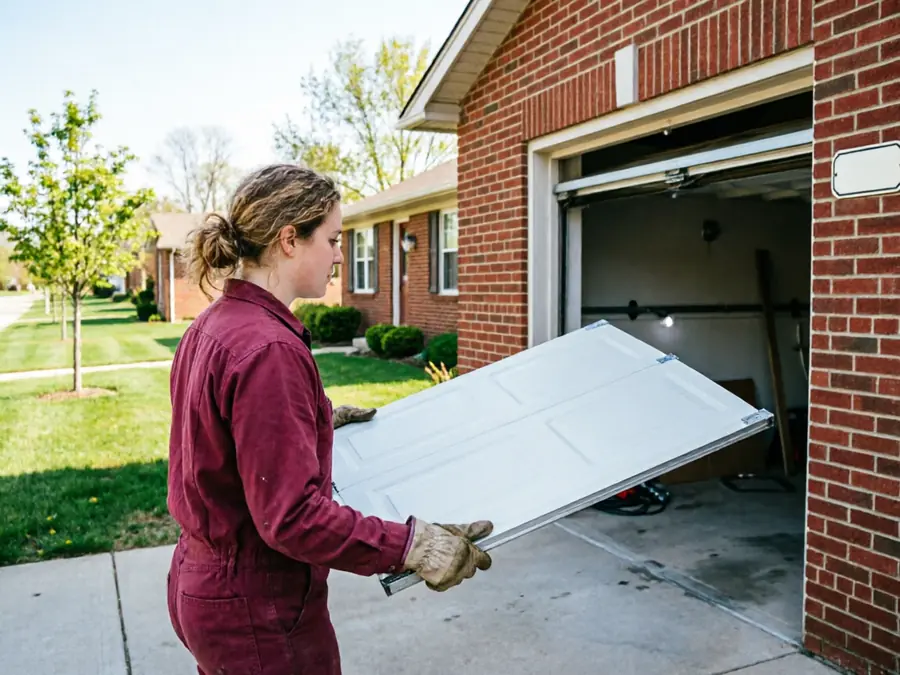 07Panel ReplacementPanel replacement for Ramsey homes, most built around 1995 - newer stock than the wider service area. Steel and insulated panels sized for cold-climate hardware.Read more
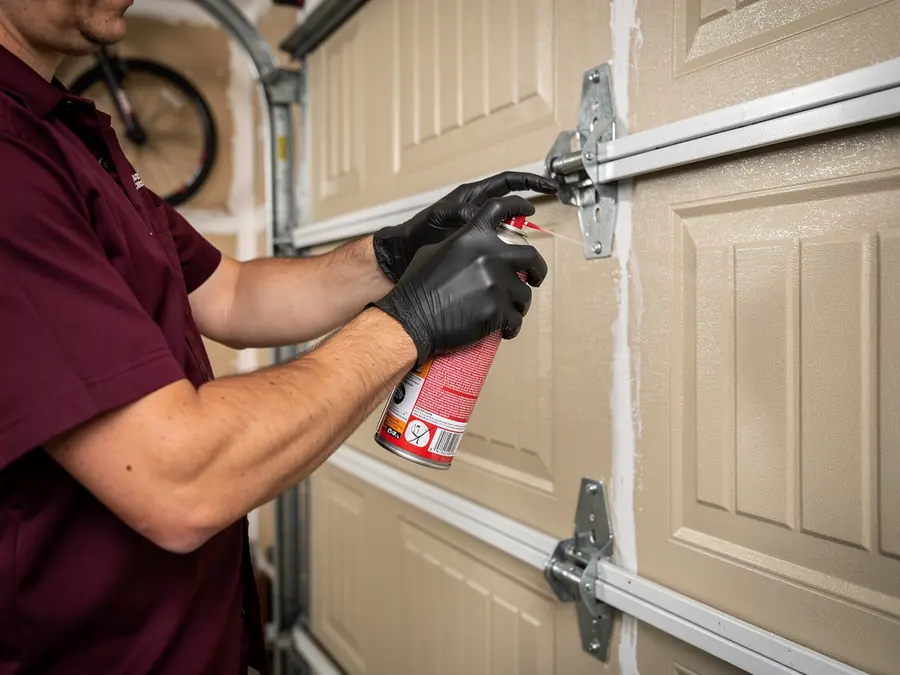 08MaintenanceGarage door maintenance for Ramsey homes built mostly in the 1990s, serviced from our Blaine crew 14 miles out. Cold-climate tune-ups for openers and hardware.Read more
What We Do Most in This Area
Ramsey sits about 14 miles out from our Blaine shop, and the trucks make that drive regularly for a specific reason: this area's houses are newer than a lot of the rest of our coverage zone. Median year built here is 1995, which puts most garages a full generation ahead of the 1980 median across our wider service area. That matters because a 1995 build usually means a steel sectional door on a standard-lift torsion spring, factory-set extension springs on older models, and openers that are chain-drive 1/3 or 1/2 horsepower units nearing the end of their service life by now. We spend more time here on opener logic boards, worn drive gears, and safety sensor failures than on the ancient hardware we deal with in the oldest parts of our area. Panel sections are more likely to be the lightweight steel used through the mid-90s, which dents easier than the heavier gauge stock from decades earlier but is also simpler and cheaper to source and swap. With 10,164 households in this area and a median income of $112,060, we also see more owners asking for matched replacement panels instead of a full door swap, since the parts are still in production for homes this age.
What That Means for Doors
A door built around 1995 was almost certainly installed with a torsion spring sized for a 7-foot standard garage opening, not the 8-foot openings common in newer construction. If your spring breaks, the replacement needs to match that original wind and wire gauge, not whatever a big-box store has in stock. Openers from this era are also past their expected lifespan even if they still run most days; the capacitors and gear sets wear out quietly, and the first sign is usually a door that reverses for no reason or won't close all the way. Rollers are often still the original nylon or steel ones, and by year 25-30 they're the first thing to go noisy. We don't push a full opener replacement on every call here. If the motor's fine and it's just a sensor or a stripped gear, we fix that part and leave the rest alone.
The Calls We Get From Here
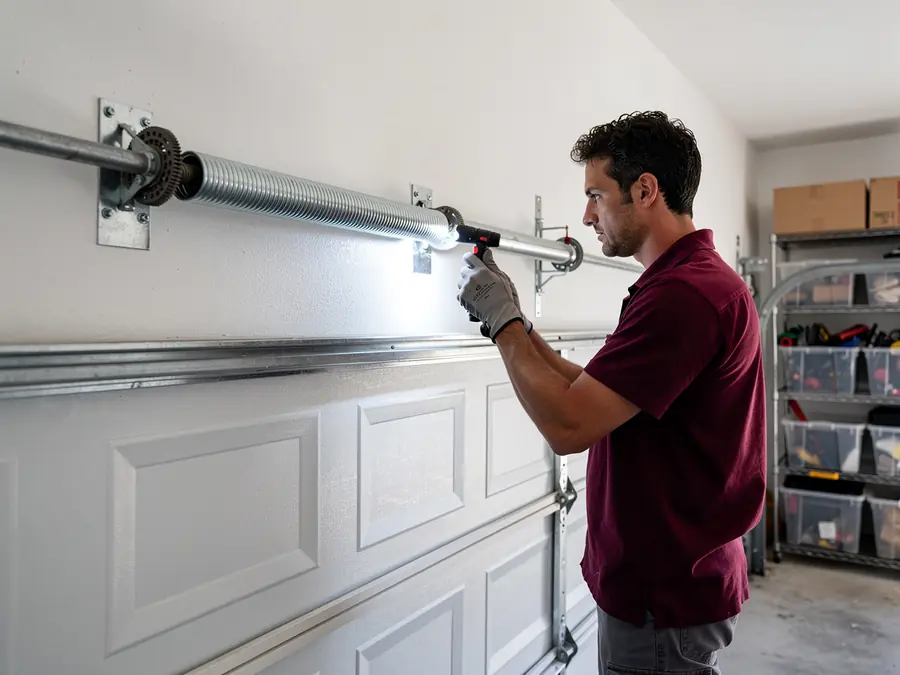
Most calls out of this area split into three buckets: a torsion spring that's snapped clean (usually with a bang the homeowner heard from inside the house), an opener that's stopped responding to the remote or wall switch, and tracks that have worked loose from two and a half decades of use. We also get a fair number of calls about doors that reverse right after they start closing, which is almost always a misaligned or dirty safety sensor rather than anything wrong with the door itself. Given this area's housing age, we don't see much call for the rare parts and obsolete hardware that come up in the older sections of our coverage area closer to Blaine itself. Honest limitation: if your opener logic board has failed and the model's been discontinued, we may need to replace the whole unit rather than repair it, and that's not always a same-visit job depending on what's in the truck.
This Area's Housing
The 1995 median build year here means most garages were framed for double doors on steel track, with openers and springs sized to those openings from the start - not retrofitted later like older stock elsewhere in our area. That's a meaningfully different repair profile than the 1957-2003 range and 1980 median across our broader service area, where original one-piece doors and side-mount hardware from the 50s and 60s still turn up. In Ramsey, we're mostly working on garages that are old enough to need real repair but new enough that parts are still easy to get. With 10,164 households and median income of $112,060 here, we also see more requests for cosmetic panel matching and opener upgrades rather than full structural door replacement, since the base door is usually still sound.
FAQ
Questions about this
Do you have a shop or depot in Ramsey?
No. We run out of Blaine, about 14 miles away, and drive to Ramsey for scheduled jobs. We don't claim a local depot or a guaranteed response time here - just that we make the trip regularly for repairs in this area.
Why does my 1990s garage door need a different spring than my neighbor's older house?
Spring sizing depends on door weight and opening height, which changed as building standards shifted. A door built around 1995, the median year for homes in this area, is commonly set up for a 7-foot standard opening with torsion hardware sized to that era - different from the older one-piece doors and side-mount setups found in parts of our wider coverage area.
My opener still runs but reverses randomly - is that a spring issue?
Usually not. On openers from the mid-90s build era common in this area, random reversal is most often a misaligned or dirty photo-eye sensor near the floor, or a worn gear inside the opener housing. A broken spring makes the door hard or impossible to lift by hand, which is a different symptom entirely.
Is it worth repairing an opener this old or should I replace it?
Depends what's failed. If it's a sensor or a stripped gear, repair is usually the cheaper and faster call. If the logic board is dead and the model's discontinued, we may recommend replacement instead, since sourcing obsolete boards isn't always practical or quick.
Tell us what your door is doing.
We serve Blaine, MN and nearby communities. Every job starts with a diagnosis, so you know what failed before any work begins.