
Service area · Lino Lakes
Garage Door Service for Lino Lakes Homes
Blaine Garage Door Pros serves Lino Lakes homes built mostly in the 1990s, 5 miles from our Blaine shop. Torsion spring, opener, and track repair for newer stock.
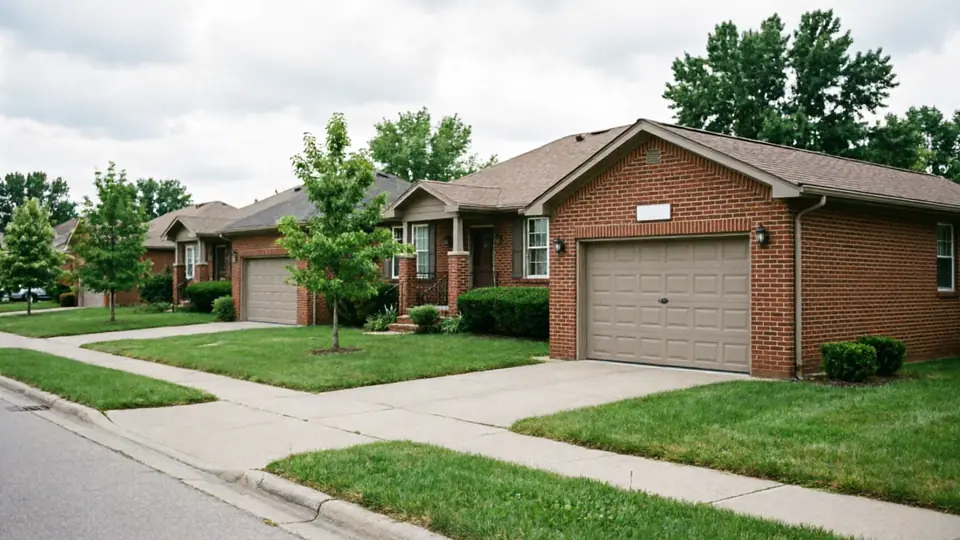
In Lino Lakes
Garage door services in Lino Lakes
What each job involves for Lino Lakes homes specifically.
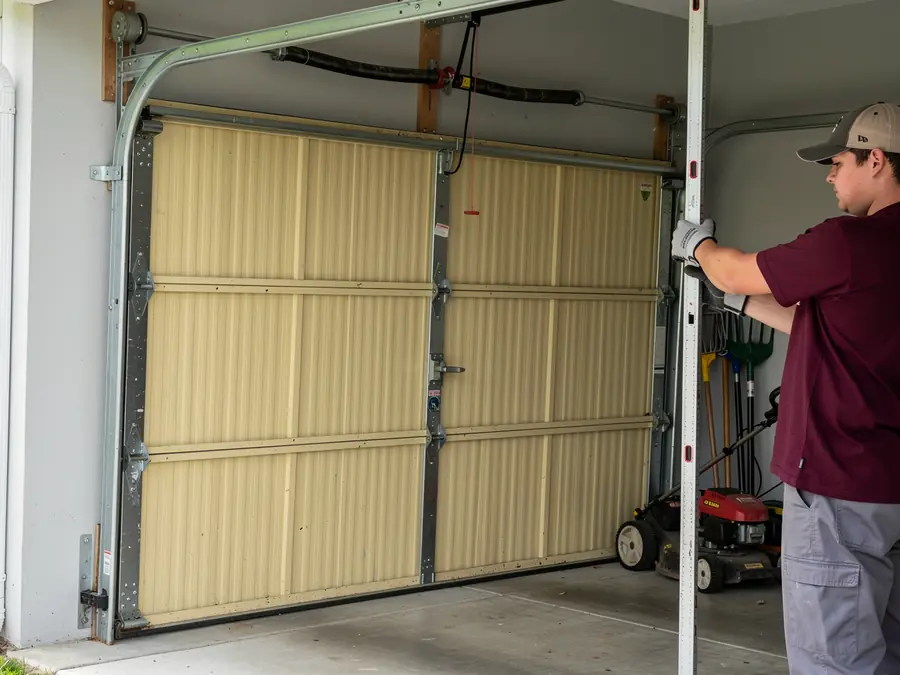 01Garage Door RepairMost Lino Lakes garage doors date to the early 1990s, with steel panels and openers now hitting 30 years. We drive the 5 miles from Blaine to fix springs, cables, and worn rollers.Read more
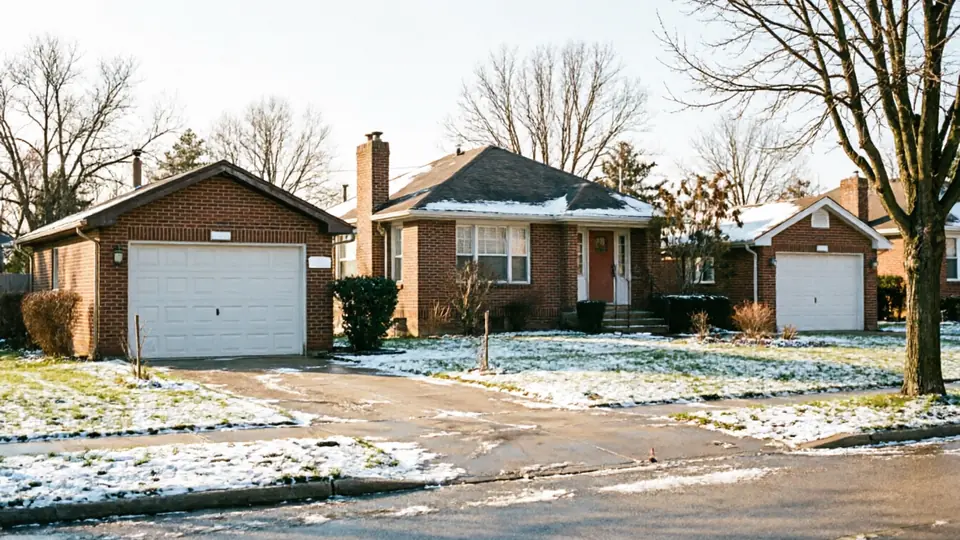 02Garage Door InstallationLino Lakes homes mostly date to the early 1990s, which shapes door size and panel choice. Blaine Garage Door Pros installs from 5 miles away, built for Minnesota cold.Read more
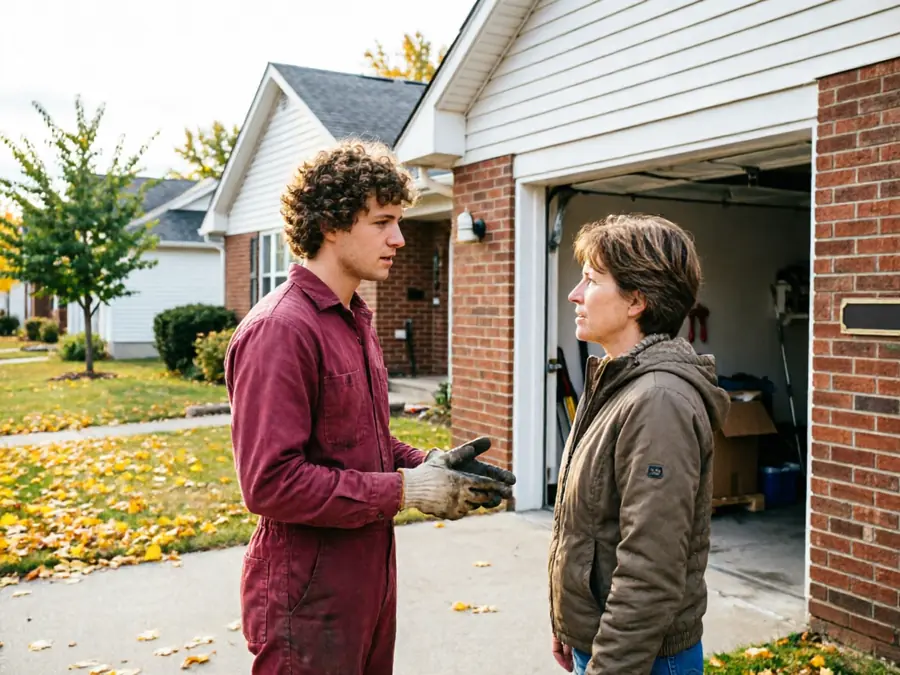 03Garage Door ServiceMost Lino Lakes homes were built around 1993, meaning original openers and torsion springs are 30+ years old. We travel the 5 miles from Blaine for repairs and replacements.Read more
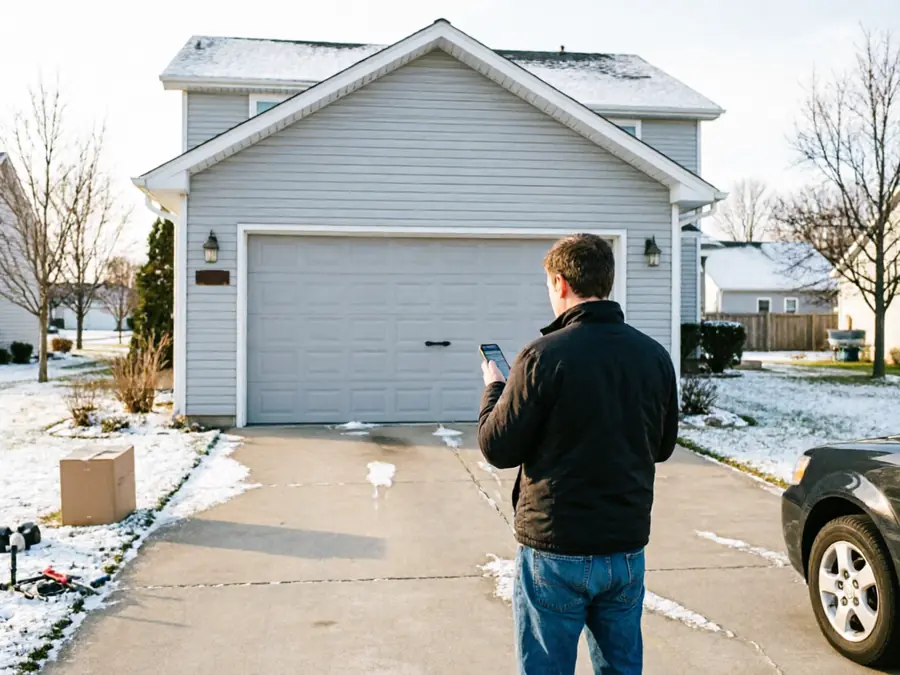 04Opener RepairOpener repair for Lino Lakes's 7,677 households, where most garages date to the early 1990s. We run the 5-mile call from Blaine, with openers suited to the local build years.Read more
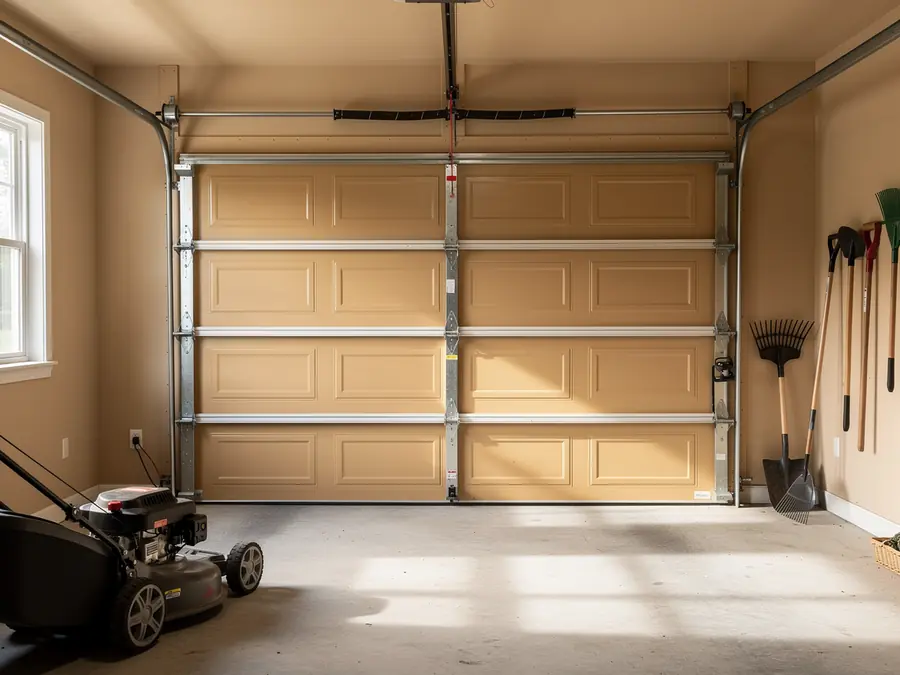 05Spring RepairLino Lakes homes run newer than most of our service area, median build year 1993, so the springs failing now are usually factory-grade, not the older stock we see closer to Blaine.Read more
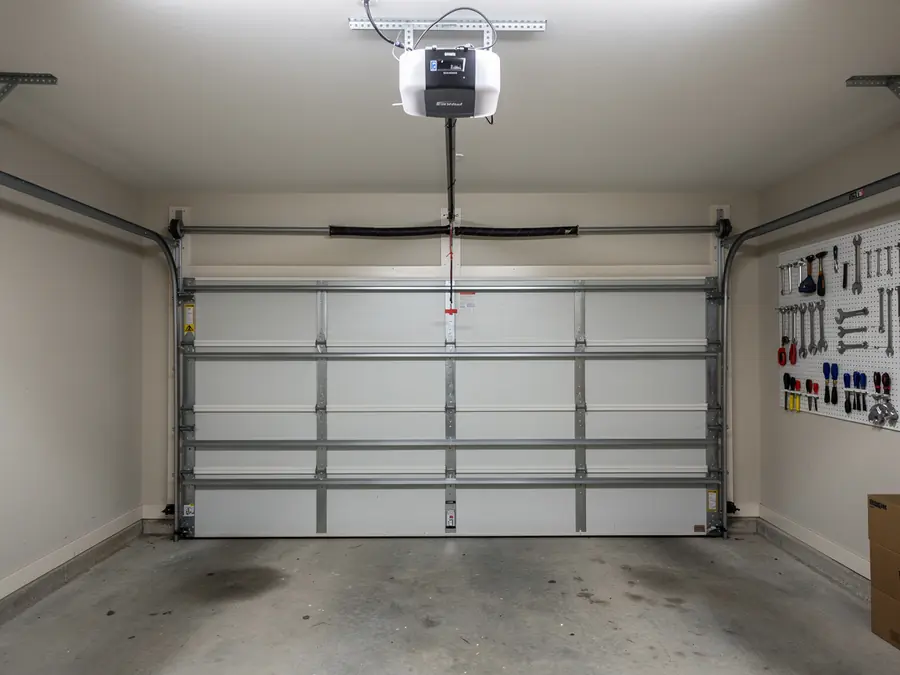 06Off-Track RepairOff-track garage door repair for Lino Lakes homes, most built around 1993. Blaine Garage Door Pros makes the 5-mile drive to fix doors that have jumped the track.Read more
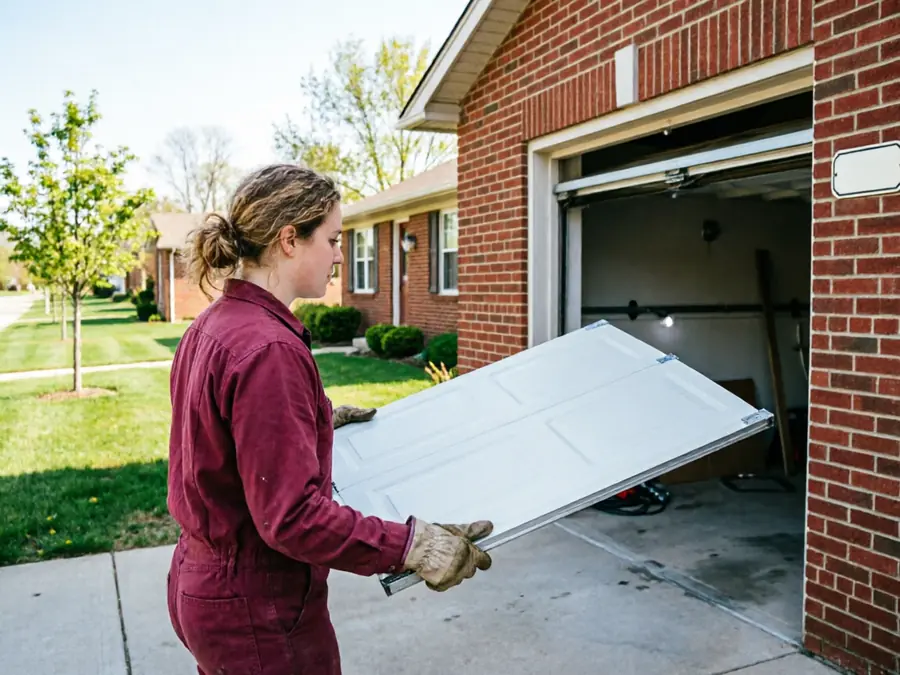 07Panel ReplacementPanel replacement for Lino Lakes homes built mostly in the early 1990s. We drive the 5 miles from Blaine and help you decide: patch the panel or replace the door.Read more
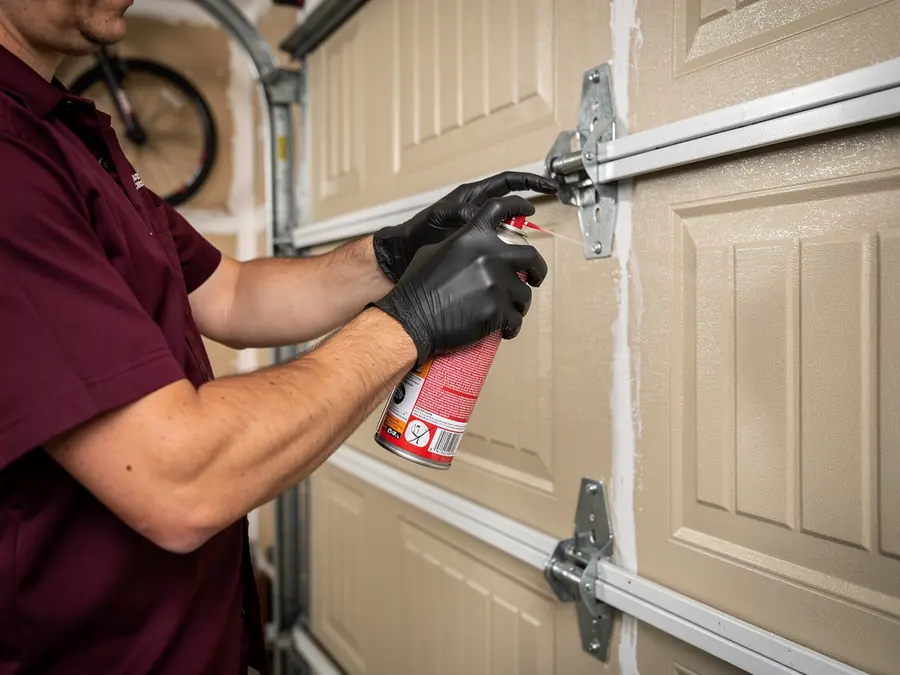 08MaintenanceGarage door maintenance in Lino Lakes, MN for homes built around 1993, serviced from Blaine. Spring, roller, and opener checks for this area's housing stock.Read more
What We Do Most in This Area
Lino Lakes sits about 5 miles from our shop in Blaine, and the work we run out there looks different from the work we run on the older side of the service area. The median home here went up around 1993, which puts most garages on steel sectional doors with factory-installed extension or torsion systems rather than the older one-piece doors we deal with elsewhere in the area. That's a meaningful split from the broader service area, where homes stretch from 1957 up through 2003 with a median closer to 1980 and a mix of 46 named communities each with their own build pattern. In Lino Lakes specifically, we're mostly working on doors and openers that came standard with 1990s-era residential construction: chain-drive openers original to the house, steel panels with foam insulation (sometimes), and torsion springs sized for lighter doors than what gets installed today. That means less time spent sourcing obsolete hardware and more time replacing parts that simply wore out from twenty-plus years of cycles - springs, rollers, and the openers themselves, which are well past the age most manufacturers expect them to last.
What That Means for Doors
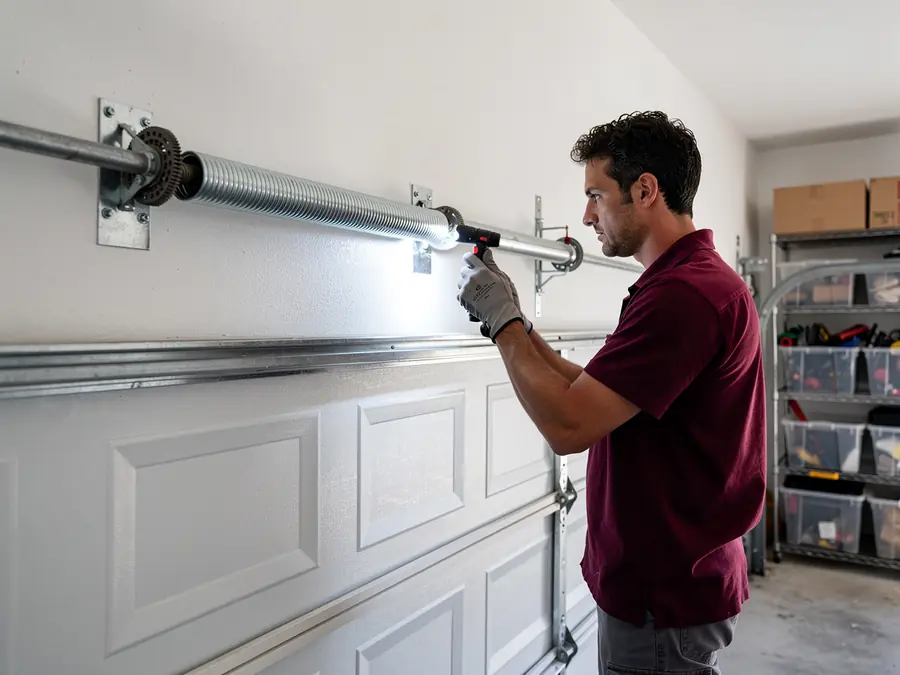
A door built to 1990s spec is not the same animal as a door built in the 1960s or in 2015, and the difference shows up in the service calls. These doors use torsion springs sized when energy codes and insulation standards were lighter than today's, so when a spring finally breaks - usually after thousands of open-close cycles - the replacement spring often needs a slight recalculation rather than a straight swap, especially if a homeowner has added insulation or a heavier door skin since the original install. Openers from that era are also reaching the end of their realistic service life; gear-driven units from the 1990s don't fail dramatically, they just get slower and louder until the gear strips. Cold matters here too - this is a severe cold climate zone, and steel panels and springs that are 25-30 years old handle temperature swings worse than newer stock, which shows up as stiffer operation and spring fatigue through the winter months. We don't push full replacement on a door that just needs a spring and a tune-up, but once an opener from this era starts cycling erratically, parts for it are often harder to source than just installing new.
The Calls We Get From Here
The calls we take from Lino Lakes skew toward wear-and-age issues rather than storm damage or installation mismatches. Broken torsion springs lead, followed by openers that have started reversing on their own or failing to respond to the remote - both common once a unit crosses the two-decade mark. We also get a fair number of calls about noisy operation: rollers that were fine for fifteen years and then start grinding, usually nylon rollers original to the 1990s install that have simply worn out their bearings. One honest limitation worth saying up front - if a part for an older opener model is genuinely discontinued, we'll tell you that on the phone rather than have you wait on a special order that might not come through, and in those cases replacing the opener outright is usually the faster and cheaper path anyway. We travel out from Blaine for these calls; we don't keep a separate stock location in Lino Lakes, so parts come with us on the truck based on what the call tells us to expect.
This Area's Housing
Lino Lakes has roughly 7,677 households and a median income of about $121,800, noticeably higher than the service area average of around $100,179 across its 258,628 households. That income gap tends to track with housing age and upkeep - newer builds here often have been maintained with factory parts rather than patched together, which simplifies some repairs. The median year built of 1993 puts this area a solid decade or more ahead of the broader service area's 1980 median, and it means most Lino Lakes garages were built under more recent code than the older pockets closer to the center of the service area. That's good news for door condition overall, but it also means the first wave of original hardware - springs, openers, and weatherstripping - is now aging out roughly on schedule, all around the same years, which is part of why spring and opener calls cluster the way they do.
FAQ
Questions about this
Are garage doors in Lino Lakes different from the rest of the Blaine service area?
Generally yes. Lino Lakes homes have a median build year around 1993, compared to about 1980 across the wider service area. That means more factory steel sectional doors and fewer of the older one-piece doors we see in older sections of the territory, and it shifts the repairs toward aging torsion springs and tired openers rather than obsolete hardware.
Do you have a shop or depot in Lino Lakes?
No. We run out of Blaine, about 5 miles away, and bring parts on the truck based on what you describe over the phone. We don't keep a separate stock location in Lino Lakes.
Why do openers from the 1990s fail the way they do?
Gear-driven openers from that era wear gradually - they get louder and slower before they stop responding to the remote or reversing properly. Parts for some of these older models are getting harder to find, and once that happens, replacing the opener is usually the more practical option.
Does the cold affect older torsion springs here?
This area sits in a severe cold climate zone, and springs that are 25 to 30 years old handle winter temperature swings worse than newer ones. Stiff operation or a sudden snap in cold weather is common with original hardware from 1990s-era installs.
Tell us what your door is doing.
We serve Blaine, MN and nearby communities. Every job starts with a diagnosis, so you know what failed before any work begins.