
Maintenance · Roseville
Garage Door Maintenance for Roseville's 1968-Era Housing Stock
Roseville homes mostly date to 1968, older than the region's 1980 median. Blaine Garage Door Pros drives the 11 miles to service the hardware that era actually used.
Can You Do This Yourself
Eleven miles is close enough that we can get a truck to Roseville without it changing much about how a visit runs, but it does mean we're not swinging by on a whim between other jobs down the street - a maintenance call here gets scheduled, not squeezed in. That's worth knowing if you're deciding between booking us and doing it yourself.
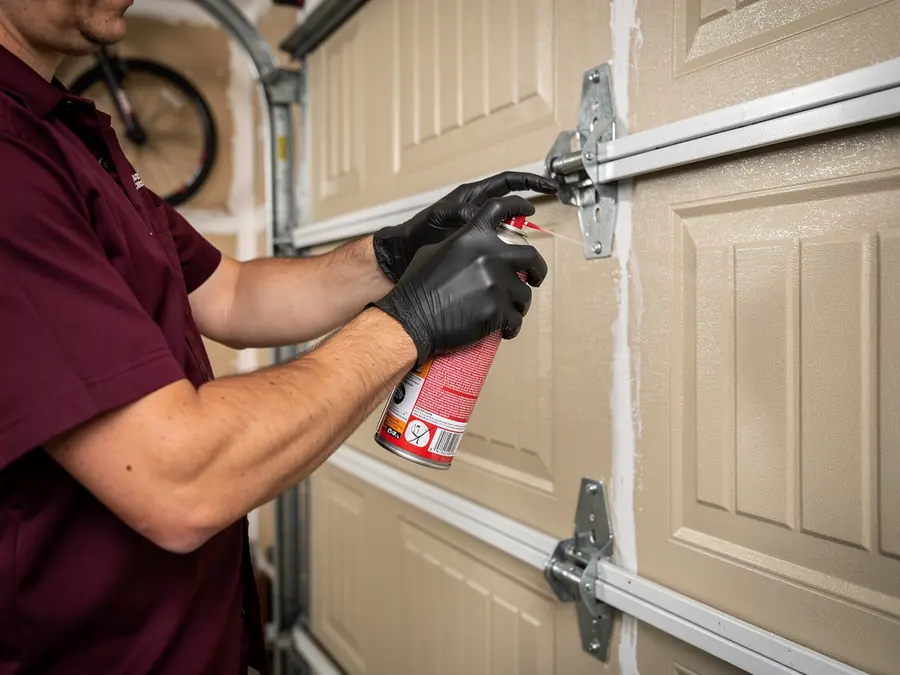
A lot of basic upkeep is within reach for a homeowner: wiping down and lightly oiling the rollers and hinges, checking that the weatherstrip at the bottom isn't cracked, vacuuming the track so grit doesn't chew up the rollers, and looking over the cables for fraying. None of that needs a technician.
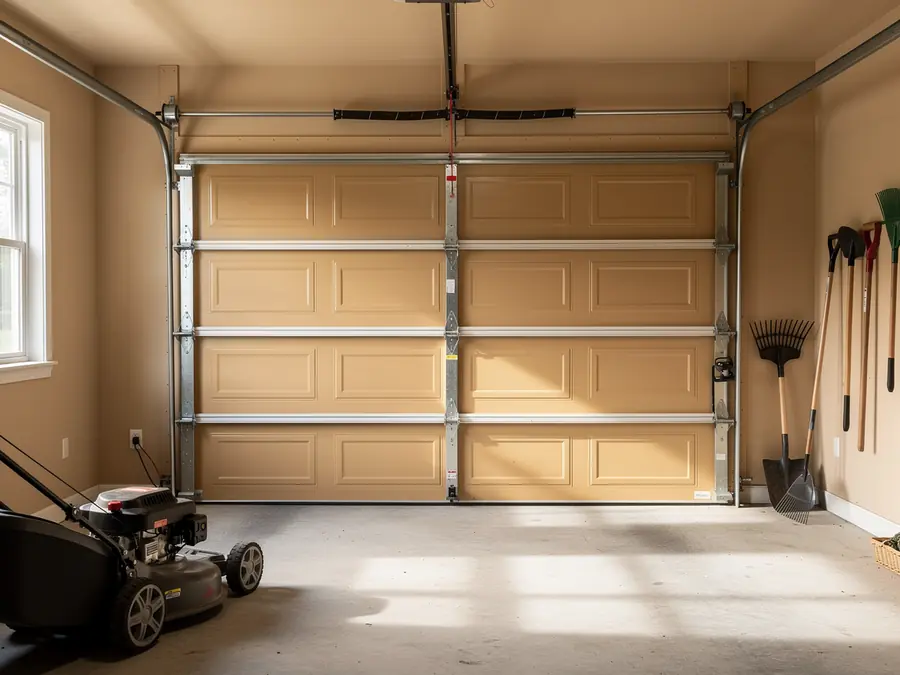
What doesn't belong in a DIY list is anything involving the torsion spring - the thick coiled bar above the door that's holding the full weight of the panel under tension. On a house built around 1968, that spring and its hardware have likely been replaced at least once, maybe with parts that don't quite match the original mounting. Adjusting or replacing it wrong can put someone in the ER. We also don't recommend homeowners try to re-tension an opener's travel limits themselves if the door is already binding - that's usually a sign of something bent in the track, not a settings problem.
What Can Go Wrong
Roseville's housing mostly went up around 1968, earlier than the 1980 median across the wider area we cover, which means a chunk of the doors and openers out there are on their second or third round of hardware, not the first. The mismatch shows up as track brackets that don't quite fit the stud spacing anymore, or an opener bolted to framing that was never meant for the motor it's carrying.
Cold-climate wear is the other half of it. With winters here falling in the severe end of the cold band, steel springs and cables see repeated contraction that factory-spec hardware from forty-plus years ago wasn't built to handle indefinitely. The symptoms we see most: a door that groans or jerks partway up, a cable starting to fray near the drum, or an opener that runs but doesn't fully seat the door before reversing.
Rollers are usually the first thing to go on a house this age - the original steel ones get loud and start chipping the track. Left alone, a worn roller eventually binds the door enough to strain the opener's drive gear, which is a pricier fix than the roller ever would have been.
How Long It Takes
A standard maintenance visit - lubrication, hardware check, spring and cable inspection, opener travel and force adjustment - runs about the same length of time in Roseville as anywhere else we cover; the drive is what adds to the day, not the work itself. Figure on us budgeting part of the morning or afternoon around the 11-mile trip from Blaine when we slot the appointment.
If we find something that needs parts we don't carry on the truck - an obsolete bracket style or a spring gauge that doesn't match anything we stock - that becomes a second visit. We won't pretend to have a part in hand that we don't, and on houses from this era that situation comes up more than it would on a newer build.
What Causes It Around Here
The 1968 build date matters more than people think. Doors and openers installed or replaced through the 70s, 80s, and 90s used hardware standards that have shifted more than once since - spring wire gauges, drum sizes, track widths. When a part fails now, matching it correctly takes an actual inspection, not a guess off a parts-store shelf.
Winters here sit in the severe end of the cold climate band for this region, and that's the other driver. Repeated hard freezes and thaws work on lubricant, seals, and metal fatigue in a way that's slow but constant. A door that was fine in October can be sticking by February because the grease in the hinges has stiffened and the cold-contracted cable has a half-millimeter more slack than it did.
Booking a Visit
We cover Roseville out of Blaine, about 11 miles north, along with the rest of the area detailed on our service area page. If you're comparing what maintenance looks like here against what we do closer to home, the Blaine maintenance page covers the general service - this page is specifically about what your 1968-era hardware and our winters do to a door in Roseville.
Booking is straightforward: tell us the age of the house if you know it and what the door's doing - slow, loud, catching - and we'll bring the right spring gauges and bracket styles for houses from that era rather than guessing on site.
FAQ
Questions about this
How often should a Roseville garage door get maintenance?
Once a year is the baseline we'd recommend given the severe cold winters here - the freeze-thaw cycle is harder on lubricant, seals, and cable tension than a mild climate would be. If the door is original hardware from a 1960s build, closer to every six to eight months catches wear before it becomes a breakdown.
Do you carry parts for older Roseville garage doors on the truck?
We carry common spring gauges and roller sizes, but houses built around 1968 sometimes have older bracket styles or drum sizes that aren't standard stock. If that's what we find, we'll order the part and come back rather than force a mismatch.
Is it worth maintaining a door instead of replacing it?
Usually yes, especially if the opener and track are sound - maintenance is far cheaper than replacement. But if the spring, cables, and rollers are all failing at once on an original 1968-era door, replacement often makes more financial sense than repeated repair visits.
Tell us what your door is doing.
We serve Blaine, MN and nearby communities. Every job starts with a diagnosis, so you know what failed before any work begins.